TL;DR
Browning is driven by the Maillard reaction and caramelization, producing complex flavors, rich aromas, and appealing colors. Knowing how to control these processes helps you cook tastier, more attractive food without burning it.
Ever notice how a perfectly toasted slice of bread or a seared steak smells like a symphony of warm, roasted goodness? That’s the magic of browning, a process that transforms plain ingredients into mouthwatering masterpieces. But beneath that delicious surface lies fascinating chemistry that you can harness to improve your cooking. Understanding what’s happening at a molecular level makes it easier to get that golden crust without overdoing it—and to enjoy the complex flavors that make browned foods taste so much better.
In this guide, you’ll learn how browning works, why it tastes so good, and practical tips to master the art of perfect browning. Whether you’re roasting vegetables or baking bread, knowing the science unlocks new levels of flavor and texture in your kitchen.
Browning is driven by the Maillard reaction and caramelization, creating complex flavors and appealing colors.
Controlling temperature and moisture is crucial to preventing burning and achieving even, flavorful browning.
Using dry ingredients, high heat, and timely techniques helps you master perfect browning.
Both reactions contribute to flavor depth—knowing when and how to use each enhances your dishes.
Avoid over-browning or charring to keep food safe and delicious.
What makes browning so flavorful? The secret behind the delicious taste
When you see that rich, golden color on your food, it’s not just about looks—it’s about flavor. The Maillard reaction and caramelization are the twin engines behind that irresistible taste.
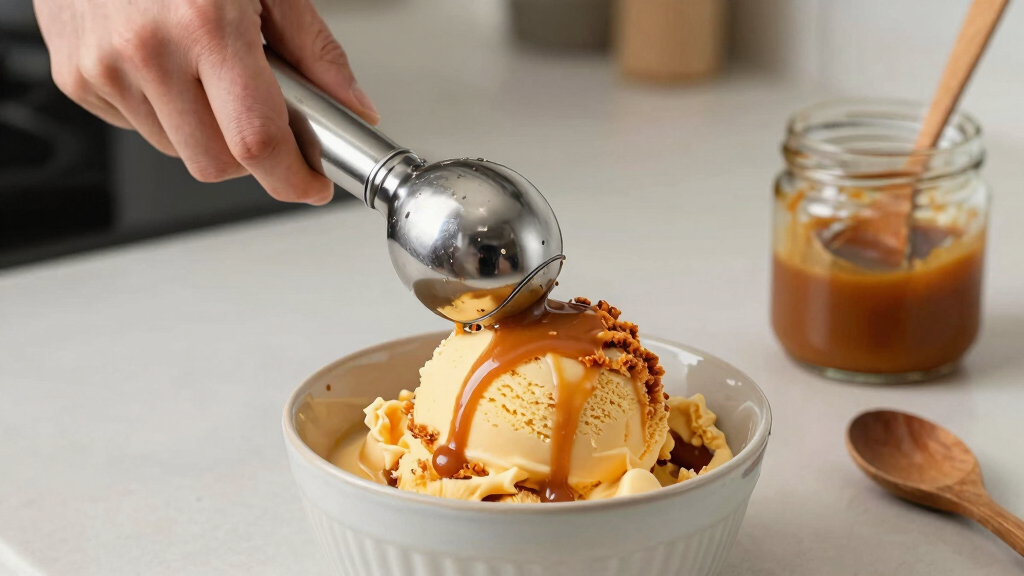
The Maillard reaction occurs when proteins (amino acids) meet sugars at high heat—around 140–165°C (285–330°F). This creates hundreds of new compounds that develop a nutty, roasted, or savory flavor. These flavor compounds are crucial because they deepen the taste profile of foods, transforming bland ingredients into complex, multi-layered flavors. For example, a seared steak develops a rich, savory crust that is much more than just browned—it’s packed with umami and roasted notes that stimulate our appetite. Toasted bread’s warm aroma is another result of these reactions, making it more appealing and memorable. Caramelization, on the other hand, is all about sugars breaking down at higher temperatures (160°C/320°F+). This process produces sweet, toasty notes and a rich brown color, contributing a different dimension of flavor. Think of caramel candies or sautéed onions—these are the sweet, savory results of sugar molecules transforming into new flavor compounds. While both processes create appealing colors and flavors, they have implications for cooking: Maillard enhances savory depth, while caramelization adds sweetness and richness. Mastering the balance between these processes allows you to tailor your dishes’ flavor profiles, whether aiming for a savory crust or a sweet glaze. The tradeoff lies in controlling heat carefully—too much heat can lead to burnt flavors, destroying the delicate balance and potentially creating harmful compounds. Understanding these nuances helps you develop a more intuitive sense of when and how to apply each process for optimal flavor development.
Maillard reaction cooking thermometer
As an affiliate, we earn on qualifying purchases.
As an affiliate, we earn on qualifying purchases.
How does the Maillard reaction create those rich flavors? A step-by-step guide
- Foods are heated to the right temperature—around 140°C (285°F). Achieving this precise temperature ensures the reaction proceeds efficiently without burning.
- Proteins (amino acids) and sugars start to react, forming unstable intermediate compounds. These intermediates are highly reactive and set the stage for flavor complexity.
- These intermediates break down further into hundreds of new flavor molecules, each contributing different aroma and taste notes—nutty, roasted, savory—adding depth and richness.
- The final result is a complex aroma and taste profile—like the smell of freshly baked bread or grilled meat—which stimulates appetite and enhances enjoyment. This process is sensitive to temperature control; too hot can cause charring and bitterness, while too cool can slow the reaction, resulting in less flavor. The tradeoff involves balancing heat to maximize flavor without risking burnt or bitter flavors. Proper timing ensures the Maillard reaction develops fully, creating that desirable crust or browned surface while keeping the interior tender and flavorful. Knowing these steps allows you to manipulate cooking conditions—such as adjusting heat, moisture, and duration—to optimize flavor while avoiding undesirable outcomes like over-browning or burning, which can produce harmful compounds and ruin the dish’s taste.
Controlling temperature and moisture is key to harnessing the Maillard reaction effectively. Too hot, and burnt flavors dominate; too cool, and the reaction stalls, leaving your food bland. Achieving the perfect balance is what elevates your cooking from good to exceptional.
non-stick skillet for searing
As an affiliate, we earn on qualifying purchases.
As an affiliate, we earn on qualifying purchases.
Comparison: Maillard Reaction vs. Caramelization — Why both matter in your kitchen
| Aspect | Maillard Reaction | Caramelization |
|---|---|---|
| What it involves | Proteins + Sugars | Sugars only |
| Temperature range | 140–165°C (285–330°F) | 160°C and above (320°F+) |
| Flavor profile | Nutty, roasted, savory | Sweet, toasty, slightly bitter |
| Foods | Meats, bread crusts, roasted coffee | Candies, onions, baked goods |
Both reactions create appealing colors and deepen flavors, but they do so through different pathways that influence the final taste and texture of your dishes. Recognizing when to favor each process allows you to craft specific flavor profiles—using Maillard for savory, umami-rich crusts, and caramelization for sweet, rich finishes. This understanding helps you manipulate cooking times and temperatures precisely, leading to better control over your culinary results. The tradeoff is that over-reliance on one process at the expense of the other can lead to less balanced flavors or undesirable textures, such as burnt or overly sweet elements. Mastery involves knowing the right moments to apply each reaction, which enhances your ability to produce complex, well-rounded dishes.
baking bread baking stone
As an affiliate, we earn on qualifying purchases.
As an affiliate, we earn on qualifying purchases.
How to brown foods perfectly — simple tricks for better results
- Start with dry ingredients—moisture impedes browning because water requires higher temperatures to evaporate, delaying the Maillard and caramelization processes. Patting vegetables dry ensures quicker, more even browning.
- Use high heat—think broiling or preheated cast iron—to rapidly develop a crust. This approach minimizes the risk of overcooking the interior while achieving maximum flavor development.
- Control cooking time—short enough to prevent burning but long enough to develop flavor. Using timers and visual cues helps maintain this balance.
- Apply a light coating of oil or butter—this helps transfer heat evenly and promotes a uniform, attractive crust. The fat also aids in browning by creating a conducive surface environment for reactions.
- Consider pre-searing meat in a hot pan, then finishing in the oven. This technique locks in juices and builds a flavorful crust before gentle roasting or baking completes the process. It’s especially effective for thicker cuts.
For instance, when roasting carrots, a quick toss in oil and high oven heat (around 425°F) results in caramelized edges and a tender inside. The key is balancing heat, time, and moisture to produce a perfectly browned, flavorful result without burning or undercooking. Adjusting these variables based on ingredient size and moisture content ensures consistent success.
caramelization sugar thermometer
As an affiliate, we earn on qualifying purchases.
As an affiliate, we earn on qualifying purchases.
Common pitfalls: What to avoid when browning foods
Burning is the biggest enemy of good browning because it not only ruins the appearance but can produce harmful compounds and bitter flavors. High heat accelerates browning but also increases the risk of charring. To avoid this, always monitor your food closely during the final stages, adjusting heat as needed, and use tools like a thermometer to keep track of surface temperatures. Overcrowding the pan traps moisture, which hampers browning and leads to steaming rather than searing. Using a single layer and rotating or stirring helps promote even browning. Additionally, sticking to recommended cooking temperatures and times ensures you develop flavor without crossing into burnt territory. Charring, especially with starchy foods like potatoes and bread, can produce acrylamide—a potential carcinogen—so it’s wise to avoid over-browning or blackening. Recognizing the signs of overcooking, such as persistent smoke or blackened surfaces, allows you to intervene before damage occurs, ensuring your dishes are both safe and delicious.
Frequently Asked Questions
How can I prevent my food from burning during browning?
Use moderate heat, monitor closely, and avoid overcrowding the pan. Adjust cooking times and consider using a thermometer to keep temperatures in the ideal range. This minimizes the risk of burning while still developing flavor.
Why does my bread sometimes get burnt on the outside but stay raw inside?
This is often due to high oven temperature or uneven heat distribution. Using a lower temperature and longer bake time helps the heat penetrate evenly, preventing a burnt crust and undercooked interior.
Are there healthier ways to brown foods without creating harmful compounds?
Yes, controlling cooking temperature, avoiding excessive charring, and using natural ingredients like herbs or citrus can promote browning safely. Also, using techniques like pre-searing or indirect heat reduces the risk of harmful compounds.
Can I speed up browning without burning my food?
Yes, by using high heat briefly, dry ingredients, and applying oils or fats to aid heat transfer. Preheating your pan and avoiding overcrowding also helps achieve rapid, even browning without burning.
Which foods benefit most from browning?
Meats, bread, roasted vegetables, onions, garlic, and desserts like caramel and toffee all develop better flavor and texture through proper browning.
Conclusion
Understanding the science behind browning turns a simple step into a powerful flavor tool. When you control heat and timing, you unlock layers of taste and aroma that make your cooking unforgettable. Next time you see that golden crust forming, remember: it’s chemistry working hard to make your food taste so good.
So go ahead—embrace the science, experiment with heat, and savor the irresistible flavors you create. Your taste buds will thank you.