
TL;DR
Salt enhances sweetness and depth in baked goods by balancing flavors and improving texture. knowing how much to use depends on your recipe and the type of salt, but a little goes a long way.
Ever notice how a pinch of salt in your cookies or cake suddenly makes everything taste more vibrant? It’s no accident. Salt is an unsung hero in sweet baking — it doesn’t just season, it sharpens, balances, and deepens flavors.
In this guide, you’ll learn why salt belongs in your sweet recipes, how it works behind the scenes, and exactly how much to add without overdoing it. Whether you’re baking a simple batch of muffins or a fancy tart, understanding salt’s role can elevate your desserts from good to unforgettable.
A pinch of salt amplifies sweetness and adds depth to desserts.
Using the right type of salt (fine, flaky, pink) can influence flavor and texture.
Start small — 1/8 teaspoon per cup of flour — and taste as you go.
Salt controls gluten and yeast activity, shaping the crumb and structure.
Moderation is key; too much salt ruins flavor, too little dulls it.
Why Salt Makes Your Sweet Bakes Taste Better
Salt acts as a flavor enhancer, just like in savory dishes. It’s the secret to making your desserts taste more vibrant and less flat. When you add a pinch, it interacts with the natural sugars, amplifying sweetness without making the dessert seem overly sugary.
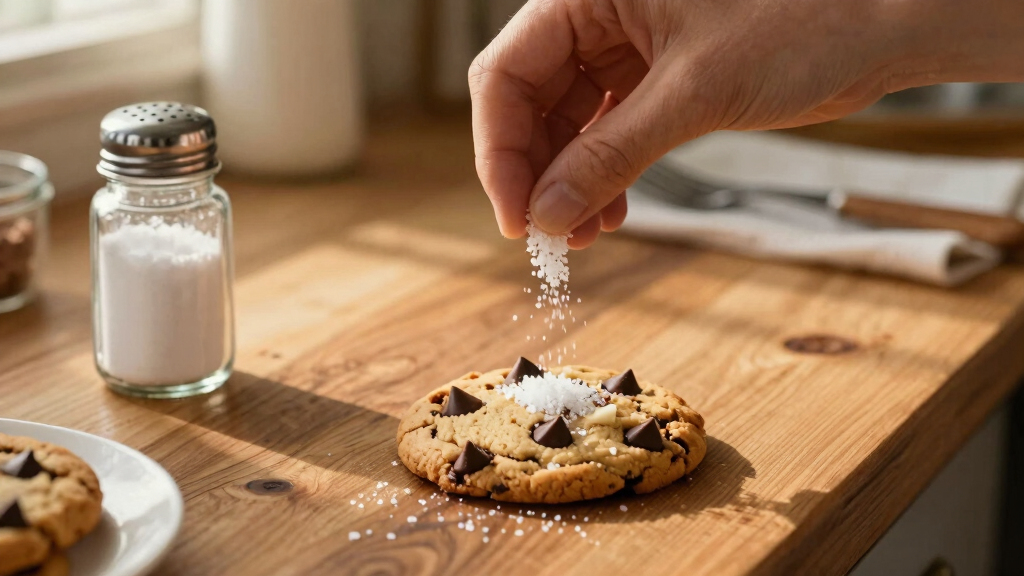
Imagine biting into a chocolate chip cookie. That subtle saltiness balances the rich, sweet chocolate, creating a complex, satisfying flavor profile. Without salt, the sweetness might taste dull or one-dimensional.
Plus, salt helps mask any bitterness from ingredients like cocoa or baking soda, smoothing out the overall taste. It’s a simple trick that adds depth and makes your baked goods more memorable.
Beyond flavor, salt’s ability to enhance sweetness is rooted in its influence on taste receptors. It suppresses bitterness and amplifies the perception of sweetness, which is why even a small amount can make desserts taste more satisfying. This balancing act is crucial because it ensures your baked goods are not just sweet but also nuanced and well-rounded. Over-salting, however, can overwhelm the delicate sweetness and ruin the flavor harmony, so understanding the right amount is key.
As an affiliate, we earn on qualifying purchases.
How Salt Improves Texture and Structure in Baking
Salt doesn’t just influence flavor — it also impacts how your baked goods come together. In bread and cakes, salt strengthens gluten, giving structure and chewiness. It controls yeast activity, preventing over-fermentation and resulting in a more even crumb.
For example, in a classic sponge cake, adding the right amount of salt helps the batter hold together, creating a tender yet sturdy crumb. In cookies, salt enhances the dough’s elasticity, making it easier to shape and less prone to cracking.
In recipes where you want a crisp crust or a chewy interior, salt’s role in controlling moisture and gluten development is key.
Furthermore, salt’s influence on moisture retention and gluten development affects not just texture but also the overall mouthfeel of baked goods. Properly balanced salt levels can improve the crumb’s tenderness and the crust’s crispness, contributing to a more professional and appealing final product. Over-salting can lead to tough or overly dense textures, while too little may result in flat, bland baked goods. Striking the right balance is essential for achieving the desired texture and structural integrity.
As an affiliate, we earn on qualifying purchases.
The Perfect Amount of Salt in Sweet Baking — How Much Is Enough?
| Recipe Type | Typical Salt Range | Notes |
|---|---|---|
| Cakes & Muffins | 1/8 to 1/4 teaspoon per cup of flour | Start small; you can always add more if needed |
| Cookies & Pastries | 1/4 to 1/2 teaspoon per batch | Adjust for larger or smaller batches |
| Quick Breads | 1/4 teaspoon per cup of flour | Focus on flavor balance |
| Sweet Crumbles & Toppings | Pinch to 1/4 teaspoon | For texture and flavor contrast |
Remember: the type of salt matters. Fine table salt dissolves quickly, so use slightly less than flaky sea salt, which adds texture and visual appeal. Start with small amounts and taste as you go — salt is easy to add but hard to fix once overdone.
Understanding the right amount of salt is crucial because it directly impacts the flavor profile and texture of your baked goods. Too little salt can leave desserts tasting flat or overly sweet, lacking depth. Too much can dominate the flavor, making the dessert unpleasantly salty and masking other subtle flavors. The key is to begin with conservative amounts, taste, and adjust incrementally. This approach allows you to find the perfect balance, ensuring your baked goods are flavorful, well-structured, and satisfying without the risk of over- or under-salting.
As an affiliate, we earn on qualifying purchases.
Different Types of Salt and How They Change Your Baking
- Table Salt: Fine, dissolves evenly, most common.
- Sea Salt: Flaky, adds crunch and visual interest.
- Himalayan Pink Salt: Mild mineral flavor, beautiful color, good for finishing touches.
- Fleur de Sel: Very flaky, used as a finishing salt for a burst of saltiness and texture.
Choosing the right salt depends on your goal. For baking, fine salt is easiest, but sprinkling flaky salts on top of cookies or cakes just before baking adds a lovely crunch and a touch of elegance.
Each type of salt offers unique qualities that can subtly influence your baked goods. Fine salts are practical for even distribution within doughs and batters, ensuring consistent flavor. Flaky salts, like sea salt or fleur de sel, provide texture and visual appeal when used as finishing touches. Himalayan pink salt introduces a mild mineral taste and color that can complement certain desserts. Understanding these differences allows you to select the best salt for each purpose, enhancing both the flavor and presentation of your baked creations.
As an affiliate, we earn on qualifying purchases.
What Happens If You Use Too Much or Too Little Salt?
Too much salt turns your sweet treats salty and unappealing. Think of biting into a cookie that tastes like ocean water. It’s a quick way to ruin a batch.
Too little, and your desserts can taste flat or overly sugary. They lack depth and complexity, making them less satisfying.
Balance is everything. A pinch of salt can elevate, but overdoing it drowns out the sweetness. Tasting as you go helps find that sweet spot. Over-salting can also cause baked goods to become tough or dense because excessive salt can interfere with gluten development and moisture retention, leading to undesirable textures. Conversely, under-salting results in a lack of flavor contrast, making desserts taste overly sweet or bland, and missing the nuanced depth that salt imparts. Achieving the right balance requires careful measurement and tasting, ensuring your baked goods are flavorful, balanced, and appealing.
Practical Tips for Perfectly Salting Your Sweet Bakes
- Start with small amounts — 1/8 teaspoon per cup of flour. You can always add more.
- Taste batter or dough before baking. A quick lick or a small sample can save the day.
- Use finer salt for even distribution. Flaky salt is best as a finishing touch.
- Adjust based on ingredient sweetness. Rich chocolates and caramel flavors may need a touch more salt.
- Remember, salt enhances aroma too. The smell of baked goods can be more inviting with the right amount.
By following these tips, you ensure your baked goods have balanced flavor and optimal texture. Proper salting can mean the difference between a good dessert and an extraordinary one, so take the time to measure carefully and taste frequently. This mindful approach helps you develop a keener palate and a better understanding of how salt interacts with different ingredients and baking processes, ultimately leading to more consistent, delicious results.
Frequently Asked Questions
Can I skip salt in my sweet baking recipes?
While you can, skipping salt often results in flatter, less complex flavors. A small amount usually makes a noticeable difference without overpowering the sweetness.
How do I know if I’ve added enough salt?
Taste your batter or dough before baking. It should taste slightly salty but not overwhelming. Remember, the salt enhances the sweetness — not masks it.
Is it okay to substitute sea salt or Himalayan salt for table salt?
Yes, but adjust quantities. Flaky salts are more concentrated by volume, so use less than you would with fine table salt. Always taste and adjust accordingly.
Does salt affect the baking time or temperature?
Not directly. Salt mainly influences flavor and texture, but it can indirectly affect rising and browning if used excessively. Stick to recommended amounts for best results.
Are there health concerns with adding salt to desserts?
Excessive salt intake is linked to health issues, so moderation is wise. Most recipes only need a small pinch—easy to control and adjust for dietary needs.
Conclusion
Remember, salt isn’t just a seasoning — it’s a flavor architect in your baking. A tiny pinch can turn a good dessert into an unforgettable one. So next time you whip up a batch, think beyond sugar — let salt work its magic.
Trust your taste buds, measure carefully, and enjoy the richer, more balanced flavors you create. Your baked goods will thank you.