
TL;DR
Salt is a key flavor enhancer in sweet baking, balancing sweetness and improving texture. Using the right amount—typically 1/4 teaspoon to 1 teaspoon—makes a noticeable difference in flavor and quality.
Imagine biting into a perfectly sweet cookie, the flavor bursting with depth and balance. You might not realize it, but that magic often hinges on one simple ingredient: salt.
Many bakers overlook how just a tiny pinch or a measured teaspoon can elevate their desserts from good to extraordinary. In this guide, you’ll learn why salt belongs in sweet baking, how it works behind the scenes, and exactly how much to add for the best results.
A small pinch or 1/4 teaspoon of salt can significantly boost sweetness and flavor richness.
Use fine table salt for consistent results; specialty salts add visual interest but require adjustments.
Always measure salt carefully—less is safer, and you can add more if needed.
Salt balances flavors, preventing desserts from tasting overly flat or cloying.
Moderate salt use aligns with health guidelines while elevating your baking.
How salt boosts sweetness and makes your baked goods taste better
Salt acts as a flavor amplifier. It doesn’t just add a pinch of saltiness—it enhances the natural sweetness of sugar and chocolate, making flavors pop. Think of it as the seasoning that highlights the best parts of your dessert.
For example, a batch of chocolate chip cookies without salt can taste dull or flat. Add just 1/4 teaspoon of salt to the dough, and suddenly the chocolate and butter shine brighter, creating a richer, more complex flavor profile.
According to food science, even small amounts of salt can boost perceived sweetness by as much as 15%, which is enough to make a noticeable difference in your baked goods. This is because salt suppresses bitterness and enhances the sweet notes, resulting in a more rounded flavor profile that feels more satisfying to the palate. Overlooking this can lead to desserts that taste flat or unbalanced, especially when working with rich ingredients like chocolate or butter. The tradeoff is that too much salt can overpower, so understanding the right balance is crucial for achieving depth without spoiling the harmony.
fine table salt for baking
As an affiliate, we earn on qualifying purchases.
As an affiliate, we earn on qualifying purchases.
The magic of balancing flavors: salt’s role in sweet recipes
Sweetness can sometimes overwhelm, leaving your palate numb or the dessert overly cloying. That’s where salt steps in. It cuts through the sugar, creating a more harmonious flavor.
Picture a lemon cake that’s too sweet—adding a tiny pinch of salt balances the acidity and sweetness, giving it a more vibrant taste. It’s like tuning a musical instrument; a small adjustment makes everything sound better.
Most recipes call for about 1/4 teaspoon to 1 teaspoon of salt per batch, depending on size and ingredients. This small amount acts as a seasoning that not only enhances the sweetness but also prevents the dessert from tasting overly flat or dull. The key is understanding that salt’s role isn’t just to add flavor but to act as a balancing agent. When used judiciously, it amplifies the natural flavors and creates a more complex, layered taste experience. The tradeoff involves recognizing that excessive salt can shift the flavor profile toward saltiness, overshadowing the intended sweetness, so moderation and tasting are essential.
measuring spoons for baking
As an affiliate, we earn on qualifying purchases.
As an affiliate, we earn on qualifying purchases.
Types of salt and how to choose the right one for baking
| Type of Salt | Best For | Notes |
|---|---|---|
| Fine table salt | Everyday baking, recipes requiring quick dissolving | Most common, easy to measure, provides consistent saltiness. Its fine grain ensures uniform distribution, which is important for delicate baked goods where uneven salt can cause flavor inconsistencies. |
| Coarse sea salt | Decorative toppings, textural contrast | Adjust amount if substituting, as it’s less dense. Coarse grains can create bursts of saltiness and texture, which can be desirable for finishing touches but require careful measurement to avoid overpowering. |
| Fleur de sel, Himalayan pink salt | Special touches, visual appeal | Use sparingly; enhances presentation and flavor nuances. These salts are more mineral-rich and can impart subtle flavor differences, but because of their larger grain size, they need to be used in smaller quantities to prevent overwhelming the dish. |
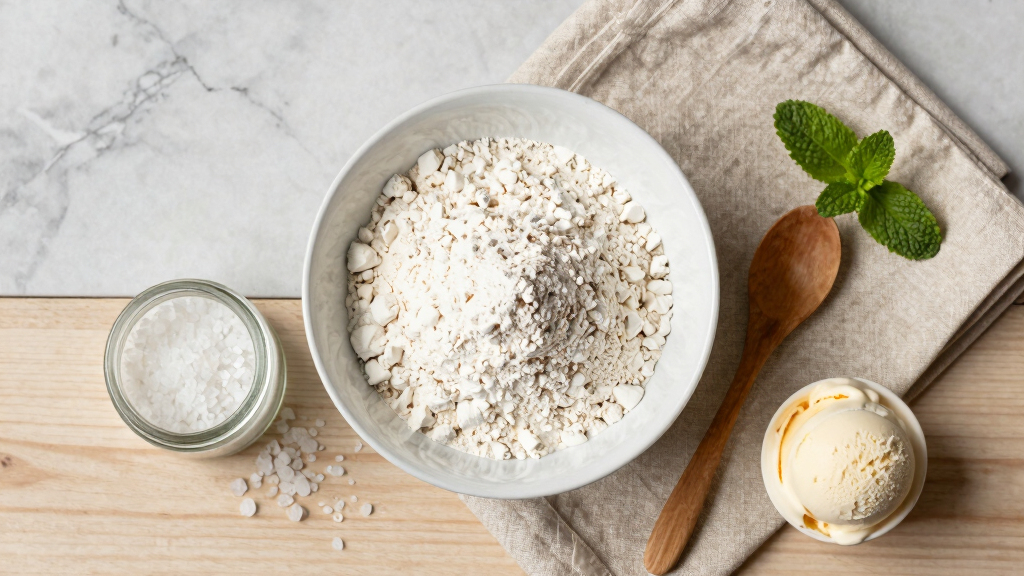
Choosing the right salt depends on your goal. For baking, fine salt is most reliable for consistent results because it dissolves evenly and measures accurately. Specialty salts add visual interest and unique mineral flavors but should be used carefully, as their stronger mineral notes and larger grains can alter the intended flavor balance if overused. Understanding the characteristics helps in making intentional choices that complement your recipe’s flavor profile and texture.
best salt for sweet baked goods
As an affiliate, we earn on qualifying purchases.
As an affiliate, we earn on qualifying purchases.
How much salt should you add? The perfect guideline for sweet baking
- Start with 1/4 teaspoon for a batch of cookies or cake batter. This amount is enough to subtly enhance flavor without risking overpowering the sweetness or altering texture.
- Adjust up to 1 teaspoon for larger recipes or richer flavors. Larger quantities can be beneficial in recipes with a lot of butter or chocolate, where more salt helps balance the richness.
- Taste the batter or dough if possible—adding a tiny pinch can make a big impact. Tasting at this stage allows you to gauge the salt level and make adjustments before baking, which is more forgiving than fixing after the fact.
- Remember: less is more. It’s easier to add more than to fix over-salted baked goods. Over-salting can quickly ruin the flavor, so gradual adjustments are key.
- In recipes with lots of chocolate or fruit, lean toward the lower end of the scale. These ingredients are naturally sweet, and too much salt can compete with their flavor, so moderation ensures a balanced result.
For example, a standard 24-cookie batch often calls for 1/2 teaspoon of salt. Reducing to 1/4 teaspoon still enhances flavor and maintains the delicate balance, preventing the salt from overpowering the sweetness or changing the texture.
baking salt shaker
As an affiliate, we earn on qualifying purchases.
As an affiliate, we earn on qualifying purchases.
What happens if you skip or use too much salt?
If you omit salt entirely, your baked goods might taste bland, flat, or lack depth. Salt acts as a flavor enhancer, and without it, the natural flavors of your ingredients—like butter, chocolate, or fruit—can become muted or dull. This can make even the most flavorful recipes fall flat because salt’s role in amplifying and balancing flavors is missing.
Overdoing it can make a dessert taste salty and overpower the sweetness, disrupting the intended flavor harmony. For instance, adding 2 teaspoons of salt in a small batch can turn a sweet cake into an overly salty one, masking the subtle complexities of the ingredients. Excessive salt can also affect the texture, making baked goods denser or tougher due to its influence on gluten development.
It’s all about balance. A small, measured amount of salt enhances and rounds out flavors, while too much can overshadow the other ingredients and ruin the overall experience. The tradeoff is that the right amount can elevate your baking, but overuse can spoil it.
Health considerations: how to use salt wisely in sweet baking
While salt is essential for flavor, excessive use can have health implications. Consuming too much sodium is linked to high blood pressure, heart disease, and other health issues. Most dietary guidelines recommend limiting sodium intake to about 2,300 milligrams daily, which roughly equates to about 1 teaspoon of table salt.
In baking, sticking to 1/4 to 1 teaspoon per batch allows you to enjoy the flavor benefits without significantly increasing your daily intake. This careful measurement helps prevent overconsumption, especially if you bake frequently or prepare multiple batches. For those on low-sodium diets, reducing salt further is advisable, but it can require additional flavor adjustments—like using natural flavor enhancers such as vanilla or spices—to compensate for the reduced saltiness.
Remember, you can always add a pinch more after baking if needed—taste as you go. This incremental approach ensures you enjoy flavorful baked goods while maintaining your health priorities.
Frequently Asked Questions
Can I omit salt in my sweet baked goods?
While you can, omitting salt often results in a flatter, less vibrant flavor. Adding a small amount—around 1/8 to 1/4 teaspoon—can make a noticeable difference without overpowering the sweetness. This small addition helps to enhance and balance the flavors, preventing them from feeling dull or insipid. The tradeoff is that without salt, some subtle nuances of flavor may be lost, making your baked goods less complex and satisfying. Therefore, even a tiny pinch can be beneficial for achieving a well-rounded, flavorful result.
How do I adjust salt if I’m using coarse or specialty salts?
Coarse salts are less dense, so you’ll need to use about 1.5 times the amount of fine salt to achieve the same level of saltiness. For example, if a recipe calls for 1/4 teaspoon of fine salt, you might use about 3/8 teaspoon of coarse salt, adjusting based on taste. For specialty salts like fleur de sel or Himalayan pink salt, start with a very small pinch and taste before adding more. These salts often have a stronger mineral flavor and larger crystals, so they can impart more flavor with less volume. Carefully measuring and tasting as you go helps prevent overpowering your baked goods and ensures the salt complements rather than dominates the flavor profile.
Does salt affect the texture of my baked goods?
Yes, salt influences gluten development and yeast activity, which can affect the texture and rise of baked goods. Proper measurement ensures a tender crumb and good volume, especially in yeasted or rich desserts. Salt strengthens gluten networks, providing structure, but too much can make baked goods dense or tough. Conversely, too little can result in a weak structure and bland flavor. Understanding this balance allows you to optimize the texture—achieving a delicate crumb in cakes or a chewy bite in cookies—while ensuring the flavor is well-rounded. Precise measurement is key to managing these effects effectively.
Is there a health risk in using salt in baking?
Excessive salt intake is linked to health issues like high blood pressure and cardiovascular problems. While small amounts used in baking—such as 1/4 to 1 teaspoon per batch—are unlikely to pose significant health risks, habitual overuse can contribute to excessive sodium consumption. The key is moderation and awareness of your overall diet. Using measured amounts in baking helps you enjoy the flavor benefits without exceeding recommended daily limits. For those on low-sodium diets, exploring alternative flavor enhancers like vanilla, spices, or herbs can help compensate for reduced salt without sacrificing taste.
Conclusion
In sweet baking, salt is the unsung hero. It’s the secret ingredient that turns simple ingredients into memorable desserts.
Next time you bake, remember: a pinch of salt isn’t just about flavor—it’s about harmony, depth, and that perfect bite. Trust your taste buds, measure thoughtfully, and enjoy the richer, more balanced sweetness you create.