TL;DR
This sugar swap chart simplifies baking substitutions with precise ratios and tips. It helps you swap sugars confidently, ensuring consistent results and healthier options.
Ever reach for a recipe, only to find you’re out of white sugar? Or maybe you want a healthier twist but aren’t sure how a switch will affect your bake. That’s where a clear sugar swap chart becomes your best friend in the kitchen.
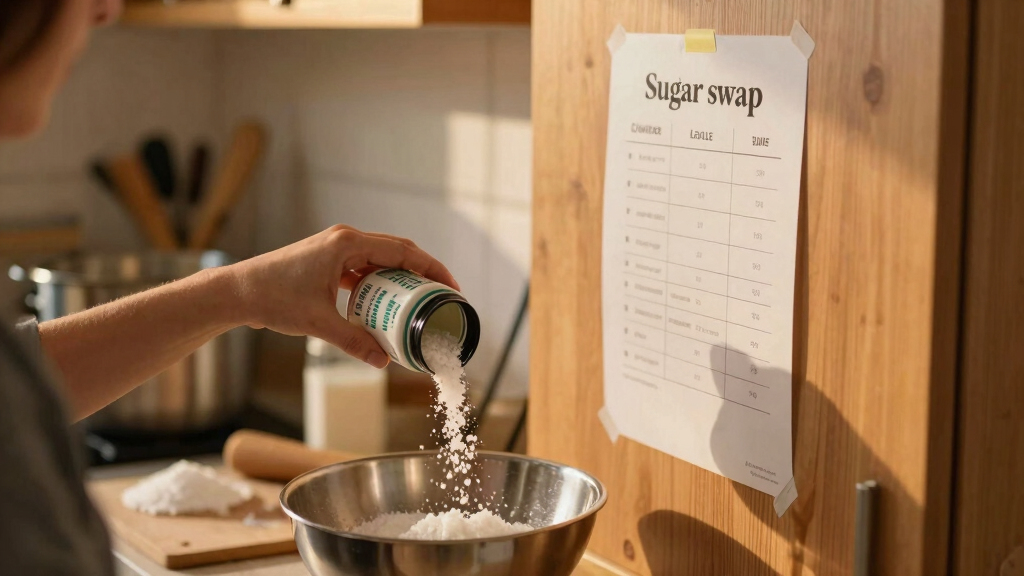
This handy guide isn’t just about replacing ingredients; it’s about understanding how each sweetener influences flavor, moisture, and texture. With it taped to your cupboard, you’ll turn any baking challenge into a confident experiment, with predictable, delicious results.
Having a visual sugar swap chart reduces guesswork and boosts baking confidence.
Adjust moisture and liquids when replacing sugar with liquid sweeteners like honey or maple syrup.
Sweetness varies—use less honey than sugar to avoid over-sweetening.
Each sugar type influences flavor and texture uniquely; understanding these helps perfect your recipes.
Tape the chart on your cupboard for instant access and stress-free improvisation.
Why Every Baker Needs a Sugar Swap Chart
A sugar swap chart is your quick-reference tool for transforming recipes on the fly. Whether you’re out of brown sugar or want to reduce refined sugar, it shows you the exact ratios to use. Imagine baking a batch of cookies and realizing you only have honey—this chart tells you exactly how to make that substitution without ruining your treat.
It’s a game-changer for those who love flexibility and want healthier options. Plus, it saves time, prevents guesswork, and helps you understand how different sweeteners behave in baking. According to an anonymous researcher, having a visual guide increases your confidence and consistency in the kitchen.
baking sugar substitution chart
As an affiliate, we earn on qualifying purchases.
As an affiliate, we earn on qualifying purchases.
The Main Types of Sugars and Sweeteners Covered
This chart includes common sugars and natural liquid sweeteners. Here’s what you’ll see:
- Granulated white sugar
- Brown sugar (light and dark)
- Powdered sugar
- Honey
- Maple syrup
- Coconut sugar
- Agave nectar
- Other liquids like corn syrup and molasses
Each has unique properties—some add moisture, others deepen flavor, and some are sweeter than you think. Understanding these differences helps you tweak recipes without surprises.
kitchen sugar swap guide
As an affiliate, we earn on qualifying purchases.
As an affiliate, we earn on qualifying purchases.
How to Convert Sugars and Liquids – The Exact Ratios
The heart of the chart is the conversion ratios. Here’s a quick guide:
| Original Sugar | Replacement | Ratio |
|---|---|---|
| 1 cup granulated sugar | 1 cup honey | Use 3/4 cup honey (reduce liquids by 1/4 cup) |
| 1 cup granulated sugar | 1 cup maple syrup | Use 3/4 cup maple syrup (reduce liquids by 1/4 cup) |
| 1 cup brown sugar | 1 cup coconut sugar | 1:1 substitution, but expect a slightly drier texture |
Remember, liquid sweeteners are sweeter, so use less to avoid over-sweetening. Adjusting for moisture is crucial because excess liquid can lead to dense, greasy, or overly moist baked goods, which might not set properly or could spoil faster. Conversely, underestimating sweetness might result in bland treats. Fine-tuning these ratios ensures your baked goods maintain the right balance of flavor, moisture, and structure. Always taste and adjust accordingly, especially when experimenting with new substitutions.
For example, if you swap honey for sugar, cut back on other liquids and watch your baking time—liquid sweeteners tend to brown faster and can cause over-baking if not monitored.
baking conversion ratios chart
As an affiliate, we earn on qualifying purchases.
As an affiliate, we earn on qualifying purchases.
Sweetness Levels: Why It Matters When Swapping Sugars
Not all sugars are equally sweet. Honey is about 1.5 times sweeter than granulated sugar, meaning you need less of it to reach the same sweetness. Maple syrup is slightly less sweet than honey but still more concentrated than sugar.
This difference in sweetness impacts your measurements and the overall flavor profile of your baked goods. Using too much liquid sweetener, like honey or syrup, without adjusting other ingredients, can lead to overly dense, moist, or sticky textures, which might not set properly or could cause spreading in cookies. Conversely, using too little might leave your treats less flavorful or under-sweetened, affecting taste and enjoyment.
Understanding these differences allows you to make informed adjustments, ensuring your baked goods are perfectly balanced. It also helps you decide whether to add extra flavoring or modify baking times to compensate for the sweeter or milder profile of your chosen sweetener. This knowledge empowers you to craft treats that are not only sweet enough but also have the desired texture and appearance.
baking measurement conversion chart
As an affiliate, we earn on qualifying purchases.
As an affiliate, we earn on qualifying purchases.
Adjusting for Moisture and Texture When Swapping Sugars
Liquid sweeteners add moisture and can significantly change the texture of your baked goods. When replacing granulated sugar with honey or maple syrup, it’s essential to reduce other liquids in your recipe—typically by about 1/4 cup for each cup of syrup used—to maintain the correct batter or dough consistency. Failing to do so can result in dense, greasy, or overly moist baked items that may not hold their shape or could spoil faster due to excess moisture.
For example, if you’re making muffins and substitute honey, reducing milk or oil helps prevent them from turning out dense or greasy. If you forget, your final product might spread too much or be overly moist, compromising texture and appearance. Think of it as balancing a scale—adding moisture on one side and removing it from another keeps your baked goods just right. Adjusting these elements ensures your treats have the proper rise, crumb, and mouthfeel, making your baking reliably delicious every time.
Common Mistakes When Swapping Sugars and How to Avoid Them
It’s easy to slip up when changing sugars—here’s what to watch out for:
- Using too much liquid sweetener without adjusting liquids elsewhere, which can lead to dense or overly moist baked goods that don’t set properly.
- Ignoring sweetness differences—adding too much honey or syrup can overpower flavors and alter the intended taste profile.
- Not adjusting baking time—liquid sweeteners brown faster, so baked goods may over-brown or burn if not monitored carefully.
- Assuming all sugars behave the same—brown sugar adds moisture and caramel notes, white sugar is more neutral, and each impacts texture differently. Overlooking these nuances can result in unexpected outcomes.
The fix? Follow ratios carefully, taste test if possible, and keep an eye on your baking times. Small experiments and adjustments can prevent or fix common pitfalls, leading to more consistent and successful results every time.
Real-Life Examples: When Swaps Save or Spoil Your Bakes
Imagine you’re baking oatmeal cookies, out of molasses and brown sugar but out of brown sugar. Using this chart, you’d swap in coconut sugar 1:1 for sweetness, but add a touch of molasses or vanilla to keep that rich flavor. Coconut sugar’s caramel notes help mimic brown sugar’s depth, and the addition of molasses enhances that flavor profile, resulting in tender, flavorful cookies—no compromise.
On the flip side, a quick substitution of honey in a delicate sponge cake without adjusting liquids can make it dense, sticky, or cause it to collapse. That’s why understanding your ingredients, their interactions, and following ratios matter. Sometimes, a small tweak can turn a baking disaster into a perfect finish, or vice versa.
These real examples show that a little knowledge and a handy chart turn “oops” moments into baking wins. Recognizing the implications of each substitution helps prevent common pitfalls and ensures your baked goods turn out just as you envisioned.
The Bottom Line: Keep Your Cupboard Ready for Anything
Once you tape this sugar swap chart to your cupboard, you eliminate guesswork. It’s your secret weapon for improvising, adjusting, and experimenting with confidence. No more last-minute runs to the store or surprise flavor mishaps.
Remember, each sweetener brings something unique—flavor, moisture, or sweetness level. Use the chart to match your goals, whether it’s healthier baking or simply making do with what’s on hand. Understanding the tradeoffs allows you to choose wisely, balancing flavor, texture, and health benefits as needed.
So, next time you’re staring at your jars and bottles, reach for the chart. Your baked goods will thank you.
Frequently Asked Questions
Can I swap honey for sugar in all recipes?
Mostly yes, but you’ll need to adjust liquids and baking time. Honey is sweeter and adds moisture, so reduce other liquids and watch your oven for faster browning.
How do I convert brown sugar to white sugar?
Generally, you can substitute 1:1, but expect a drier texture and less caramel flavor. Adding a splash of molasses can mimic brown sugar’s richness if desired.
What’s the best substitute for powdered sugar?
You can blend granulated sugar with a tiny bit of cornstarch to make your own powdered sugar or look for powdered sugar substitutes in health stores. For quick baking, blending works well.
Are liquid sweeteners suitable for all baking?
They work well in many recipes, especially moist ones like muffins or quick breads. Just remember to adjust liquids and baking time to prevent over-browning or dense textures.
How does using alternative sugars affect nutrition?
Many, like coconut sugar or agave, have lower glycemic indexes than white sugar. They might also contain trace minerals, but overall, portion size still matters for health.
Conclusion
Keep this chart handy, and suddenly, you’re no longer stuck with what’s in your pantry. Instead, you become a more adaptable, confident baker—ready for any ingredient surprise or health-conscious choice.
Picture your kitchen as a playground of flavors, where swaps are just part of the fun. With a simple reference, you’ll turn everyday baking into an easy, creative adventure.