
TL;DR

Get baking supplies delivered free — and shop member deals
- Fast, free delivery on millions of items
- Access to Prime Big Deal Days deals on October 6–7
- Prime Video, Amazon Music and more included
Most baked goods stay fresh at room temperature for a few days. Refrigeration extends shelf life for perishable items but can cause staling or dryness. Freezing is often the best long-term solution.
You’ve probably heard that you should refrigerate everything after baking. But that’s not always true. Sometimes, sticking baked goods in the fridge can actually make them lose their soft texture or become stale faster.
Understanding when and how to refrigerate baked treats matters—especially if you want to preserve flavor, avoid waste, and keep your baked goods tasting their best. This guide dives into the real science and practical tips, so you can decide whether to store your treats at room temp or in the fridge.
Most baked goods are best stored at room temperature for 1-3 days unless they contain perishable fillings or toppings.
Refrigeration can cause cookies and bread to become stale faster due to moisture loss, so use it only when necessary.
Wrapping baked goods tightly before refrigerating prevents drying out and preserves flavor.
Freezing is often a better option than refrigeration for extending shelf life without sacrificing texture.
Reheat refrigerated baked goods briefly in an oven or microwave to restore moisture and improve taste.
Why Refrigeration Isn’t a One-Size-Fits-All for Baked Goods
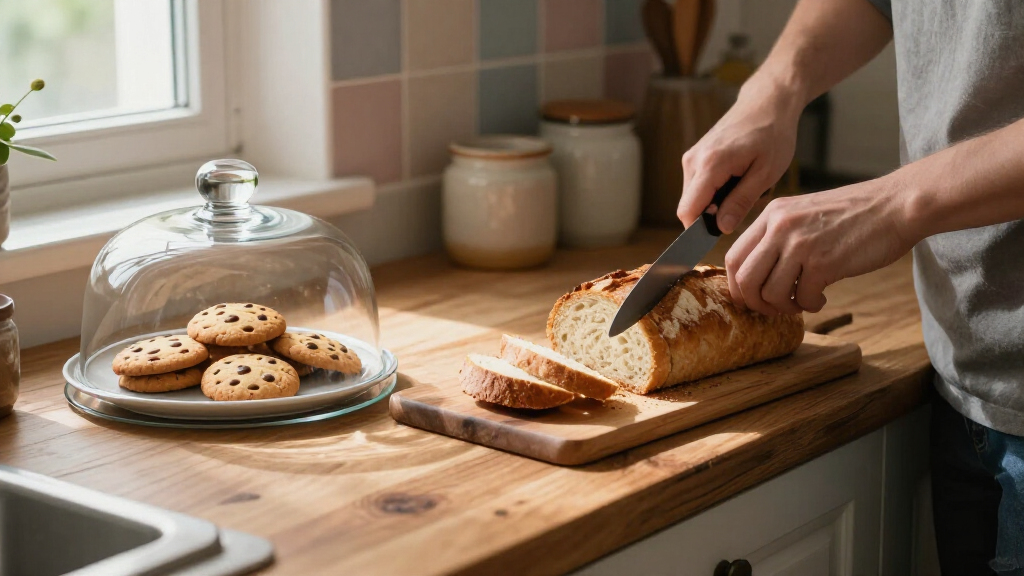
The first thing to know: not every baked good benefits from refrigeration. In fact, many items are better stored at room temperature. For example, cookies, bread, and most pastries are designed to stay fresh on your countertop for a few days.
Refrigeration is mainly useful for baked goods with perishable fillings or toppings—think cream, fresh fruit, or custard. These ingredients spoil quickly, and refrigeration keeps them safe to eat. But for items like simple cakes or cookies, the cold can zap moisture, making them dry and crumbly.
An everyday scenario: you bake a batch of chocolate chip cookies. If they contain no filling, they’ll stay soft and flavorful at room temp for up to a week. But if you refrigerate them, they might lose moisture and turn stale faster. Knowing the purpose of refrigeration helps you avoid unnecessary staling.
reusable plastic wrap for baked goods
As an affiliate, we earn on qualifying purchases.
As an affiliate, we earn on qualifying purchases.
How Refrigeration Changes the Texture and Flavor of Your Baked Goods
Refrigerating baked goods can be a double-edged sword. While it slows microbial growth and keeps perishable fillings safe, it often causes unintended changes. The most common? Dryness and staleness. Cookies, especially, lose their crispness and become chewy or crumbly after chilling.
Imagine a freshly baked scone. It’s warm, buttery, and flaky. Once refrigerated, it becomes denser, and the delicate layers collapse. Similarly, bread can become tough and dry when stored cold for too long.
However, some items respond well to refrigeration. Cheesecakes or cream-filled pastries stay fresh and safe from spoilage, but they usually need to be wrapped tightly to prevent absorbing fridge odors or developing a soggy crust.
Understanding these effects is crucial because it highlights the importance of matching storage methods to the specific type of baked good. The tradeoff is often between safety, freshness, and texture—refrigeration can prolong safety but at the expense of quality for certain items. Recognizing these nuances helps you prevent unintentional staling or texture degradation, ensuring your baked goods taste as intended.
Here’s a quick comparison:
| Baked Good | Refrigeration Effect | Best Storage |
|---|---|---|
| Cookies (no filling) | Dry out, stale faster | Room temp in an airtight container |
| Bread | Stales quickly, becomes tough | Room temp or freezing for long-term |
| Cakes with cream or fruit | Prevents spoilage, maintains safety | Refrigerate, wrapped tightly |
As an affiliate, we earn on qualifying purchases.
Practical Tips for Refrigerating Baked Goods Without Ruining Them
Refrigerating isn’t just about sticking something in the fridge. It’s about doing it right. Here are five practical tips:
- Cool completely: Always let baked goods reach room temperature before refrigerating. Condensation can make them soggy.
- Wrap tightly: Use plastic wrap, foil, or airtight containers. This keeps moisture in and odors out.
- Label and date: Keep track of how long items have been refrigerated, especially if they contain perishable fillings.
- Don’t over-refrigerate: Most baked items last 3-5 days in the fridge. Beyond that, quality drops significantly.
- Reheat to refresh: Warm cookies or cakes briefly in an oven or microwave to restore moisture and improve texture.
Example: you baked a cheesecake on Sunday. Wrap it tightly with plastic wrap, store it in a sealed container, and refrigerate. When you’re ready to serve, give it a 10-minute warm-up in the oven to soften the cream cheese and bring out its flavor.
As an affiliate, we earn on qualifying purchases.
When Freezing Is Better Than Refrigerating for Long-Term Storage
If you want to keep baked goods fresh for more than a week, freezing is the way to go. Freezing locks in moisture and flavor, preventing staleness and spoilage.
For example, a loaf of banana bread can be frozen sliced or whole. Wrap it tightly in plastic wrap and store it in a resealable bag or airtight container. When ready, thaw at room temperature or warm gently in the oven.
Compared to refrigeration, freezing maintains the original texture better—especially for bread and cookies. Plus, it’s easy to portion out small servings without thawing everything at once.
Key tip: label your frozen baked goods with date and contents. Most items stay good for 3-6 months, depending on the type.
Understanding the tradeoffs helps you choose the best storage method. Freezing can preserve the original texture and flavor far better than refrigeration, which might cause moisture loss or staling if not done carefully. The decision to freeze should be based on how long you want to store the item and whether maintaining the original freshness is a priority.
As an affiliate, we earn on qualifying purchases.
Frequently Asked Questions
Should I refrigerate my cookies?
Most cookies without fillings are best left at room temperature in an airtight container for up to a week. Refrigerating them can cause dryness and staleness. Save fridge space for items with perishable ingredients.
How long can baked goods stay fresh at room temperature?
Typically, baked goods stay fresh for 1-3 days at room temperature. Factors like ingredients, humidity, and packaging affect this. For longer storage, consider freezing or refrigeration when appropriate.
Will refrigeration make my baked goods stale?
Often, yes. Cookies and bread tend to dry out or become tough when chilled. Proper wrapping can help, but for best texture, store these at room temp if you plan to eat them soon.
Can I freeze baked goods?
Absolutely. Freezing preserves baked goods for 3-6 months, often better than refrigeration. Wrap items tightly, label with date, and thaw at room temp or gently reheat before serving.
How do I reheat refrigerated baked goods?
Use a microwave for quick warming—about 10-15 seconds for cookies—or an oven at low temperature (around 300°F) for 10-15 minutes to restore moisture and crispness.
Conclusion
Knowing when to refrigerate baked goods isn’t about following rules — it’s about understanding their ingredients and how they respond to cold. When in doubt, remember: many treats prefer staying at room temperature for maximum flavor and texture. But for those with perishables or long-term plans, refrigeration and freezing are your best allies.
Next time you bake, think about your end goal. Will it be a quick snack or a week-long dessert? That choice determines whether your goodies stay soft, moist, and delicious or turn dry and stale. Keep that in mind, and your baked goods will always taste their best.
Fall Picks
fall essentials
As an affiliate, we earn on qualifying purchases.