
TL;DR

Get baking supplies delivered free — and shop member deals
- Fast, free delivery on millions of items
- Access to Prime Big Deal Days deals on October 6–7
- Prime Video, Amazon Music and more included
Flatbreads are some of the oldest, most adaptable breads around. Most are quick to make, require minimal ingredients, and can be baked, grilled, or cooked on a skillet. They’re perfect for trying new flavors and cuisines at home tonight.
Imagine pulling a warm, fragrant flatbread from your oven tonight. The soft, chewy texture, the golden bubbles, the smell of toasted flour—nothing beats the aroma of a freshly baked flatbread. Whether it’s a crisp tortilla or a fluffy naan, these breads pack a punch of flavor and culture in every bite.
Today, you don’t need a bakery or special equipment to enjoy authentic flatbreads from around the world. With simple ingredients and a few tips, you can whip up a variety of flatbreads that turn any dinner into a culinary adventure. Ready to bake something new tonight? Let’s explore the most delicious, easy-to-make flatbreads you can try at home.
Most flatbreads are quick, simple, and require minimal ingredients—perfect for weeknight baking.
You can easily adapt flatbreads to be healthier with whole grains, gluten-free flours, or added seeds and herbs.
Trying different types of flatbreads from around the world can inspire new flavors and textures in your kitchen.
A hot skillet, baking stone, or oven is your best friend for crispy or soft flatbreads—adjust heat and thickness accordingly.
Flatbreads are versatile: serve them as wraps, scoops, snacks, or standalone bread with your favorite toppings.
What is a flatbread—and why are they so versatile?
Flatbreads are thin, often unleavened or lightly leavened breads that are cooked quickly, usually on a hot surface or in the oven. They are foundational foods in many cultures because of their simplicity and adaptability. Their versatility lies in their ability to serve as a base, a vessel, or a snack—making them invaluable in both everyday meals and special dishes.
For example, a soft pita can hold a medley of fillings, transforming into a portable meal that balances flavors and textures. A crispy tortilla can be folded into a taco or used as a scoop for dips, offering a satisfying crunch that complements various ingredients. Naan, with its chewy texture, can be plain or topped with garlic, herbs, or cheese, providing a rich, flavorful experience. The underlying reason for their versatility is that flatbreads are inherently neutral—they adapt easily to different seasonings, fillings, and cooking methods—so understanding their basic nature helps you leverage their full potential in your kitchen.
As an affiliate, we earn on qualifying purchases.
How to make a basic flatbread in 4 simple steps
- Mix flour, water, salt, and a little oil or yogurt in a bowl until a soft dough forms. This step is fundamental because the balance of ingredients influences the dough’s elasticity, flavor, and texture. Using yogurt or oil can add tenderness and flavor, but overmixing can make the dough tough—so gentle handling is key.
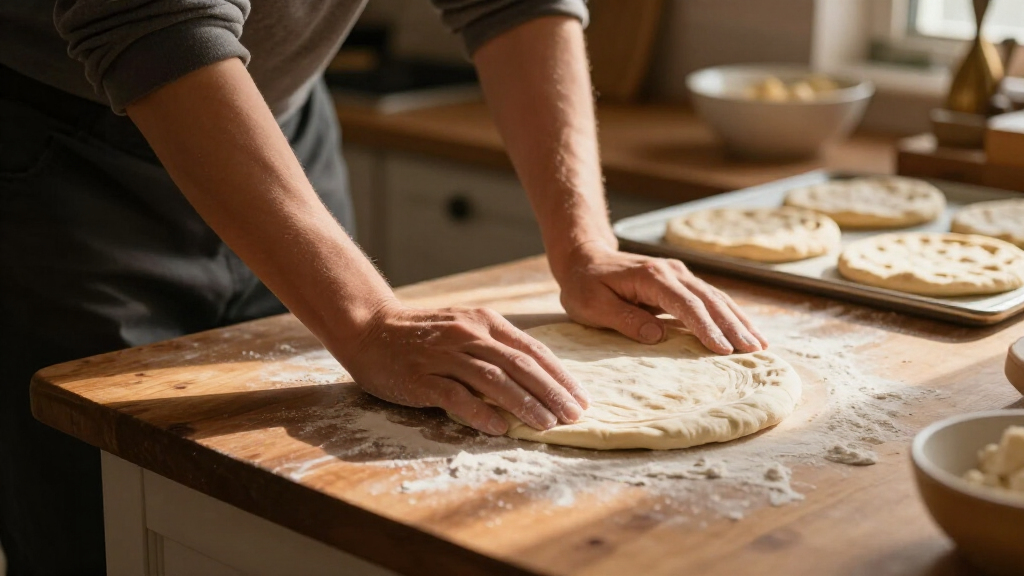
- Knead for 5 minutes until smooth. Rest for 10-15 minutes to relax the gluten strands, which makes rolling out easier and results in a more tender flatbread. Skipping this step can lead to uneven textures or difficulty in shaping the dough.
- Divide into small balls and roll out thin with a rolling pin. The thinness affects the final texture—too thick, and it may stay doughy; too thin, and it might tear. Practice helps gauge the right thickness for desired crispiness or chewiness.
- Cook on a hot skillet or baking stone until bubbly and golden—about 2-3 minutes per side. The high heat creates Maillard reactions, giving the bread flavor and color. Timing and temperature control are crucial; too low, and the flatbread can be limp, too high, and it might burn before cooking through.
Say you’re making a quick batch of tortillas. The dough comes together in minutes, gets rolled out into thin rounds, then cooked on a dry skillet until puffed and browned. That’s it. Understanding these steps and their importance helps you troubleshoot and adapt as needed, ensuring your flatbreads turn out delicious every time.
As an affiliate, we earn on qualifying purchases.
Explore 6 iconic flatbreads you can bake tonight
| Flatbread | Region | Key Ingredient | Texture & Use |
|---|---|---|---|
| Naan | India | Yogurt & ghee | Soft, chewy, perfect for dipping or stuffing |
| Pita | Middle East | Yeast, flour | Puffed, pocketed—great for fillings |
| Tortilla | Mexico | Corn or wheat flour | Thin, flexible—ideal for wraps and tacos |
| Lavash | Armenia | Flour, water, salt | Thin, crispy or soft, used as a wrap or snack |
| Injera | Ethiopia | Teff flour | Spongy, slightly sour—serves as a plate and bread |
| Focaccia | Italy | Olive oil, herbs | Thick, airy, topped with herbs or veggies |
Each of these flatbreads uses simple ingredients but offers a unique texture and flavor profile. For instance, naan’s yeasty softness pairs beautifully with curries, while crispy lavash is perfect for scooping up dips. The beauty? You can make any of these tonight with just a few basic staples and a hot skillet or oven. Recognizing the differences in ingredients and techniques not only helps in choosing the right bread for your meal but also deepens your appreciation for how cultural nuances influence texture and flavor. For example, the use of yogurt in naan adds moisture and a slight tang, which balances rich curries, while the use of corn in tortillas imparts a distinct sweetness and firmness suited for handheld tacos. Exploring these variations allows you to select the perfect flatbread to match your mood, ingredients, or dietary needs.
As an affiliate, we earn on qualifying purchases.
Tips for making flatbreads crispy, chewy, or soft — your way!
- For crispy flatbreads: Use a hot pizza stone or cast-iron skillet. Roll very thin and cook at high heat until bubbles form. The high temperature causes rapid Maillard reactions, creating a delightful crunch and flavor. Thinner dough and higher heat are tradeoffs—too thin or too hot can burn quickly, so adjusting based on your equipment is essential.
- For soft, chewy textures: Incorporate yogurt or a splash of oil into the dough. Cover while cooking or baking for a tender crust. The moisture and fat content help develop a tender crumb, but overworking the dough can lead to a tough texture—balance is key.
- To add flavor: Mix herbs, garlic, or spices into the dough or sprinkle on top before baking. This enhances the sensory experience and can complement fillings or dips, elevating simple flatbreads into flavorful accompaniments.
- Storage tips: Keep flatbreads in an airtight container at room temperature for a day or two, or freeze to preserve freshness. When reheating, a quick stint in a hot skillet can restore some of their original texture and aroma, making leftovers almost as good as fresh.
Imagine making a batch of naan with garlic and cilantro. The dough is simple, but adding herbs elevates the flavor. A hot skillet makes it blister and brown just right, giving it that irresistible aroma and texture. These techniques allow you to customize flatbreads to your preferences, whether you want them crisp, tender, or flavored—each method offers a different culinary experience.
As an affiliate, we earn on qualifying purchases.
Making flatbreads healthier without losing flavor
Switching to whole grain or ancient grains like spelt or einkorn can boost fiber and nutrients without sacrificing taste. These grains often have a richer, nuttier flavor that enhances the overall profile of your flatbread, making it more satisfying and nutritious. You can also swap out some of the flour for chickpea or rice flour for gluten-free options, which not only accommodate dietary restrictions but also introduce new textures and flavors—creamy, nutty, or slightly earthy—that add depth to your breads. Using olive oil or adding seeds like sesame or flax gives extra flavor and crunch, making each bite more interesting and nutrient-dense. For example, a whole wheat naan retains its soft chewiness but adds more fiber, supporting digestion and sustained energy. Or, try a gluten-free tortilla made with almond flour and a touch of tapioca for elasticity; these alternatives can be just as versatile and delicious with the right techniques. The key? Keep the dough moist and don’t overbake—this preserves moisture and flavor, ensuring your healthier flatbreads are just as enjoyable as traditional versions.
Bake tonight — your flatbread adventure awaits!
With just a handful of ingredients and a hot skillet or oven, you can create a variety of flatbreads that bring the world to your table. Experiment with flavors, textures, and toppings. Whether you’re making a quick snack or a full meal, flatbreads are your blank canvas.
Picture yourself tearing into a warm, crispy tortilla or scooping up a tender slice of garlic naan. It’s simple, satisfying, and opens up endless culinary possibilities.
Frequently Asked Questions
Can I make flatbreads dairy-free?
Absolutely. You can omit dairy ingredients like yogurt or butter and replace them with water, plant-based milk, or oil. Many flatbreads, such as tortillas or lavash, are naturally dairy-free and just as tasty.
How long do flatbreads stay fresh?
Most flatbreads stay good at room temperature for 1-2 days if stored in an airtight container. To keep them longer, freeze them wrapped tightly and reheat directly in a hot skillet or oven.
Are flatbreads suitable for gluten-free diets?
Yes, many flatbreads can be made gluten-free using rice, chickpea, or almond flours. Keep in mind, the texture may differ from traditional wheat-based versions, but with some experimentation, you can find a tasty alternative.
What’s the best way to get flatbreads crispy?
Preheat your skillet or baking stone until very hot. Roll the dough very thin and cook at high heat, flipping once bubbles form. This creates a beautifully crispy exterior with a chewy interior. Adjusting the thickness and cooking time based on your equipment will help you perfect the crispness you desire.
Conclusion
Flatbreads are more than ancient staples—they’re your ticket to quick, flavorful, and healthful baking adventures. With just a few ingredients and a hot pan, you can bring entire cuisines into your home tonight. So, why not start with one of these recipes and see where your kitchen takes you?
Imagine the smell of freshly baked bread filling your space, a warm, comforting scent that invites everyone to the table. Flatbreads are simple, versatile, and fun—your next culinary creation is just a dough ball away.
Fall Picks
fall essentials
As an affiliate, we earn on qualifying purchases.