
TL;DR
The creaming method involves beating butter and sugar until light and fluffy, incorporating air that makes cakes rise and stay tender. Proper execution can double the batter’s volume and dramatically improve cake texture. Skipping or rushing this step often results in dense, heavy baked goods.
Imagine biting into a slice of cake that melts in your mouth—light, fluffy, and perfectly tender. Now picture one that’s dense, heavy, with a texture more like a brick. The secret lies in a simple, yet often misunderstood step: the creaming method. This technique is the heartbeat of many classic cakes, and mastering it can instantly elevate your baking game.
In this guide, we’ll explore what makes the creaming method so vital, how to do it right, and common pitfalls that can turn your cake from airy to brick-like. Whether you’re a seasoned baker or just starting out, understanding this step unlocks the door to consistently perfect cakes.
Proper creaming doubles or triples the batter’s volume, creating a light crumb.
Use room-temperature butter and sugar for even, fluffy results.
Avoid rushing or overmixing after creaming to keep the air trapped.
Creaming is the foundation for most light cakes—don’t skip this step.
Understanding the difference between creaming, folding, and stirring helps tailor your technique.
The Creaming Method: The Step That Separates Light Cakes From Bricks
TL;DR: Beating softened butter with sugar traps microscopic air pockets. Those pockets expand in the oven, helping cakes rise higher, stay tender, and avoid the dense texture that happens when this step is skipped or rushed.
Light cake starts before the flour ever enters the bowl.
Why Creaming Works
The method is simple: softened butter plus granulated sugar, beaten until fluffy. The science is more powerful: sugar crystals carve tiny channels through the butter, creating air cells that become lift, tenderness, and a finer crumb.
Air gets built into the fat
Butter holds small pockets of air when beaten correctly. In the oven, those pockets expand and support the cake’s rise.
Sugar shapes the crumb
Granulated sugar helps create structure during mixing, giving cakes a lighter, more even interior.
Timing protects softness
Cream well before flour, then mix gently afterward. That keeps air in and prevents excess gluten development.
Three-Step Method
The goal is not speed. The goal is a pale, silky, expanded butter-sugar mixture that can carry the rest of the batter without collapsing.
Soften Butter
Use room-temperature butter around 65°F. Cold butter resists aeration; melted butter cannot trap air.
Beat Evenly
Use a stand mixer or hand mixer at medium speed so the fat and sugar are thoroughly worked together.
Stop on Cue
After 3-5 minutes, look for pale color, silky texture, and roughly doubled volume.
Creaming vs. Other Mixing Techniques
Not every mixing method has the same job. Creaming builds air into fat; folding preserves existing air; stirring combines quickly with minimal structure.
| Technique | What it involves | Primary purpose | Best uses | Light cake signal |
|---|---|---|---|---|
| Creaming Method | Beating butter and sugar until pale, fluffy, and expanded. | ✓ Builds air into the batter foundation. | Layer cakes, pound cakes, cookies, muffins. | ✓ Essential for airy crumb. |
| Folding | Gently turning flour or foam into a delicate mixture. | ~ Preserves air already created elsewhere. | Angel food cakes, sponge cakes, souffles. | ~ Useful, but not a creaming substitute. |
| Stirring | Combining ingredients by hand with low agitation. | ✗ Little intentional aeration. | Quick breads, pancakes, dense batters. | ✗ Can produce heavier textures. |
Common Mistakes That Turn Cake Heavy
Most dense cakes do not fail at the end. They fail early, when butter is too cold, the mixer stops too soon, or the batter is overworked after flour goes in.
Butter that resists mixing
Cold butter stays hard in pieces and cannot hold enough air. Softened is flexible; melted is too far gone.
Stopping before pale and fluffy
Under-creaming leaves the batter flat. The mixture should visibly expand before eggs or flour are added.
Beating hard after flour
Once flour enters, heavy mixing develops gluten and can push the cake toward toughness.
Unsteady baking temperature
A too-hot oven can make a cake rise then collapse; opening the door early can trigger a sudden sink.
Troubleshooting Dense Cake
If your cake still feels heavy after creaming, follow the chain. Texture problems usually connect back to temperature, timing, flour handling, or oven stability.
Fast Diagnostic
- Butter pressed softly but did not look greasy.
- Mixture became pale and visibly larger.
- Eggs and milk were room temperature.
- Flour was mixed only until combined.
- Oven door stayed closed during early rise.
Best Cue
Do not cream by the clock alone. Use time as a guide, then trust the visual change: pale color, fluffy texture, and about doubled volume. That is the point where the batter has enough air to start light.
Traceability: From Butter Bowl to Tender Slice
Each concept depends on the one before it. Miss the first link, and the final texture pays for it.
Can I over-cream?
Yes. Too much air can make structure fragile and prone to collapse. Stop when the mixture is pale, fluffy, and expanded.
No electric mixer?
A whisk or wooden spoon can work, but it takes longer. Keep going until the mixture looks lighter and softer.
Does sugar type matter?
Granulated sugar works best for classic creaming. Brown sugar, honey, or syrups change moisture and texture.
Can I skip creaming?
Some quick breads and bars do not need it. Light cakes usually do, because creaming is their first lift system.
What Exactly Is the Creaming Method—and Why It Matters
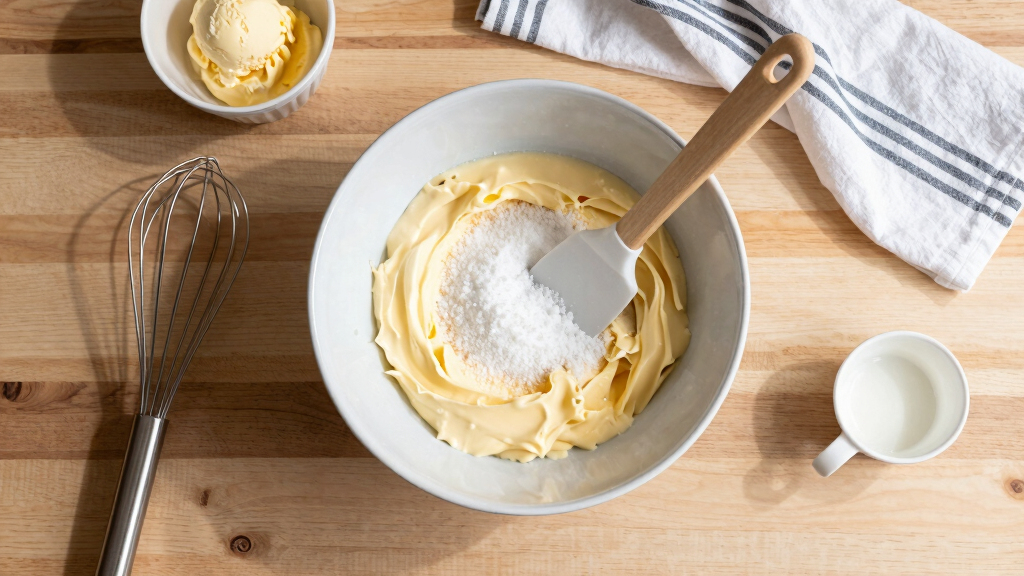
The creaming method is a baking technique where you beat softened butter with sugar until the mixture becomes pale, fluffy, and increased in volume. Think of it as whipping in air, like inflating a balloon inside your batter. This air creates tiny pockets that expand during baking, giving your cake its rise and airy texture.
When done right, it’s like turning a dense block into a puff of cotton candy. When done poorly, it’s like sticking a brick in the oven. The difference is clear, and it all hinges on that initial beating process.
As an affiliate, we earn on qualifying purchases.
How to Perfectly Cream Butter and Sugar in 3 Easy Steps
- Start with softened butter. It should be just warm enough to hold a shape—about 65°F (18°C). Cold butter resists mixing, while melted butter won’t trap air.
- Use the right equipment. An electric mixer (stand or hand-held) ensures consistent, thorough beating. Manual mixing can work but takes longer and less evenly.
- Beat until pale and fluffy. Usually 3-5 minutes at medium speed. Watch for a color change and volume increase—your mixture should double in size, light in color, and feel silky.
Imagine beating butter and sugar as giving them a gentle workout—overdoing it can deflate your batter, while rushing through leaves it dense and flat.

Hamilton Beach 6-Speed Electric Hand Mixer With QuickBurst and Bowl Rest
- Storage Case: Snap-on case for beaters and whisk
- Multiple Speed Settings: 6 speeds plus QuickBurst button
- Complete Accessory Set: Includes beaters and whisk, dishwasher safe
As an affiliate, we earn on qualifying purchases.
As an affiliate, we earn on qualifying purchases.
Common Mistakes That Ruin Your Cake’s Lightness
Even seasoned bakers slip up. Here are the top culprits:
- Using cold butter. Cold butter won’t incorporate air well, leading to dense results.
- Rushing the process. Under-creaming leaves your batter flat; over-creaming can make it fragile.
- Incorrect ingredient temperatures. Butter, eggs, and milk should be at room temperature for even mixing.
- Using the wrong tools. Hand mixers or beaters that don’t reach all areas fail to aerate evenly.
For instance, a baker once told me her cakes came out heavy because she skipped the step of letting her butter soften overnight.

OXO Good Grips 2QT Batter Mixing Bowl, White
- Bright red measurement markings: Easy to read measurements
- 8-cup capacity: Holds 2 quarts of ingredients
- Non-skid base: Provides stability during mixing
As an affiliate, we earn on qualifying purchases.
As an affiliate, we earn on qualifying purchases.
Creaming Vs. Other Mixing Techniques — What’s the Real Difference?
| Technique | What It Involves | When to Use |
|---|---|---|
| Creasing Method | Beating butter and sugar until light and fluffy, incorporating air | Light cakes, cookies, muffins |
| Folding | Gently mixing in whipped egg whites or flour without deflating | Angel food cakes, soufflés |
| Stirring | Mixing ingredients gently, usually by hand | Quick breads, batters where gluten formation is undesired |
The creaming method is unique in its focus on aeration, making it the backbone of fluffy cakes. Meanwhile, folding and stirring serve different purposes, like preserving air or mixing without overworking the batter.
As an affiliate, we earn on qualifying purchases.
Troubleshooting: Why Your Cake Still Isn’t Light, Even After You Creamed
If your cake turns out dense despite following all steps, the problem might be in your execution. Common issues include:
- Overmixing after adding flour. This can develop gluten too much, making the cake tough.
- Using old or cold ingredients. Cold eggs or butter hinder proper mixing and aeration.
- Incorrect oven temperature. Too hot and your cake rises too quickly then collapses; too cool and it doesn’t rise enough.
For example, a baker once told me her cakes sank in the middle because she opened the oven door too early, causing a sudden temperature drop. Always keep your oven steady and avoid overmixing after adding flour.
Frequently Asked Questions
Can I over-cream my batter?
Yes. Over-creaming can incorporate too much air, making your cake fragile and prone to collapsing. Stop when the mixture is pale, fluffy, and has doubled in size.
What if I don’t have an electric mixer?
You can beat butter and sugar with a whisk or wooden spoon, but it takes longer and requires more effort. The key is to be patient and keep going until the mixture is light and fluffy.
Does the type of sugar matter for creaming?
Granulated sugar works best because it dissolves evenly and helps trap air. Using brown sugar or honey can affect texture and may require adjustments in mixing time.
How do I know my butter is at the right temperature?
Softened butter should give slightly when pressed but not be greasy or melted. It should hold its shape but be easy to mix.
Can I skip creaming in some recipes?
Some recipes, like bar cookies or quick breads, don’t rely on creaming. But for cakes aiming for a light, airy crumb, skipping this step usually leads to denser results.
Conclusion
Getting the creaming step right isn’t just about following a recipe; it’s about understanding how to build air into your batter. When you master this, your cakes will rise higher, stay tender, and impress everyone at the table. Think of it like giving your baked goods a breath of life—once you get it right, there’s no turning back.
Next time you bake, focus on that moment of beating butter and sugar. It’s a small step with a huge impact—your secret weapon for perfect cakes every time.