TL;DR

Get baking supplies delivered free with Prime
- Fast, free delivery on millions of items
- Prime Video, Amazon Music and more included
- Member-only deals all year
Butter temperature is the secret to perfect baked goods. Cold butter creates flaky layers, softened butter yields tender cookies, and melted butter impacts structure. Precise control leads to consistent, better results.
Butter at the right temperature is essential for achieving the perfect texture—flaky, tender, or moist—depending on your goal.
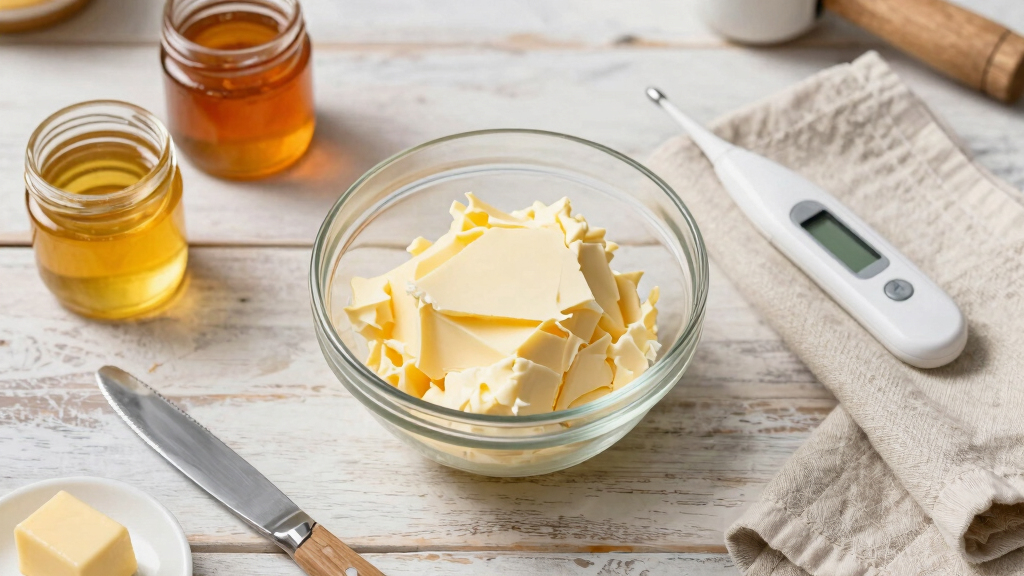
Use a thermometer or your finger to check butter’s softness before mixing; don’t rely solely on guesswork.
Adjust your technique based on butter temperature—cold for flaky layers, softened for creamed batters, melted for quick breads.
Avoid overheating butter, which can cause separation, greasy doughs, or dense baked goods.
Practicing precise butter temperature control leads to more consistent, delicious results every time.
Why Your Butter Temperature Decides the Whole Recipe
Butter temperature is the quiet control dial behind flaky crusts, tender cookies, airy cakes, and dense quick breads. Cold butter builds layers, softened butter traps air, and melted butter changes structure fast.
One ingredient, three very different jobs
Butter changes how dough mixes, how air gets trapped, how water turns to steam, and how fat coats flour. The recipe’s texture begins before the oven turns on.
Cold Butter
35–40°FFirm pieces stay intact long enough to create pockets. In the oven, those pockets release steam and separate dough into crisp, flaky layers.
Softened Butter
65–70°FSoft but not greasy butter creams smoothly with sugar, capturing air that helps cakes and cookies rise with a tender, even crumb.
Melted Butter
90–100°FLiquid butter integrates quickly and boosts moisture, but gives up the structure-building power of solid fat. Expect denser, chewier results.
Match the butter state to the mixing method
The right choice is practical, not precious: use the butter state that supports the physical structure you want.
Choose Texture
Flaky, tender, airy, chewy, or moist. The target texture decides the fat state.
Set Temperature
Use a thermometer or finger press. Butter should match the recipe, not the room.
Mix Correctly
Rub in cold butter, cream softened butter, or stir in melted butter gently.
Bake Structure
Heat locks the choice into layers, spread, rise, chew, aroma, and crumb.
Butter temperature in action
A pie crust, cookie dough, and banana bread can all use the same ingredient and produce totally different results because the butter enters the bowl differently.
| Recipe | Butter Temperature | Primary Effect | Best Outcome | Wrong-State Risk |
|---|---|---|---|---|
| Flaky Pie Crust | Cold, 35°F | ✓ Distinct fat pockets | Layers separate easily with crisp flake | ✗ Warm butter turns greasy and tough |
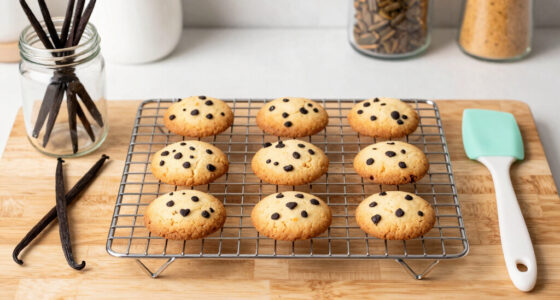
| Chocolate Chip Cookies | Softened, 68°F | ✓ Smooth creaming with sugar | Even spread, tender center, balanced chew | ~ Too soft can spread too far |
| Quick Banana Bread | Melted, 95°F | ✓ Fast integration and moisture | Dense, moist crumb with richer butter flavor | ~ Overheated butter can flatten structure |
What precision changes
Temperature control improves consistency because it controls how butter blends, holds air, coats flour, and releases steam.
Key Insight
Using butter at the right temperature can improve baked-good structure by up to 40%. The biggest gains show up in rise, spread, flakiness, and repeatability.
Avoid these temperature traps
Most butter problems look like recipe problems: dense cakes, greasy dough, tough pastry, uneven cookies. The fix often starts with the thermometer.
Fridge-firm butter in creamed batters
It resists blending, fails to trap enough air, and leaves cakes or cookies dense and uneven.
Microwaved butter that separates
Overheated butter can create greasy doughs, collapsed structure, and an oily mouthfeel.
Melted butter in flaky pastry
Liquid fat coats flour instead of forming layers, so biscuits, crusts, and pastries turn flat.
From butter state to final bite
The temperature you choose travels through the entire bake, shaping flavor, structure, and texture long after mixing ends.
Cold
Use straight from the fridge for pie crust, biscuits, croissants, and any bake that needs visible layers.
Softened
Use when butter must cream with sugar. It should indent easily without looking shiny or greasy.
Melted
Use gently melted butter for quick breads and dense cookies where moisture matters more than lift.
Finger or thermometer
Press for softness or measure directly. Precision is the shortest path to repeatable baked goods.
How Butter Temperature Changes Your Baking Results
Butter’s temperature dramatically influences the texture of baked goods. Cold butter creates crisp, flaky layers—perfect for pie crusts and croissants. Softened butter blends smoothly, trapping air and helping cakes and cookies rise beautifully. Melted butter, on the other hand, lends a dense, moist crumb—ideal for quick breads and some cookies.
Imagine trying to make a layered pastry with melted butter. It would spread out flat, losing those delicate layers. Conversely, if you use cold butter in a cake, it won’t cream properly, resulting in a dense, heavy texture. Temperature is the invisible hand guiding each recipe’s outcome.
Understanding why these differences matter is crucial. The way butter interacts with other ingredients depends on its state. For instance, cold butter’s solidity allows for the creation of distinct layers, which are essential for flaky pastries. Softened butter, with its ability to trap air, helps produce a light, tender crumb. Melted butter, being liquid, integrates quickly but sacrifices the structural benefits that come with solid or softened butter. Recognizing these tradeoffs helps bakers choose the right butter state for their desired result, balancing texture, flavor, and appearance.
Products Worth Considering

Cuisinart PerfecTemp Electric Kettle, 1.7 L, 1500 W, 6 Temperature Settings

KitchenAid Go Cordless Citrus Juicer with Battery, KCJR161BM

Breville Bambino Espresso Machine, Brushed Stainless Steel
As an affiliate, we earn on qualifying purchases.
Quick Guide: How to Get Butter at the Perfect Temperature
- Cold Butter (35–40°F): Keep in the fridge until firm, then use straight from the fridge for flaky pastries. This ensures the butter remains solid enough to create layers during baking, which is essential for achieving that signature flakiness. Using it too warm will cause it to melt prematurely, ruining the layered structure.
- Softened Butter (65–70°F): Leave on the counter for 30-60 minutes, pressing gently to check softness. It should indent easily but not feel greasy. Properly softened butter traps air when creamed, giving your baked goods a tender, airy texture. Under-softened butter won’t incorporate air well, leading to dense results, while over-softened or greasy butter can cause spreading or uneven crumb structure.
- Melted Butter (90–100°F): Gently heat until just melted—no boiling or overheating—then use immediately. Melted butter acts differently because it integrates fully into batter, affecting moisture and structure. It’s ideal for recipes where a dense, moist crumb is desired, but over-melting can cause the batter to lose its ability to hold air, resulting in flatter baked goods.
Using a thermometer adds precision, but understanding these temperature ranges helps you make informed decisions. The key is balancing the butter’s state with the recipe’s needs to optimize texture and appearance.
Butter Temperature in Action: Real-World Baking Scenarios
| Recipe | Butter Temperature | Outcome |
|---|---|---|
| Flaky Pie Crust | Cold (35°F) | Layers separate easily, flaky texture |
| Chocolate Chip Cookies | Softened (68°F) | Creams smoothly, cookies spread evenly |
| Quick Banana Bread | Melted (95°F) | Dense, moist crumb, slightly chewy |
Notice how each outcome hinges on butter’s temperature. It’s like choosing the right gear for the job—tiny tweaks make big differences. For example, using cold butter for pie crusts ensures distinct flaky layers, which are a hallmark of traditional pastry. Softened butter for cookies allows for proper creaming, trapping air that results in a tender yet chewy texture. Melted butter in quick breads provides moisture but can reduce rise if not carefully controlled. Recognizing these implications helps bakers make smarter choices, balancing texture, appearance, and flavor consistency.
Avoid These Common Butter Temperature Mistakes
- Using straight-from-the-fridge butter when softened butter is needed. It won’t cream properly, leading to uneven textures and dense baked goods. This mistake often results in cookies or cakes that lack lightness and uniformity, as the butter doesn’t incorporate air effectively.
- Overheating butter in the microwave, causing separation or greasy doughs. This can happen quickly if you’re not careful, leading to a loss of structure and an undesirable greasy mouthfeel in your baked items. Always heat in short bursts and check frequently to prevent this.
- Ignoring the recipe’s call for specific butter temperature. Each recipe’s success depends on the correct butter state. Using the wrong temperature can compromise the texture, rise, and appearance—such as a dense cake or a greasy crust—making it harder to achieve professional results.
Imagine trying to make a tender biscuit with melted butter. It would turn out flat and greasy, lacking the flaky layers that define a good biscuit. Paying close attention to butter’s temperature isn’t just a tip—it’s a fundamental step in controlling the final outcome. The tradeoff is clear: sacrificing precision can mean sacrificing texture and appearance, so understanding and managing butter temperature is essential for consistent, high-quality baking.
What Does Butter’s Temperature Mean for Flavor and Texture?
Butter at different temperatures influences how flavors develop during baking, with each state offering unique benefits. Softened butter melts evenly during baking, releasing rich aroma compounds and infusing baked goods with a deep, consistent flavor profile. This even melting helps distribute flavors uniformly, creating a harmonious taste experience. Cold butter, meanwhile, preserves its structure until baking, allowing for the development of distinct layers—especially in flaky pastries—where each bite reveals a complex interplay of butter and flour, contributing to a layered, flaky texture. Melted butter creates a different flavor dynamic; it produces a moist, dense crumb with a richer, more intense butter flavor, but can also diminish the layered effect in pastries.
For example, in shortbread, softened butter’s ability to blend smoothly with sugar ensures a rich, homogeneous flavor that melts in your mouth. Conversely, in croissants, cold butter creates the distinct, flaky layers that are essential to their texture. Recognizing how butter temperature affects flavor and structure helps bakers choose the right butter state to achieve the desired sensory qualities, from delicate flakiness to rich density.
Your Quick Reference: Butter Temperature Cheat Sheet
- Cold butter: 35–40°F. Use for flaky, layered pastries where distinct layers are key to texture and appearance.
- Softened butter: 65–70°F. Ideal for creaming, which traps air for light cakes and tender cookies, ensuring a delicate crumb and good volume.
- Melted butter: 90–100°F. Best for quick breads and certain cookies where moisture and density are desired, but overuse can flatten or dense the final product.
Keeping a mental note or a quick thermometer check can save your baking. No more guessing games—just consistent results. Understanding these ranges and their implications helps you adapt to different recipes and achieve the best possible outcome every time.
Frequently Asked Questions
How do I know if my butter is at the right temperature?
Press the butter with your finger. It should leave a slight indentation without feeling greasy or too firm. For accuracy, use an instant-read thermometer; it should read between 65-70°F for softened butter.
Can I substitute melted butter for softened butter in recipes?
It depends on the recipe. Melted butter changes the structure—cookies may spread more, and cakes might be denser. Always follow the recipe’s guidance. Usually, melted butter works best in quick breads or certain cookies where structure isn’t as critical.
Why does my pastry turn out greasy or tough?
This often happens when butter is too warm or melted when the recipe calls for cold butter. Warm butter causes layers to merge, losing flakiness. To fix it, chill the dough and use cold butter for flaky textures.
How does butter temperature affect flavor?
Butter at different temperatures influences how flavors develop. Softened butter allows for better aroma release, giving a richer taste. Cold butter preserves layers and complexity, especially in flaky pastries.
Are there tools that can help me control butter temperature easily?
Yes, instant-read thermometers, butter sticks with temperature markings, and controlled refrigeration or freezer storage make it easier to keep butter at the right stage, reducing guesswork and improving results.