
TL;DR
Uneven baking occurs when heat distribution isn’t uniform, leading to burnt bottoms and pale tops. Using proper oven settings, bakeware, and techniques can fix this common problem and produce evenly baked treats.
Always preheat your oven thoroughly and verify temperature with a separate oven thermometer.
Use light-colored, aluminum pans to minimize burning and encourage even heat transfer.
Rotate baked goods during the process to counteract hot spots and uneven heat.
Place racks in the middle for most even heat, but adjust based on your oven’s quirks.
Consider adding a baking stone or steel for more uniform bottom heat.
Burnt Bottoms & Pale Tops
Uneven baking is a heat-distribution problem—not a baking mystery. Learn how temperature, rack position, bakeware, and rotation work together to produce evenly golden cookies, cakes, and bread.
Three forces shape every bake
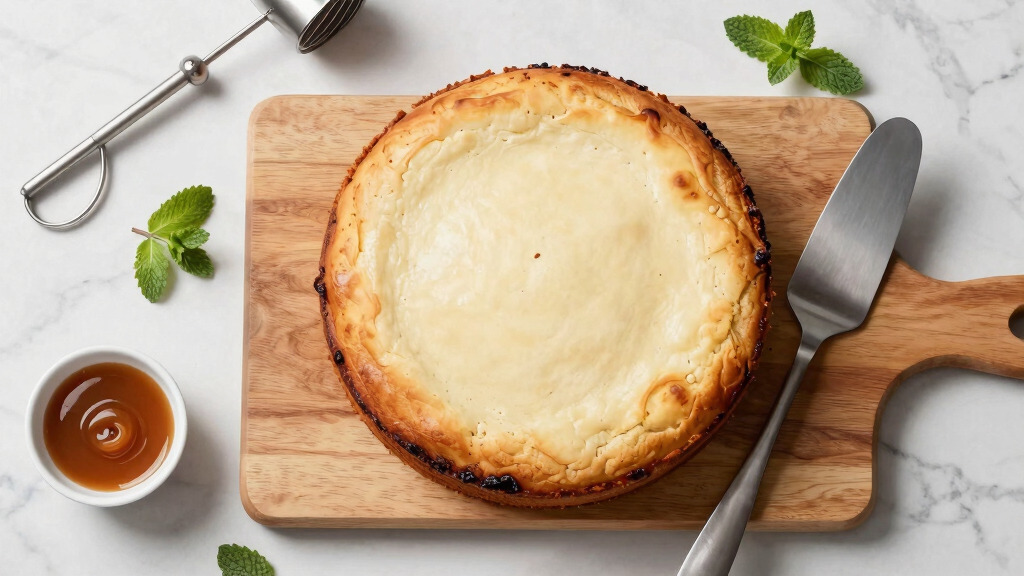
A scorched base and pale surface usually point to excess heat below, weak heat above, or a pan that absorbs energy too aggressively.
Hidden hot spots
Heat can concentrate near an element, wall, or corner. A tray left in one orientation receives unequal exposure from edge to edge.
Too close to the floor
A low rack intensifies bottom heat before the upper surface can brown. Start in the middle; move slightly higher if bases still darken first.
Dark metal runs hot
Dark and non-stick finishes absorb more radiant heat. Light aluminum reflects more energy and produces gentler, more predictable browning.
Five moves to a golden finish
Change one variable at a time, record the result, and turn your oven’s quirks into a repeatable baking method.
Preheat fully
Allow 15–20 minutes for the oven walls and air to stabilize.
Verify heat
Compare the dial with a separate oven thermometer.
Center the rack
Move slightly higher when bottoms brown too quickly.
Choose light metal
Use light-colored aluminum for steady heat transfer.
Rotate halfway
Turn the pan 180 degrees to equalize hot-spot exposure.
Still pale on top? Lower the set temperature by 10–15°F and extend the baking time slightly. Slower heat transfer gives the center and surface time to catch up without scorching the base.
Balance absorption with control
Pan color shifts the browning curve. Corrective techniques reduce the effect of hot zones and inaccurate oven controls.
Pan heat spectrum
A lighter surface generally reduces the risk of premature bottom browning.
Build your even-bake kit
Begin with the inexpensive essentials. Add a stone, steel, or thermal device only when your recipes and oven behavior justify it.
| Tool or technique | Temperature accuracy | Hot-spot control | Bottom-heat control | Best use |
|---|---|---|---|---|
| Oven thermometer | ✓ | ~ | ~ | Correcting an inaccurate oven dial |
| Rotate the pan | × | ✓ | ~ | Uneven side-to-side browning |
| Light aluminum pan | × | ~ | ✓ | Cookies, pastries, cakes, sheet bakes |
| Baking stone or steel | ~ | ✓ | ✓ | Bread and stable radiant heat |
| Thermal imaging | ~ | ✓ | ~ | Precisely mapping persistent hot zones |
Troubleshoot the next tray
Use the symptom as your clue, then apply the smallest targeted correction.
Why does my cake burn below but stay pale above?
The oven may be hot, the pan too dark, or the rack too low. Move higher, use lighter metal, and verify the temperature.
How do I protect cookie bottoms?
Use parchment or a silicone mat, reduce the temperature slightly, and rotate the sheet halfway through.
Should everything bake on the middle rack?
It is the best default. If bottoms still darken early, move the rack one level higher and retest.
Can I improve results without buying equipment?
Yes. Full preheating, rack adjustment, fewer door openings, and mid-bake rotation cost nothing.
Uneven baking is a puzzle of heat and timing.
Verify, position, rotate, and refine. A few deliberate adjustments can turn a scorched base and pale top into an evenly baked, beautifully golden result—batch after batch.
Why Your Oven’s Hot Spots Are Ruining Your Bakes
Ovens aren’t always evenly heated. Many have ‘hot spots’—areas where heat concentrates—causing certain parts of your baked goods to cook faster than others. This uneven heat can result in burnt bottoms while the tops remain underdone or pale. Understanding these hot spots is crucial because it highlights why simply following a recipe isn’t enough; your oven’s peculiarities influence the final result.
For instance, if you notice your cookies consistently burn on the bottom but the tops are undercooked, it’s likely due to a hot spot near the bottom of your oven. Identifying these areas allows you to adjust your baking strategy, such as moving racks or rotating pans, to mitigate uneven heat distribution. Using an oven thermometer is essential here—many ovens’ built-in gauges are inaccurate, and hot spots can vary widely between models. Recognizing and addressing these quirks helps prevent burnt edges and undercooked centers, saving ingredients and your time.
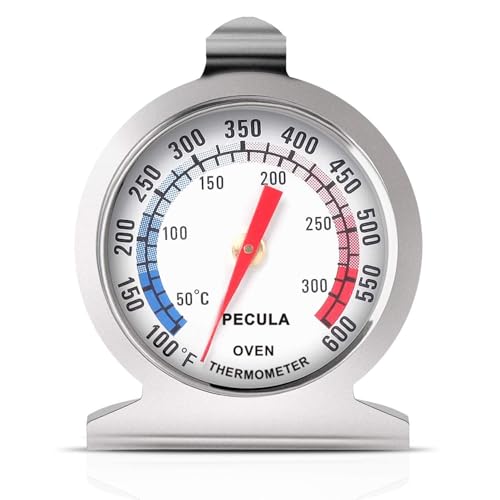
Stainless Steel Oven Thermometer 50-300°C/100-600°F, Analog Instant Read, Battery-Free Kitchen Cooking Thermometer, Hook & Stand Design Food Thermometer for Oven, Grill, Smoker, Fryer
- Precise Temperature Range: 50–300°C / 100–600°F
- Clear Dual-Color Dial: Blue and red indicators for easy reading
- Flexible Placement Options: Hangs or stands on surfaces
As an affiliate, we earn on qualifying purchases.
As an affiliate, we earn on qualifying purchases.
How to Prevent Burnt Bottoms with Simple Oven Tweaks
- Preheat your oven for at least 15-20 minutes. This ensures stable, even heat, which is fundamental because inconsistent preheating can lead to temperature fluctuations that cause uneven baking.
- Position your rack in the middle, or slightly higher if your bottoms tend to burn. The placement matters because heat rises; positioning your tray correctly can help distribute heat more evenly across your baked goods.
- Use an oven thermometer to verify actual temperature matches the dial. Many ovens run hotter by 10-20°F, which can cause over-browning or burning on the bottoms if uncorrected. Regularly checking helps you make precise adjustments, ensuring your recipes turn out as intended.
- Rotate your pans halfway through baking to counteract hot spots. This simple step can prevent over-browning on one side and ensure uniform doneness.
- Choose light-colored, aluminum pans instead of dark or non-stick, which absorb more heat and cause burning. The tradeoff here is that darker pans can sometimes produce more browning, but they also risk burning the bottoms if not monitored carefully. Light-colored pans reflect heat, promoting even baking and a more predictable crust color.
Imagine baking a batch of cookies on a dark pan. The bottoms often turn dark or black quickly due to heat absorption. Switching to a light-colored aluminum sheet doesn’t just improve aesthetics; it reduces the risk of burning and promotes even browning, especially important for delicate baked goods.
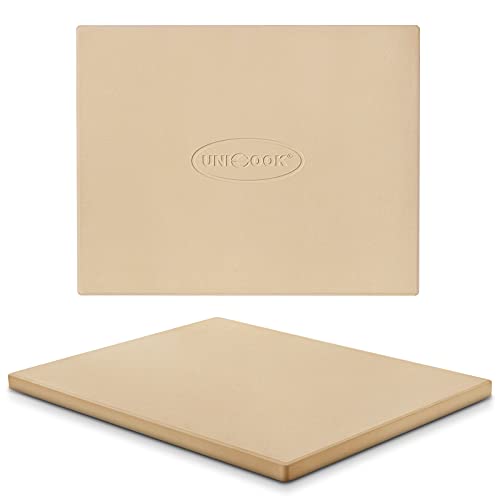
Unicook 15 x 12 Inch Rectangular Pizza Stone for Oven and Grill, 6.8 Lbs
- Rectangular Baking Surface: 15 x 12 inches, 0.6 inch thick
- Heavy Duty Material: Made of durable Cordierite
- High Temperature Resistance: Up to 1450°F (787°C)
As an affiliate, we earn on qualifying purchases.
As an affiliate, we earn on qualifying purchases.
Why Your Top Is Pale and How to Fix It
The top staying pale usually indicates your oven isn’t distributing heat evenly from top to bottom. This imbalance can occur if your oven’s heating element is malfunctioning or if your baking position is too close to the bottom element, which causes the heat to be concentrated downward rather than evenly circulating. This uneven heat can result in a crust that doesn’t develop properly, leaving the top undercooked or pale despite a fully baked interior.
To address this, lowering the oven temperature by 10-15°F and increasing baking time slightly can help promote more even heat transfer. Using a baking stone or steel acts as a radiant heat source that distributes heat more uniformly across the entire baking chamber, ensuring the top and bottom cook at similar rates. Additionally, avoid opening the oven door too often, as temperature drops can cause uneven baking and hinder proper browning. These adjustments help create a more balanced heat environment, leading to beautifully golden tops and perfectly baked goods.

JoyTable Aluminum Baking Sheet Set, Quarter Sheet Pan, Commercial Quality Cookie Sheets for Baking or Roasting Non-Stick, Warp Resistant Aluminum 9 x 13 Baking Pan
- Set Includes Two Sheets: Durable aluminum baking sheets for oven use
- Generous Baking Size: 13” x 9.5” x 1” baking surface
- Even Heat Distribution: Light-colored aluminum heats quickly and browns evenly
As an affiliate, we earn on qualifying purchases.
As an affiliate, we earn on qualifying purchases.
Using Tools and Techniques for Perfectly Even Bakes
| Tool/Technique | Benefit |
|---|---|
| Oven thermometer | Provides accurate temperature readings, enabling precise adjustments that prevent over- or under-baking caused by inaccurate oven gauges. |
| Baking stones/steels | Distribute heat evenly from the bottom, reducing hot spots and promoting uniform crust development, especially in bread baking. |
| Rotating pans | Mitigates hot spots during baking, ensuring all sides of your baked goods receive consistent heat exposure, which improves overall evenness. |
| Light-colored pans | Reflect heat rather than absorb it, preventing burnt bottoms and encouraging consistent browning across baked goods. |
| Thermal imaging devices | Identify hot spots with visual precision, allowing targeted adjustments like rack repositioning or heat source modifications for optimal baking conditions. |
For example, a baker using a thermal imaging camera spots a hot zone on her oven wall. She adjusts her rack position and switches to a light aluminum pan, resulting in evenly baked bread with a crisp crust and golden top. These tools and techniques help you understand and control your oven’s quirks, ultimately leading to better, more consistent results.

Aiwaiufu Adjustable Extendable Oven Rack, Universal Chrome Plated Wire Shelf, Adjusts from 17" to 30" Wide, Compatible with GE, Whirlpool, Frigidaire, Kenmore, Samsung, LG, Ovens, 1 Pack
- Universal Size & Fit – Adjustable oven rack…
- Distinguish Chrome Finish – Made from high-quality chrome-plated…
- Tool-Free Installation – Easy to install and remove…
As an affiliate, we earn on qualifying purchases.
As an affiliate, we earn on qualifying purchases.