
TL;DR
Parchment paper, silicone mats, and grease each have unique benefits and drawbacks. Your choice impacts safety, eco-friendliness, and ease of use—pick what’s best for your baking style.
Ever wonder which pan lining is best for your baking? You’re not alone. The choices—parchment, silicone, or just greasing the pan—can seem simple but hide a lot of nuance.
Picking the right method influences not just your baked goods but also your health, wallet, and the planet. Let’s unpack the truth behind each option and help you make smart, practical decisions in your kitchen.
Silicone baking mats are the most sustainable, durable, and safest long-term lining option when used correctly.
Unbleached parchment paper provides convenience and biodegradability for occasional baking needs.
Avoid using aluminum foil with acidic foods to prevent leaching and consider recycling foil to reduce waste.
Temperature limits are key: always stay within the safe range for each lining to prevent fumes or damage.
Adopting reusable options like silicone mats can significantly cut down on waste and environmental impact.
Parchment, Silicone, or Grease: The Pan-Lining Truth
What sits between your food and the pan affects release, browning, heat safety, cleanup, cost, and waste. The smartest choice is not universal—it depends on how often you bake, what you cook, and how much convenience you need.
Reusable, durable, and highly effective when kept within the maker’s temperature limit.
Fast cleanup and broad versatility without committing to a reusable mat.
Excess heat, sharp tools, damaged surfaces, and acidic foods can change the safety equation.
Three routes to a clean release
Each lining solves sticking differently. Parchment supplies disposable convenience, silicone turns repeat baking into a low-waste routine, and grease or foil provides familiar flexibility with more variable results.
Parchment paper
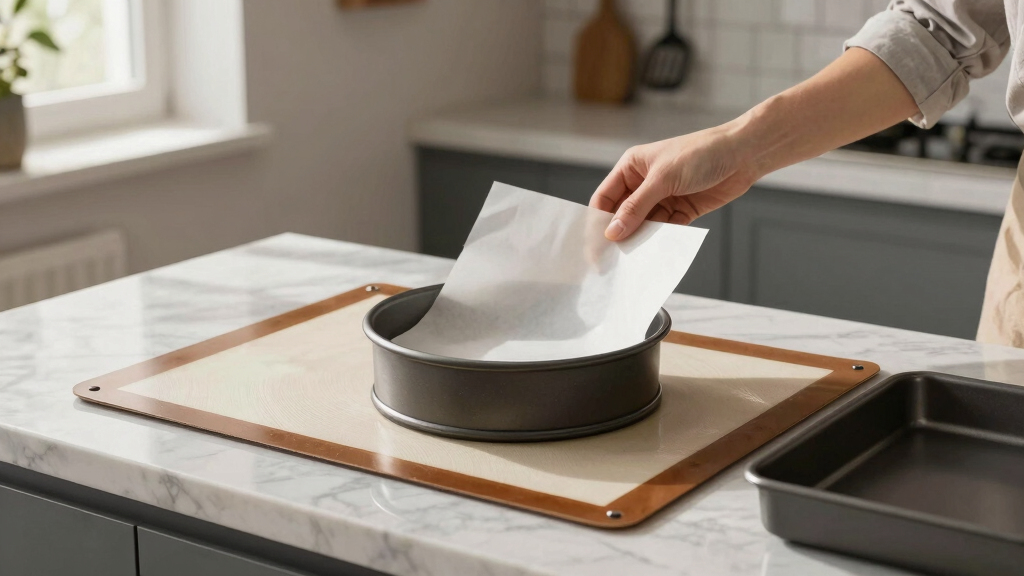
Cellulose paper treated with a non-stick coating. It is especially useful for cookies, roasted vegetables, cake pans, and sticky mixtures.
Silicone mat
A food-grade, flexible liner built for repeated use. It creates a consistent non-stick surface and can promote even heat distribution.
Grease or foil
Butter and oils can support flavor and browning. Foil offers shaping and cleanup benefits but carries a larger production footprint.

MMmat Silicone Baking Mat – Best German Silicone – Non Slip Silicone Baking Sheet, Non Stick Reusable Silicone Mats for Baking, Oven Liner, Counter Mat – Half Sheet Baking Mat, Set of 2
Best German Silicone: We attach great importance to the health of our customers. Therefore, we use the best…
As an affiliate, we earn on qualifying purchases.
As an affiliate, we earn on qualifying purchases.
Performance, cost, and impact
| Feature | Parchment | Silicone mat | Grease / foil |
|---|---|---|---|
| Reusability | ✗ Usually single-use | ✓ Up to 300+ uses | ✗ Usually single-use |
| Heat tolerance | ~ Roughly 420–450°F | ✓ Often up to 480°F | ~ Depends on fat, spray, or foil |
| Cleanup | ✓ Lift and discard | ✓ Wash and reuse | ~ Easy, but residue may remain |
| Waste profile | ~ Biodegradable if suitable and unbleached | ✓ Minimal waste across repeated use | ✗ Foil is energy-intensive; recycling varies |
| Cost pattern | Low per sheet; recurring | Higher initial cost; long-term savings | Low upfront; recurring |
| Primary caution | Scorching, fumes, or tearing above limits | Cuts, abrasion, or use beyond rated heat | Added fat, spray residue, or foil with acidic food |
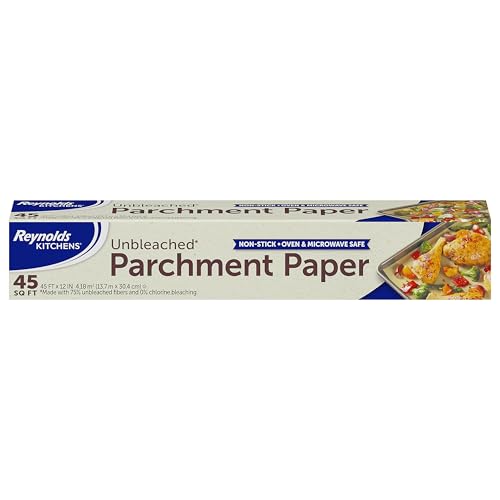
Reynolds Kitchens Unbleached Parchment Paper Roll, Non Stick Parchment Paper for Cooking and Baking, Oven Safe up to 425 Degrees, Chlorine-Free, 45 Feet x 12 Inches, 45 Total Sq. Ft.
Package Includes: One (1) Reynolds Kitchens Unbleached Parchment Paper Roll measuring 45 feet long by 12 inches wide…
As an affiliate, we earn on qualifying purchases.
As an affiliate, we earn on qualifying purchases.
One mat can displace a stack of disposables
The environmental advantage of silicone emerges over time. Its production still uses energy and synthetic material, but regular reuse spreads that footprint across hundreds of baking sessions.

NutriChef 3‑Piece Nonstick Cookie Sheets – Carbon Steel Baking Sheet Set with Non Stick Coating & Red Silicone Handles – Oven Pans for Family Baking
3-PIECE SET: NutriChef 3-piece nonstick cookware set includes the small, medium, and large size of cookie pans. These…
As an affiliate, we earn on qualifying purchases.
As an affiliate, we earn on qualifying purchases.
Use the lining—not the loophole
No liner is automatically safe in every situation. Check the packaging, respect the rated temperature, and retire materials when their surface or structure begins to fail.
Respect the heat ceiling
Follow the manufacturer’s limit. Parchment can darken, become brittle, or burn when exposed to excessive heat.
Protect silicone surfaces
Never cut directly on a mat or scrub it with abrasive tools. Replace mats that are torn, deeply scratched, sticky, or degraded.
Keep acids away from foil
Tomatoes, citrus, vinegar, and other acidic ingredients can increase aluminum transfer. Choose parchment or suitable cookware instead.
Use sprays sparingly
Propellants and additives may leave stubborn residue. Apply only what is needed and clean the pan thoroughly after use.
Inspect reused parchment
Reuse only when the sheet remains clean and intact. Discard paper that is brittle, torn, heavily browned, or contaminated.
Store liners correctly
Keep parchment dry and store silicone mats flat or loosely rolled to prevent creases, cuts, and premature surface damage.
From baking habit to better choice
Match the liner to the rhythm of your kitchen.
What is parchment paper, and why do bakers love it?
Parchment paper is a coated, non-stick paper made from cellulose fibers. It’s designed to withstand oven heat up to around 420°F (215°C).
Imagine slipping a batch of crispy cookies onto a sheet of parchment. The rich, toasty aroma fills your kitchen as they slide right off, leaving no sticky residue behind. It’s perfect for baking cookies, roasting vegetables, or lining cake pans.
One key advantage? Easy cleanup. No scrubbing, no sticking—just toss the used sheet. Plus, unbleached options are more eco-friendly, breaking down naturally after disposal. However, the tradeoff lies in its single-use nature; it creates waste, and repeatedly using it can diminish its non-stick qualities, potentially leading to tearing or uneven baking. This means it’s best suited for occasional use or when convenience outweighs sustainability concerns.
Silicone baking mats: Reusable, versatile, and long-lasting
Silicone baking mats are flexible, reusable mats made from food-grade silicone, often with a non-stick surface. They can handle oven temperatures up to 480°F (250°C).
Picture a glossy, dark green mat that you roll out on your baking sheet. You spread your cookie dough, pop it in the oven, and once cooled, it wipes clean with a damp cloth. No need for sprays or oils.
According to Aromas Healthy Bake, silicone mats can last over 300 uses, which significantly reduces waste compared to single-use options. They distribute heat evenly, promoting consistent baking, and their durability means they won’t warp or degrade easily. The environmental benefit emerges from their reusability, but it’s important to consider the manufacturing energy and eventual disposal—though generally, they are considered a greener choice. The tradeoff is that they require proper care; cutting or using abrasive cleaners can damage the surface, compromising safety and non-stick performance.
Grease, sprays, and aluminum foil: Old-school options with trade-offs
Greasing pans with butter, oil, or non-stick sprays is a traditional method to prevent sticking. Aluminum foil, sometimes coated with a silicone layer or used plain, also lines pans for easy cleanup. These methods are quick and inexpensive, but they come with important considerations.
Greasing creates a barrier that can enhance browning and flavor, but overusing fats can add unnecessary calories and may affect the texture of baked goods. Aluminum foil, while convenient, can leach aluminum into food when used with acidic ingredients like tomatoes or citrus, raising health concerns over long-term exposure. Additionally, foil is single-use, contributing to waste, and its production is energy-intensive. Non-stick sprays often contain propellants and additives that may leave residues affecting flavor and potentially impacting health over time. The tradeoffs involve balancing convenience against environmental impact and potential health implications.
Parchment vs. silicone vs. grease: Which lasts longest and impacts the environment?
| Feature | Parchment Paper | Silicone Mats | Grease/Aluminum Foil |
|---|---|---|---|
| Reusability | Single-use, biodegradable (if unbleached) | Reusable, up to 300+ uses | Single-use, recyclable if aluminum, but energy-intensive to produce |
| Environmental Impact | Biodegradable, but wasteful if used once; manufacturing involves bleaching and chemical treatments that impact ecosystems | Minimal waste, durable over years; manufacturing requires energy but reduces waste significantly over time | Wasteful, especially if used once; aluminum production is energy-intensive, and recycling rates vary globally |
| Cost | Low per sheet, but recurring | Higher initial, long-term savings | Low upfront, but recurring costs |
Choosing between these depends on your values and baking frequency. Silicone mats excel in sustainability and long-term cost savings, while parchment offers convenience for occasional baking. Considering environmental impact, reusable options generally reduce waste and energy consumption over time, but initial costs and proper maintenance are factors to weigh.
Safety tips for each pan lining method
- Parchment: Use unbleached if possible. Avoid exceeding 450°F to prevent burning or releasing fumes. Store in a dry place to prevent tearing. Be aware that reused parchment may weaken and tear more easily, so inspect before each use.
- Silicone mats: Check for food-grade certification. Avoid cutting or using sharp objects on them, as this can create holes that compromise safety and non-stick properties. Use within the recommended temperature range and replace if signs of damage or wear appear, to prevent potential chemical leaching or safety issues.
- Grease and foil: Limit aluminum foil use with acidic foods to reduce leaching. Store in a cool, dry place to prevent degradation. Use sparingly with non-stick sprays, which can leave residues that affect food flavor and may build up over time, requiring thorough cleaning or replacement.
Following these tips helps ensure your baking remains safe and your food tastes excellent, while also extending the lifespan of your equipment.
Which pan lining protects the environment and your health best?
Silicone baking mats are generally the most eco-friendly long-term option, thanks to their durability and reusability. They significantly cut down on waste and don’t leach chemicals when used within their temperature limits, making them a safer choice for health-conscious consumers. Their manufacturing does require energy, but over many uses, the environmental footprint diminishes compared to single-use options.
Parchment paper, especially unbleached, is biodegradable and produces less waste per use, but its single-use nature means more frequent disposal and environmental impact. The production process involves bleaching and chemical treatments, which can have ecological consequences.
Aluminum foil ranks lower in environmental friendliness because it is energy-intensive to produce, often ends up in landfills, and, when used with acidic foods, can introduce trace amounts of aluminum into the food, raising health concerns. Recycling helps mitigate this impact but depends on local facilities. Overall, the choice depends on your priorities for sustainability and health.
What’s the best way to keep your baking eco-friendly and safe?
1. Use silicone mats for frequent baking—think weekly bread or cookie baking. Their durability means they can be used hundreds of times, dramatically reducing waste and the need for disposable liners.
2. Choose unbleached parchment for occasional baking, especially if you prefer disposables but want to minimize chemical exposure. It’s biodegradable and offers a convenient, straightforward solution.
3. Minimize foil use, particularly with acidic ingredients, to prevent chemical leaching. Recycle foil whenever possible to lessen environmental impact.
4. Always keep your oven within the safe temperature range specified for each liner to prevent fumes, melting, or damage.
5. Properly store your baking equipment to avoid damage and prolong usability, reducing the need for replacements and waste.
By adopting these practices, you contribute to a safer, more sustainable baking routine that benefits both your health and the environment.
Frequently Asked Questions
Is silicone baking mat safe at high temperatures?
Yes. Food-grade silicone mats are safe up to about 480°F (250°C). Just ensure they’re certified for food contact and avoid cutting on them to prevent damage.
Can I reuse parchment paper multiple times?
While some unbleached parchment can be reused once or twice if it remains in good condition, it’s generally designed for single use. Reuse depends on how much it’s been exposed to heat and sticky residues.
Does aluminum foil leach harmful chemicals into food?
Aluminum foil can leach small amounts of aluminum into food, especially with acidic or spicy dishes. Limiting its use with such foods and recycling it properly helps reduce potential risks.
Which lining method is best for the environment?
Silicone baking mats are the most eco-friendly long-term option, followed by unbleached parchment paper. Foil ranks lower due to its single-use nature and energy-intensive production.
Are non-stick sprays safe to use on baking sheets?
Non-stick sprays are generally safe when used as directed, but they can leave residues that affect flavor and may be tricky to clean. Use sparingly and opt for oils or silicone mats when possible.
Conclusion
Choosing your pan lining isn’t just about convenience. It’s about safety, sustainability, and how much waste you want to produce. Silicone mats stand out as the smart, eco-friendly choice for regular bakers, while parchment offers a simple, biodegradable fallback.
Next time you bake, think about your priorities—health, environment, or ease—and pick what truly fits your kitchen style. Remember, a small switch to reusable silicone can make a big difference.