
TL;DR

Get baking supplies delivered free with Prime
- Fast, free delivery on millions of items
- Prime Video, Amazon Music and more included
- Member-only deals all year
Sneaking vegetables into baked goods is a smart way to boost kids’ nutrition. Techniques like pureeing, grating, and using vegetable powders help hide flavors and textures, making veggies more appealing. Consistent exposure and fun presentation are key to success.
Ever wonder why kids often turn up their noses at healthy vegetables on their plate? The secret isn’t just what you serve, but how you serve it. Transforming vegetables into sneaky ingredients in baked goods makes healthy eating feel like a treat, not a battle. This guide is packed with practical, proven tips to help you hide veggies in everyday baking—so your kids get the nutrients they need without a fuss.
From moist carrot muffins that disappear into their lunchbox to zucchini bread that tastes like dessert, you’ll learn how to make vegetables both invisible and irresistible. Let’s turn baking into a fun, clever game—one that benefits everyone’s health.
Choose mild-tasting vegetables like carrots, zucchini, and spinach to blend into baked goods.
Use techniques like pureeing, grating, and vegetable powders to hide textures and flavors.
Involve kids in baking to increase their willingness to try vegetable-enriched treats.
Gradually introduce veggies and pair them with flavors kids love, like cinnamon or cheese.
Freeze baked goods with added vegetables for convenience and freshness.
What Vegetables Do Kids Actually Like in Bakes?
Some vegetables blend seamlessly into baked goods because they have a mild flavor or pleasant texture. Carrots, zucchini, spinach, sweet potatoes, and pumpkin top the list. They add moisture, color, and nutrients without overpowering the taste. For example, shredded carrots melt into muffins, giving them a natural sweetness and vibrant orange hue. Spinach can be blended into sauces or batter, adding a pop of green that kids won’t notice.
Understanding which vegetables work best isn’t just about flavor; it’s about how their textures and flavors interact with baking. For example, carrots and sweet potatoes add moisture and sweetness, which can enhance the overall flavor profile, making the baked goods tastier and more appealing. Spinach and zucchini have subtle flavors that can be masked with spices or other ingredients, reducing the risk of rejection. Knowing how to prepare these vegetables—such as finely grating or pureeing—ensures they blend smoothly, avoiding undesirable textures that could give away their presence. This knowledge allows you to tailor your approach based on the recipe and the child’s preferences, increasing the likelihood of success in hiding vegetables effectively.
Products Worth Considering

Cuisinart Stainless Steel Bread Maker, 12 Programs, 2 lb Capacity

KitchenAid Artisan 5-Quart Tilt-Head Stand Mixer, KSM150PS, Almond Cream

Le Creuset Enamemed Cast Iron Oval Dutch Oven, 5 qt., White/Crucible
As an affiliate, we earn on qualifying purchases.
5 Easy Tricks to Hide Vegetables in Your Bakes
- Puree the vegetables: Blending cooked spinach or carrots into smooth sauces or batters creates a uniform texture that conceals fibrous bits and strong flavors. This technique is particularly effective because it evenly distributes the vegetable’s nutrients without altering the visual appeal, making it feel like part of the batter rather than a separate ingredient.
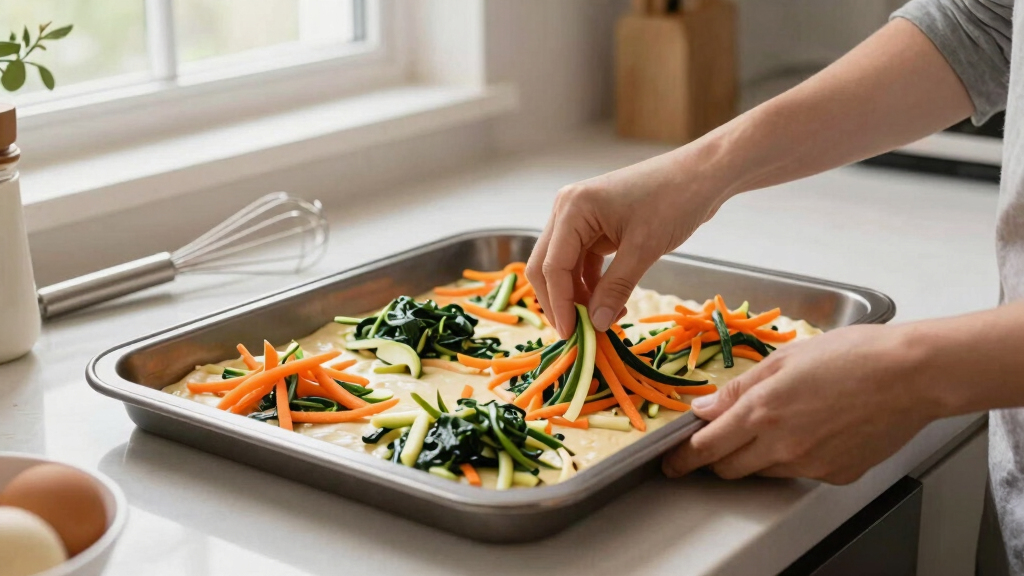
- Grate finely: Using the finest grater for zucchini or sweet potatoes produces tiny shreds that seamlessly integrate into doughs. Fine grating minimizes noticeable texture and prevents kids from picking out the vegetables, while also increasing the surface area for flavor absorption, which can enhance the overall taste of baked goods.
- Use vegetable flours or powders: Substituting part of your flour with vegetable powders such as spinach or zucchini powder not only boosts the nutritional profile but also adds vibrant color and subtle flavor. This method allows for a consistent vegetable presence without changing the recipe’s texture significantly, making it a reliable way to increase vegetable intake without detection.
- Replace some ingredients: Swapping out some of the butter or oil with pureed vegetables like pumpkin or sweet potato adds moisture and healthy nutrients while maintaining the desired texture. However, this substitution requires careful balancing—using too much can alter the batter’s consistency, so understanding the tradeoff between added nutrition and texture is key to maintaining the baked good’s appeal.
- Mask flavors with spices and cheese: Incorporating cinnamon, vanilla, or cheese can distract from any lingering vegetable hints. These flavor enhancers are not just about taste—they influence the overall sensory experience, making the baked goods more inviting while effectively masking the vegetable flavors. The tradeoff here involves balancing added flavors so they complement rather than overpower the baked item.
Imagine mixing a batch of zucchini bread: you blend zucchini into a smooth puree, fold it into the batter, and add a dash of cinnamon. The result? A moist, flavorful loaf that even picky eaters ask for. The key is understanding how each technique impacts the final product’s texture and flavor—sometimes combining methods yields the best results, but each has its own tradeoffs in terms of complexity and taste.
Vegetable Powders and Flours: The Secret Weapons
Vegetable powders like spinach, beetroot, or carrot powder are powerful tools because they can significantly boost the nutritional content of baked goods with minimal impact on taste. Their vibrant colors and concentrated nutrients mean you can add a small amount for a big visual and health benefit. For example, a teaspoon of beetroot powder can turn a plain muffin into a bright pink treat, which is visually appealing and packed with antioxidants.
However, it’s important to recognize that these powders also have tradeoffs. While they are excellent for adding color and nutrients, overuse can lead to a slightly altered flavor profile—especially if the powder has a stronger taste. Balancing the quantity used ensures you maintain a pleasant flavor while maximizing health benefits. Additionally, selecting high-quality, organic powders minimizes exposure to processing additives, allowing you to enhance baked goods naturally and healthily.
Using vegetable powders can be particularly effective when you want to create visually striking treats or subtly increase the vegetable content without changing the recipe drastically. They also store easily, making them a convenient staple for busy kitchens aiming to boost nutrition effortlessly.
| Vegetable Powder | Benefits | Best Use |
|---|---|---|
| Spinach Powder | Rich in iron, mild flavor, vibrant green | Smoothies, muffins, pancakes |
| Beetroot Powder | High in antioxidants, bright red color | Breads, cakes, frosting |
| Zucchini Powder | Rich in fiber, neutral flavor | Breads, cookies, energy bites |
Many brands now offer organic, minimally processed powders, making it easy to enhance baked goods naturally. Just be mindful of the quantity used to avoid overpowering the flavor, and consider combining powders with mild-tasting vegetables for a balanced nutritional boost that appeals to kids.
Frequently Asked Questions
What are the easiest vegetables to hide in baked goods?
Carrots, zucchini, spinach, and sweet potatoes are the easiest because they have mild flavors and blend well into batters. They also add moisture and natural sweetness, making baked goods more appealing.
How can I make vegetables taste better in baked treats?
Add natural flavor enhancers like cinnamon, vanilla, or cheese. These help mask any residual vegetable flavor and make baked goods tastier and more appealing to kids.
Are there safe ways to hide vegetables without compromising taste?
Absolutely. Using pureed, grated, or powdered vegetables allows you to add nutrients without altering the flavor too much. Keep the vegetable content moderate at first, then increase gradually as kids get used to the taste.
Introduce them gradually, involve children in the baking process, and present baked treats as fun, special items. Pairing them with dips or toppings can also make them more enticing.
Can I freeze baked goods with added vegetables?
Yes, properly stored in airtight containers, they freeze well for up to three months. Reheat gently for a fresh-tasting treat anytime.
Conclusion
Turning baking into a sneaky, fun game makes a real difference. The more you incorporate vegetables subtly and creatively, the more your kids will accept and even enjoy them. Healthy, veggie-packed treats can become a beloved part of their diet—without the power struggles.
Next time you bake, think of it as a chance to hide nutrition in plain sight. Your kids may never notice—they’ll just ask for seconds.