
TL;DR
Heat-resistant frosting relies on stabilizers like gelatin or fondant, combined with proper preparation techniques. These frostings stay firm without melting or sliding, perfect for outdoor or summer baking.
Imagine showing up to a summer outdoor party, your cake looking perfect—smooth, vibrant, and unmelted. No sliding, no soggy mess. That’s what the right frosting can do for you. But most frostings tend to turn to soup when the heat rises, leaving you frustrated.
In this guide, you’ll learn how to make or select frostings that hold their shape, even on hot days or in humid climates. We’ll cover key ingredients, techniques, and recent innovations so your desserts stay stunning and delicious—no matter the weather.
Incorporate stabilizers like gelatin or meringue powder into your frosting for better heat resistance.
Chill your frosting and cake thoroughly before decorating to improve adhesion and stability.
Fondant and royal icing naturally resist heat, making them great choices for outdoor cakes.
Vegan stabilizers like agar-agar can substitute gelatin for allergy-friendly, heat-resistant frostings.
Proper application techniques, including crumb coats and refrigeration, prevent sliding and melting.
What Makes a Frosting Truly Heat-Resistant?
Heat-resistant frostings use specific ingredients to resist melting and sliding. The secret lies in stabilizers like gelatin, meringue powder, or commercial stabilizers. These additives form a sturdy network that keeps fats and sugars from softening under heat.
Understanding why these stabilizers work is crucial. Gelatin, for instance, forms a gel-like network when cooled, trapping moisture and creating a resilient structure that can withstand higher temperatures. Meringue powder stabilizes egg whites, increasing foam stability, which translates into a firmer, more heat-tolerant frosting. The tradeoff often involves a slight change in texture or flavor, but with proper handling, the stability benefits outweigh these minor compromises. Recognizing the chemical interactions helps bakers tailor their frosting based on the specific climate challenges they face, such as humidity or direct sunlight.
heat resistant frosting stabilizers
As an affiliate, we earn on qualifying purchases.
As an affiliate, we earn on qualifying purchases.
3 Foolproof Techniques for Making Frosting That Won’t Melt
- Add Stabilizers: Incorporate gelatin, meringue powder, or commercial stabilizers into your frosting. Follow the recipe instructions for quantity and mixing. The key is to ensure even dispersion, which creates a resilient network that traps moisture and fats, preventing the frosting from softening in heat. Overuse can lead to a rubbery texture, so balancing quantity is essential.
- Chill Before Applying: Refrigerate your frosting for at least 30 minutes before spreading. Cold temperatures slow down the melting process by solidifying fats and sugars, giving the frosting a firmer structure. This step is especially important in humid environments where heat can quickly compromise softness. The tradeoff is a slightly longer prep time, but it results in a much more stable finish.
- Use Fondant or Royal Icing: For outdoor cakes, these are less prone to heat damage. Fondant creates a moisture-resistant barrier that shields the underlying cake from humidity and warmth, while royal icing hardens into a durable shell. Both options can be styled beautifully, but fondant may lack the flavor richness of buttercream. Choosing between them depends on the occasion and desired aesthetic versus taste considerations.

Cake Craft Buttercream Icing – 3.5 lb Tub | Ready-to-Use Frosting for Cakes, Cupcakes, Cookies & More | Super Smooth Texture | No Prep Required | Vanilla Flavor
No Prep Needed – Skip the mixing! This premium buttercream is ready straight from the tub—perfect for busy…
As an affiliate, we earn on qualifying purchases.
As an affiliate, we earn on qualifying purchases.
How Do Common Frostings Compare for Heat Resistance?
| Frosting Type | Heat Resistance | Best Use |
|---|---|---|
| Buttercream (regular) | Low — melts easily in heat | Indoor cakes, cooled environments |
| Stabilized Buttercream | High — resists melting with stabilizers | Outdoor, summer cakes |
| Royal Icing | Very high — hard and sturdy | Decorations, cake toppers |
| Fondant | High — resistant to heat and humidity | Wedding cakes, display cakes |

Unflavored Gelatin Powder, 4 Ounces, Food Grade Gelatin Powder for Cake, Jelly, Marshmallow and Baking Food
(1). 100% pure unflavored gelatin powder is a natural food thickener, 4 ounces, no additives, GMO free, no…
As an affiliate, we earn on qualifying purchases.
As an affiliate, we earn on qualifying purchases.
How to Give Your Frosting Extra Heat-Resistance at Home
Here’s a simple, effective plan:
- Add gelatin: Dissolve 1 teaspoon of gelatin in 2 tablespoons of warm water. Mix into your frosting before applying. This creates a network that traps moisture and stabilizes fats, significantly reducing melting risk. Be cautious not to add too much, as excess can alter texture and flavor.
- Refrigerate: Chill your frosting for 30 minutes before spreading or decorating. Cold frosting retains its structure longer under heat, especially when combined with stabilizers. This step helps maintain a smooth, firm appearance during outdoor or warm indoor events.
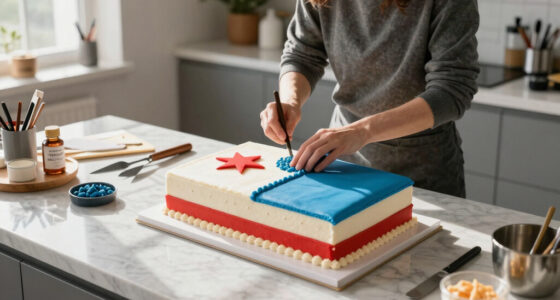
- Use a crumb coat: Apply a thin layer of frosting, chill again, then add the final coat. This sealing layer helps lock in stability and reduces the chance of melting or sliding. It also provides a cleaner finish and better adhesion for decorative elements.

Satin Ice Fondant for Cake Decorating, White (2 Pound)
Exceptional workability makes Satin Ice fondant easy for anyone to use to make incredible cakes for any occasion
As an affiliate, we earn on qualifying purchases.
As an affiliate, we earn on qualifying purchases.
Are Vegan or Allergy-Friendly Frostings Just as Stable?
Yes, you can make vegan or allergy-friendly frostings that resist melting. Instead of gelatin, use plant-based stabilizers like agar-agar or arrowroot powder. These alternatives form a gel or stiffening agent that mimics traditional stabilizers’ effects, creating a firm, heat-resistant texture. The key lies in experimenting with quantities—too little may be ineffective, while too much can alter flavor and texture.
For example, a vegan baker used agar-agar in her fondant recipe, and it held up perfectly during a summer outdoor fair. She found that, with thorough chilling and proper mixing, these plant-based options could match the stability of gelatin-based frostings, making them excellent choices for those with dietary restrictions or allergies. Recognizing that these alternatives might require adjustments in preparation time and ingredient ratios is important for achieving optimal results.
Why Your Frosting Might Be Sliding Off and How to Fix It
Frosting slides off because it’s too warm, too soft, or not adhering well to the cake surface. This can happen due to improper temperature control, insufficient stabilizers, or applying frosting in humid conditions. To fix this, thoroughly chill your cake and frosting before assembly. Applying a crumb coat and refrigerating again creates a firm base that reduces melting and sliding. Using a stabilizer or fondant adds extra grip, especially in outdoor settings where heat and humidity are factors.
For example, after noticing her buttercream slipping on a warm day, a baker chilled her cake for an extra hour and added a gelatin stabilizer, which kept her decorations perfectly in place. The tradeoff is that over-chilling can sometimes cause cracking or difficulty spreading, so balance is key. Proper handling and understanding your environment can prevent common pitfalls, ensuring your decorated cake remains intact and visually appealing even in challenging conditions.
Frequently Asked Questions
Can I make a heat-resistant frosting without gelatin?
Yes, plant-based options like agar-agar or arrowroot powder can stabilize frostings effectively. They work similarly to gelatin but are suitable for vegans and those with allergies.How long can a stabilized frosting stay firm outside?
With proper stabilizers and refrigeration, a frostings like fondant or royal icing can maintain their shape for several hours in warm weather, even up to 4-6 hours outdoors.Will stabilizers affect the taste of my frosting?
Most stabilizers have minimal impact on flavor if used in correct quantities. Gelatin adds a slight neutral taste, while vegan options like agar-agar are quite mild.Is fondant really better for outdoor cakes?
Fondant’s smooth, firm texture makes it less prone to melting or sagging in heat. It creates a barrier that resists humidity and warmth, making it ideal for display cakes or outdoor celebrations.What’s the best way to store a heat-resistant cake before serving?
Keep the cake refrigerated until close to serving time. If you need to transport it, wrap it well and avoid exposing it to direct sunlight or high temperatures.Conclusion
Creating frostings that won’t melt or slide off is all about choosing the right ingredients and handling them with care. A stabilized frosting can turn a summer outdoor cake into a showstopper—crisp, firm, and picture-perfect even in the heat.
Next time you bake for a warm day, remember: stability is your secret weapon. With a few simple tricks, your desserts will stay as beautiful as they are delicious—regardless of the weather.