
TL;DR
Most baked goods can adapt to egg substitutes that match their function—whether binding, leavening, or moisture. Options like flaxseed, applesauce, aquafaba, and commercial products are reliable, each suited for different recipes and dietary needs.
Eggs are the backbone of many baked treats, but what if you’re out of eggs, have allergies, or choose a plant-based lifestyle? The good news: you don’t have to give up your favorite baked goodies. There’s a world of egg substitutes that can mimic eggs’ roles—binding, leavening, or adding moisture—without sacrificing flavor or texture.
In this guide, I’ll walk you through the most practical options, how they work, and when to use each. No fluff, just real, usable tips to keep your baking flexible and inclusive. Whether you’re baking cookies, cakes, or muffins, you’ll find a substitute that fits your needs.
Identify the main role eggs play in your recipe—binding, leavening, or moisture—and choose your substitute accordingly.
Flaxseed and chia seeds are reliable for binding; applesauce and mashed bananas add moisture and sweetness; aquafaba excels in egg whites and airy desserts.
Always test new substitutes in small batches to understand how they affect flavor, texture, and baking time.
Commercial egg replacers offer convenience and consistency, especially for complex recipes or multiple eggs.
Adjust liquids and baking times as needed, since substitutes can change the batter’s consistency and cooking dynamics.
What Do Eggs Do in Baking? Here’s Why Your Substitutes Need to Do the Same
Eggs serve four main functions: binding ingredients together, adding moisture, acting as a leavening agent, and contributing flavor and richness. When you swap out eggs, you need to match at least one or two of these roles, depending on the recipe.
Understanding these roles helps you choose the most effective substitute. For instance, in a dense brownie, eggs primarily bind and add moisture; using a substitute that replicates these functions ensures your brownies stay moist and cohesive. In contrast, a soufflé relies on eggs for lift, so a substitute like aquafaba, which creates a light foam, is essential. Recognizing what your recipe depends on guides your choice—whether it’s applesauce for moisture, flaxseed for binding, or aquafaba for leavening.
Failing to match the egg’s role can lead to undesirable results: a cake that doesn’t rise, cookies that are overly dense, or a dry texture. Thus, grasping the functional importance of eggs in each recipe is crucial for successful substitution and maintaining the intended texture and flavor.
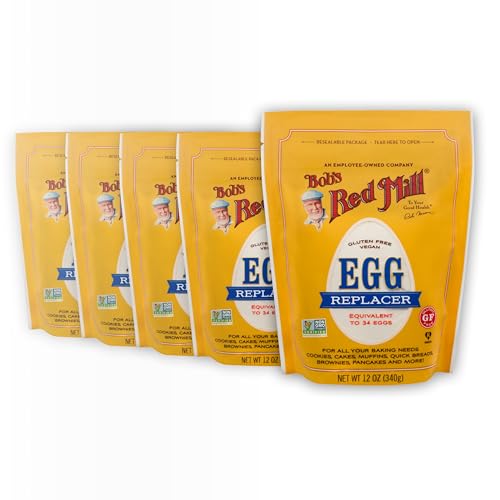
Bob's Red Mill GF Egg Replacer, 12 Ounce Bag (Pack of 5), Equals 34 Eggs/Bag, Gluten Free, Non-GMO, Vegan, Paleo Friendly
Versatile Egg Alternative: Bob's Red Mill Egg Substitute provides a versatile solution for recipes that traditionally require eggs,…
As an affiliate, we earn on qualifying purchases.
As an affiliate, we earn on qualifying purchases.
Top 5 Egg Substitutes — Which One Works Best for Your Baking Needs
Here are the most common egg substitutes, with guidance on when to use each and why:
- Flaxseed or Chia Seeds: 1 tablespoon ground + 3 tablespoons water = 1 egg. This mixture creates a gel-like consistency that mimics the binding properties of eggs. It’s particularly effective in muffins, cookies, and pancakes where structure and moisture are needed. The slight nutty flavor can complement hearty baked goods, but it might be noticeable in delicate cakes.
- Applesauce or Mashed Bananas: 1/4 cup replaces 1 egg. These purees add moisture and a bit of sweetness, making them ideal for moist cakes, quick breads, and muffins. However, they can alter the flavor profile by introducing fruity notes and tinting the batter, which is desirable in some recipes but not in others. The tradeoff is that they may make baked goods denser or softer than traditional eggs.
- Aquafaba: 3 tablespoons liquid from cooked chickpeas = 1 egg white. Its foaming ability makes it invaluable for light, airy desserts like meringues and mousses. The neutral flavor ensures it doesn’t interfere with delicate flavors, but its fragility means it needs careful handling. Overbeating or improper storage can cause collapse, so understanding its properties helps you use it effectively.
- Commercial Egg Replacers: Follow package instructions. These products are designed to mimic eggs’ binding and leavening functions, often containing starches and leavening agents. They offer consistency and convenience, especially for complex recipes or multiple eggs, but they may lack the flavor complexity of natural substitutes. The tradeoff is ease of use versus the potential for a more processed ingredient.
- Silken Tofu: 1/4 cup blended tofu replaces eggs in dense baked goods like brownies or dense cakes. It adds moisture, richness, and protein without significantly changing flavor. Its neutral taste and dense texture can improve the moistness of baked items, but overusing it may result in a heavy or gummy consistency. Balancing tofu with other ingredients helps achieve the desired texture.
Choosing the right substitute depends on the specific role eggs play in your recipe—whether it’s for binding, leavening, or moisture—and your flavor preferences. Recognizing these nuances ensures your baked goods turn out just as you want them, with the right texture and taste.

Just Inc, Egg Liquid Plant Based, 16 Ounce
5 grams of protein per serving
As an affiliate, we earn on qualifying purchases.
As an affiliate, we earn on qualifying purchases.
A Step-by-Step Guide to Using Egg Substitutes Effectively
To get the best results, follow these practical steps when substituting eggs:
- Identify the primary role of eggs in your recipe. Is it binding, leavening, or moisture? This determines your choice of substitute.
- Match your substitute to the role: Use flaxseed or chia seeds for binding, aquafaba for leavening, applesauce or bananas for moisture.
- Adjust other ingredients if necessary: Since some substitutes add moisture or flavor, consider reducing other liquids or flavors to maintain balance.
- Test in small batches first: Before baking a large batch, try your chosen substitute in a small test to observe texture and flavor changes.
- Fine-tune your baking time and temperature: Substitutes can change baking dynamics. Keep an eye on your baked goods and adjust as needed.
- Record your results: Note what worked and what didn’t for future reference, especially when experimenting with new substitutes.
By following these steps, you’ll develop a practical framework for consistently successful egg-free baking, tailored to your recipes and taste preferences.

Bob's Red Mill Organic Flaxseed Meal, 16oz (Pack of 1) – Organic, Non GMO, Gluten Free, Vegan, Paleo Friendly, Keto Friendly, Kosher
SMALL SEEDS. NATURAL POWER: With its mild, nutty flavor, Bob’s Red Mill Organic Flaxseed Meal blends seamlessly into…
As an affiliate, we earn on qualifying purchases.
As an affiliate, we earn on qualifying purchases.
Frequently Asked Questions
Can I replace eggs in all baked goods?
Most baked goods can adapt to egg substitutes, but recipes like soufflés or angel food cake rely heavily on eggs for leavening. In those cases, finding an exact match is trickier, but for most cakes, cookies, and muffins, substitutions work well.Applesauce, mashed bananas, or commercial egg replacers usually give good results in cookies, providing moisture and binding without changing the flavor too much. Adjust baking time slightly if needed.
How do egg substitutes affect flavor and texture?
Substitutes like bananas or flaxseed can add a nutty or fruity note, which can enhance or alter the flavor profile of baked goods. Texture-wise, expect cookies to be denser or moister, and cakes to have a softer crumb. The choice of substitute influences these aspects significantly, so understanding their properties helps in predicting the final outcome.Are all egg substitutes allergy-friendly?
Most are vegan and allergy-friendly—like aquafaba or commercial replacers—but always check labels for potential allergens or cross-contamination, especially if you have strict allergies. Some commercial products may contain soy or gluten, so reading labels is essential for allergy safety.Can I combine substitutes for better results?
Yes. Combining, like aquafaba with a pinch of baking powder, can improve rise and texture in complex recipes. For example, mixing flaxseed with a small amount of baking soda can enhance binding and leavening simultaneously. Experimenting in small batches helps you discover what works best for your specific recipes and dietary needs.
Aquafaba Powder (4oz) – Aquafaba For Cocktail Foamer and Meringues | Vegan Egg Replacer for Baking | 40 Egg Equivalent | Plant-Based, Gluten-Free, Vegan Meringue Powder | Shelf Stable Egg Substitute
Replaces 40 Eggs – One 4oz bag replaces up to 40 eggs. Perfect for both home or food…
As an affiliate, we earn on qualifying purchases.
As an affiliate, we earn on qualifying purchases.
Conclusion
Substituting eggs isn’t about tricks — it’s about understanding their role and matching that with the right ingredient. Whether you’re vegan, allergy-conscious, or just out of eggs, you’ve got options.
Next time you bake, think of egg substitutes as a way to get creative and flexible. Your baked goods will thank you with rich textures, great flavors, and a little extra kindness for your dietary needs.