
TL;DR
To check if your baking powder is still active, mix a teaspoon with hot water or vinegar. If it bubbles vigorously, it’s good to go. Proper storage extends its shelf life, but testing is the most reliable way to be sure.
Ever opened a new box of baking powder, only to find your muffins fall flat? Or maybe you’ve kept an old jar on the shelf, wondering if it’s still worth using. The truth is, baking powder doesn’t last forever — but knowing how to tell if it’s still alive can save your baking day.
Instead of guessing or wasting ingredients, a quick test can reveal whether your baking powder will do its job or if it’s time to replace it. In this guide, you’ll learn the key signs of freshness, simple testing methods, and tips to make your baked goods rise perfectly every time.
What Does ‘Still Alive’ Mean for Baking Powder?
‘Still alive’ means your baking powder can produce enough carbon dioxide gas to lift your batter. When fresh, it reacts quickly and vigorously, creating those airy, light textures we love. Once it loses its potency, your baked goods may turn out dense or flat.
Understanding this concept is crucial because it directly impacts your baked goods’ texture. If your baking powder is no longer active, your cakes and muffins won’t rise properly, leading to dense, gummy, or flat results that can ruin your presentation and texture expectations. This is especially important during special occasions or when baking for others, where consistent quality matters. Recognizing the signs of decreased activity helps you maintain high standards and avoid wasting ingredients and time on failed bakes.
baking powder freshness test kit
As an affiliate, we earn on qualifying purchases.
As an affiliate, we earn on qualifying purchases.
How to Test Baking Powder’s Freshness in 3 Easy Steps
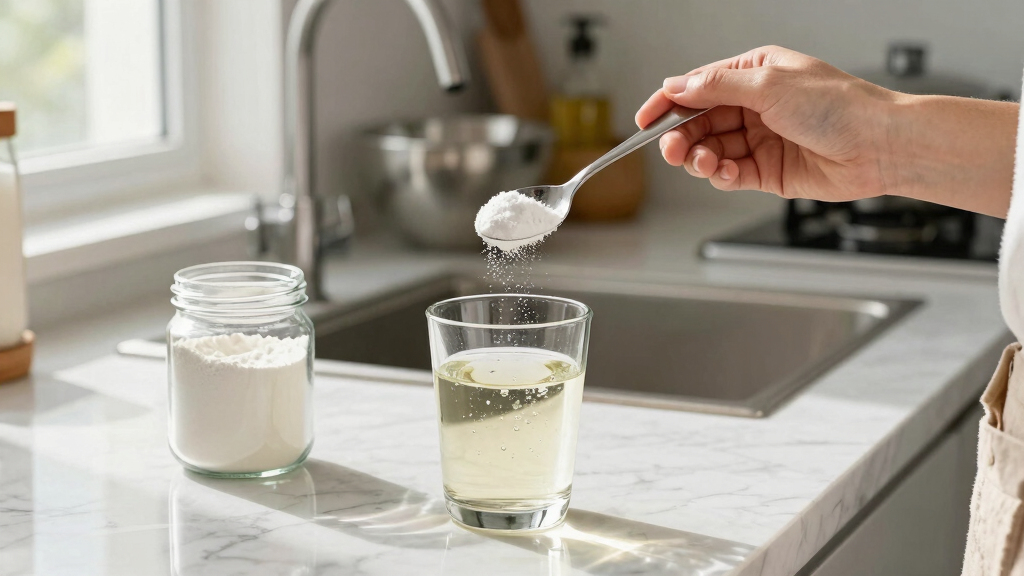
- Measure 1 teaspoon of baking powder.
- Mix it with 1/3 cup of hot water or vinegar in a clear glass.
- Watch for vigorous bubbling or fizzing. If it’s lively, your baking powder is still active; if not, it’s time to replace it.
This quick test works because fresh baking powder reacts rapidly with acids, releasing CO₂. The presence of vigorous bubbling indicates that the chemical reaction is still potent enough to leaven your baked goods effectively. Conversely, a weak or absent reaction signals that the leavening power has diminished, which could be due to age, exposure to moisture, or improper storage. Conducting this test before baking ensures your recipes will rise as intended, saving you from flat outcomes and wasted ingredients.
baking powder test vinegar
As an affiliate, we earn on qualifying purchases.
As an affiliate, we earn on qualifying purchases.
Signs Your Baking Powder Is Past Its Prime
Even if you don’t want to do a test, look for these clues, but keep in mind that they aren’t always definitive:
- Clumping or caking: Moisture has compromised it, which can reduce its effectiveness even if it looks fine physically.
- Discoloration: It’s turned gray or yellowish, indicating chemical changes that may affect its reactivity.
- Off smell: A sour or chemical odor suggests spoilage or contamination, which can affect both safety and performance.
While these signs can hint at deterioration, they don’t always correlate perfectly with activity. For instance, a powder might look fine but be inactive. Therefore, performing the bubbling test remains the most reliable way to assess whether your baking powder is still usable, ensuring consistent results and avoiding surprises in your baked goods.
leavening agent testing tools
As an affiliate, we earn on qualifying purchases.
As an affiliate, we earn on qualifying purchases.
Why Proper Storage Matters & How to Maximize Shelf Life
Baking powder’s shelf life depends heavily on storage. Keep it in an airtight container, away from humidity, heat, and light. In humid climates, consider refrigerating or freezing it in a sealed bag.
For example, a jar kept in a pantry corner can last about 6 months, but the same jar stored in the fridge might stay active for up to a year. Proper storage prevents moisture from triggering premature activation or degradation. This is crucial because moisture is the biggest enemy—causing clumping, reducing potency, and potentially causing the baking powder to become useless before its expiration date. Investing in proper storage not only extends the shelf life but also ensures that when you need it, your baking powder performs at its best, giving your baked goods the lift they need.
baking powder expiration checker
As an affiliate, we earn on qualifying purchases.
As an affiliate, we earn on qualifying purchases.
Conclusion
In conclusion, maintaining the freshness of your baking powder is essential for achieving perfect baked goods. Regularly testing its activity with simple bubbling tests and storing it properly can save you time, ingredients, and disappointment. Remember, a quick test before baking is the most reliable way to ensure your leavening agent is still effective. With these tips, you’ll always have confidence that your baked treats will rise beautifully, making every baking session a success. Keep these practices in mind, and enjoy consistently light and fluffy results in all your baking adventures.