
TL;DR
Choosing the right flour is key to baking success. All-purpose flour is versatile, bread flour offers more gluten for chewy bread, and cake flour creates tender, fine-crumb cakes. Knowing their differences helps you pick the perfect match for each recipe.
Ever wonder why some baked goods turn out perfectly fluffy, chewy, or tender, while others fall flat? It’s all about the flour. The type of flour you choose impacts the texture, rise, and even flavor of your baking. Getting familiar with the core differences can transform your kitchen results from good to great.
In this guide, I’ll walk you through all the key flours—what they are, how they behave, and when to use each one. Whether you’re making a crusty loaf, a delicate sponge, or everyday cookies, knowing which flour belongs in your recipe saves time, money, and disappointment.
Choose bread flour for chewy, high-rise bread thanks to its higher protein content.
Use cake flour for tender, delicate cakes with a fine crumb.
All-purpose flour is a versatile choice, but understanding its limits helps you tweak recipes successfully.
Substitutions work best when you adjust for protein content or add ingredients like vital wheat gluten.
Proper storage in a cool, airtight environment keeps your flour fresh longer.
What Is All-Purpose Flour, and Why Is It the Kitchen Chameleon?
All-purpose flour is the jack-of-all-trades in baking. Made from a blend of hard and soft wheat, it hits a sweet spot with around 10-12% protein. This balance makes it adaptable—perfect for cookies, pancakes, muffins, and even some bread.
Imagine it as the Swiss Army knife of flours: versatile enough to handle many recipes without sacrificing quality. Its fine grind creates a smooth batter or dough, and it’s a staple in most pantries for everyday baking.
For example, when you bake chocolate chip cookies with all-purpose flour, the result is a chewy, golden-brown treat. It’s the go-to for recipes that need a little structure but not the dense chew of bread or the delicate crumb of cake.

Gold Medal All Purpose Flour, Baking Flour, 5 lb Bag
PANTRY STAPLE: Our most versatile flour for any recipe that simply calls for flour; Brings out the best…
As an affiliate, we earn on qualifying purchases.
As an affiliate, we earn on qualifying purchases.
Why Bread Flour Makes Your Loaves Chewy and Rise Higher
Bread flour is made from hard wheat, packing a protein punch of 12-14%. That extra gluten gives bread dough strength, elasticity, and the ability to trap gas during fermentation. The result? Chewy, airy loaves with a satisfying crust.
Think of bread flour as the muscle in your baking arm. It provides the structure that holds up a rustic baguette or a chewy bagel. When you knead it, the gluten network develops, giving the dough its characteristic stretch and resilience.
Picture this: you’re making a homemade pizza. Using bread flour creates a crust with a pleasantly chewy bite, similar to what you’d find in a pizzeria. It’s the secret behind that perfect rise and texture.

King Arthur 100% Organic Bread Flour, Unbleached, 5 lb (Pack of 1) – Non-GMO Project Verified, No Preservatives
High Protein Flour: 12.7% protein – a full point more than other national brands, King Arthur flour ensures…
As an affiliate, we earn on qualifying purchases.
As an affiliate, we earn on qualifying purchases.
Cake Flour: The Secret to Light, Tender, and Fluffy Cakes
Cake flour is made from soft wheat, milled very finely, with a protein content of 7-9%. This low protein level produces less gluten, which means lighter, more tender baked goods.
Imagine it as the featherweight in your baking arsenal—delicately crafting sponge cakes, muffins, and delicate pastries that melt in your mouth. Its fine texture creates a fine crumb and softens the overall structure.
For instance, when you bake a classic Victoria sponge or chiffon cake with cake flour, it results in a cloud-like crumb that’s tender and airy. That’s the magic of low-protein flour in action.
Understanding this helps you appreciate why cake flour yields such tender results: the lower gluten formation minimizes toughness, allowing the delicate crumb to shine. This tradeoff means cakes are less chewy but more airy, making them ideal for light desserts.
Choosing cake flour over all-purpose flour in tender cakes isn’t just about texture—it also impacts the rise and crumb structure. The lower gluten content allows the cake to rise delicately without becoming dense or chewy, which is essential for achieving that perfect fluffy texture. However, using too little gluten can sometimes lead to a fragile structure, so balancing other ingredients like leavening and eggs is key to optimal results.

King Arthur Cake Flour, Unbleached and Unenriched, 2 lb (Pack of 1) – Non-GMO Project Verified, No Preservatives
Milled from the finest American wheat, our flour contains no bleach, no bromate and no artificial preservatives of…
As an affiliate, we earn on qualifying purchases.
As an affiliate, we earn on qualifying purchases.
Flour Trends: What’s New and Why It Matters
Flour options are evolving fast. Gluten-free flours like almond, rice, and coconut are gaining ground—especially for those with sensitivities. These alternatives often require different baking techniques but expand your creative options.
Meanwhile, enriched flours with added nutrients like iron and B vitamins are becoming more common, aligning with health-conscious trends. Organic and non-GMO flours let you bake with peace of mind, knowing your ingredients are cleaner and more sustainable.
Specialty flours—think spelt, einkorn, or ancient grains—bring new flavors and nutritional benefits. They often add a nutty or earthy note, making your baked goods stand out.
Plus, eco-friendly packaging and local sourcing are reshaping how flours reach your kitchen, emphasizing sustainability alongside quality.
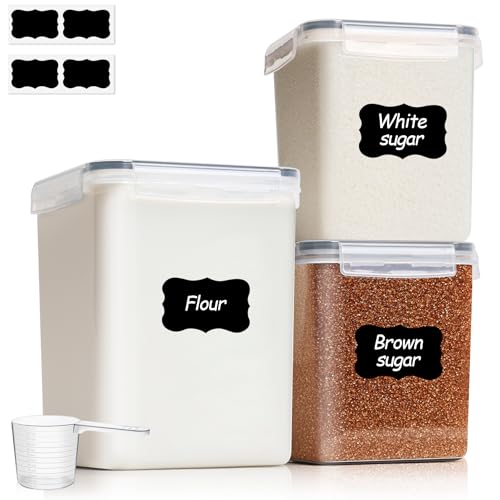
3 PCS Airtight Flour and Sugar Container for Pantry – 5lb Flour Capacity – 7.1 Inch Extra Wide Mouth Square Pantry Storage – Set of 3 (5.2L/5.5Qt) (2.5L/2.6Qt*2) – Stackable Baking Supplies Organizer
Suitable for Flour and Sugar Set: Our air tight pantry storage containers include a 5.5 Qt flour container…
As an affiliate, we earn on qualifying purchases.
As an affiliate, we earn on qualifying purchases.
Protein Content Is the Key to Perfect Texture—Here’s Why
Protein content is the main factor influencing a flour’s behavior during baking. It determines gluten development, which affects chewiness, rise, and crumb structure.
For example, bread flour’s 12-14% protein fosters a strong gluten network, giving bread its chewy bite and good rise. Cake flour’s lower 7-9% results in less gluten, leading to tender, fine-textured cakes.
When you experiment with substitutions—say, replacing bread flour with all-purpose—you might notice a denser loaf or a less chewy crust. Understanding this helps you tweak recipes for better results.
According to an anonymous researcher, balancing protein content is like tuning a musical instrument—small adjustments make a big difference in the final sound (or texture!).
Can You Swap Flours? When and How to Make It Work
Yes, you can swap flours, but results depend heavily on the recipe and your expectations. For example, replacing bread flour with all-purpose in bread can work if you add a little vital wheat gluten—about 1 teaspoon per cup of flour—to compensate for the lower protein.
Similarly, substituting cake flour in a cake can give a softer crumb, but you might need to adjust liquids or leavening. Always test small batches first to avoid wasting ingredients.
For instance, I once swapped cake flour into a sponge cake recipe, and it turned out even lighter—proof that understanding flour properties helps you experiment confidently.
Store Your Flour Right—Keep It Fresh and Fluffy
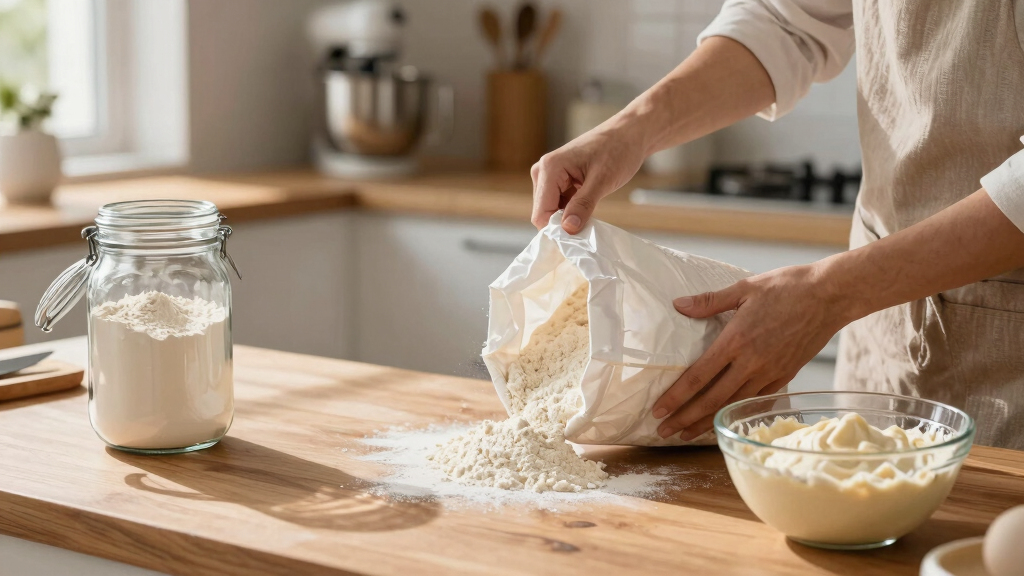
Proper storage keeps your flour fresh and prevents spoilage. Store flour in an airtight container in a cool, dry place away from direct sunlight.
If you buy in bulk or want to extend shelf life, refrigerate or freeze your flour. Just bring it to room temperature before baking to avoid clumping or altering your recipe’s texture.
For example, I keep a large jar of organic whole wheat flour in the fridge—when I bake, it’s always fresh, and I avoid the musty smell that can develop over time.
Frequently Asked Questions
Can I use all-purpose flour for bread?
Yes, you can, especially if you add a teaspoon of vital wheat gluten per cup to boost gluten development. Keep in mind, the bread might be a little less chewy and have a slightly different rise, but it can still turn out delicious.
Is bleached or unbleached flour better?
Both work well in most recipes. Bleached flour is treated with chemicals to whiten and soften it, making it ideal for tender baked goods. Unbleached flour is more natural and has a slightly denser texture, which is great for bread and hearty baked goods.
What’s the healthiest flour choice?
Whole grain flours like whole wheat, spelt, or oat are more nutrient-dense, offering more fiber, vitamins, and minerals. They may change the flavor and texture but add nutritional value to your baked treats.
How should I store my flour?
Store flour in an airtight container in a cool, dry place. For longer shelf life, refrigerate or freeze it, especially if you buy in bulk. Always bring it back to room temperature before baking for best results.
Conclusion
Getting familiar with the subtle differences between flours turns baking into a science and an art. When you match the right flour to your recipe, you unlock consistent, satisfying results every time.
Next time you bake, think of flour as the foundation of your creation—choose wisely, and watch your baked goods come alive with perfect texture and flavor.