
TL;DR
Fan-forced (convection) settings circulate hot air for faster, more even cooking. Use them for roasting, cookies, and multiple trays, but skip for delicate baked goods like soufflés or sponge cakes. Adjust temperatures down by about 20°C when using this mode.
Use fan-forced for cookies, roasting, and multiple trays to save time and ensure even cooking.
Always reduce your oven temperature by about 20°C (36°F) when switching to fan-forced to avoid over-browning.
Skip fan-forced when baking delicate items like soufflés, sponge cakes, or custards to prevent uneven rising or drying out.
Modern ovens with smart controls and multiple fan speeds can fine-tune results for better baking precision.
Monitor early during baking to prevent overcooking, especially when using fan-forced mode.
Fan-Forced Settings: When to Use Them and When to Skip
TL;DR: Fan-forced ovens circulate hot air for faster, more even cooking. Use the setting for roasting, cookies, crisp pastry, and multiple trays. Skip it for delicate baked goods like souffles, sponge cakes, custards, and anything that needs gentle, moist heat.
Lower the recipe temperature by about 20°C, or 36°F, when switching from conventional heat to fan-forced.
Fan-forced cooking can reduce cooking time by roughly a quarter, especially for roasting and multi-rack baking.
Check food sooner than usual: moving hot air browns faster and can dry delicate textures if left unchecked.
Moving air turns the oven into a faster, drier heat system.
Fan-forced, convection, fan-assisted, and fan bake all describe the same core idea: a fan moves hot air around food so browning is more even and cooking is often quicker.
Fewer pale centers and burnt edges
Circulating air reduces stagnant hot spots, helping cookies, roasted vegetables, and pastry brown across the tray.
Less time at a lower temperature
Because heat reaches the food more efficiently, recipes usually need a lower setting and earlier doneness checks.
Great for crisping, risky for tenderness
The same airflow that crisps potatoes can dry a sponge cake or disturb a custard before it sets smoothly.

DG96-00110E DG96-00110A Electric Range Oven Convection Fan Motor Assembly Fits for Samsung,Replaces AP5967760, PS11720787,Convection Motor with Mounting Plate,Clockwise Rotation 32 A, 60Hz, 120 Volts
Replacement part number:DG96-00110E. Replace Numbers DG96-00110A, AP5967760, PS11720787. Designed for Samsun Range/Stove/Ovens systems,Convection motor with mounting plate |…
As an affiliate, we earn on qualifying purchases.
As an affiliate, we earn on qualifying purchases.
The smart fan-forced workflow.
Treat convection as a controlled adjustment, not a universal upgrade. Lower heat, create airflow, and inspect doneness before the original recipe time.
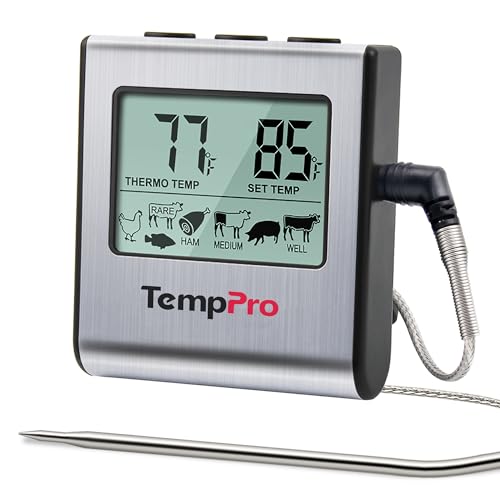
TempPro TP16 Large LCD Digital Meat Thermometer for Smoker Oven Kitchen BBQ Grill Thermometer Clock Timer with Stainless Steel Temperature Probe, Cooking Gifts for Father&Husband(Previously ThermoPro)
Cook mode with USDA preset temperature settings: TempPro cooking thermometer ideal for meat, oven, smoker or stove top;…
As an affiliate, we earn on qualifying purchases.
As an affiliate, we earn on qualifying purchases.
The practical decision table.
Fan-forced works beautifully when browning, crisping, or multi-rack consistency matters. It becomes risky when structure, moisture, and gentle rise matter more.
| Food Type | Fan-Forced? | Why It Works Or Fails | Adjustment |
|---|---|---|---|
| Cookies Oatmeal, chocolate chip, shortbread |
✓ | Edges crisp faster while the tray bakes more evenly. | Lower heat by 20°C and rotate only if your oven has obvious hot spots. |
| Roast vegetables Potatoes, carrots, broccoli |
✓ | Airflow accelerates caramelization and helps moisture evaporate. | Use shallow trays and avoid crowding for maximum browning. |
| Multiple trays Muffins, biscuits, sheet-pan batches |
✓ | Moving heat reduces uneven rack performance. | Keep gaps between trays so air can circulate. |
| Sponge cakes Chiffon, genoise, light layers |
✕ | Rapid air movement can set edges too soon and disrupt a delicate rise. | Use conventional heat unless the recipe specifically says convection. |
| Custards and poached fish Gentle, moist cooking |
✕ | Dry moving air can disturb texture and moisture control. | Choose static heat, steam, or a water bath. |
| Bread and pastry Crust-focused bakes |
~ | Can improve crust, but some artisan styles need conventional heat or steam. | Follow the recipe; use fan late if extra crispness is needed. |

GoodCook 15” x 10.5” Nonstick Carbon Steel Baking Pan & Raised Wire Rack – Pizza Crisper, Crispy Bacon, Multipurpose Cooking Sheet Pan, Cooling Rack, Kitchen Cookware Set, Dishwasher Safe
CRISPY BAKING SHEET SET: Ensure crisp results every time in the oven. This 15” x 10.5” nonstick baking…
As an affiliate, we earn on qualifying purchases.
As an affiliate, we earn on qualifying purchases.
Where fan-forced gives the biggest payoff.
The best candidates share one trait: they benefit from active surface drying and consistent browning. The weakest candidates need soft, stable, moist heat.
Fan-forced suitability
Relative fit by cooking task, based on airflow benefits versus texture risk.
Conversion shortcut
If a conventional recipe says 180°C, fan-forced usually starts around 160°C. Then check doneness earlier than the printed time.
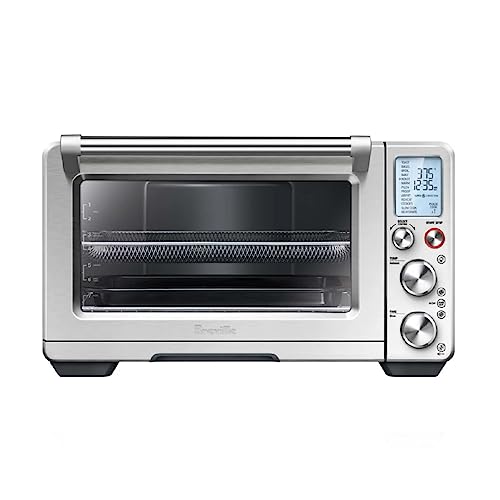
Breville BOV900BSS Smart Oven Air Fryer Pro and Convection Oven, Brushed Stainless Steel
The Breville Smart Oven Air Fryer Pro with Element iQ System is a versatile countertop oven allowing you…
As an affiliate, we earn on qualifying purchases.
As an affiliate, we earn on qualifying purchases.
Smarter fans make convection less blunt.
Newer ovens may offer multiple fan speeds, sensors, hybrid steam modes, and app-guided presets. These features can reduce guesswork, but the food still decides the setting.
Use smart convection for precision.
Best for: roast chicken, trays of vegetables, pastry, cookies, and batch baking. Sensors and fan-speed controls help tune airflow without forcing one harsh setting onto every dish.
Protect delicate structure.
Skip it for: souffles, sponge cakes, custards, and recipes that explicitly call for conventional heat. Slower static heat can preserve rise, moisture, and tenderness.
Fan-forced questions people actually ask.
When in doubt, ask whether the dish wants crispness or tenderness. Crispness likes fan-forced. Tenderness often prefers still heat.
No, not all recipes convert well.
Use it for many bakes and roasts, but avoid it for souffles, sponge cakes, custards, and recipes that prohibit convection.
Usually, yes, it can save energy.
Lower temperatures and shorter cooking times can reduce energy use while maintaining good browning and doneness.
Clean airflow matters.
Keep the oven clean, avoid blocking vents, and follow manufacturer guidance so the fan can circulate heat properly.
Turn the fan on when surface results matter.
Fan-forced settings are powerful because they move heat where it needs to go. Use them when you want speed, crispness, and even browning. Skip them when a dish depends on gentle rise, moisture, or fragile structure.
The winning formula
Use fan-forced, reduce by 20°C, space trays well, and check early. That small adjustment often turns good baking into reliably great baking.
The caution formula
If the recipe is delicate, eggy, airy, or moisture-sensitive, use conventional heat unless the recipe says otherwise.
What is a fan-forced setting and why does it matter?
Fan-forced, or convection, is a setting on modern ovens that uses a built-in fan to circulate hot air evenly around your food. This circulation speeds up cooking and promotes uniform browning. Imagine a breeze gently blowing across a freshly baked pie, crisping the crust perfectly while the filling stays tender. According to Aromas Healthy Bake, this setting can reduce cooking times by about 20-25%. That’s like shaving a quarter off your baking schedule while boosting consistency. Understanding this feature helps you decide when it’s your best friend and when it might cause more harm than good.
Why does this matter? Uniform heat distribution means less guesswork and fewer burnt edges or undercooked centers. It also allows for more efficient use of your oven—saving time, energy, and reducing the risk of uneven results. However, the tradeoff is that sensitive baked goods may dry out or rise improperly if not managed carefully, which is why understanding the nuances of this setting is crucial.
When should you turn on the fan-forced setting? Real-life scenarios that work
If you’re baking cookies or roasting vegetables, fan-forced is your go-to. For example, baking a batch of oatmeal cookies? The circulating air crisps the edges beautifully, giving them that perfect crunch without burning the bottoms. Roasting potatoes? The air movement speeds up caramelization, making every piece irresistibly golden. When baking multiple trays of muffins or bread, fan-forced prevents flavor transfer and ensures even rising. For busy weekends, switching on the fan can cut your oven time by a significant margin, saving energy and giving you more time to relax.
However, the key is understanding the implications of these adjustments. Reducing the temperature by about 20°C (36°F) helps prevent over-browning, but it also means you need to monitor your food more closely, as cooking times will be shorter. For instance, if a recipe calls for 180°C (356°F), setting the oven to around 160°C (320°F) may seem straightforward, but the actual baking time may decrease by 10-15 minutes. This requires you to develop a sense of timing and observation, so you can pull your baked goods out at just the right moment—before they become overdone or dry.
When should you skip fan-forced? Think twice before using it
Fan-forced isn’t your best friend for delicate baked goods. Think of a soufflé or sponge cake — the air circulation can cause them to dry out or rise unevenly. For example, trying to bake a fluffy chiffon cake on convection mode might result in a dense, uneven rise because the rapid heat distribution can interfere with delicate leavening processes. Similarly, custards or poached fish benefit from gentle, moist heat that fan circulation can disrupt, leading to uneven cooking or drying out. When a recipe explicitly states to avoid convection, it’s best to follow those instructions. Sometimes, traditional static heat provides a softer, more controlled environment — perfect for fragile dishes.
Choosing to skip fan-forced in these cases isn’t just about preventing immediate problems; it’s about understanding the tradeoffs. Without the circulating air, baking might take longer, but the heat remains gentler and more evenly distributed in a way that preserves delicate textures and moisture. This can be especially important for achieving the right rise, preventing cracks, or maintaining moisture in tender dishes. Recognizing when to opt for static heat ensures you don’t compromise on quality or consistency.
How modern ovens enhance fan-forced baking: What you need to know
Newer models of ovens come with smarter fan controls, multiple speeds, and sensors that tweak airflow for perfect results. Some ovens even have hybrid modes combining fan-forced with steam or other techniques. For example, an oven with a ‘smart convection’ setting can automatically adjust fan speed based on what you’re baking. This means better browning, less guesswork, and more consistent outcomes. Plus, energy-efficient features help you save on power without sacrificing performance. If your oven boasts these extras, you’ll get more precise control and better results, whether roasting a chicken or baking delicate pastries. These advancements reduce the need for manual temperature adjustments and allow for more nuanced baking, which can be especially beneficial for complex recipes or precise textures.