TL;DR
Healthy baking utensils are made from non-toxic, durable materials like silicone, stainless steel, and glass. They reduce chemical exposure and are often eco-friendly. Choosing the right tools makes baking safer and more sustainable.
Ever noticed how your kitchen tools can influence the way your baked goods turn out? Or how certain utensils seem safer, but you’re not quite sure why? The truth is, the materials you use in baking can impact both your health and the environment.
In this article, you’ll learn how to spot truly safe, eco-friendly baking utensils and why they matter. Whether you’re a home baker or just looking to upgrade your toolkit, making smart, healthy choices can change your baking game—and your peace of mind.
Choose utensils made from food-grade silicone, stainless steel, glass, or bamboo for safe baking.
Avoid plastics with BPA and coatings that can peel or leach chemicals when heated.
Eco-friendly options like bamboo and recycled plastics reduce environmental impact without sacrificing safety.
Proper maintenance extends the life and safety of your baking tools.
Read labels carefully and invest in high-quality utensils for peace of mind and durability.
What Makes a Baking Utensil Truly Safe and Healthy?
Healthy baking utensils are made from materials that won’t leach toxins into your food. Think BPA-free plastics, food-grade silicone, stainless steel, and borosilicate glass. These materials stand up to heat without releasing harmful chemicals.
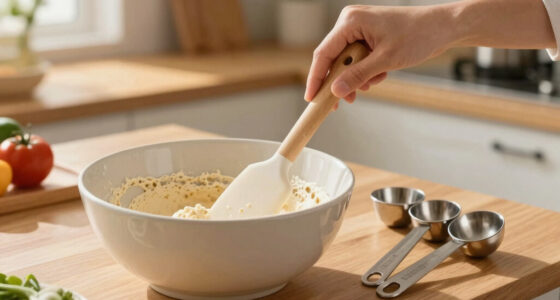
For example, a silicone spatula that’s free from fillers can resist temperatures up to 500°F (260°C). It won’t crack, warp, or release toxins during high-temperature baking. Avoid utensils with coatings that peel or plastics with BPA, which can seep into your baked goods over time.
Choosing safe utensils isn’t just about health—it’s also about durability and ease of cleaning. High-quality stainless steel, for instance, can last decades with proper care. It’s non-reactive and easy to sanitize, making it a smart long-term investment.

ChefAide 5 Pieces Silicone Spatula Set, Food Grade Rubber Spatula, Upgrade Strong Handle with Ergonomic Grip, Heat Resistant Up to 600°F for Nonstick Cookware, Cooking
Premium 100% Food Grade Silicone: The silicone spatula set is made of healthy and friendly material, resistant to…
As an affiliate, we earn on qualifying purchases.
As an affiliate, we earn on qualifying purchases.
Top 5 Materials for Healthy Baking Utensils and Why They Matter
| Material | Benefits | Common Uses |
|---|---|---|
| Food-grade silicone | Heat-resistant, non-toxic, flexible | Spatulas, baking mats, brushes |
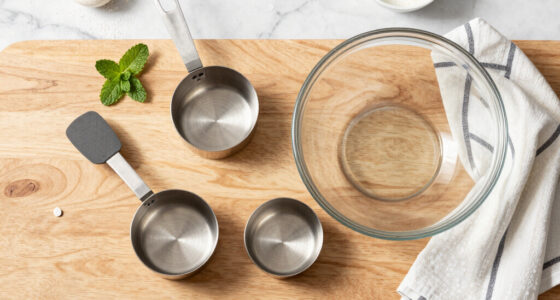
| Stainless steel | Durable, non-reactive, dishwasher-safe | Measuring spoons, mixing bowls, whisks |
| Borosilicate glass | Non-reactive, transparent, oven-safe | Baking dishes, measuring cups |
| Bamboo | Renewable, biodegradable, lightweight | Utensil handles, spoons, cutting boards |
| Recycled/recyclable plastics | Eco-friendly, lightweight | Measuring cups, storage containers |
Each material has its strengths. Silicone offers flexibility and heat resistance, which means it can handle high temperatures without degrading or releasing toxins—crucial for baking safety. Stainless steel’s durability and non-reactivity make it ideal for utensils that need to withstand frequent use and cleaning, minimizing chemical transfer. Glass’s transparency allows you to monitor your food as it cooks, and its oven-safe nature supports a variety of baking needs. Bamboo’s renewability and biodegradability make it a sustainable choice, but it requires proper care to prevent mold and deterioration. Recycled plastics are lightweight and eco-friendly, but their durability varies, so selecting high-quality options is key to ensuring safety over time.
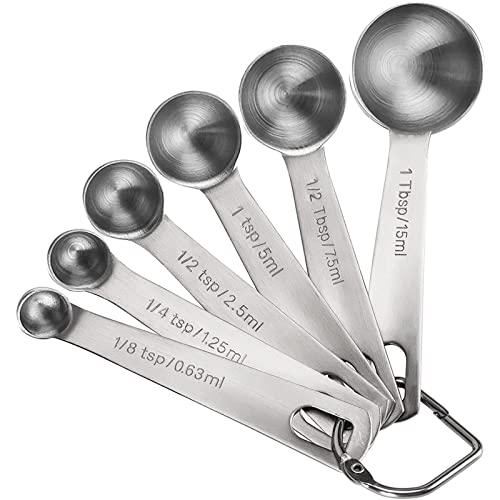
Measuring Spoons, Premium Heavy Duty Stainless Steel Measuring Spoons Cups Set, Small Tablespoon with Metric and US Measurements, Set of 6 for Measuring Dry and Liquid Ingredients
GUARANTEE SAFE FOR COOKING: Are you worried about silicone and plastic tools not safe for cooking? Protect your…
As an affiliate, we earn on qualifying purchases.
As an affiliate, we earn on qualifying purchases.
How to Pick the Right Utensils for Your Kitchen
- Identify your baking style and needs. Do you bake bread, cookies, or cakes? Different tasks may require different tools.
- Look for labels like food-grade and BPA-free. Always check the manufacturer’s info.
- Prioritize durability. Stainless steel and borosilicate glass often last longer and withstand more heat.
- Choose eco-friendly options like bamboo or recycled plastics for sustainability.
- Maintain your tools by cleaning thoroughly and avoiding harsh abrasives—this keeps them safe and functional for years.
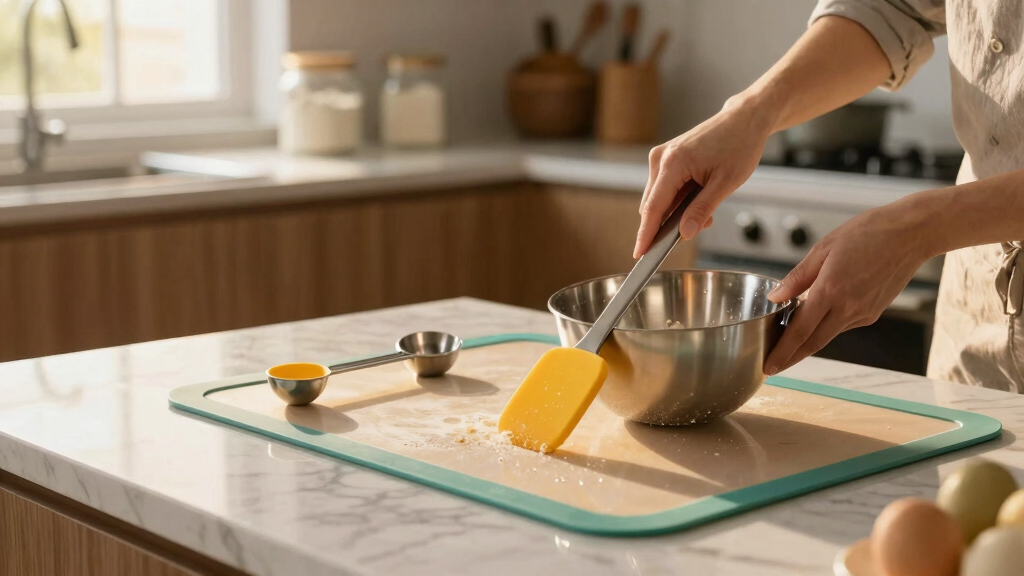
For example, if you bake gluten-free bread weekly, investing in a high-quality silicone spatula and a stainless steel mixing bowl will improve safety and performance. Remember, selecting the right tools is about balancing your specific baking needs with the longevity and safety of the materials used. Sometimes, a combination of materials—like a silicone spatula paired with stainless steel bowls—can offer both safety and versatility, ensuring your kitchen is both functional and health-conscious.
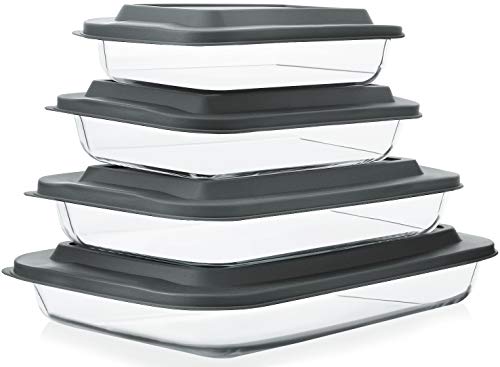
8-Piece Deep Glass Baking Dish Set with Plastic lids,Rectangular Glass Bakeware Set with Lids, Baking Pans for Lasagna, Leftovers, Cooking, Kitchen, Freezer-to-Oven and Dishwasher, Gray
PREMIUM LARGE BAKING PAN SET: Our baking dishes are made of borosilicate glass, can be used in microwave,…
As an affiliate, we earn on qualifying purchases.
As an affiliate, we earn on qualifying purchases.
Common Mistakes That Make Baking Utensils Unsafe
Many home bakers unknowingly choose unhealthy options. Using old non-stick coatings that have chipped, plastic utensils that aren’t BPA-free, or cheap silicone that’s filler-laden can all introduce toxins.
Another mistake is ignoring how utensils react under heat. For instance, using plastic spatulas in the oven can cause melting and chemical release. Always check maximum temperature ratings.
Even storing utensils improperly—like leaving bamboo in damp environments—can lead to mold or deterioration, compromising safety and hygiene.
Additionally, some bakers overlook the importance of material compatibility. For example, using metal utensils with non-stick coatings can scratch or damage the surface, reducing its safety and effectiveness. Recognizing these pitfalls helps prevent accidental chemical exposure and extends the lifespan of your tools, ensuring safer baking practices over time.

Bamboo Utensils 7 PCs with Holder – Bamboo Cooking Utensils Set + Holder for Nonstick – Wooden Spoon Sets for Cooking – Easy to Clean, Sturdy, Lightweight & Heat Resistant
BAMBOO WOODEN UTENSIL SET: Includes 7 essential bamboo cooking utensils and a convenient holder for all your cooking…
As an affiliate, we earn on qualifying purchases.
As an affiliate, we earn on qualifying purchases.
Eco-Friendly Baking Utensils That Save the Planet and Your Peace of Mind
Switching to eco-friendly utensils isn’t just good for the planet—it can also make your kitchen safer. Bamboo spoons, for example, grow quickly and biodegrade naturally. Recycled plastics minimize waste, and glass lasts for decades.
Imagine baking a loaf of bread with a bamboo spoon—lightweight, natural, and free from harmful chemicals. Plus, these materials often require less energy to produce and process.
Many brands now offer sets made from recycled plastics or sustainable bamboo, making it easier to upgrade your kitchen responsibly.
How to Maintain Your Healthy Baking Utensils for Long-Lasting Safety
Proper care keeps your utensils safe and effective. Wash silicone and stainless steel with warm soapy water after each use. For glass, avoid sudden temperature changes to prevent cracking.
Dry everything thoroughly, especially bamboo, to prevent mold. Store utensils in dry, clean drawers or racks. Avoid leaving wooden or bamboo utensils soaking—prolonged moisture can cause deterioration.
Inspect regularly for cracks, warping, or peeling. Replace any tool that shows signs of damage to keep your baking safe.
Understanding the importance of proper maintenance helps prevent safety hazards like mold growth in bamboo or cracks in glass, which could harbor bacteria or cause accidents. Proper maintenance also preserves the integrity of your utensils, ensuring they don’t develop hidden weaknesses that could lead to breakage or contamination during baking. Investing time in cleaning and inspecting your tools is a small step with significant safety rewards, keeping your kitchen a healthy environment for baking.
Frequently Asked Questions
Are silicone baking utensils safe?
Yes, when they’re food-grade and free from fillers, silicone utensils are considered safe. They withstand high temperatures without releasing toxins, making them a popular choice in healthy baking.
What materials should I avoid in baking utensils for health reasons?
Avoid plastics with BPA, non-stick coatings that can peel, and any utensils with Teflon or PTFE that may release fumes when overheated. Always check for labels indicating safety and non-toxicity.
How can I tell if a utensil is non-toxic?
Look for clear labeling such as ‘food-grade,’ ‘BPA-free,’ and certifications from reputable safety organizations. Reputable brands typically provide this info upfront.
Are eco-friendly utensils as durable as traditional ones?
Many eco-friendly options like bamboo and recycled plastics are surprisingly durable—especially with proper care. They may not last as long as stainless steel but are a great sustainable choice.
What are the best utensils for reducing chemical exposure during baking?
Silicone, stainless steel, and borosilicate glass are the safest options. They are non-reactive and heat-resistant, minimizing chemical leaching into your baked goods.
Conclusion
Switching to healthy baking utensils isn’t just about safety—it’s a step toward more mindful, sustainable baking. Every time you pick a tool, you’re making a choice that affects your health and the planet. So, next time you bake, consider whether your utensils are truly safe—and choose wisely.
After all, the right tools can turn baking from a chore into a joy, with peace of mind baked right in.