This guide helps you choose and use baking utensils made from safe, non-toxic materials. It’s ideal for home bakers seeking healthier kitchen tools. The process involves evaluating materials, selecting appropriate utensils, and implementing best practices for safe baking. The goal is to prevent exposure to harmful chemicals and promote eco-friendly choices, all within a manageable timeframe.

Skinny Spurtle, 11 Inch Acacia Wood Sourdough Spatula for Baking and Dough Mixing
- ✔ Material: Natural Acacia Wood
- ✔ Length: 11 inches
- ✔ Width: 1.3 inches

Ziruma Non-Toxic Wooden Utensils Set, 6-Piece, No Glue or Mineral Oil, Solid Acacia Wood, Longer Handles
- ✔ Material: Solid acacia wood
- ✔ Number of pieces: 6
- ✔ Finish: Beeswax, flaxseed, and lemon oil
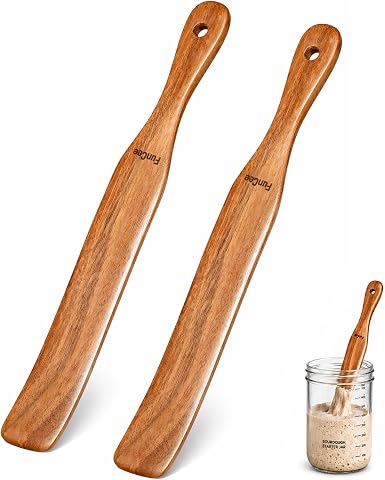
2 Pack Wooden Spurtle for Sourdough Starter, Mixing, Reaching Bottom of Jar, Dough Whisk, Long Handle Jar Spatula, Teak Wood Kitc…
- ✔ Material: Teak wood
- ✔ Included Components: 2 Wooden Spurtles
- ✔ Brand: FunCee
Difficulty: Beginner | Time: 30-45 minutes
What You’ll Need
Tools & Materials:
- Magnifying glass or good lighting for material inspection
- Clipboard or notebook for notes
- Access to product labels or manufacturer information
Knowledge:
- Basic understanding of common baking utensils
- Familiarity with materials like silicone, stainless steel, glass, and plastic
Read labels carefully and verify material safety before purchasing or using utensils. Be aware of potential hazards like BPA, phthalates, and non-stick coatings that may contain harmful chemicals.

Skinny Spurtle, Sourdough Shovel Spurtle Spatula11 Inch, Natural Acacia Wood For Sourdough Starter & Baking Supplies, Dough Whisk, Sourdough Tools Essentials, Non-Scratch Utensils For Nonstick Pans
【PREMIUM ACACIA WOOD & ECO-FRIENDLY】 Our 11" x 1.3" Wooden Spatula Is Crafted From 100% Natural Acacia Wood,...
As an affiliate, we earn on qualifying purchases.
Skinny Spurtle, 11 Inch Acacia Wood Sourdough Spatula for Baking and Dough Mixing
This skinny spatula stands out for its slim profile, making it perfect for reaching into narrow jars and mixing sourdough starters. Crafted from natural acacia wood, it is safe for nonstick surfaces and offers a unique aesthetic with its dark to golden color variations. Compared with larger or multi-purpose utensils, this tool emphasizes precision and minimalism, though its limited size makes it less suitable for heavy-duty mixing. Its natural material requires occasional oiling to maintain its appearance and prevent cracking, but it’s free from chemicals or glues.
Pros:
- Made from eco-friendly, natural acacia wood
- Suitable for nonstick cookware and narrow jars
- Unique color variations enhance aesthetic appeal
- Easy to clean and maintain
Cons:
- May darken naturally over time
- Requires occasional oiling for longevity
Best for: Home bakers focusing on sourdough or small-batch baking who want precision tools.
Not ideal for: Those needing a versatile or larger spatula for bigger dough batches or multiple tasks.
Bottom line: A precision-focused spatula ideal for sourdough bakers seeking eco-friendly, non-toxic tools for delicate tasks.
“A precision-focused spatula ideal for sourdough bakers seeking eco-friendly, non-toxic tools for delicate tasks.”
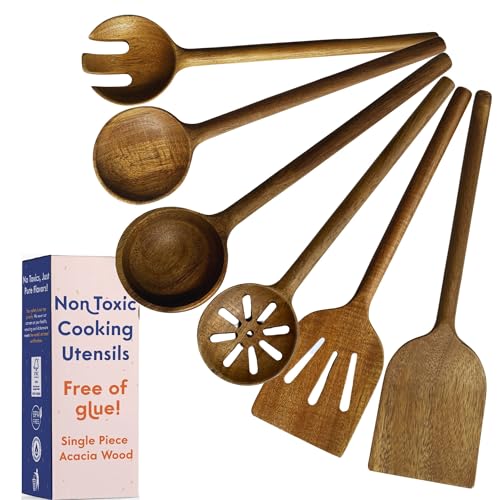
Ziruma Non-Toxic Wooden Utensils Set, 6-Piece, Glue and Mineral Oil Free
✅𝗡𝗼 𝗚𝗹𝘂𝗲. 𝗡𝗼 𝗧𝗼𝘅𝗶𝗰𝘀. 𝗝𝘂𝘀𝘁 𝗢𝗻𝗲 𝗦𝗼𝗹𝗶𝗱 𝗣𝗶𝗲𝗰𝗲 𝗼𝗳 𝗪𝗼𝗼𝗱: Unlike most “wood” or “bamboo” utensils — which...
As an affiliate, we earn on qualifying purchases.
Ziruma Non-Toxic Wooden Utensils Set, 6-Piece, No Glue or Mineral Oil, Solid Acacia Wood, Longer Handles
The Ziruma set offers a comprehensive collection of six utensils carved from a single piece of solid acacia wood. Its standout feature is the longer handles, which improve safety and control during cooking, especially when handling hot ingredients. Unlike sets with glued or composite parts, these utensils are free from glues and harmful chemicals, finished with plant-based oils. While the set provides essential tools like a ladle, spatula, and turner, it’s limited in size for larger households or extensive baking projects. The natural wood finish requires regular hand washing and oiling to prevent cracks or stains, but it’s an ethical choice for health-conscious cooks.
Pros:
- Made from a single, solid piece of natural wood
- Finished with safe, plant-based oils
- Longer handles improve safety
- Ethically sourced from FSC-certified forests
Cons:
- Limited number of pieces
- Requires hand washing and regular oiling
- Natural wood may develop cracks or stains over time
Best for: Those seeking a safe, durable, and ethically sourced utensil set for everyday baking and cooking.
Not ideal for: Large families or those needing numerous tools, as the set is limited to six pieces.
Bottom line: A safe, sustainable choice for bakers who want a versatile, chemical-free set with an emphasis on safety and ethics.
“A safe, sustainable choice for bakers who want a versatile, chemical-free set with an emphasis on safety and ethics.”

2 Pack Wooden Spurtle for Sourdough Starter, Mixing, Reaching Bottom of Jar, Dough Whisk, Long Handle Jar Spatula, Spurtles Kitchen Tools Teak Wood Kitchen Utensils kit for Baking, Cooking
Safe & Eco-Friendly: This spurtle for sourdough starter is made from natural teak wood with non-toxic coated, it’s...
As an affiliate, we earn on qualifying purchases.
2 Pack Wooden Spurtle for Sourdough Starter, Mixing, Reaching Bottom of Jar, Dough Whisk, Long Handle Jar Spatula, Teak Wood Kitc…
This pair of wooden spurtles made from teak wood is designed for multiple baking and cooking tasks, from stirring sourdough to spreading butter. Their ergonomic design and long handles make them easy to maneuver in deep jars or bowls, and their heat-resistant, natural material ensures safe use on nonstick cookware. Compared with more elaborate sets, these spurtles are straightforward and durable, but their simplicity means they’re best suited for basic stirring and spreading rather than complex cooking tasks. Careful cleaning is recommended to prevent damage or staining, but they’re a versatile, eco-friendly addition to any healthy kitchen.
Pros:
- Made from natural, eco-friendly teak wood
- Ergonomically designed for comfort
- Safe for non-stick cookware
- Heat-resistant and easy to clean
Cons:
- Limited to basic tasks like stirring and spreading
- Wooden utensils require careful cleaning
- Limited set size
Best for: Bakers who want a reliable, eco-friendly tool for general stirring, spreading, and basic mixing tasks.
Not ideal for: Heavy-duty baking or large-scale cooking where more specialized utensils are needed.
Bottom line: A simple, durable, and eco-conscious choice for everyday baking and stirring needs with good heat resistance.
“A simple, durable, and eco-conscious choice for everyday baking and stirring needs with good heat resistance.”
As an Amazon Associate we earn from qualifying purchases.
Before You Start
Ensure your current baking utensils are clearly identified. Remove any utensils with signs of damage, discoloration, or peeling coatings. Prepare a clean, well-lit workspace for inspection and evaluation.
Step-by-Step Instructions
Step 1: Assess your current utensils
Gather all your baking utensils and examine each one closely. Check for signs of damage, peeling coatings, or discoloration. Identify the material type by inspecting labels or researching brand information.
Tip:Use a magnifying glass if necessary to read small labels or symbols indicating material type.
Check: You can clearly categorize each utensil as safe or unsafe based on material and condition.
Step 2: Identify safe materials for baking utensils
Learn to recognize safe, non-toxic materials such as stainless steel, silicone (food-grade), glass, and untreated wood. Avoid plastics marked with recycling codes 3, 6, or 7, or those labeled with BPA or phthalates.
Tip:Review reputable sources or manufacturer info to confirm material safety, especially for plastics.
Check: You have a list of safe materials and can distinguish them from potentially harmful options.
Step 3: Replace unsafe utensils with healthy alternatives
Purchase new utensils made from verified safe materials: stainless steel, food-grade silicone, glass, or untreated wood. Verify labels or manufacturer info before buying.
Tip:Avoid non-stick coated utensils unless explicitly labeled as free from harmful chemicals.
Check: You possess a set of verified healthy baking utensils ready for use.
Step 4: Clean and maintain your utensils properly
Wash all utensils with warm soapy water before first use. Follow manufacturer cleaning instructions to preserve material safety and longevity.
Tip:Use non-abrasive sponges to prevent scratching or damaging surfaces, especially for silicone and glass.
Check: All utensils are clean, undamaged, and ready for safe baking use.
Step 5: Implement safe baking practices
Use utensils as intended, avoiding exposure to extreme heat beyond recommended limits. Store utensils in a dry, clean area away from chemicals or direct sunlight.
Tip:Regularly inspect utensils for damage or wear, replacing as needed.
Check: Your utensils remain in good condition and are used safely during baking sessions.
Common Mistakes to Avoid
- Using plastic utensils with harmful chemical labels. — Always verify labels for BPA-free and food-safe markings before use or purchase.
- Ignoring signs of damage like cracks or peeling coatings. — Regularly inspect utensils and replace damaged ones promptly.
- Using non-stick coatings that contain PFOA or PTFE without verification. — Choose non-stick utensils explicitly labeled PFOA/PTFE-free or switch to alternative materials like silicone or stainless steel.
Troubleshooting
Problem: Utensils develop residue or discoloration over time.
Solution: Clean with baking soda and vinegar or a non-abrasive scrubber. Replace if damage persists.
Problem: Uncertainty about material safety of a utensil.
Solution: Contact the manufacturer for detailed material info or replace with verified safe options.
Problem: Utensils are stained or retain odors.
Solution: Soak in a mixture of baking soda and water, rinse thoroughly, and dry completely.
What Success Looks Like
You have a complete set of baking utensils made from verified safe materials, free from damage, and used correctly. Utensils are clean, odor-free, and show no signs of deterioration, ensuring safe baking experiences.
Next Steps
Regularly clean and inspect your utensils. Replace any showing signs of damage or wear. Explore eco-friendly storage options to prolong their lifespan. Continue practicing safe baking habits for ongoing health benefits.
Frequently Asked Questions
Are silicone baking utensils safe?
Yes, food-grade silicone is non-toxic, heat-resistant, and safe for baking when certified as food-grade by reputable sources.
How can I tell if plastic utensils are safe?
Check for labels indicating BPA-free, phthalate-free, or food-safe markings. Avoid plastics with recycling codes 3, 6, or 7 unless specified as safe.
Should I avoid non-stick coatings altogether?
Not all non-stick coatings are harmful, but many contain chemicals like PFOA or PTFE. Choose non-stick utensils explicitly labeled PFOA/PTFE-free or switch to safer materials like silicone or stainless steel.