TL;DR

Get baking supplies delivered free with Prime
- Fast, free delivery on millions of items
- Prime Video, Amazon Music and more included
- Member-only deals all year
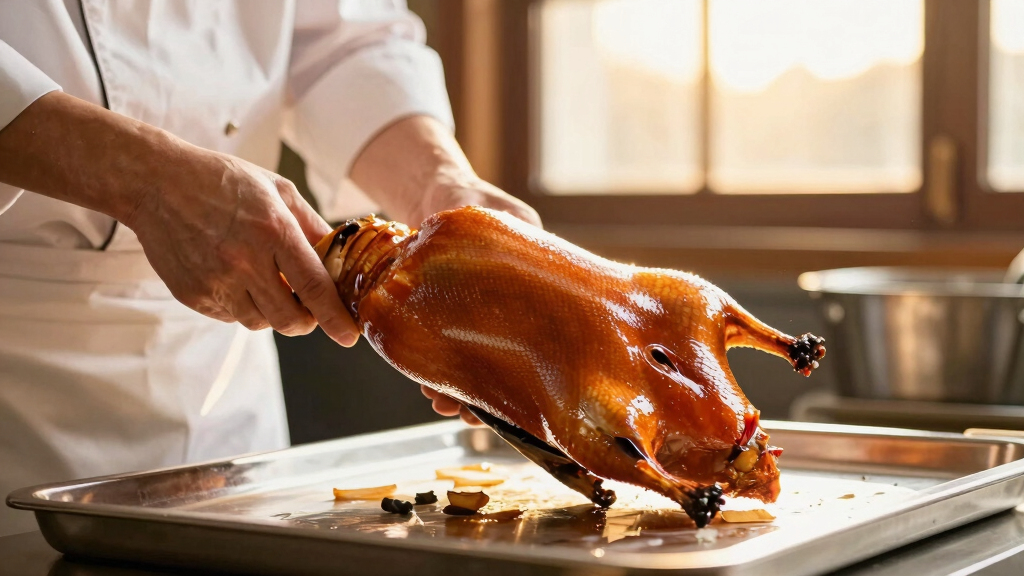
Chefs inflate Peking ducks before roasting to achieve crispier skin and a more evenly cooked meat. This technique is a longstanding culinary practice rooted in traditional Chinese cuisine. Its purpose and benefits are confirmed, though some details about the process vary among chefs.
Chefs inflate Peking ducks before roasting to improve the texture of the skin and ensure even cooking, a technique confirmed by culinary experts and traditional Chinese chefs. This practice, long used in Beijing-style Peking duck preparation, is gaining attention for its role in achieving the signature crispy skin that defines the dish.
The process involves inserting air into the duck’s body cavity, often through a small tube or syringe, before roasting. This inflation causes the skin to stretch, resulting in a crisper exterior once cooked. Chefs and culinary historians agree that this method enhances the dish’s visual appeal and texture.
According to chef Li Wei, a Beijing-based culinary expert, ‘Inflating the duck helps achieve the perfect balance between crispy skin and tender meat. It’s a technique passed down through generations and still widely used in top restaurants.’ The practice is also supported by food safety guidelines, emphasizing proper temperature control during roasting to prevent bacterial growth and ensure food safety.
While the core technique is confirmed, some variations exist among chefs. Some use manual methods, while others employ specialized equipment to inflate the duck uniformly. The practice is most common in high-end restaurants aiming for authentic presentation and texture.
Culinary Impact of Inflating Peking Ducks
This technique is significant because it directly influences the quality and authenticity of Peking duck, a dish that is a cultural icon in China. Achieving the ideal crispy skin and tender meat is essential for both traditional presentation and customer satisfaction. The practice also highlights how culinary techniques evolve while maintaining cultural roots, impacting how the dish is prepared worldwide.
Understanding this process offers insight into Chinese culinary craftsmanship and how traditional methods are preserved or adapted in modern kitchens. It also underscores the importance of technique in high-end cuisine, where small adjustments can make a significant difference in dish quality.
Products Worth Considering

Traeger Woodridge Pro Wood Pellet Grill and Smoker, 970 sq. in., WiFIRE

Le Creuset Enameled Cast Iron Round Dutch Oven, 5.5 Qt, Flame

KitchenAid Artisan 5-Quart Tilt-Head Stand Mixer, KSM150PS, Almond Cream
As an affiliate, we earn on qualifying purchases.
Traditional Methods and Modern Adaptations
The technique of inflating Peking ducks dates back centuries as part of Beijing’s culinary heritage. Historically, chefs used manual methods to stretch the skin and ensure even cooking, but modern practices include the use of specialized equipment for consistency. The process is typically performed after cleaning and before the final seasoning and roasting stages.
Recent culinary discussions and videos have highlighted the inflation process, sparking curiosity among both chefs and food enthusiasts. While the core goal remains the same—to produce the signature crispy skin—the methods have evolved with advancements in kitchen technology and food safety standards. The technique is now a hallmark of authentic Peking duck preparation in high-end restaurants globally.
Despite its long history, some chefs and culinary critics debate whether inflation is necessary or purely traditional, with some suggesting that proper skin preparation and roasting techniques can achieve similar results without inflation. Nonetheless, it remains a widely accepted practice in authentic Chinese cuisine.
“Inflating the duck ensures the skin crisps up perfectly and the meat cooks evenly. It’s a technique that has stood the test of time.”
— Chef Li Wei
Debates and Variations in the Inflation Technique
While the core purpose of inflating Peking ducks is confirmed, there is no standardized method across all restaurants. Some chefs question whether inflation is necessary for quality, suggesting alternative techniques can produce similar results. The precise impact of inflation on texture and flavor remains a subject of culinary debate, and some details about equipment and process are still evolving.
It is also unclear whether inflation significantly affects the overall health and safety of the dish, though experts agree that proper roasting temperatures are critical.
Future Trends in Peking Duck Preparation
Expect continued refinement of inflation techniques, with some restaurants experimenting with automated equipment for consistency. Culinary schools may incorporate this method into training programs, emphasizing its role in authentic presentation. Additionally, ongoing debates about necessity and efficiency may lead to alternative methods that achieve similar results without inflation.
Research into the science behind skin crisping and even cooking could further optimize the process, potentially influencing how Peking duck is prepared globally in the coming years.
Key Questions
Why do chefs inflate Peking ducks before roasting?
Chefs inflate Peking ducks to stretch the skin, which helps achieve a crispy exterior and ensures even cooking of the meat. This technique is rooted in traditional Chinese culinary practices.
Is inflation necessary for making authentic Peking duck?
While widely used in high-end restaurants, some chefs believe that proper skin preparation and roasting techniques can produce similar results without inflation. The necessity remains a topic of debate.
How do chefs inflate the duck?
Chefs typically insert air into the duck’s body cavity using a small tube or syringe before roasting. Some use specialized equipment to ensure uniform inflation.
Does inflation affect the safety of the dish?
Inflation itself is safe when combined with proper food safety practices, including correct roasting temperatures to prevent bacterial growth. Experts emphasize temperature control during cooking.
Will the technique change in the future?
Future trends may include automation and alternative methods, but the core goal of achieving crispy skin and tender meat will likely keep inflation as a popular technique among traditional chefs.
Source: rss