
TL;DR
A roux is a mixture of fat and flour that thickens sauces and soups. Perfecting it boosts flavor and texture in your cooking, and small tweaks can make it healthier and more versatile.
Use equal parts by weight of fat and flour to make a balanced roux with reliable thickening power.
Cooking time and heat control are key—white, blond, brown, and dark roux each serve different purposes and flavors.
Choose healthier fats like olive oil or plant-based options for a more dietary-friendly roux.
Store cooked roux in the fridge for up to a week to save time and boost flavor in future dishes.
Avoid high heat and rushing—constant stirring prevents burning and clumping, ensuring a smooth, flavorful roux every time.
The Roux That Quietly Powers Your Best Sauces and Bakes
A roux is the simple cooked mixture of fat and flour that gives sauces, soups, gumbos, gravies, and savory bakes their body. Master the ratio, color, and heat, and you control texture, flavor, and weeknight speed.
Cook it once, borrow flavor all week.
Properly cooked roux can be stored in the fridge for up to a week, turning future sauces into fast, silky finishes.
Why Roux Behaves Like a Quiet Superpower
Cooking flour in fat removes raw flavor, coats starch for smooth dispersion, and builds a flavor base before liquid ever enters the pan.
Silky body
A balanced roux thickens evenly when liquid is added gradually, helping sauces feel glossy instead of pasty.
Toasted depth
Longer cooking develops nutty, roasted notes, moving from delicate white sauce to deep gumbo richness.
Recipe tuning
Change the fat, flour, cooking time, and final color to match delicate seafood, hearty stews, or savory bakes.
The Three-Step Method
Simple ingredients become powerful only when heat, patience, and motion line up.
Select fat
Butter brings creamy sweetness, olive or avocado oil adds higher heat tolerance, and animal fats lend savory depth.
Add flour
Use equal parts by weight. Sift if needed, then combine fully so the mixture cooks without clumps or hot spots.
Cook and stir
Keep the heat moderate and stir constantly. Watch color and aroma: pale, golden, brown, then deep chocolate.
Choose the Roux by Destination
Color is not cosmetic. It predicts flavor intensity, cooking time, and how loudly the roux will speak in the final dish.
| Type | Color and Flavor | Best Uses | Thickening Power | Risk |
|---|---|---|---|---|
| White roux | Pale, mild, barely cooked flour aroma | Béchamel, delicate cheese sauces, light soups | ✓ Strong | ~ Can taste raw if rushed |
| Blond roux | Golden, lightly nutty, balanced | Velouté, lighter gravies, seafood sauces | ✓ Reliable | ~ Needs close timing |
| Brown roux | Deep golden to light brown, richer aroma | Stews, meat sauces, gumbos, hearty bakes | ~ Moderate | ~ Scorches if neglected |
| Dark roux | Deep chocolate, intensely toasted and nutty | Cajun dishes, gumbo, robust braises | ✗ Lower | ✗ Bitter if overcooked |
Flavor vs. Thickening: The Tradeoff
The darker the roux, the more toasted flavor it delivers, but the less aggressively it thickens. Choose based on the dish, not habit.
Lighter roux thickens more.
Darker roux tastes louder.
Move right for deeper nutty notes, smoky complexity, and Cajun-style depth. Stop before bitterness.
Trace the Sauce Chain
Roux works because every decision compounds: fat choice affects heat behavior, flour choice affects texture, and color sets the final mood.
Flavor base
Butter, oil, lard, duck fat, or plant-based butter.
Structure
Wheat for classic body; rice or almond for alternatives.
Development
Medium heat keeps color even and prevents scorching.
Integration
Add liquid gradually while whisking for a smooth finish.
Payoff
Béchamel, gravy, gumbo, soup, casserole, or bake.
Healthier and Faster Without Losing the Magic
Small adjustments let the technique fit modern kitchens while preserving the silky comfort that makes roux worth learning.
Use the fat intentionally.
Olive oil, avocado oil, or plant-based butter can reduce dairy reliance and offer different smoke points. Animal fats bring big flavor, so reserve them for dishes that can carry the richness.
Store it like a flavor shortcut.
Cool cooked roux, seal it well, and refrigerate for up to a week. Spoon it into soups, sauces, and gravies when you need body fast.
What Exactly Is a Roux and Why Is It a Kitchen Superpower?
A roux is simply a blend of fat and flour cooked together until it reaches a desired color and aroma. But beyond just thickening, it acts as a flavor foundation, influencing the overall taste and texture of your dish. The type of roux you choose—white, blond, brown, or dark—not only affects the appearance but also the flavor profile and how it interacts with other ingredients. For instance, a white roux offers a subtle thickening without adding much flavor, ideal for delicate sauces like béchamel. In contrast, a dark roux imparts a rich, nutty aroma that deepens the complexity of hearty stews and gumbos.
Understanding the role of a roux helps you manipulate its characteristics to match your dish’s needs. For example, a darker roux’s intense flavor can overshadow other delicate ingredients if used improperly. Conversely, using a light roux where a deep flavor is desired can leave your dish tasting flat. Recognizing these nuances allows you to craft sauces with balanced richness, depth, and consistency—making roux an indispensable tool in your culinary arsenal.
Choosing the right roux not only affects flavor but also the cooking process. A lighter roux requires less cooking time, preserving a delicate taste, while a darker roux demands patience but yields a complex, toasted flavor that can elevate simple ingredients. The tradeoff is that darker roux can have a slightly bitter edge if overcooked, so mastery involves balancing cooking time with flavor development. This understanding allows you to tailor your technique to the dish’s desired outcome, ensuring that each sauce or stew achieves its optimal taste and texture.
As an affiliate, we earn on qualifying purchases.
How to Make the Perfect Roux in 3 Simple Steps
- Select your fat: The choice of fat impacts not only flavor but also the final texture and health profile. Butter provides a creamy, slightly sweet undertone but can burn more easily, especially at higher temperatures. Oils like olive or avocado offer a cleaner, fruitier taste and higher smoke points, which helps prevent burning during cooking. Animal fats like lard or duck fat contribute rich, savory notes and can add depth to hearty dishes. The tradeoff is that animal fats tend to be higher in saturated fats, so choosing them depends on your health priorities. The fat you select influences how quickly the roux develops flavor and how stable it is under heat, affecting both taste and safety.
- Add flour: Use equal parts by weight of fat and flour, ensuring proper incorporation. Sifting the flour beforehand helps distribute it evenly, preventing clumps that can lead to uneven thickening or burnt spots. The type of flour—wheat, rice, or almond—affects not only thickening but also dietary restrictions and flavor. For gluten-free needs, rice or almond flour are good options, but they may require adjustments in quantity or cooking time because of different absorption rates. Properly incorporated flour ensures a smooth, cohesive mixture that thickens uniformly, which is crucial for achieving the desired consistency and avoiding lumps that can compromise texture and appearance.
- Cook and stir: Heating the mixture over medium heat and stirring constantly is crucial. This prevents sticking, burning, and uneven color development. The duration of cooking determines the roux’s flavor—shorter for a delicate white or blond roux, longer for a deep, nutty brown or dark roux. Patience is vital; rushing can lead to burnt flavors or underdeveloped taste. Consistent stirring distributes heat evenly, ensuring the flour cooks thoroughly and prevents scorching at the bottom. Recognizing aroma changes and visual cues helps gauge doneness—an aromatic, toasted smell indicates proper development, while a deep chocolate color signals a dark roux. Overcooking beyond this point can introduce bitterness, so balancing time and attention is essential for a perfect result.
For example, when making a blond roux for velouté, cook until it just turns golden, which offers a delicate flavor. For a dark roux, stir continuously until it deepens into a rich chocolate hue, developing a complex, toasted aroma that adds depth to dishes. Balancing cooking time with flavor development is essential—too short, and you miss out on flavor; too long, and you risk bitterness. Understanding these nuances ensures your roux will enhance your dishes rather than detract from them.
high-quality fat and flour for roux
As an affiliate, we earn on qualifying purchases.
As an affiliate, we earn on qualifying purchases.
Comparing Types of Roux: Which One Suits Your Dish?
| Type of Roux | Color & Flavor | Best Uses |
|---|---|---|
| White Roux | Pale, with barely cooked flour aroma | Béchamel, delicate cheese sauces, light soups |
| Blond Roux | Golden, nutty aroma | Velouté sauces, lighter gravies, some seafood dishes |
| Brown Roux | Deep golden to light brown, richer aroma | Stews, hearty sauces, gumbos, meat-based dishes |
| Dark Roux | Deep chocolate, intensely nutty aroma | Cajun dishes, gumbo, robust stews, flavor-rich braises |
Choosing the right roux hinges on understanding how color and flavor influence the final dish. A white roux offers a neutral, smooth thickening without adding flavor, perfect for sauces where the main ingredients shine. As you progress to blond and brown, the flavor becomes more pronounced, adding depth without overpowering. Dark roux, with its deep, toasted notes, is ideal for dishes where a smoky, complex flavor profile is desired. Recognizing these differences allows you to tailor your technique to enhance specific recipes, balancing richness and delicacy as needed.
Beyond just matching color, understanding the implications of each roux type helps you make strategic choices. For instance, opting for a white roux in a delicate fish sauce preserves the subtlety of the seafood, while a dark roux in a hearty beef stew adds a layer of smoky complexity that complements the richness of the meat. The tradeoff involves balancing flavor intensity with cooking time—darker roux requires patience but yields a more intense, toasted flavor that can transform a dish’s character. Mastering these distinctions empowers you to craft dishes with nuanced depth and tailored textures, elevating your cooking beyond basic thickening.
As an affiliate, we earn on qualifying purchases.
Tips for Making a Roux That Doesn’t Burn or Clump
Burnt roux not only tastes bitter but can also ruin the entire dish by imparting an unpleasant, charred flavor. To prevent this, cook the roux over moderate heat and maintain constant stirring. This helps distribute heat evenly, which is crucial because uneven heat can cause hot spots that scorch the flour. Recognizing the early signs of browning—such as a nutty aroma or slight color change—allows you to lower the heat promptly, preventing the development of bitterness. Patience is key; rushing the process increases the risk of burnt, bitter roux and uneven texture. Using a heavy-bottomed pan also helps maintain consistent heat, giving you better control over the cooking process.
Clumping occurs when flour is added too rapidly or not incorporated thoroughly. To avoid lumps, sift the flour beforehand to distribute it evenly, and add it gradually while stirring vigorously. Using a whisk instead of a spoon can improve agitation, ensuring a smooth, lump-free mixture. Maintaining a steady, moderate heat allows the flour to hydrate and cook evenly, preventing rapid gelatinization that can cause lumps. If lumps do form, you can try to break them apart with a whisk or blend the mixture briefly in a blender or food processor—though prevention through technique is preferable. These methods, combined with consistent stirring and temperature control, ensure your roux remains silky and flavorful, serving as a reliable base for your sauces and stews.
For example, I once added flour too quickly and turned up the heat to speed up the process, resulting in burnt lumps that ruined my sauce. The lesson: slow, steady heat and constant stirring are your best friends in making a perfect roux. These techniques might take a bit more time, but they yield a smooth, flavorful base that elevates your entire dish. Recognizing the signs of proper development and maintaining control over heat and stirring are essential skills for any home cook aiming for professional-quality results.
As an affiliate, we earn on qualifying purchases.
Healthy Twists: Making Your Roux More Nutritious and Dietary-Friendly
Traditional roux relies on butter or animal fats, which can be high in saturated fats and calories. To make your roux healthier, consider swapping these for heart-healthy oils like olive or avocado oil, which provide beneficial monounsaturated fats and a milder flavor. These oils can withstand moderate heat and help you create a lighter, more nutritious base without sacrificing thickening ability. Additionally, using oils broadens the scope for dietary restrictions, such as vegan or plant-based diets, while still maintaining the essential qualities of a roux.
For those with dietary restrictions or gluten sensitivities, traditional wheat flour isn’t the only option. Rice flour, almond flour, or arrowroot powder serve as excellent gluten-free thickeners. While they may behave slightly differently—such as requiring a bit more or less to achieve the same consistency—they allow you to craft dishes suitable for gluten-free diets. These alternatives often add subtle flavors or nutritional benefits, like extra fiber or healthy fats, enriching your dishes beyond just thickening. For example, thickening a vegetable stew with rice flour instead of wheat can enhance the dish’s nutritional profile and make it accessible to more diners. Incorporating herbs or spices into your roux during cooking—like garlic, thyme, or paprika—can further boost flavor without extra calories or sodium. These modifications demonstrate that making your roux healthier doesn’t mean sacrificing flavor; instead, it opens new culinary avenues and supports diverse dietary needs.
Storing and Using Your Roux for Busy Weeks
Preparing a batch of roux ahead of time can significantly streamline your cooking process. Store it in an airtight container in the fridge for up to a week, which allows flavors to deepen and develop further. Proper storage prevents moisture and air from spoiling the roux, maintaining its quality and flavor. When reheating, do so gently—either in a skillet over low heat or in short bursts in the microwave—while stirring constantly. This gentle reheating helps preserve the roux’s smooth texture and prevents burning or separation. If the roux thickens too much during storage, adding a splash of water or broth during reheating can restore its spreadability and consistency, ensuring it integrates smoothly into your dishes.
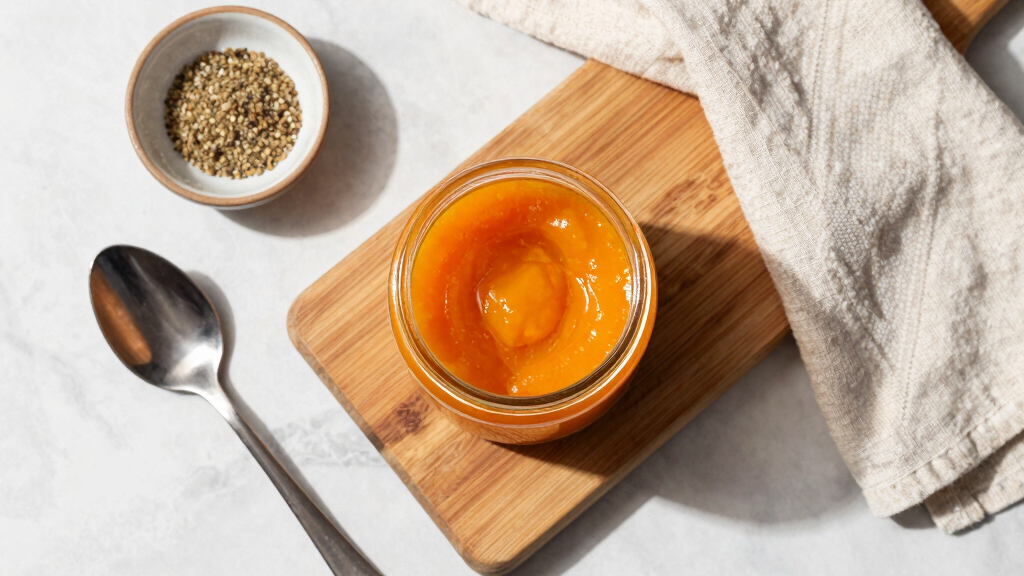
During busy weeks, I keep a jar of dark roux in my fridge. When I need to prepare a quick gumbo or hearty gravy, I simply scoop out what I need, saving time and enhancing flavor instantly. Proper storage and reheating are crucial because they maintain the roux’s integrity and flavor profile. Avoid reheating at high temperatures or for too long, as this can cause separation or a burnt taste. Instead, reheat slowly and add a small amount of liquid if necessary to keep it smooth. This strategy allows you to have a flavor-rich, ready-to-use base at all times, transforming a simple step into a reliable shortcut that elevates your cooking efficiency and taste. Proper storage techniques turn your homemade roux into a versatile, time-saving staple in your kitchen arsenal, ensuring you always have a powerful flavor-building tool on hand.