
TL;DR

Get baking supplies delivered free — and shop member deals
- Fast, free delivery on millions of items
- Access to Prime Big Deal Days deals on October 6–7
- Prime Video, Amazon Music and more included
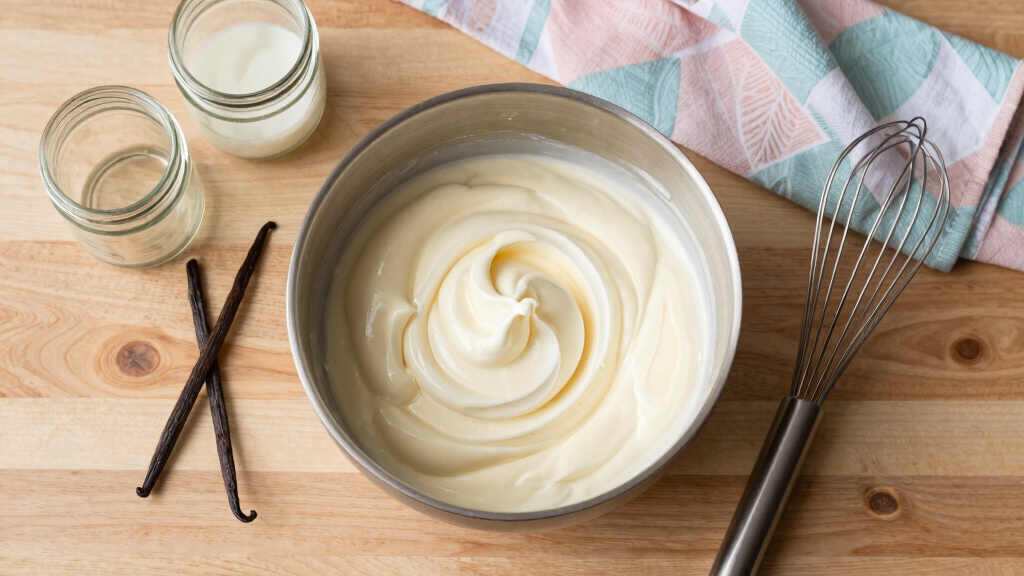
High-quality pastry cream hinges on fresh ingredients, precise temperature control, and proper technique. Straining and flavoring elevate it, making your desserts truly special.
Use fresh, high-quality ingredients for richer flavor and better texture.
Proper temperature control and constant stirring prevent curdling and lumps.
Strain your pastry cream immediately after cooking for the smoothest finish.
Flavor your pastry cream with herbs, citrus, or liqueurs to elevate your desserts.
Experiment with plant-based ingredients and stabilizers to adapt recipes for dietary needs.
Choose the Best Ingredients for a Rich, Silky Finish
The foundation of a great pastry cream is high-quality ingredients. Use fresh, whole milk — not skim — for richness. Real butter adds depth, while pure vanilla extract or vanilla beans provide that classic aroma. Eggs should be fresh and at room temperature to combine smoothly. For flavor, a touch of citrus zest or a splash of liqueur can turn a simple cream into something memorable. Remember, quality ingredients make all the difference when it comes to flavor and texture.
For example, using organic, farm-fresh eggs can give your pastry cream a more vibrant color and richer taste. Likewise, a splash of Grand Marnier or citrus zest can add a complexity that makes your pastry cream feel like it belongs in a patisserie window.
professional pastry cream mixing bowls
As an affiliate, we earn on qualifying purchases.
As an affiliate, we earn on qualifying purchases.
Master the Technique: How to Cook Pastry Cream Without Curdling
- Warm the milk with vanilla until just simmering.
- In a separate bowl, whisk eggs with sugar until pale and slightly thickened.
- Temper the eggs: slowly pour hot milk into eggs while whisking constantly. This prevents the eggs from cooking too quickly and curdling, which can ruin the smooth texture. Achieving the right temper is crucial because it ensures the proteins in the eggs don’t coagulate prematurely, leading to a silky final product.
- Return the mixture to the pan and cook over medium heat, stirring constantly with a spatula or wooden spoon.
- Cook until it thickens and reaches 170–180°F (77–82°C). Do not boil, as boiling can cause the eggs to scramble and create lumps.
This step ensures the starch gelatinizes properly, giving your cream its silky texture. Stir constantly to prevent lumps and curdling. A good way to check? When the mixture coats the back of your spoon and leaves a clear path when you run your finger through it, you’re ready to strain. Proper temperature control and gentle handling are essential because overcooking leads to graininess, while undercooking results in a runny cream. Mastering this balance guarantees a smooth, stable pastry cream with the right consistency for filling or frosting.
As an affiliate, we earn on qualifying purchases.
Straining and Cooling: Secrets to a Perfect, Smooth Finish
Pass the hot cream through a fine sieve immediately after cooking. This step is more than just for aesthetics — it removes any tiny cooked egg bits or lumps that can develop during cooking, which can cause textural inconsistencies or a grainy mouthfeel. Straining ensures a velvety surface that’s essential for professional presentation and texture. Pour it into a clean bowl, then cover with plastic wrap pressed directly onto the surface. This prevents skin formation and locks in freshness, which is important because exposure to air can cause a film to form, impacting both appearance and texture.
Chill thoroughly—at least 2 hours—before using. The cold helps the flavors meld and the texture set perfectly. Proper cooling is critical because it stabilizes the pastry cream, making it easier to work with and ensuring it holds its shape without becoming too soft or runny. When ready to fill your pastries, whisk the cream briefly to restore its silky consistency. Skipping these steps can compromise the smoothness and shine, so patience in cooling and straining pays off in the final presentation and mouthfeel.
As an affiliate, we earn on qualifying purchases.
Flavor Like a Pro: Elevate Your Pastry Cream with Unique Flavors
Beyond classic vanilla, pastry cream can carry a variety of flavors that turn simple into spectacular. Citrus zest adds brightness, while a splash of coffee or chocolate makes it richer. For an adult twist, try a splash of liqueur like Grand Marnier or Amaretto. Experimentation is key because different flavors can influence the texture and stability of the cream. For example, adding too much alcohol or citrus zest can sometimes thin the cream or cause it to set less firmly, so balancing these flavors is essential to maintain a smooth, stable texture.
For instance, adding 1 teaspoon of yuzu zest gives a tangy, aromatic lift that pairs beautifully with fruit tarts. Or, blending matcha powder into the hot milk creates a vibrant, earthy flavor perfect for green tea éclairs. Understanding how these flavors interact with the base is crucial; some may require slight adjustments in thickening agents or cooking time to ensure the cream remains glossy and stable, highlighting the importance of testing and experience in flavoring pastry cream.
As an affiliate, we earn on qualifying purchases.
Recent Trends: Modern Twists on Classic Pastry Cream
Vegan pastry creams are gaining popularity. Chefs now replace dairy with almond, soy, or oat milk, and thicken with agar-agar or carrageenan. These alternatives mimic the silky texture and flavor of traditional cream, but choosing the right plant-based ingredient and thickener is key because not all substitutes behave the same way. For example, some plant milks may be thinner or have a different fat profile, affecting the final texture. Proper balancing of these ingredients ensures the cream remains smooth, glossy, and stable, which is essential for professional-quality desserts.
Stabilized pastry creams, with added gelatin or pectin, last longer and hold their shape better—ideal for layered or decorated desserts. These stabilizers help maintain a firm yet tender consistency, especially in warmer environments or when the cream needs to hold intricate shapes. Plus, flavor innovations like matcha, yuzu, or lavender are making traditional pastry cream more exciting than ever, but each addition requires understanding its impact on texture and stability to avoid compromising the desired glossy, smooth finish.
Key Facts: What Makes a Professional-Quality Pastry Cream
Achieving a glossy, smooth, and thick consistency is non-negotiable because it reflects both the quality of ingredients and technique. The right temperature—around 170–180°F—is critical for proper gelatinization of the starch, which directly affects the cream’s ability to set and hold shape. If the temperature is too low, the starch won’t fully gelatinize, resulting in a runny texture; too high, and the eggs may curdle or the cream may develop lumps. Proper storage in an airtight container with plastic directly on the surface keeps it fresh for 2–3 days, but also preserves the glossy appearance and prevents skin formation. A well-made pastry cream serves as the backbone for countless desserts, from éclairs to tarts, and mastering these details ensures professional results.
Remember, flavor and texture are linked. A slightly undercooked cream can be runny, while overcooking can cause lumps or graininess. Practice makes perfect—understanding how ingredients behave during cooking helps you troubleshoot and refine your technique for that perfect glossy, silky finish every time.
Your Common Questions Answered: Pastry Cream Demystified
How do I prevent curdling? Keep the heat moderate, temper eggs carefully by adding hot milk gradually, and stir constantly during cooking. Avoid boiling once thickened because high heat can cause proteins in the eggs to coagulate rapidly, resulting in lumps or separation. Maintaining a gentle simmer ensures the starch gelatinizes evenly, producing a smooth, glossy cream with a stable structure.
Can I prepare it ahead? Absolutely. Cover tightly and refrigerate. Whisk before use to restore that silky texture. Proper storage prevents skin formation and flavor loss, but gentle reheating or whisking restores the cream’s smoothness and shine, which is crucial for professional-looking desserts.
How do I get a mirror-like gloss? Use high-quality ingredients, strain the cream after cooking, and avoid overcooking. Straining removes imperfections and surface bubbles that can dull the appearance. Additionally, a slight brushing with a neutral glaze or a thin layer of warmed apricot jam can enhance the shine, giving that professional, mirror-like finish.
Vegan options? Use plant-based milks and thickeners like agar-agar or cornstarch. Follow the same steps for cooking but adjust for plant-based ingredients, ensuring the mixture thickens properly and remains glossy. These alternatives may require experimenting with quantities and cooking times to achieve comparable stability and appearance.
Best flavor pairings? Vanilla, citrus zest, coffee, chocolate, and liqueurs like Grand Marnier are classic choices that complement the creamy texture beautifully. Combining flavors thoughtfully enhances the overall dessert experience, but balancing the intensity is key to maintaining the smooth, glossy finish without overpowering the delicate pastry cream.
Frequently Asked Questions
How do I prevent pastry cream from curdling or splitting?
Temper eggs by adding hot milk gradually, cook over medium heat, and stir constantly. Avoid boiling once it thickens to keep the cream smooth and intact.Can I make pastry cream ahead of time?
Yes, store it covered in the fridge for up to 2-3 days. Before using, whisk briefly to restore its silky texture and spreadability.What’s the secret to a glossy, mirror-like finish?
Use high-quality ingredients, strain the cream after cooking, and avoid overcooking. Straining smooths out surface imperfections and enhances gloss.How can I make pastry cream dairy-free or vegan?
Substitute dairy with plant-based milks like almond or oat milk, and use thickeners such as agar-agar or cornstarch. Follow the same technique, adjusting for plant ingredients.What flavorings work best with pastry cream?
Vanilla, citrus zest, coffee, chocolate, and flavored liqueurs like Grand Marnier add depth. Mix flavors into the hot milk or after cooking for best results.Conclusion
Great pastry cream is a blend of simple science and careful technique. Focus on quality, temperature, and patience, and your desserts will look and taste like they came from a pastry shop. Remember: the secret isn’t just in the ingredients but in your attention to detail—your next masterpiece starts with that silky, glossy filling.Fall Picks
fall essentials
As an affiliate, we earn on qualifying purchases.