TL;DR

Get baking supplies delivered free — and shop member deals
- Fast, free delivery on millions of items
- Access to Prime Big Deal Days deals on October 6–7
- Prime Video, Amazon Music and more included
Freezing cookie dough is simple when you portion, flash-freeze, and protect it from air. Thaw in the refrigerator for safety and best results. Proper technique keeps your cookies fresh and flavorful.
If you’ve ever pulled a frozen chunk of cookie dough from the freezer and wondered if it’s still good, you’re not alone. Freezing dough is one of the easiest ways to have fresh cookies whenever you want, but only if you do it right.
Many bakers make the mistake of freezing dough in bulk or not protecting it from air, which leads to freezer burn, stale flavors, and uneven baking. This guide walks you through the practical steps—portioning, protecting, labeling, and thawing—so every batch turns out perfect, just like fresh from the oven.
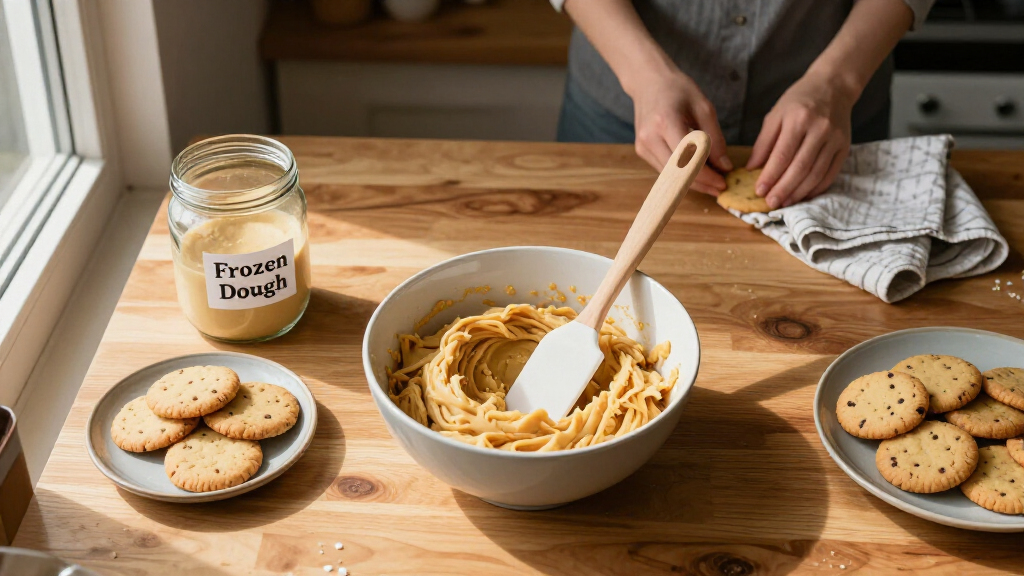
Always portion your dough before freezing to make baking quick and uniform.
Flash-freeze dough portions for better shape retention and easier handling.
Protect dough from freezer burn by wrapping tightly and squeezing out excess air.
Label everything with dates and instructions to avoid confusion later.
Thaw dough in the refrigerator for safety; avoid room temperature or microwave thawing.
The Right Way to Freeze and Thaw Cookie Dough
Portion it, freeze it fast, seal it against air, and label it clearly. Those four moves turn your freezer into a reliable source of fresh, evenly baked cookies—without stale flavors, misshapen dough, or last-minute prep.
Keep the freezer stable and store dough away from the door.
Safety may last longer, but flavor and texture gradually decline.
Individual portions freeze faster and can often bake straight from frozen.
Freeze uncovered portions until firm before packaging.
Keep the recipe temperature and watch visual cues.
Controlled, food-safe thawing for dough with eggs or dairy.
Less air means less drying, freezer burn, and odor transfer.
Freeze quality in—not problems out.
Freezing pauses decline; it does not reverse it. Start with fresh dough and protect butter, nuts, chocolate, spices, and fillings from air and temperature swings.
Uniform portions bake together
Equal weights reduce dry edges, raw centers, and inconsistent spread. Smaller pieces also freeze and thaw more efficiently than one large block.
A tight seal guards flavor
Excess air dries exposed surfaces and carries freezer odors. Heavy-duty bags, airtight containers, or a wrapped double barrier preserve quality.
Labels remove the guesswork
Record the cookie type, freeze date, oven temperature, usual bake time, and any frozen-bake adjustment before the package disappears into storage.
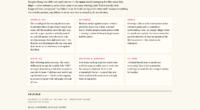
The five-step freezer workflow
Use the same sequence every time. The shape changes by recipe, but the preservation logic does not.
Start fresh
Freeze dough while its fats, flavors, and moisture are still at their best.
Portion
Scoop balls, form logs, flatten discs, or cut shapes before the dough hardens.
Flash-freeze
Arrange on parchment and freeze until firm, usually for one to two hours.
Seal tightly
Transfer to freezer-safe packaging and squeeze out as much air as possible.
Label clearly
Add the date, temperature, bake time, and handling instructions.
Shape the dough for how you will use it.
Some doughs thrive when baked directly from frozen. Others need a controlled refrigerator thaw before rolling, slicing, or filling.
| Cookie dough | How to freeze | How to use |
|---|---|---|
| Drop cookies | ✓Scoop individual portions, flash-freeze, then seal airtight. | ✓Usually bake directly from frozen. |
| Slice-and-bake | ✓Shape a firm log; wrap tightly, then add foil or a freezer bag. | ~Refrigerate only until cleanly sliceable. |
| Rolled sugar or gingerbread | ✓Flatten into manageable discs and wrap tightly. | ~Thaw overnight in the refrigerator before rolling. |
| Pre-cut shapes | ✓Freeze on a tray, then stack with parchment between layers. | ✓Bake frozen or after a short refrigerator thaw. |
| Shortbread | ✓Freeze as a disc, log, portion, or shaped pan of dough. | ~Thaw only enough to cut, or bake portions frozen. |
| Filled or thumbprint | ~Freeze plain shaped dough when possible. | ~Add delicate filling according to the recipe. |
| Foam-based mixtures | ✗Do not assume raw meringue or macaron batter freezes reliably. | ~Follow a tested recipe-specific method. |
Best flavor has a window.
At a stable 0°F / −18°C, properly packed dough may remain safe longer, but premium flavor and texture gradually fade.
Let the oven do the thawing.
Most portioned drop-cookie dough can go straight onto the baking sheet. Frozen dough may spread less, producing a thicker cookie.
Look for set edges, light browning, and a center that no longer appears raw. Oven accuracy and portion size matter more than the clock alone.
Thaw slowly, safely, and only as much as needed.
The refrigerator is the safest and most dependable environment for dough containing eggs or dairy. Gentle thawing also protects texture and shape.
Refrigerator
Allow individual portions several hours or overnight. Keep logs chilled and thaw only until they slice cleanly.
Room temperature
Warm surfaces can soften while the center remains frozen, creating uneven handling and unnecessary food-safety risk.
Microwave
Hot spots can melt butter, partially cook eggs, and damage the structure that determines spread and texture.
Every good frozen cookie follows the same logic.
Each decision protects the next stage, from shaping raw dough to pulling an evenly baked batch from the oven.
Portion, flash-freeze, protect, and label fresh dough. Then bake drop cookies directly from frozen or thaw shaped dough in the refrigerator. With a little preparation, warm homemade cookies are only minutes away.
Why Freezing Cookie Dough the Right Way Matters
Freezing isn’t just about storage — it’s about maintaining the quality of your dough. When done correctly, freezing locks in the freshness, flavor, and texture of your ingredients. This preservation is crucial because ingredients like butter, nuts, and fillings are sensitive to temperature changes and can deteriorate if not stored properly. For example, butter can develop freezer burn, leading to greasy or dry cookies, while nuts can absorb freezer odors, affecting flavor. Proper freezing techniques help prevent these issues, ensuring that your cookies turn out as delicious as freshly baked ones. Additionally, correct methods reduce waste by extending the usable life of your dough, making your baking more economical and environmentally friendly. The tradeoff is that improper freezing—like leaving dough in large, unprotected blocks—can cause uneven thawing, texture loss, and flavor degradation, which ultimately compromises the baking experience and the final product’s quality. Understanding why these techniques matter helps you make informed decisions, leading to consistently better cookies and less frustration in the kitchen.
cookie dough portioning containers
As an affiliate, we earn on qualifying purchases.
As an affiliate, we earn on qualifying purchases.
How to Portion Cookie Dough for Easy Baking
Portioning your dough before freezing is more than just convenience—it directly impacts baking consistency and texture. Uniform portions ensure that each cookie bakes evenly, preventing overbaking or underbaking which can lead to dry or undercooked centers. When you measure out equal amounts, you also simplify the process of baking multiple batches, saving time and reducing waste. Shaping the portions—whether into balls, discs, or logs—helps preserve their shape during freezing and baking, especially if you plan to bake from frozen. For example, rolling dough into logs for slice-and-bake cookies allows you to bake perfectly shaped, uniform cookies without additional shaping after thawing. Additionally, proper portioning minimizes the risk of contamination or drying out exposed areas of the dough, since smaller pieces freeze and thaw more efficiently. The tradeoff of not portioning is uneven baking, which can result in inconsistent texture and appearance, undermining the effort you put into your recipes. By carefully measuring and shaping your dough, you ensure each cookie turns out just right, every time.
As an affiliate, we earn on qualifying purchases.
The Best Way to Flash-Freeze Cookie Portions
Flash-freezing is a critical step that helps maintain the shape, texture, and overall quality of your cookie dough. By chilling the portions quickly on a tray, you prevent the dough from sticking together or losing its shape during long-term storage. This process also minimizes moisture loss and helps preserve the dough’s original consistency, which is essential for achieving the desired texture in baked cookies. When you transfer these frozen portions to a storage container, they are less likely to clump or deform, making it easier to bake directly from the freezer without additional shaping. Moreover, flash-freezing reduces the formation of large ice crystals that can damage the dough’s structure, ensuring that fats and other ingredients remain evenly distributed. The tradeoff of skipping this step is that frozen dough may stick together or become misshapen, leading to inconsistent baking results and more effort when preparing to bake. Proper flash-freezing ensures your cookies will retain their intended shape and texture, saving you time and frustration while delivering consistently excellent results.
As an affiliate, we earn on qualifying purchases.
Conclusion
Frozen cookie dough is a baker’s secret weapon for fresh, homemade cookies anytime. The key is in the details: portioning, protecting, and labeling your dough properly. When you master these steps, your freezer becomes a treasure chest of ready-to-bake delights.
Next time you bake, imagine the aroma of freshly baked cookies, just minutes away. With a little prep, you can enjoy that warm, comforting smell whenever craving strikes—without the last-minute rush.
reusable plastic wrap for freezing
As an affiliate, we earn on qualifying purchases.
As an affiliate, we earn on qualifying purchases.
Fall Picks
fall essentials
As an affiliate, we earn on qualifying purchases.