TL;DR

Get baking supplies delivered free — and shop member deals
- Fast, free delivery on millions of items
- Access to Prime Big Deal Days deals on October 6–7
- Prime Video, Amazon Music and more included
High-quality vanilla is expensive because it’s labor-intensive, but understanding the types, labels, and sourcing can save you money. Always check ingredients and origin to avoid overpaying for imitation or diluted products.
Few ingredients spice up baked goods quite like vanilla. But with so many options—some costing a few dollars, others over twenty—how do you pick the right one without overpaying? It all comes down to knowing what makes vanilla good, what to watch for, and when a higher price really pays off.
In this guide, you’ll learn how to decode labels, spot quality indicators, and make smarter choices. Whether you’re a home baker or just want the best flavor, understanding the ins and outs of vanilla buys will save you money and boost your baking game.
Always check the ingredients list: real vanilla lists vanilla beans or extractives, while imitation uses synthetic vanillin.
Pure vanilla extract should contain at least 35% alcohol—use this as a quick authenticity test.
High-quality vanilla is pricey but offers complex, rich flavor that enhances baked goods.
Buying in larger bottles or bulk can save money, especially if you bake often.
Store vanilla in a cool, dark place to preserve its aroma for years.
What Are the Different Types of Vanilla and Why It Matters
Vanilla comes in several forms, each with its own flavor profile, texture, and price. The most common are pure vanilla extract, vanilla bean paste, vanilla powder, and imitation vanilla. Knowing what each offers helps you pick what fits your budget and baking style.
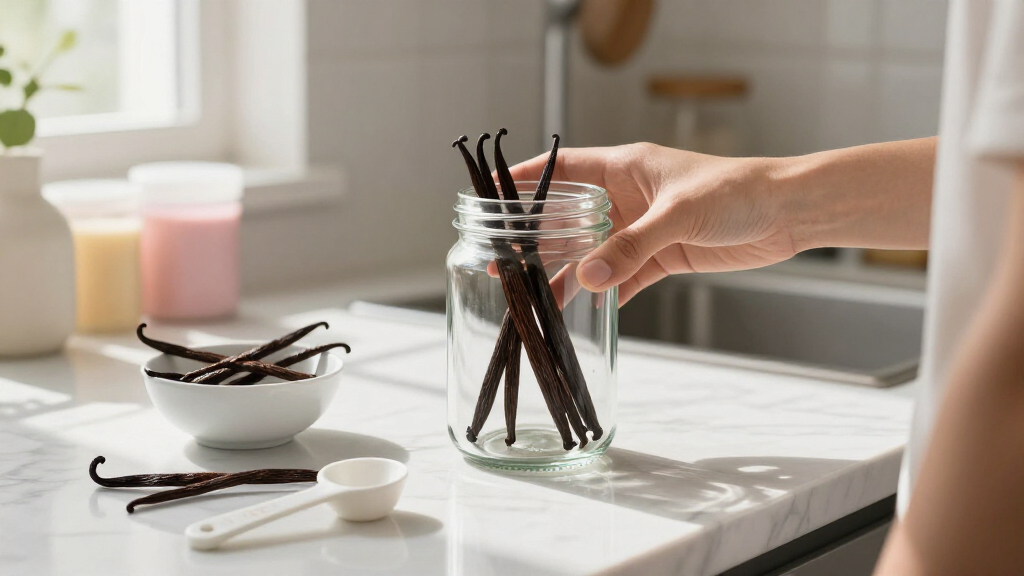
Pure vanilla extract is made from vanilla beans soaked in alcohol. It’s versatile and widely used. Vanilla bean paste contains actual vanilla beans and seeds, offering richer flavor and visual appeal—great for custards or frostings. Vanilla powder is dried, ground vanilla beans—perfect for dry mixes or when you want a concentrated punch without extra liquid. Imitation vanilla, often called artificial vanilla, uses synthetic vanillin, and is much cheaper but generally lower quality.
Choosing the right type impacts your final product. For delicate baked goods, pure extract provides a balanced, natural flavor that doesn’t overpower. For recipes where vanilla seeds are visible, paste is ideal, adding both flavor and visual texture. Vanilla powder is best when you need concentrated flavor without adding liquid, such as in dry mixes or baking powders. Imitation vanilla might be tempting for budget-conscious bakers, but it often lacks the depth and complexity of real vanilla, which can lead to flatter-tasting desserts. The tradeoff is cost versus authenticity—understanding this helps you decide what’s worth paying for, depending on your baking goals.
As an affiliate, we earn on qualifying purchases.
How to Spot High-Quality Vanilla in the Store
High-quality vanilla has clear signs you can spot on the label and packaging. Start with the ingredients list: real vanilla will list vanilla beans or vanilla extractives. If it just says “flavoring” or “artificial flavor,” put it back. This matters because many products labeled as vanilla are actually synthetic or diluted, which can significantly diminish flavor and aroma, leading to a less satisfying baking experience.
Check the alcohol content—pure vanilla extract in the U.S. must contain at least 35% alcohol by volume. This requirement ensures you’re buying genuine extract, not a watered-down or imitation product. Products with lower alcohol content often contain fillers or are diluted, which can compromise flavor strength and shelf stability.
Look for reputable origin labels: Madagascar, Tahiti, Mexico, and Uganda are known for high-caliber vanilla beans. These regions produce beans with distinct flavors—Madagascar’s are rich and creamy, Tahiti’s are floral and fruity, Mexico’s are smoky and spicy, and Uganda’s are bold and sweet. Packaging matters too—glass bottles preserve flavor better than plastic and can be stored longer without losing aroma. Additionally, a darker amber color often indicates a higher concentration of vanilla compounds, but always corroborate with the ingredients list and origin for assurance. For instance, a bottle labeled “Madagascar Bourbon Vanilla Extract” with a clear ingredients list and 35% alcohol is a reliable indicator of quality, as it combines authentic origin with proper formulation, ensuring you get the true vanilla experience.
As an affiliate, we earn on qualifying purchases.
The True Cost of Vanilla and Why It’s Worth Paying for Quality
High-quality vanilla isn’t cheap—it’s labor-intensive, pricey, and sensitive to weather conditions. Madagascar produces about 75% of the world’s vanilla beans, and factors like cyclones, droughts, and fluctuating demand cause prices to fluctuate dramatically. This volatility means that a good bottle of vanilla can cost anywhere from $8 to over $30 for just 2 ounces, reflecting the premium for quality and supply chain costs.
Buying cheap vanilla often means settling for synthetic vanillin or diluted extract, which can be tempting but ultimately compromises flavor. Synthetic vanillin is produced chemically and lacks the complexity of real vanilla—it’s one-dimensional and can taste artificial or chemical-like. Diluted extracts may contain less vanilla content or fillers that dilute the aroma and flavor, resulting in baked goods that fall flat in taste. Paying more for authentic vanilla means investing in a product with a rich, warm aroma and nuanced flavor profile—notes of honey, spice, and fruit—adding depth to your baked goods. The tradeoff is cost versus flavor integrity: while real vanilla costs more upfront, it can elevate your baking, making the difference between a good dessert and a truly exceptional one.
For example, a mid-range Madagascar vanilla extract at about $12 offers a complex aroma with hints of honey, spice, and creaminess, significantly enhancing your baked goods compared to a $3 imitation that may smell more like chemicals than vanilla. Over time, the richer flavor can also mean you need less vanilla in recipes, making higher-quality products more economical in the long run.
As an affiliate, we earn on qualifying purchases.
Frequently Asked Questions
How can I tell if vanilla is real or imitation?
Check the ingredients list. Real vanilla will list vanilla beans or vanilla extractives. Imitation vanilla typically contains synthetic vanillin and may list artificial flavorings. Also, genuine vanilla tends to be more aromatic and complex in smell.
Is more expensive vanilla always better?
Generally, yes—higher prices usually mean better quality. But always verify the source and labels. A well-sourced, reputable brand can deliver excellent flavor at a fair price, while cheap vanilla might be synthetic or diluted.
What type of vanilla is best for baking?
Pure vanilla extract is the most versatile and widely recommended. For visual appeal and intense flavor, vanilla bean paste is excellent. Use vanilla powder in dry recipes or when you need a concentrated punch without extra liquid.
How should I store vanilla to keep it fresh?
Store vanilla in a cool, dark place in a tightly sealed glass bottle. Keep away from direct sunlight and heat. Proper storage preserves flavor for 3-4 years, especially for high-quality extracts and pastes.
As an affiliate, we earn on qualifying purchases.
Conclusion
Choosing vanilla isn’t just about price—it’s about understanding quality. When you know what to look for, you can avoid paying extra for synthetic shortcuts and enjoy richer, more authentic flavors in every bake.
Next time you reach for vanilla, pause and read the label. Your taste buds—and your wallet—will thank you.
Fall Picks
fall essentials
As an affiliate, we earn on qualifying purchases.