
TL;DR

Get baking supplies delivered free with Prime
- Fast, free delivery on millions of items
- Prime Video, Amazon Music and more included
- Member-only deals all year
You can boost your baked goods’ fiber content subtly by replacing part of the flour with fiber-rich ingredients like ground flaxseed or oat bran. Proper adjustments keep texture and flavor intact, supporting your digestive health without sacrificing taste.
Adding fiber to your baked goods isn’t just about health—it’s about making smarter choices that don’t compromise flavor or enjoyment. When you incorporate fiber thoughtfully, you can improve digestion and overall wellness without sacrificing the deliciousness of your treats. The key is understanding how different fibers behave in recipes and how to balance their effects with other ingredients, ensuring your baked goods stay light, moist, and flavorful while gaining nutritional benefits.
This guide will walk you through effective methods to incorporate fiber seamlessly, highlighting why certain ingredients work better and what tradeoffs to consider. With these insights, you can confidently bake healthier without anyone noticing the hidden upgrade.
Replacing 25-50% of flour with ground flaxseed, oat bran, or inulin is usually enough to boost fiber without changing taste or texture.
Use finely ground fibers to keep batter smooth and avoid graininess.
Adjust liquids to compensate for fiber absorption—think extra water, milk, or moist ingredients.
Start small and increase gradually to let your palate and baked goods adapt.
Experiment with different fiber sources to find the perfect fit for your recipes.
What types of fiber are your secret weapons?
Fiber comes in two main forms: soluble and insoluble. For baking, soluble fiber is your best friend. It dissolves in water, creating a gel that enhances moisture and texture. Think oats, barley, and ground flaxseed—these are natural, gentle options that blend seamlessly into recipes.
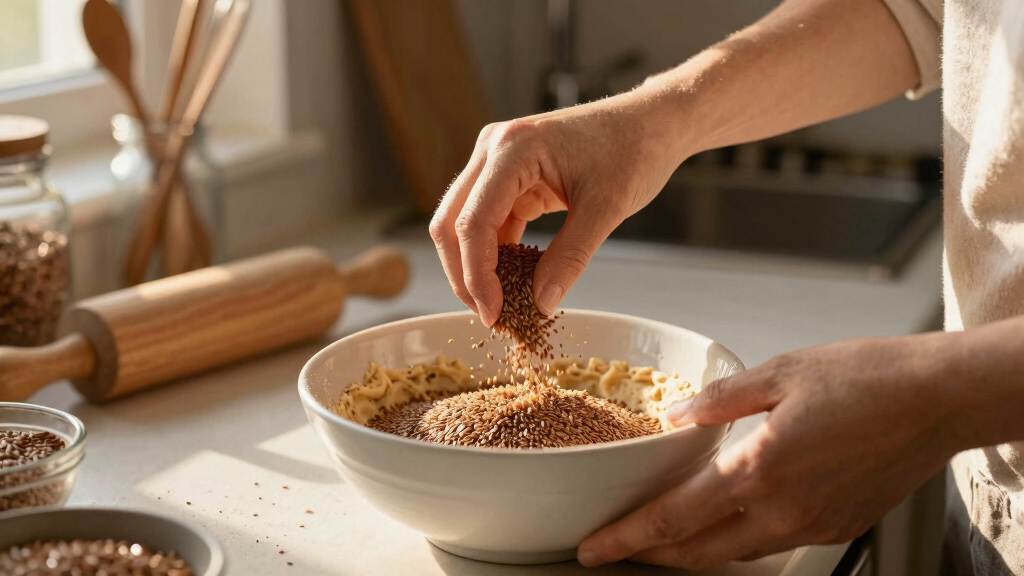
An example? Adding a tablespoon of ground flaxseed to your banana bread boost not only fiber but also a subtle nutty flavor that complements the sweetness.
Products Worth Considering
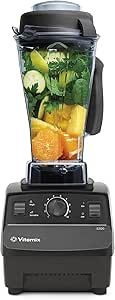
Vitamix 5200 Professional-Grade Blender, 64 oz. Container, Black

Instant Pot InstantChill Ice Cream Maker with Rolled Ice Cream Cold Plate, 2-Pint

Vitamix Propel Series 510 Professional-Grade Blender, 3 Programs, Black
As an affiliate, we earn on qualifying purchases.
How to swap in fiber without wrecking your recipe
- Start by replacing 25% of your flour with a fiber-rich alternative. For example, swap out 1/4 cup of white flour for ground oats or flaxseed.
- Adjust liquids slightly—fiber absorbs moisture. Add an extra tablespoon or two of water or milk. This prevents your baked goods from turning out dry or crumbly, which can happen if you overlook the moisture-absorbing nature of fiber.
- Use finely ground fibers to prevent graininess. Finely milled flaxmeal or oat flour blends better into batters, ensuring a smooth texture that mimics traditional recipes.
- Consider adding moist ingredients like applesauce, yogurt, or mashed bananas to counteract potential dryness and improve the overall mouthfeel. These ingredients also enhance flavor and can help mask any earthy notes from the fibers.
This gradual approach keeps your baked goods light and fluffy, even with added fiber. Understanding how much fiber you add and how it interacts with other ingredients helps prevent common issues like dryness or density, making your healthy baking both successful and enjoyable.
Comparison: Fiber sources that won’t change your bake’s vibe
| Fiber Source | Flavor | Texture Impact | Best Use |
|---|---|---|---|
| Ground Flaxseed | Nutty, mild | Slightly oily, adds moisture | |
| Oat Bran | Oaty, neutral | Adds softness, slight density | |
| Inulin Powder | Neutral, slightly sweet | Minimal impact, fine powder | |
| Chia Seeds | Nutty, earthy | Gels up, adds chewiness |
How fiber impacts taste and texture—and how to hide it
Incorporating fiber can subtly influence the density and moisture content of baked goods. For example, too much ground flaxseed can make muffins denser and slightly oily, which might not be desirable in all recipes. To counteract this, increasing moisture—by adding extra water, milk, or moist ingredients like applesauce—helps maintain a light, tender crumb.
Additionally, fibers like flax and chia can introduce earthy or nutty flavors that might overshadow delicate tastes. Using finely ground fibers minimizes graininess and ensures a smooth batter, but sometimes adding spices such as cinnamon or vanilla can effectively mask any earthy notes. Recognizing these interactions allows you to adjust your recipe to keep the final product appealing and balanced.
What are the best baked goods for sneaky fiber?
Muffins, bread, cookies, and pancakes are your best bets. These recipes are flexible—more forgiving if you tweak ingredients or add extra moisture. For example, swapping part of the flour in your pancake batter with oat flour is quick and invisible to the taste buds.
By choosing recipes with a forgiving structure and moist texture, you allow the added fiber to integrate smoothly, minimizing the risk of undesirable changes in texture or appearance. This flexibility makes these baked goods ideal candidates for fiber enhancement, especially when aiming for subtlety and health benefits.
How to mask fiber’s texture when it shows up
If fiber makes a baked good denser or grainier, don’t panic. Use moist ingredients like mashed bananas or applesauce to soften the crumb and improve mouthfeel. Spices and vanilla extract also help distract from any earthy or nutty flavors. These ingredients not only enhance flavor but also contribute to a more tender, appealing texture.
For example, a spoonful of cinnamon in banana bread can effectively mask a slightly dense texture caused by added flaxseed, making the final product more enjoyable without sacrificing health benefits.
Simple tips to sneak in fiber every time
- Start with replacing 25% of flour and increase gradually, allowing your palate and baked goods to adapt without compromising quality.
- Use finely ground fiber sources for a smooth batter—coarser fibers can introduce unwanted grittiness and affect the overall mouthfeel.
- Match fiber types with your baked good’s flavor profile and texture; for example, nutty flaxseed works well in hearty breads, while neutral inulin is better for delicate cakes.
- Adjust liquids to counteract absorption by fibers—adding extra water, milk, or moist ingredients ensures your baked goods stay tender and moist.
- Experiment with different fiber sources to find what best suits your taste and texture goals, understanding that each type impacts the final product differently and may require recipe tweaks.
Frequently Asked Questions
How much fiber can I add without ruining my baked goods?
Start by replacing about 25% of your flour with fiber-rich ingredients like ground flaxseed or oat bran. This amount boosts nutrition without risking density or dryness. You can increase gradually as you get comfortable with the results.Will adding fiber change the flavor of my baked goods?
Most natural fiber sources like oats or flaxseed have a mild, nutty flavor that blends well. Some fiber powders may have a slight earthy or nutty taste, but it’s usually subtle and easy to mask with spices or vanilla.Can I add fiber to any baked good?
Muffins, bread, cookies, and pancakes are ideal because they’re versatile. Recipes with flexible textures and moisture levels handle added fiber best. For more delicate pastries, proceed carefully with small amounts first.How do I prevent my baked goods from becoming dense or dry?
Counteract fiber’s moisture absorption by adding extra liquids or moist ingredients like applesauce or yogurt. Finely ground fibers also help keep the crumb light and smooth.Are there any health risks with adding too much fiber?
Moderate increases are safe for most people. However, too much fiber suddenly can cause bloating or discomfort. Increase intake gradually—listen to your body and stay hydrated.Conclusion
Adding fiber to your baking can be effortless when you choose the right ingredients and tweak your process. The secret lies in small, smart swaps that blend seamlessly into your favorites—no one will notice, but your gut will thank you.
Remember, the key is moderation and experimentation. Next time you bake, think of fiber as a hidden ingredient that makes your treats healthier and more satisfying—without sacrificing the joy of biting into something delicious.