
TL;DR

Get baking supplies delivered free with Prime
- Fast, free delivery on millions of items
- Prime Video, Amazon Music and more included
- Member-only deals all year
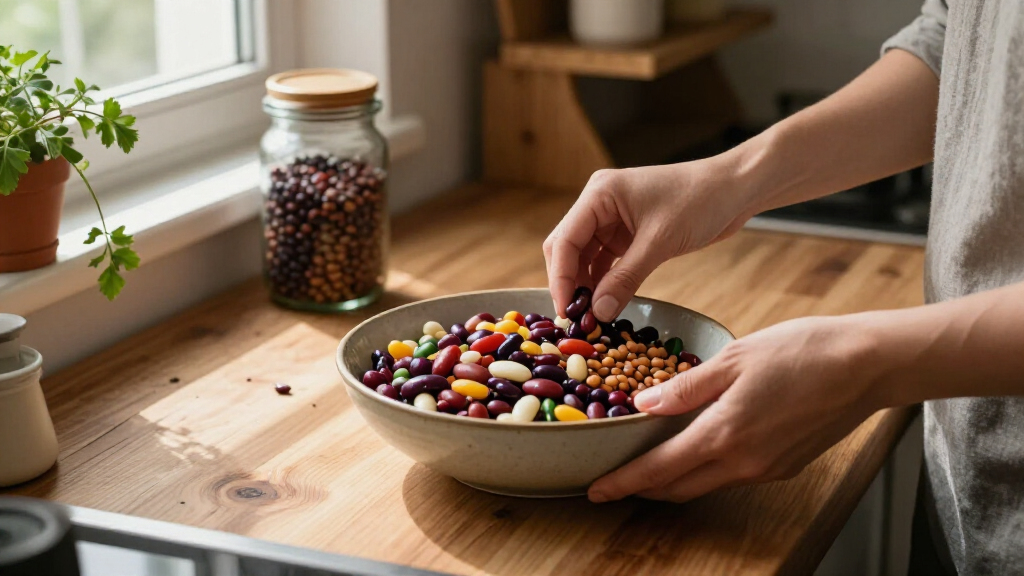
You can boost the protein content of your baked goods by blending beans and legumes into your recipes. Pureed beans work well in muffins, bread, and brownies, making them healthier without changing the taste much. This approach supports a plant-based diet and adds fiber and nutrients naturally.
Imagine turning a humble bean into a secret weapon for healthier baking. Beans and legumes are like the hidden heroes of plant-based protein—quietly packed with fiber, vitamins, and minerals. Yet, many shy away from adding them because of texture or flavor concerns.
In this guide, you’ll learn how to seamlessly incorporate beans into your baked creations—muffins, bread, brownies, and more—without losing flavor or texture. Whether you’re vegan, vegetarian, or just looking to eat smarter, these tips will help you boost protein naturally, making every bite more nourishing and satisfying.
Puree beans thoroughly for a smooth, undetectable addition to baked goods.
Start with replacing a small part of your flour or oil—then adjust based on taste and texture.
Lentils and chickpeas are the best options for flavor and protein content in baking.
Use strong flavors like cocoa or vanilla to mask any residual bean taste.
Gradually increase bean intake to improve digestibility and avoid bloating.
Why Beans and Legumes Are Your Secret Protein Weapon in Baking
Beans and legumes aren’t just for salads and chili—they’re nutritional powerhouses. Packed with about 15 grams of protein per cooked cup, they rival animal sources in plant-based form. Plus, they bring fiber, vitamins, and minerals that support digestion, satiety, and overall health.
When you blend beans into baked goods, you’re adding a load of protein and fiber without extra calories or artificial ingredients. Think of beans as a natural “hidden ingredient” that elevates your baking game—so you get more nutrition with less fuss.
For example, adding pureed chickpeas into muffins or brownies can boost their protein content by 20-30% while maintaining a soft, moist crumb. It’s like giving your baked treats a nutritional upgrade they’ll never see coming.
Products Worth Considering
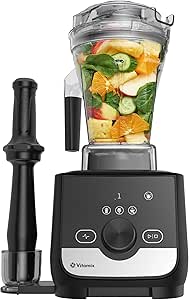
Vitamix Ascent X3 Professional-Grade Blender, 3 Programs, Shadow Black

Vitamix Propel Series 750 Professional-Grade Blender, 4 Programs, Black

Traeger Pro 22 Wood Pellet Grill and Smoker, 572 sq. in.
As an affiliate, we earn on qualifying purchases.
How to Turn Beans Into Your Baking BFFs in 3 Simple Steps
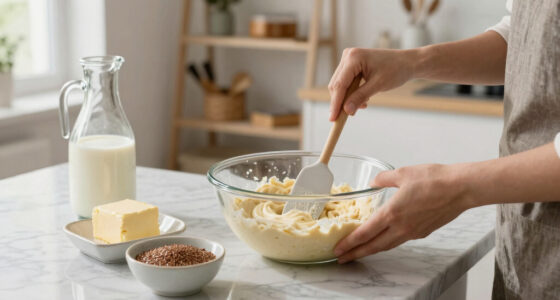
- Puree and prep: Cook beans thoroughly—dried or canned works. Rinse canned beans well to remove excess sodium. Puree until smooth using a blender or food processor. The goal: silky, bean-flavored paste that blends seamlessly.
- Adjust your recipes: Replace part of the flour with bean puree—start with 1/4 cup per cup of flour, then experiment. You can also add bean flour or powder for an extra protein punch.
- Bake and tweak: Use the bean mixture in muffins, bread, brownies, or pancakes. Monitor moisture levels, as beans add moisture. Adjust liquids if needed. Over time, you’ll find the perfect ratio that keeps textures tender and flavors familiar.
For instance, in a standard muffin recipe calling for 2 cups flour, swap in 1/2 cup bean puree. The result? A moist, protein-rich muffin that doesn’t taste “bean-y.”
Comparing Bean Options: Which Legumes Work Best in Baking?
| Bean Type | Flavor & Texture | Best Uses | Protein per Cup (cooked) |
|---|---|---|---|
| Chickpeas | Neutral, slightly nutty | Muffins, brownies, bread | 15g |
| Black Beans | Earthy, smooth | Cookies, cakes, pancakes | 15g |
| Lentils | Mild, soft when cooked | Breads, energy bars | 18g |
| Kidney Beans | Rich, hearty | Savory baked goods, hearty breads | 13g |
While chickpeas and black beans are the most common in baking, lentils offer an even higher protein punch. Their mild flavor blends well, and they produce a soft, moist crumb. Choosing the right legume depends on balancing flavor, texture, and the desired nutritional boost. For instance, lentils, with their higher protein content and softer consistency when cooked, can be particularly advantageous for recipes where a subtle flavor and moist crumb are desired, but they may require more careful blending to avoid grit. Beans like kidney beans can add a hearty flavor but might overpower delicate baked goods if not used judiciously. Understanding these tradeoffs helps you optimize both nutrition and taste in your baking.
Secret Tips for Perfectly Smooth Bean Purees Every Time
Getting a silky bean puree is the key to hiding beans in baked goods. Here’s how:
- Cook beans until very tender—this makes blending easier and results in a smoother texture.
- Use a high-powered blender or food processor—don’t skimp on this step.
- Add a splash of water, plant-based milk, or a little oil to loosen the mixture if needed.
- Blend until completely smooth, scraping down sides often to avoid lumps.
Achieving a perfectly smooth puree is crucial because any residual grit or lumps can disrupt the texture of your baked goods, making them gritty or uneven. The smoother the puree, the more seamlessly it integrates, ensuring the beans are truly hidden. For example, when making a chocolate brownie, a silky chickpea puree blends right into the batter, providing moisture and protein without any detectable bean chunks or gritty texture. This step may take extra patience, but it’s the difference between a good bean-enhanced treat and one that feels gritty or grainy—so don’t rush the pureeing process.
Addressing Common Concerns About Beans in Baking
Worried about bean flavor or texture ruining your baked treats? Don’t be. With the right prep and ratios, beans melt into the batter, adding moisture and protein without any bean-y taste.
Tip: Use strong flavors like cocoa, vanilla, or spices to mask any residual bean flavor. Additionally, understanding the implications of adding beans helps you make better choices. For example, too much bean puree can alter the batter’s moisture balance, leading to dense or overly moist baked goods. It’s a balancing act: start small, taste as you go, and adjust accordingly. Also, consider the implications for digestibility—introducing beans gradually can help your body adapt, and rinsing canned beans thoroughly reduces compounds that cause bloating or gas. The key is moderation and proper preparation, which ensures your baked goods are both delicious and gentle on digestion.
Creative Ideas: How to Sneak Beans Into Your Favorite Baked Goods
Here are three tasty, foolproof ways to hide beans and boost protein:
- Chocolate brownies: Substitute 1/3 of the oil with chickpea puree for a moist, protein-packed treat.
- Banana bread: Mix in mashed lentils for extra fiber and a subtle boost.
- Veggie muffins: Add pureed black beans to the batter—kids won’t notice, but they’ll get more nutrients.
These ideas are more than just tricks—they’re strategic ways to enhance the nutritional profile of your baked goods without sacrificing flavor. For example, replacing part of the oil in brownies with bean puree not only increases protein but also improves moisture retention, resulting in a richer, more satisfying treat. Similarly, incorporating lentils into banana bread can add fiber and micronutrients, subtly elevating the health benefits. The key is to balance the bean addition so it complements the existing ingredients, ensuring your baked goods remain delicious and nourishing.
Why This Method Works and How It Supports Your Healthy Goals
Incorporating beans into baking is effective because it adds plant-based protein and fiber, which help you stay full longer and support muscle repair. Plus, beans are naturally low in fat and calories, making them a nutritious addition. Beyond the immediate nutritional benefits, this method encourages a more sustainable and health-conscious approach to baking—reducing reliance on processed ingredients and animal products. The tradeoff is that while beans add valuable nutrients, they require careful preparation to avoid altering the desired texture or flavor of your baked goods. This means experimenting with ratios and flavors to find the perfect balance that aligns with your health goals. Ultimately, this approach promotes a more nutrient-dense diet that supports long-term wellness, gut health, and energy levels, making your baking both smarter and more aligned with your lifestyle.
Frequently Asked Questions
Can I use canned beans for baking, or should I always cook dried beans first?
Canned beans work perfectly—just rinse them thoroughly to remove excess sodium. If you prefer a more natural approach, cooking dried beans from scratch gives you control over texture and flavor. Both work well as long as they’re smooth and well-prepared.How much bean puree should I add to my baked goods?
Start with about 1/4 cup of pureed beans per cup of flour. You can increase it gradually to 1/2 cup or more, depending on the recipe and your taste. Adjust the liquids slightly if the batter feels too thick or dry.Will beans affect the flavor of my baked treats?
If pureed well and combined with strong flavors like cocoa or vanilla, beans become almost invisible. They add moisture and nutrition without changing the familiar taste. The key is balancing flavors so the beans blend seamlessly.Are there any health risks or allergies I should watch out for?
Some individuals may experience digestive discomfort or have legume allergies. Always start with small amounts and observe how your body reacts. Rinsing canned beans helps reduce compounds that cause bloating or gas. Also, be aware of any personal food allergies or sensitivities to legumes.Can I replace all the flour with bean flour for a high-protein bake?
You can, but it may affect the texture and flavor. Mix bean flour with traditional flour to maintain a light crumb. Experiment to find the right balance—start with 25% bean flour and adjust from there. Keep in mind that pure bean flour can make baked goods denser or more crumbly if used exclusively, so gradual substitution helps achieve a desirable texture.Conclusion
Adding beans and legumes into your baking isn’t just a trick—it’s a smart, healthful move. It’s like turning humble ingredients into a secret superpower, giving your baked treats a protein boost without sacrificing flavor or texture.
Next time you bake, think of beans as a quiet ally. They quietly support your health goals—more fiber, more nutrients, more satisfaction. So grab that blender, experiment with purees, and turn everyday baking into a nourishing act. Your taste buds—and your body—will thank you.