TL;DR

Get baking supplies delivered free with Prime
- Fast, free delivery on millions of items
- Prime Video, Amazon Music and more included
- Member-only deals all year
The Florentine reports on Women of the Flood: A New Future for Florence, a new issue of The Curators’ Quaderno featuring photographs and accounts of women’s work after the Arno flood of 1966. The publication highlights rescues at Museo Galileo and the National Central Library, alongside the broader volunteer effort to salvage Florence’s cultural collections.
A new photographic issue of The Curators’ Quaderno documents women’s roles in rescuing Florence’s cultural collections after the 1966 Arno flood, from museum objects carried to safety to books washed and repaired at the National Central Library. Titled Women of the Flood: A New Future for Florence, the publication was created by Calliope Arts and Restoration Conversations, with The Florentine Press, according to The Florentine’s October 26 report.
One featured photograph shows Maria Luisa Righini Bonelli, then director of the Museum of History of Science, now Museo Galileo. The report says she moved the collection’s most precious objects to higher floors as floodwaters threatened the building. Fearing it might collapse, she climbed through a window, edged along the exterior wall and entered the Uffizi through another window, carrying objects she could manage. Among the items taken to safety were compasses, astrolabes and Galileo’s telescope. The image is credited to Maria Luisa Righini Bonelli and is held by the Galileo Museum Archives.
Other photographs focus on the aftermath in the city and the work of volunteers. An image from the Alinari Archives shows a woman using a pitcher to clear sludge from the door of the Duomo’s rectory. The report describes a city struggling with mud and rubble after the Arno burst its banks, and says aid and heavy equipment from Rome were slow to arrive. It also notes a change in women’s public dress: in November 1966, Florentine women began wearing trousers in public. The publication presents the image as evidence of the difficult work residents faced, rather than as a complete account of the flood’s social effects.
The issue also records the recovery effort at the National Central Library of Florence. The report says more than 1.3 million books and periodicals were lost in sludge at the library alone. Washing began at the railway station, described as one of the few places in the city with running water. The library later became a major centre for the international volunteers known as the Mud Angels, who came to salvage damaged cultural material. Photographs and archival captions identify women among those working to clean and restore the collections.
Women’s Work in Cultural Recovery
The publication directs attention to a part of disaster recovery that can be obscured when accounts focus on damaged buildings or well-known collections: the labour of saving, cleaning and repairing objects. Righini Bonelli’s account, as presented in the report, shows how museum staff made urgent decisions under immediate physical danger. At the library, the scale of the losses demanded sustained work after the floodwaters receded, not only emergency removal of books.
The photographs also connect individual actions to a longer institutional legacy. The report says Florence’s flood changed conservation practice and that the National Central Library established a permanent restoration laboratory by spring 1967. The issue’s focus on women, including bookbinder Dorothy Cumpstey and chemist Margaret Hey, places their specialist contributions within that history. The images offer readers a way to see recovery as both an emergency response and the beginning of long-term preservation work.
Products Worth Considering

Vitamix Propel Series 750 Professional-Grade Blender, 4 Programs, Black
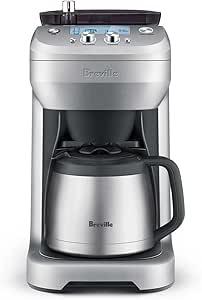
Breville Grind Control Coffee Maker with Thermal Carafe, Brushed Stainless Steel

DeLonghi Rivelia Automatic Espresso Machine Bundle with Grinder and Frother, Beige
As an affiliate, we earn on qualifying purchases.
From Flood Rescue to Restoration
The Arno flood struck Florence in November 1966, damaging homes, public spaces and collections. The Curators’ Quaderno issue centres on photographs and accounts connected to the city’s response, including work at Museo Galileo and the National Central Library. The Florentine report describes approximately 600,000 tons of mud and rubble entering the city. That figure is presented in the report as the scale of debris from the disaster; it does not, by itself, describe the amount at any single site.
At the library, the response extended well beyond initial cleanup. The report identifies stages of conservation that included analysis, washing, drying, mending and rebinding. Cumpstey, a bookbinder, and Hey, a chemist, are named among the women at the forefront of this work. The library continues to support a programme to recover and restore holdings damaged by the flood, according to the report. The new issue uses historical photographs and archival material to connect these practical efforts with the continuing task of preserving collections.
What the Report Does Not Specify
The source report does not provide a release date beyond describing the issue as the latest Curators’ Quaderno, nor does it give details about where to obtain the publication, its price, or whether it is available in print, online or both. It also does not reproduce extended interviews or direct quotations from the people featured; the accounts are presented through the report’s descriptions and image captions.
Some historical details are given without additional documentation in the report, including the precise circumstances of each rescue trip and the basis for the stated volume of citywide mud and rubble. The article also does not specify how many photographs are included in the issue or provide a full list of contributors. Those details should not be inferred from the selected images described in the coverage.
Publication and Ongoing Conservation
The immediate next step for readers interested in the issue is to consult The Curators’ Quaderno and its publisher or partner organisations for access and publication details; the report does not state those arrangements. The Florentine’s coverage establishes the subject and describes several photographs but does not announce an event, exhibition or public programme connected with the issue.
The longer-running work described in the report is the National Central Library’s continuing effort to recover and restore flood-damaged holdings. The source does not give a completion date or a current total for materials still awaiting treatment. The publication’s emphasis on conservation specialists and volunteers presents the flood’s legacy as ongoing preservation work, while leaving the present scale and timetable of that work unspecified.
Key Questions
What is Women of the Flood?
Women of the Flood: A New Future for Florence is a new issue of The Curators’ Quaderno. It was created by Calliope Arts and Restoration Conversations, with The Florentine Press, and documents women’s roles in Florence’s recovery after the 1966 flood.
What does the photograph of Maria Luisa Righini Bonelli show?
The report describes her moving valuable objects from the Museum of History of Science to safety, including compasses, astrolabes and Galileo’s telescope. It says she crossed from the museum to the Uffizi through windows when she feared the building might collapse.
How many books and periodicals were lost at the National Central Library?
The Florentine report says more than 1.3 million books and periodicals were lost in sludge at the National Central Library. It also describes washing and restoration work that followed.
Who were the Mud Angels?
The report uses the name Mud Angels for young volunteers, including people who travelled from outside Florence and from other countries, to help salvage the city’s cultural treasures after the flood.
Where can readers view or buy the issue?
The source report does not specify availability, price or sales channels. Readers will need to check with The Curators’ Quaderno or its partner organisations for publication details.
Source: theflorentine.net