
TL;DR

Get baking supplies delivered free with Prime
- Fast, free delivery on millions of items
- Prime Video, Amazon Music and more included
- Member-only deals all year
You don’t need a tandoor to make tasty naan. High-temperature oven, skillet, or open flame methods can produce soft, charred bread with authentic flavor at home.
High heat is essential — whether in the oven, skillet, or over an open flame — to mimic tandoor results.
Resting your dough develops gluten, making naan soft and fluffy.
Preheating your cooking surface creates crispy bottoms and puffed tops.
A quick flame over gas stoves adds smoky, charred flavor that’s hard to beat.
Brushing with butter or ghee immediately enhances texture and flavor.
What makes naan taste so authentic? The secret ingredients and techniques
Naan’s signature flavor and texture come from a few key elements. High-protein flour, like bread flour, provides chewiness. Yogurt or milk adds moisture and tenderness, which contribute to a softer crumb and richer flavor. Yeast or baking powder helps the dough rise, creating that light, airy interior. Resting the dough allows gluten development, which is crucial for elasticity and chewiness, ensuring the naan can stretch and puff without tearing. Toppings like garlic or cilantro add bursts of aromatic flavor that elevate the bread’s profile. Understanding these ingredients and techniques is essential because they influence not just taste but also texture and appearance. For instance, overworking the dough can lead to tough naan, while insufficient resting can prevent proper gluten formation, resulting in flat, dense bread. The balance of ingredients and timing affects the final product’s authenticity, making this knowledge key to mastering homemade naan.
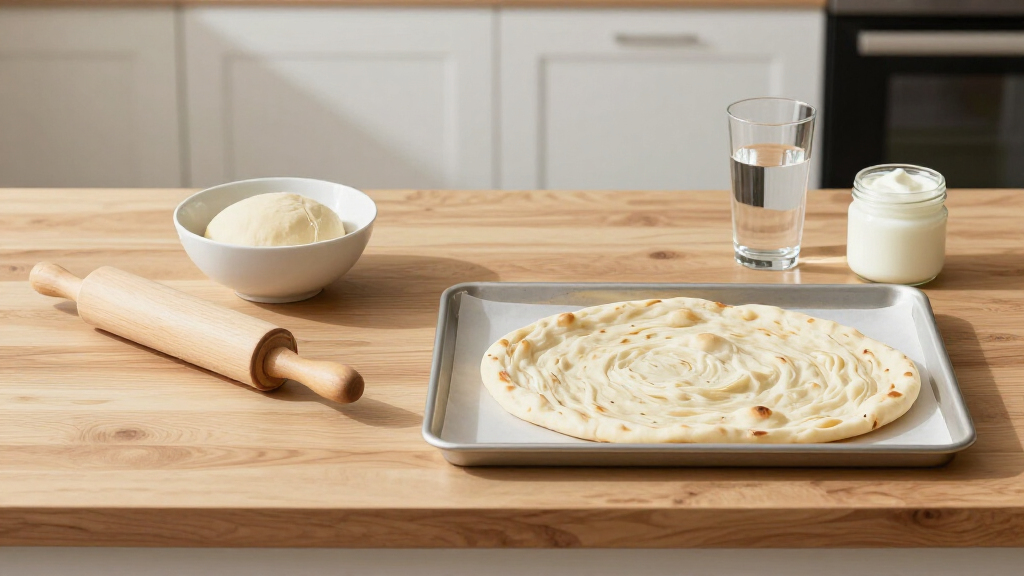
For example, a typical naan dough includes 2 cups of bread flour, 1/2 cup yogurt, 1 teaspoon yeast, and a pinch of salt. Rest it for at least an hour to allow gluten to develop fully, which results in a more elastic dough that puffs better during cooking. Shaping and cooking then produce a tender, slightly tangy bread with the characteristic chew and flavor that make naan so beloved.
Products Worth Considering

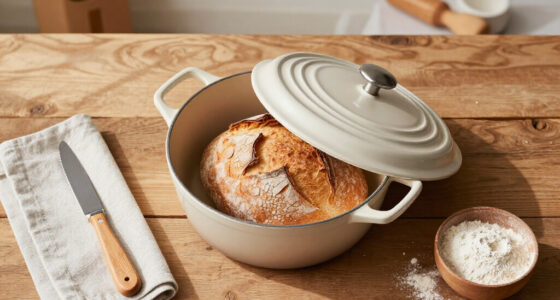
Le Creuset Enameled Cast Iron Round Dutch Oven, 5.5 Qt, Flame

Le Creuset Signature Enameled Cast Iron Round Dutch Oven, 5.5 qt, Deep Teal

Le Creuset Enamemed Cast Iron Oval Dutch Oven, 5 qt., White/Crucible
As an affiliate, we earn on qualifying purchases.
How to cook naan on your stovetop for a smoky, charred finish
- Preheat a heavy skillet or cast iron pan over medium-high heat until it’s very hot, nearly smoking. This intense heat is vital because it creates the rapid steam and Maillard reactions that form the characteristic charred spots and smoky aroma. The high temperature also causes the water in the dough to vaporize quickly, leading to puffing and a light texture. If the heat isn’t hot enough, the naan may cook through without developing those desirable spots or a smoky flavor, resulting in a less authentic experience. Resting the dough and ensuring it’s rolled thin enough are also important; thicker naan will take longer to cook and may not develop the same level of char. Using a hot pan ensures the surface sears quickly, locking in moisture and creating that crispy exterior with contrasting chewy interior. This method’s success hinges on balancing heat and timing to avoid burning while achieving the smoky, charred effect that defines traditional naan.
- Roll out your dough into 1/4-inch thick ovals or rounds. Optional: sprinkle with garlic or herbs for added flavor.
- Place the naan in the hot pan. Cook for about 1-2 minutes until bubbles form and the bottom is golden and slightly charred. This rapid cooking process is key because it mimics the intense heat of a tandoor, which is responsible for the bread’s distinctive texture and flavor.
- Flip and cook the other side. For extra smoky flavor, briefly hold the naan over a gas flame with tongs until spots blacken slightly. This step adds a layer of complexity, mimicking the direct flame contact in traditional tandoor baking, which imparts a distinct smoky aroma and uneven charring that’s difficult to replicate otherwise.
- Brush with melted butter or ghee before serving. Enjoy that crispy, chewy perfection!
This method creates authentic charred spots and a deliciously smoky aroma, mimicking the tandoor experience. The key tradeoff is that it requires high heat and quick handling to prevent burning, but when done correctly, it delivers a complex flavor profile that elevates homemade naan to restaurant quality.
Using your oven or broiler to mimic a tandoor’s high heat
Crank your oven up to 500°F (260°C) — the hotter the better. Place a pizza stone or inverted baking sheet inside while it heats up. This mimics the intense heat of a tandoor, helping naan puff and develop a crisp bottom. The high temperature causes the water in the dough to vaporize rapidly, creating steam that puffs the bread and develops a light, airy texture. The pizza stone or baking sheet acts as a heat conductor, providing an intense, even heat that encourages browning and charring on the surface. Shape your dough, then slide it onto the hot stone or sheet. Bake for 3-5 minutes until puffed and golden. For those perfect charred spots, switch to broil mode for 1-2 minutes, watching carefully so it doesn’t burn. The broiler’s direct heat creates a quick, intense blast that produces blistered, charred patches similar to those from a tandoor, adding depth and complexity to the flavor. This method offers a good balance between convenience and authenticity, but it requires monitoring to prevent overcooking or burning due to the high heat.