
TL;DR

Get baking supplies delivered free with Prime
- Fast, free delivery on millions of items
- Prime Video, Amazon Music and more included
- Member-only deals all year
Overmixing in baking develops gluten too much, which can make bread chewy and cakes dense. For tender, fluffy treats, mix just until ingredients are combined. Using gentle folding and paying attention to instructions is key.
Ever wonder why your muffins turn out dense or why your cake doesn’t have that light, airy crumb? It all comes down to how much you stir. Overmixing is a sneaky mistake that can turn your tender batter into something chewy or rubbery.
In this guide, you’ll learn exactly what overmixing is, why recipes warn against it, and how small changes in your mixing technique can make your baked goods turn out perfect every time.
Mix only until ingredients are just combined—avoid vigorous stirring.
Overmixing activates excess gluten, which makes baked goods dense and chewy.
Use gentle folding techniques and control your mixing tools for tender results.
Most recipes benefit from minimal mixing—follow instructions carefully.
If overmixing happens, starting over or gently folding in extra liquid can help, but prevention is best.
What is Overmixing and Why Does It Matter?
Overmixing happens when you stir or beat your batter or dough beyond the point of just combining ingredients. Imagine adding flour to wet ingredients and then vigorously beating — that’s overmixing. It’s a common pitfall, especially if you’re using electric mixers without paying attention.
This extra mixing activates gluten strands in flour, which can make your baked goods dense, chewy, or rubbery. Think about a muffin with a heavy, compact crumb—overmixing is usually the culprit.
Understanding why overmixing matters is crucial because gluten development is a double-edged sword. While gluten provides structure and elasticity in bread, in tender baked goods like cakes and muffins, excessive gluten makes the texture tough and undesirable. The key is striking a balance—enough gluten to hold the structure but not so much that it becomes chewy or dense. Recognizing the signs of overmixing allows you to adjust your technique, leading to more consistent, delightful results every time.
Products Worth Considering

Cuisinart PerfecTemp Electric Kettle, 1.7 L, 1500 W, 6 Temperature Settings

Cuisinart SM-50R 5.5-Quart Stand Mixer, Ruby Red

KitchenAid Artisan 5-Quart Tilt-Head Stand Mixer, Almond Cream
As an affiliate, we earn on qualifying purchases.
How Overmixing Changes Your Baked Goods
When you overmix, you’re pushing your batter or dough past the optimal point of gluten development. This over-activation causes a cascade of changes that negatively impact your baked goods’ texture and appearance. These changes are often subtle at first but become more pronounced with continued overmixing.
For instance, excessive gluten formation results in a denser crumb because the protein network becomes too tight, trapping less air and moisture. This leads to baked goods that are heavy and chewy instead of light and tender. Overmixing also causes the formation of tunnels or cracks—these are visible signs of uneven gluten development that disrupt the structure. Additionally, it can cause the batter to rise unevenly or collapse during baking, producing a flat or irregular crumb. The texture becomes rubbery, making bites less pleasant and more difficult to chew. Recognizing these effects helps bakers troubleshoot and prevent overmixing, ensuring their baked goods stay light, fluffy, and tender rather than dense and tough.
A Simple Step-by-Step Guide to Gentle Mixing
- Start slow: Mix wet ingredients first, then gently add dry ingredients, ensuring even distribution without vigorous stirring. This reduces the risk of overactivating gluten right from the start.
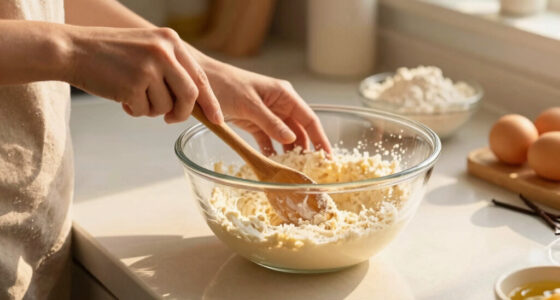
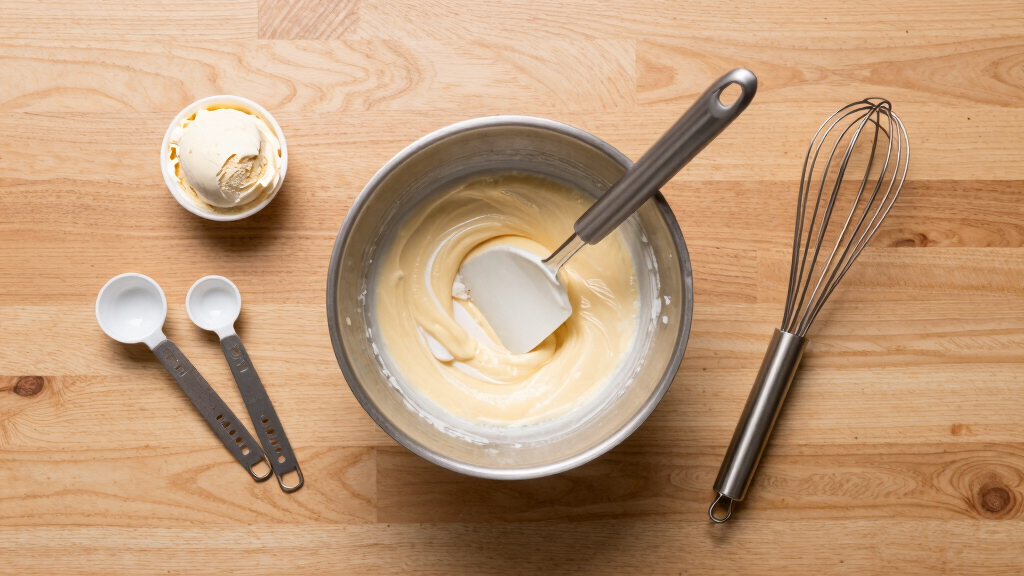
- Use a spatula or spoon: Fold ingredients together carefully—think of it as gently coaxing the ingredients into harmony rather than forcing them. This method minimizes gluten development and preserves the batter’s airy texture.
- Stop when just combined: As soon as you see no streaks of flour, stop mixing—even if the batter looks lumpy or uneven. Overmixing at this stage begins the process of toughening the final product, so patience is key.
- Be patient: Resist the temptation to keep stirring. Remember, a few lumps won’t ruin your batter and are preferable to overworking the gluten network, which leads to density and toughness.
- For delicate recipes: Consider mixing by hand using a spatula for better control. Hand mixing allows you to feel the batter’s consistency and avoid the temptation to overmix, resulting in a more tender final product.
Picture it like gently folding a delicate fabric—too much agitation destroys the fabric’s softness. The same principle applies in baking: gentle, deliberate mixing preserves the lightness and tenderness of your baked goods.
Using Tools Wisely to Avoid Overmixing
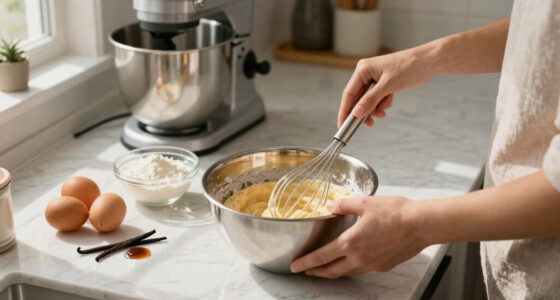
Electric mixers are convenient but can tempt you to overmix because they often encourage vigorous, continuous stirring. To prevent this, opt for tools that give you more control, such as a spatula or a wooden spoon, especially when working with tender recipes like muffins or pancakes. These tools allow you to gently fold ingredients, reducing the risk of overdeveloping gluten.
For example, when making muffins, turn off the mixer as soon as the ingredients are just combined, then switch to folding with a spatula. This gentle approach maintains the batter’s airiness and results in a tender crumb. Remember, the goal isn’t to whip or beat vigorously but to combine ingredients smoothly and gently.
Using your tools wisely means understanding the importance of control—less is more when it comes to mixing. This mindful approach ensures your baked goods are tender, fluffy, and perfectly textured.
Comparison Table: Overmixing vs. Proper Mixing in Baking
| Aspect | Overmixing | Proper Mixing |
|---|---|---|
| Gluten development | Excessive, leading to toughness | Controlled, resulting in tenderness |
| Texture of baked good | Dense, chewy, rubbery | Light, fluffy, tender |
| Appearance | Cracks, tunnels, uneven rise | Smooth surface, even rise |
| Best for | Bread (with careful control) | Cakes, muffins, pancakes |
What to Do When You Overmix (And How to Fix It)
If you catch yourself overmixing, don’t panic. Sometimes, a gentle fold or a splash of extra liquid can help loosen the batter, making it slightly more workable. However, these are temporary fixes and may not fully reverse the dense, tough texture caused by overmixing. Often, the best solution is to start over with fresh ingredients, especially if the batter has become very elastic or sticky, signaling excessive gluten development. This ensures your final baked good will have the ideal texture and rise.
For example, if your muffin batter appears overly smooth and elastic, try folding in a little more milk or water to loosen it before baking. But keep in mind, the most reliable way to ensure tender results is to recognize overmixing early and to start with a new batch if needed. Prevention—by mixing gently and stopping at the right moment—is always better than trying to fix a problem after it occurs.
Remember, the goal is to avoid overworking the batter from the start, which leads to dense and chewy baked goods. Staying attentive during mixing saves time and guarantees the best texture.
Frequently Asked Questions
Can overmixing ruin my baked goods even if I bake them right afterward?
Yes. Overmixing develops too much gluten, which can make your baked items dense, chewy, or rubbery, regardless of baking time. It’s best to mix just until ingredients are combined.Is overmixing worse for certain recipes?
Absolutely. Tender baked goods like muffins, pancakes, and cakes are most affected because their delicate structure relies on minimal gluten development. Overmixing these recipes leads to dense, rubbery textures. Conversely, recipes like bread benefit from gluten development, but even then, overmixing can cause issues if not controlled, such as a tough crust or uneven crumb. Recognizing the appropriate mixing method for each recipe helps optimize texture and rise.How do I tell if I’ve overmixed my batter?
Look for signs like a batter that’s very smooth, elastic, or sticky, which indicates excessive gluten formation. Also, if after baking the product shows cracks, tunnels, or a dense, rubbery texture, overmixing was likely the cause. Slight lumps are acceptable and often desirable, as they indicate minimal gluten development and a tender crumb. Developing an awareness of these signs helps you stop mixing at the right moment.Can I fix overmixed batter before baking?
Sometimes, gently folding in a bit of extra liquid or air can help loosen the batter, but these fixes often only provide temporary relief. The most reliable method is to start fresh, especially if the batter has become very elastic or sticky, which signals excessive gluten development. Properly mixing ingredients just until combined prevents this issue altogether.What tools help prevent overmixing?
Using tools like a spatula or a wooden spoon for folding, and mixing by hand when possible, provides better control than electric mixers. These tools allow you to gently combine ingredients without overworking the batter, which is especially important for delicate recipes like muffins or pancakes. Stop mixing as soon as the ingredients are just incorporated, ensuring a tender, light final product.Conclusion
Remember, the secret to fluffy, tender baked goods isn’t just the ingredients—it’s how you handle them. Keeping your mixing gentle and mindful is the easiest way to avoid dense, tough treats.
Next time you’re about to overmix, picture a delicate fabric—lightly folding instead of vigorously stirring. That’s the key to perfect baking every time.