TL;DR
Proofing is about more than time; look for a doubled size, gentle spring-back, and airy texture. Rely on sensory cues and visual signs for the best results, avoiding over- or under-proofing.
Always look for about a doubling in size and a gentle spring-back when poking your dough.
Rely on sensory cues over strict timing—visual appearance and texture are your best guides.
Use tools like proofing baskets and thermometers to support your judgment.
Cold proofing develops flavor and adds flexibility to your baking schedule.
Avoid over- or under-proofing by paying close attention to the dough’s signals.
How to Spot a Dough That’s Ready to Shape
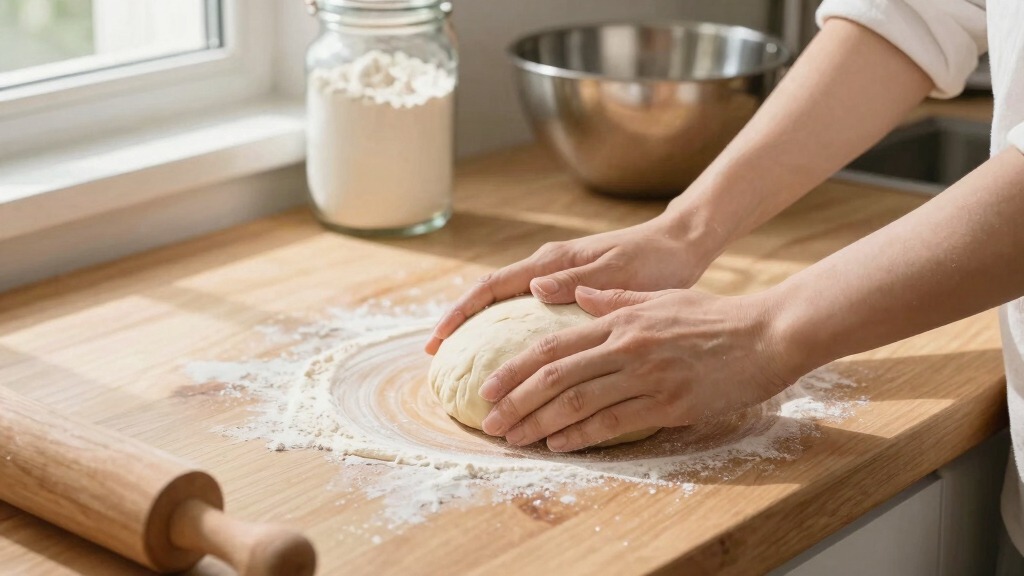
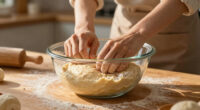
Knowing when dough is ready to shape is about observing its growth and texture. The dough should roughly double in size, feeling soft and slightly domed. When you gently poke it, the dough should spring back slowly, leaving a slight indentation. This indicates the gluten is relaxed but still elastic enough for shaping.
Imagine pressing your finger into a marshmallow—if it slowly springs back and the surface feels airy and light, you’re in the sweet spot. If it doesn’t bounce back at all, it’s over-proofed; if it’s still dense, it needs more time.

Sourdough Proofing Basket Gift Set, 9" Round and 10" Oval Banneton Bread Baking Supplies, Sourdough Baskets with Bread Lame, Danish Whish, Bowl Scraper, Sourdough Scraper, and Linen Liner
- Complete Baking Gift Set: Includes baskets, lame, scrapers, and liners
- 9-inch Round & 10-inch Oval: Two sizes for versatile proofing needs
- High-Quality Rattan Material: Smooth, splinter-free, non-stick, durable
As an affiliate, we earn on qualifying purchases.
As an affiliate, we earn on qualifying purchases.
The Poke Test: Your Secret Weapon for Proofing
The poke test is quick, reliable, and straightforward. Gently press your finger into the dough about half an inch deep. If the indentation slowly fills back, your dough is ready. If it stays sunken, it’s over-proofed; if it bounces back instantly, it needs more time.
Why this works: the test measures the dough’s elasticity and gas retention. A properly proofed dough has developed enough gluten strength and gas bubbles to resist collapse but still retains enough elasticity to spring back gently. Over-proofed dough, having lost some gluten structure, won’t recover well, while under-proofed dough lacks sufficient gas and elasticity, leading to poor oven spring.
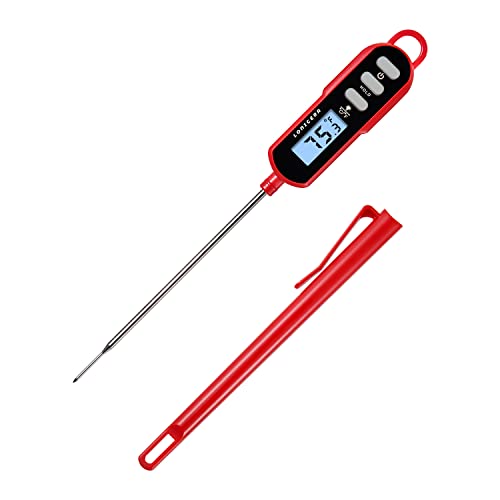
LONICERA Digital Cooking Thermometer for Bread, 5-Inch Probe, Red
- Probe Length: 5-inch food-grade probe
- Waterproof Design: IPX6 waterproof for easy cleaning
- Fast & Accurate: Reads in 2-3 seconds with ±2°F accuracy
As an affiliate, we earn on qualifying purchases.
As an affiliate, we earn on qualifying purchases.
Timing vs. Sensory Cues: Which Matters More?
While recipes often suggest proofing times—usually 1 to 2 hours at room temperature—these are only rough guides. Varying room temperatures, humidity, and dough composition can make timing unreliable. Relying on sensory cues like size, texture, and elasticity yields better results.
Timing can be deceptive because environmental factors influence how quickly dough proofs. For example, a warm kitchen accelerates fermentation, risking over-proofing if you stick rigidly to the clock. Conversely, a cool space can slow proofing, leading to under-proofed dough if you rush. By focusing on how the dough looks and feels—its size, surface tension, and elasticity—you’re making a more informed judgment that adapts to your specific conditions. This approach reduces guesswork and improves consistency, especially for bakers seeking perfect oven spring and open crumb.

Prutomr Dough Proofing Cloth 35"x26" Large, Professional Heavy Duty Bakers Couche for Bagutter Loaves, 100% Natural Unbleached Cotton Fabric Towel for French Baguettes, Shaping Tool for Bread Baking
- 【Safe】Proofing Cloth is made of unbleached cotton fabric,…
- 【Durable】All Sewing edges are seamed durable and well…
- 【Perfect Size】Extra Large Couche 35"x26", suitable for 6-7…
As an affiliate, we earn on qualifying purchases.
As an affiliate, we earn on qualifying purchases.
How Cold Proofing Enhances Your Bread’s Flavor
Cold proofing—retarding fermentation in the fridge—slows yeast activity, allowing flavors to develop more fully. It’s like giving your dough a slow, gentle wake-up call. After an overnight chill, the dough often looks puffier, with a more complex aroma.
This method also offers flexibility—you can proof overnight and bake in the morning. Just remember, cold-proofed dough needs longer to rise at room temperature before baking.
Beyond convenience, cold proofing enhances flavor because it allows enzymes to break down starches into sugars gradually, resulting in a richer, more nuanced taste. It also strengthens gluten structure, leading to a better crust and crumb. The tradeoff is that it requires planning ahead and patience, but the payoff is superior flavor and texture.

Folding Bread Proofing Box with 50-113℉ Temp Control & 48H Timer, Dough Proofer with Metal Rack, Humidor, Ideal for Sourdough, Bread Baking, Pizza, Yogurt, Kombucha, Perfect for Compact Kitchens
- Temperature Range: 50-113°F adjustable temperature control
- Timer Function: Up to 48-hour timer
- Foldable Design: Compact, space-saving foldable structure
As an affiliate, we earn on qualifying purchases.
As an affiliate, we earn on qualifying purchases.
Tools That Help You Judge Dough’s Readiness
Several tools can make proofing easier. A clear proofing basket (banneton) helps observe how much the dough has expanded. A digital thermometer ensures your dough stays within the ideal fermentation temperature of 75–78°F (24–26°C).
Also, using a scale to measure dough weight and comparing it to its pre-proof weight can be insightful. For example, if your dough has gained about 50% in weight, it’s usually in good shape.
Additional tools like a dough scraper assist in handling and shaping, while a kitchen timer helps you keep track of approximate proofing durations. Remember, these tools are aids—your sensory judgment remains key to perfect proofing.
Common Mistakes That Ruin Your Proofing
Over-proofing is a common pitfall. It leads to a weak gluten network and a flat loaf. When dough is over-proofed, it can become slack, sticky, and prone to collapse during baking because the gluten structure has broken down and gas retention diminishes. This results in a loaf with poor oven spring and a dense crumb. Under-proofing, on the other hand, means the dough hasn’t developed enough gas and elasticity, leading to a dense, heavy loaf with limited rise and a tight crumb. Both mistakes happen when timing is ignored or environmental cues are missed, which can cause inconsistent results and frustration.
For instance, rushing proofing in a cold basement or neglecting to check the dough’s appearance can cause these issues. Listening to your dough’s signals—such as its elasticity, size, and surface appearance—helps you avoid these common pitfalls and achieve a perfect bake.