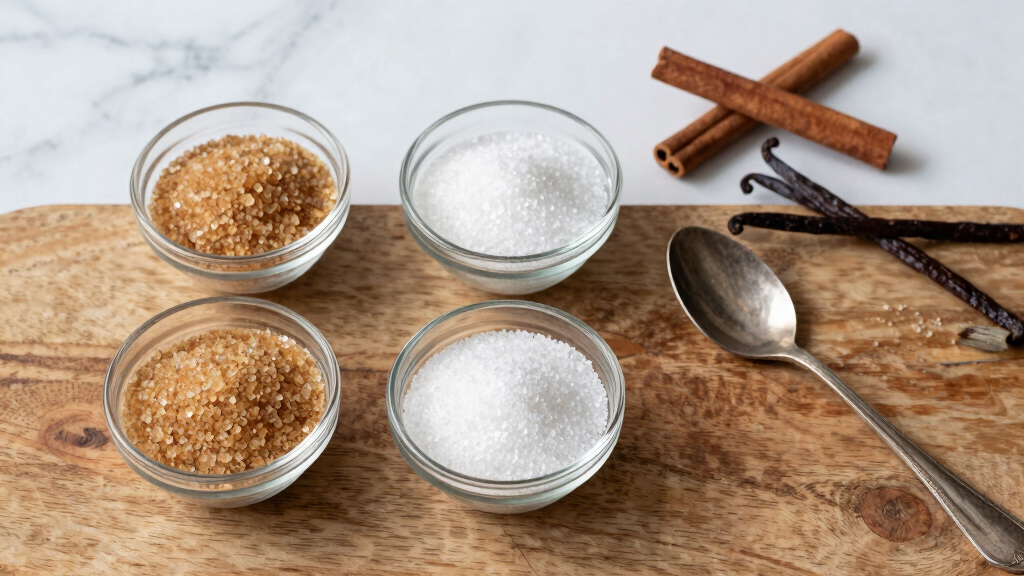

TL;DR

Get baking supplies delivered free with Prime
- Fast, free delivery on millions of items
- Prime Video, Amazon Music and more included
- Member-only deals all year
Brown sugar contains molasses, giving it a richer flavor and moisture, but both sugars are nutritionally similar. Their differences affect baking and taste more than health. Choose based on your recipe and flavor preference.
Ever wonder why your grandma’s cookies taste better with that deep caramel note? It might be because of the type of sugar you use. Many see brown and white sugar as just a color difference, but they actually bring distinct flavors, textures, and baking effects to the table.
In this guide, you’ll learn what sets these sugars apart — beyond their appearance — and how to choose the right one for your baking and cooking projects. Understanding these differences can help you get better results, whether you’re making a batch of cookies or sweetening your morning coffee.
Brown sugar contains molasses, giving it a richer flavor and moisture, but both sugars are similar in calories and minimal in nutrients.
Using brown sugar in baking adds chewiness and a caramel note, while white sugar creates lighter, crisper textures.
Substituting one for the other can work, but expect differences in moisture and flavor that may require recipe adjustments.
Both sugars impact blood sugar similarly; moderation is key, regardless of which you choose.
Store brown sugar in an airtight container with a damp cloth to keep it soft and fresh.
How Are Brown and White Sugar Made? The Processing Differences You Need to Know
White sugar is refined to remove all molasses, leaving behind pure sucrose that’s clean, dry, and super-processed. Brown sugar, on the other hand, either keeps some molasses during manufacturing or has it added back later, giving it that sticky, moist texture and rich color.
For example, granulated white sugar is washed, filtered, and crystallized, while brown sugar retains or reintroduces molasses, which accounts for its distinctive flavor. This process impacts not just the look, but also how the sugar behaves in recipes.
Products Worth Considering

Le Creuset Enamemed Cast Iron Oval Dutch Oven, 5 qt., White/Crucible

Le Creuset Enameled Cast Iron Round Dutch Oven, 5.5 Qt, Flame
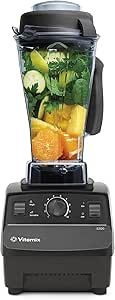
Vitamix 5200 Professional-Grade Blender, 64 oz. Container, Black
As an affiliate, we earn on qualifying purchases.
Flavor and Texture: Why Brown Sugar Tastes Like Caramel and Moisture Matters
Brown sugar has a warm, caramel-like aroma that hits your nose as soon as you open the bag. The molasses content — typically around 3.5% for light brown sugar — infuses baked goods with a deep, rich flavor.
Its moisture content makes it sticky, which can give cookies a chewy texture or help sauces cling better. White sugar’s neutral sweetness makes it perfect when you want a clean, crisp finish.
Imagine baking oatmeal cookies — using brown sugar results in a softer, moister treat with a hint of caramel, while white sugar produces a crisper, lighter cookie.
Nutritional Value: Do You Get More Minerals from Brown Sugar?
Brown sugar contains tiny amounts of minerals like calcium, potassium, and magnesium because of the molasses. But these are so minimal — often less than 1% of your daily needs per teaspoon — that they hardly count as nutritional benefits.
For example, a teaspoon of brown sugar has about 1 milligram of calcium, which is negligible compared to your daily intake. So, don’t pick brown sugar for its health perks; it’s still an added sugar.
How Do They Affect Your Baking? The Practical Impact of Using One or the Other
Choosing between brown and white sugar can change your baked goods’ texture and flavor significantly. Brown sugar’s moisture makes cookies softer and chewier. It also adds a caramel note that’s perfect for brownies and molasses cookies.
White sugar, with its dry, neutral profile, helps baked goods rise evenly and gives a crisp texture. For example, substituting brown sugar in a cake recipe can make it denser and moister, while white sugar results in a lighter crumb.
Here’s a quick comparison:
| Feature | White Sugar | Brown Sugar |
|---|---|---|
| Flavor | Neutral, sweet | Rich, caramel-like |
| Moisture | Dry, free-flowing | Sticky, moist |
| Best for | Light, airy baked goods, beverages | Chewy cookies, sauces, marinades |
Can I Swap Them? How to Adjust Recipes for Different Sugars
Yes, you can swap brown sugar for white sugar and vice versa, but be prepared for some changes. Brown sugar adds moisture, so you might need to reduce other liquids slightly. Its caramel flavor can also influence the overall taste.
Here’s a simple step-by-step:
- Replace the sugar amount exactly.
- Adjust liquids by reducing 1-2 tablespoons if using brown sugar in recipes that call for white sugar.
- Expect a moister, denser texture with brown sugar.
- For desserts like cookies, expect a chewier, more caramelized result.
The Health Side: Does One Sugar Save You Calories or Spike Your Blood Sugar Less?
Both brown and white sugars pack about 16 calories per teaspoon. The tiny mineral content in brown sugar doesn’t make a meaningful health difference.
Glycemic index (GI) wise, brown sugar’s GI is slightly lower than white sugar — around 55 versus 60 — but the difference isn’t enough to impact blood sugar control significantly.
So, if you’re watching your sugar intake, focus on overall moderation rather than which type of sugar you use.
Storing and Using Brown Sugar: Keep It Soft and Fresh
Brown sugar tends to harden over time because it loses moisture. To keep it soft, store it in an airtight container or a resealable bag with a damp cloth or a slice of bread.
If it becomes hard, soften it by microwaving for 10 seconds with a damp paper towel or placing a damp sponge in the container overnight.
White sugar, on the other hand, stays dry and free-flowing almost indefinitely if kept in a cool, dry place.
Are There Healthier Alternatives? What Other Sweeteners Might Be Better?
If you’re looking to cut down on processed sugars, options like honey, maple syrup, coconut sugar, or stevia might fit your needs better. These alternatives often have lower GI, more nutrients, or fewer calories.
For example, coconut sugar has a similar caramel flavor but contains small amounts of inulin, a prebiotic fiber. Just remember, all sweeteners should be used in moderation.
Frequently Asked Questions
Is brown sugar healthier than white sugar?
Not really. Both contain similar calories and are considered added sugars with minimal nutritional value. Brown sugar’s trace minerals are negligible and don’t offer health benefits.
Can I replace white sugar with brown sugar in recipes?
Yes, but expect a moister, denser result with a richer flavor. You might need to tweak liquids or baking time slightly for the best outcome.
Does brown sugar cause less blood sugar spike?
Slightly, but the difference isn’t enough to matter much in blood sugar management. Both have high glycemic indices and should be used sparingly.
How do I store brown sugar so it doesn’t harden?
Keep it in an airtight container with a damp cloth or bread slice. If it hardens, soften it in the microwave for 10 seconds or overnight with a damp sponge.
Are there healthier sugar alternatives?
Yes. Options like honey, maple syrup, coconut sugar, and stevia offer different benefits — lower GI, nutrients, or fewer calories. Use them mindfully within your diet.
Conclusion
Choosing between brown and white sugar isn’t just about appearance — it’s about flavor, texture, and the baking results you want. Recognize that their differences are more about culinary effects than health benefits.
Next time you bake or sweeten your coffee, think about what you really want — a hint of caramel or a clean sweetness — and pick accordingly. After all, understanding your sugar gives you the power to craft better, tastier treats every time.