
TL;DR
Baking staples like flour, sugar, and baking powder have specific shelf lives that depend on storage and ingredient type. Properly storing ingredients in cool, dry, airtight conditions extends freshness and safety. Regular checks prevent waste and ensure your baked goods turn out perfect.
Ever opened a bag of flour or a jar of baking soda, only to find it doesn’t seem quite right? You’re not alone. Many home bakers underestimate how quickly ingredients can spoil or lose their potency, leading to flat cakes or bitter cookies. Knowing the real shelf life of your baking staples helps you avoid waste, save money, and get perfect results every time.
In this guide, you’ll learn how to store your ingredients properly, spot signs of spoilage, and understand the actual lifespan of common essentials like flour, sugar, baking powder, and more. Whether you bake weekly or just occasionally, this info keeps your pantry fresh and your baking reliably delicious.
Store baking staples in airtight containers in cool, dark places to extend their shelf life.
Always check for signs of spoilage—off odors, discoloration, or lumps—before use.
Leavening agents like baking powder and yeast lose potency over time; test before baking.
Refrigerate or freeze items like whole grain flour, nuts, and yeast to prolong freshness.
Label your containers with purchase and expiry dates to manage your pantry efficiently.
What affects how long your baking staples stay good?
Storage conditions are the biggest factor in how long your ingredients last. Keep flour, spices, and baking powder in a cool, dry place away from direct sunlight. Humidity invites mold and clumping—especially for flour and cocoa powder. Light can degrade the color and flavor of spices and cocoa, making them less vibrant over time.
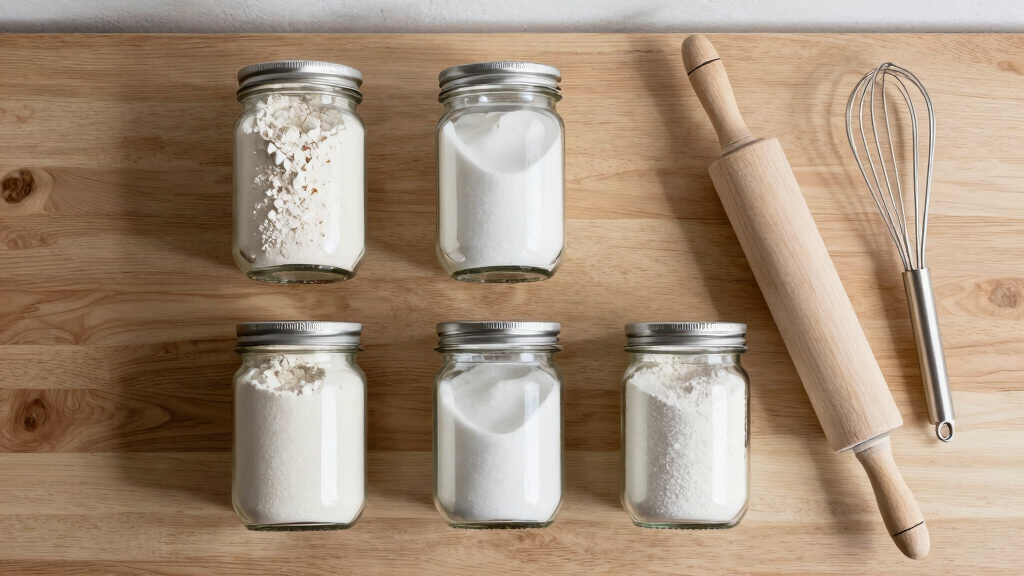
Using airtight containers helps lock out moisture and air, extending freshness. For example, transferring flour into a sealed glass jar prevents it from absorbing humidity or odors from other foods. Pay attention to signs of spoilage: off smells, discoloration, or lumps mean it’s time to replace that ingredient.
Understanding why these conditions matter is crucial: moisture accelerates spoilage and can cause mold, which not only ruins the ingredient but can also pose health risks. Light exposure can break down essential oils and pigments, diminishing flavor and aroma. Air exposure leads to oxidation, which can make fats rancid or spices dull. Balancing these factors through proper storage prolongs both safety and potency, but it’s a tradeoff—sometimes, the convenience of a quick grab may tempt you to store ingredients improperly, risking spoilage.
Additionally, some ingredients are more sensitive to these factors than others. For example, whole grain flours contain oils that oxidize faster, making refrigeration or freezing more critical. Spices, while more stable, still lose flavor over time, especially if exposed to air and light. Recognizing these nuances allows you to tailor storage methods, extending the usable life of your ingredients without sacrificing quality or safety.
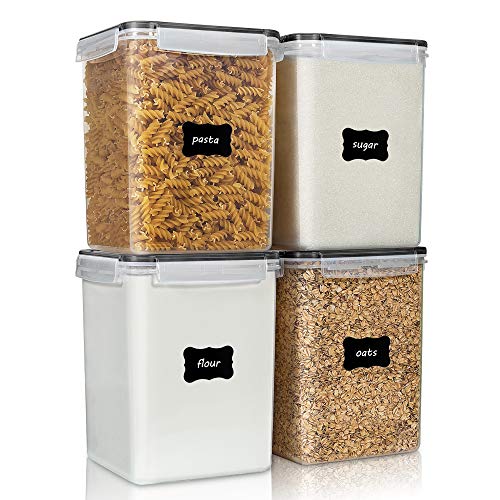
Vtopmart 5.2L Flour Sugar Storage Containers, 4 PCS, Black
- Pantry Organization Solution: Includes containers, measuring cups, labels
- Large Capacity: 5.2L/175oz storage per container
- Versatile Food Storage: Stores flour, sugar, grains, snacks, more
As an affiliate, we earn on qualifying purchases.
As an affiliate, we earn on qualifying purchases.
How long do common baking staples actually last?
| Ingredient | Typical Shelf Life | Best Storage Tips |
|---|---|---|
| White Flour | 6-8 months | Airtight container in a cool, dark pantry. Extending shelf life by refrigerating or freezing can preserve freshness longer, especially in humid climates. This is particularly beneficial if you bake infrequently, as it prevents the flour from going rancid or developing mold. |
| Whole Wheat Flour | 4-6 months | Refrigerate or freeze for longer storage. Because it contains oils that go rancid faster, cold storage slows oxidation and preserves flavor. This is essential if you buy in bulk or don’t bake regularly, as rancid flour can impart off-flavors and affect the texture of baked goods. |
| Sugar | Indefinite (if kept dry) | Store in a sealed container away from moisture. While sugar doesn’t spoil, it can harden or absorb odors, which affects its flavor and usability. Using airtight storage maintains its flowability and prevents contamination, ensuring consistent results in your baking. |
| Baking Powder | 6-12 months | Keep in an airtight jar and test periodically. Its leavening power diminishes over time, so regular testing ensures your baked goods rise properly. This prevents flat or dense textures, saving you time and ingredients. |
| Baking Soda | Indefinite, best used within 2 years | Store in a dry place; refrigeration or freezing can slow oxidation. Its potency decreases with time, but proper storage helps retain effectiveness. Regular testing prevents failed leavening in recipes, ensuring optimal rise and texture. |
| Yeast | 4-6 months | Refrigerate or freeze for maximum longevity. Active yeast can lose potency, leading to poor rising, so testing before use prevents failed recipes. Proper storage ensures your doughs rise reliably, saving ingredients and time. |
| Cocoa Powder | 2-3 years | Keep in a dark, airtight container. Exposure to light and air can cause flavor loss and rancidity, so proper storage maintains quality longer. This preserves the deep chocolate flavor essential for rich baked goods. |
| Spices | 1-3 years | Store in a cool, dark place; replace when flavor diminishes. Over time, essential oils evaporate, leading to dull flavors, so regular replacement ensures vibrant taste. This maintains the potency necessary for flavorful baked items. |
Remember, these are guidelines. Always check for changes in smell, color, or texture before using. Proper storage and awareness of these factors help you balance convenience with freshness, ensuring your baked goods consistently turn out delicious and safe.
As an affiliate, we earn on qualifying purchases.
How can you tell if your baking ingredients are still good?
Look, smell, and feel. Off odors, discoloration, or clumping signal it’s time to toss. For example, if baking powder no longer fizzes when mixed with vinegar, its leavening power is gone, which means your baked goods won’t rise properly, leading to dense or flat results. Similarly, if flour smells musty or has tiny bugs, it indicates spoilage or infestation—using it can affect flavor and safety.
Perform small tests: sprinkle baking powder into warm water—if it bubbles vigorously, it’s still active. For spices and cocoa, taste a tiny pinch—if flavor is dull, stale, or off, it’s time to replace. These simple checks save you from a failed bake and ensure consistent quality.
Understanding these signs and conducting tests help you avoid wasting ingredients or baking with compromised products, which can affect not only flavor but also safety—especially with leavening agents that directly impact the texture and rise of your baked goods. When in doubt, replacing ingredients used in leavening or flavoring is a small investment for better results and peace of mind.
As an affiliate, we earn on qualifying purchases.
How should you store your baking staples for maximum freshness?
- Use airtight containers—think glass jars or heavy-duty plastic—to prevent moisture and air from degrading your ingredients.
- Keep ingredients in a cool, dark spot away from heat and light—this minimizes oxidation and flavor loss, especially for spices and cocoa powder.
- Refrigerate or freeze perishable items like yeast, whole grain flours, and nuts—this slows spoilage and rancidity, maintaining quality over time.
- Label containers with purchase or expiration dates—this helps track freshness and prioritize usage, reducing waste.
- Check your pantry regularly and rotate stock to use older ingredients first—this practice prevents spoilage and ensures consistent baking results.
For example, storing nuts in the freezer prevents rancidity, especially in warm climates or high-humidity areas. Regular inspections allow you to catch and use ingredients at their peak, avoiding the risk of baking with spoiled items that can compromise flavor, texture, and safety.
As an affiliate, we earn on qualifying purchases.
What are natural ways to extend your baking staples’ shelf life?
Natural preservation methods include vacuum-sealing, using oxygen absorbers, and storing in the refrigerator or freezer. For instance, vacuum-sealing flour in a bag reduces exposure to oxygen and moisture, which are primary factors in spoilage, thereby extending its shelf life by up to 50%. Refrigeration slows down oxidation and mold growth, especially in whole grain products rich in oils, which are more prone to rancidity. In humid climates, these methods are even more critical to prevent spoilage.
By minimizing exposure to elements that accelerate deterioration, these techniques help maintain the quality and safety of your ingredients longer. Always remember to label your sealed or stored items with dates—keeping track of storage duration helps you replace ingredients before they spoil, ensuring your baked goods are consistently fresh and flavorful.
How can you reduce waste of baking staples?
- Buy ingredients in smaller quantities if you don’t bake often, reducing the risk of spoilage before use.
- Transfer ingredients into airtight containers for longer shelf life and to prevent contamination or moisture absorption.
- Use older ingredients for less critical baking—like cookies or pancakes—where slight flavor or potency loss won’t be noticeable.
- Label every container with purchase or expiry dates, so you can prioritize using older stock first and avoid unintentional waste.
- Plan your baking projects to match the amount of ingredients you have, avoiding excess leftovers that might spoil or go unused.
For example, if you buy a large bag of flour but only bake once a month, portion it into smaller jars and freeze what you won’t use soon. This prevents spoilage and keeps your ingredients fresh, saving money and reducing waste over time. Being mindful of storage and usage helps you optimize your pantry and ensures every ingredient contributes to a successful bake.
Frequently Asked Questions
How can I tell if my flour has gone bad?
Check for a musty smell, discoloration, or tiny bugs. If it smells off or has lumps that won’t break apart, it’s best to replace it. A quick test: sift a small amount and smell—fresh flour has a neutral scent, while spoiled flour smells sour or stale.
Can I use expired baking powder or baking soda?
Expired baking powder or soda may lose their leavening power. Test baking powder by adding a teaspoon to warm vinegar—if it fizzes vigorously, it’s still active. For baking soda, mix a small amount with vinegar; if it bubbles, it’s good. Otherwise, replace to ensure your baked goods rise properly.
Should I refrigerate spices and cocoa powder?
Spices and cocoa powder stay fresher longer in a cool, dark, airtight container, but refrigeration isn’t necessary for most. In humid climates, storing in the fridge can help preserve potency. Always keep them sealed tightly to prevent moisture and flavor loss.
What’s the best way to store nut flours and nuts?
Nuts and nut flours are high in oils and can turn rancid quickly. Store them in an airtight container in the refrigerator or freezer for maximum freshness. Let them come to room temperature before baking for the best flavor and texture.
Conclusion
Keeping your baking staples fresh isn’t just about shelf life—it’s about smart storage and a keen eye. Regularly checking ingredients, storing them properly, and replacing when needed will keep your baked goods tasting their best. Remember, fresh ingredients produce the best flavor and rise—so treat your pantry like a trusted baker’s toolkit.
Next time you open your pantry, visualize how each ingredient’s freshness can make or break your baking. A little effort now saves waste and guarantees that every batch turns out just right. Your perfect cake starts with knowing what’s really in your jar.