
TL;DR

Get baking supplies delivered free with Prime
- Fast, free delivery on millions of items
- Prime Video, Amazon Music and more included
- Member-only deals all year
Panna cotta should hold its shape when unmolded but still tremble softly when nudged. Follow a tested recipe’s specified gelatin type and amount, bloom and dissolve the gelatin gently, then chill for several hours; more gelatin is not a shortcut to a better set. A brief warm-water dip helps release a mold without melting the delicate edges.
A panna cotta can look perfectly still in its cup, then shimmy like a little wave when you tap the plate. That soft movement is the point. The dessert should hold its shape when unmolded but still tremble softly when nudged; that wobble is a delicate set, not a sign that you missed a step.
This guide explains how gelatin, heating, chilling, and unmolding work together, and what to do when the result turns out too firm, too soft, or lumpy. You’ll also find practical guidance for dairy swaps, fruit, make-ahead timing, and vegetarian alternatives, so you can choose a texture that suits the way you plan to serve it.
Panna cotta means “cooked cream” in Italian, though many recipes heat only part of the dairy mixture. The method is simple, but the texture depends on small choices: the kind of gelatin in your pantry, how thoroughly it dissolves, and whether you give the center enough time to set.
Use the gelatin type and amount specified by a tested recipe; sheet and powdered gelatin are not reliably interchangeable by volume.
Bloom gelatin in cold water before stirring it into warm dairy, then strain the mixture if you see clumps.
Heat gently and chill for several hours; a cold-looking surface does not guarantee that the center has set.
Unmold with a brief warm-water dip, adding a few seconds only if the panna cotta resists.
For vegetarian panna cotta or fruit mixed into the dairy, use a recipe designed for the setting agent or ingredients involved.
Kitchen science · Texture guide
The Panna Cotta Wobble: How to Get the Set Just Right
A delicate set holds its shape on the plate and trembles softly when nudged. Learn how gelatin, gentle heat, patient chilling, and a quick warm-water dip bring that creamy wobble into reach.
01 / At a glance
Set just enough to stand
Panna cotta means “cooked cream” in Italian. Many recipes warm only part of the dairy, but every version depends on a smooth dissolve and enough time to chill.
Key insight: A cold-looking surface can hide a soft center. Judge the set after several hours of refrigeration, then look for a gentle, even wobble—not a rigid top.
Use the gelatin type and amount specified by a tested recipe. Sheets and powder are not reliably interchangeable by volume.
Bloom in cold water, then stir into warm dairy until dissolved. Strain if you spot clumps.
Heat gently and chill for several hours. The surface alone cannot confirm the center is set.
Release with a brief warm-water dip. Add a few seconds only if the mold resists.
Choose a recipe designed for vegetarian setting agents or fruit mixed into the dairy.
02 / The method
Four small moves, one silky set
A smooth panna cotta begins before the dairy is warm. Move through the sequence without rushing the chill.
Bloom gelatin
Sprinkle powder over cold water, or soak sheets until soft. Squeeze excess water from softened sheets.
Warm the dairy
Stir bloomed gelatin into warm dairy until no visible granules remain. Boiling is unnecessary.
Chill patiently
Pour into molds and refrigerate for several hours. A larger dish may need longer; overnight adds margin.
Dip, invert, pause
Warm only the outside of the mold briefly, then invert onto a plate. Give it a few more seconds if needed.
03 / Read the wobble
Find the sweet spot
A small nudge tells you more than a hard poke. The surface should ripple slightly, then settle.
Choose the set for the serving style
For a plate-released portion, the sides should keep their outline while the center moves just a little. It should yield easily to a spoon, never bounce like a gummy sweet or spill like custard.
A glass dessert can be softer because it does not need to stand upright. A large dish may take longer to chill than individual cups, even with the same mixture.
A feel-based texture scale
Use movement and shape together to assess the set.
04 / What shapes the set
Small choices, visible results
There is no universal gelatin ratio. Start with a tested recipe that matches your ingredients and how you plan to serve the dessert.
Gelatin form
Products vary in strength and size. Follow the recipe’s form or a tested conversion from its source; avoid guessing by volume.
Bloom & dissolve
Cold-water blooming softens gelatin evenly. Warm dairy helps it dissolve; straining can catch small clumps before pouring.
Chill & release
Several hours allow the center to set. Warm the mold briefly so the outside releases without melting the delicate edges.
05 / Troubleshooting
Read the result, make one change
Before adjusting the next batch, note the gelatin type, recipe quantity, mold size, and chilling time. Change one variable at a time.
Check the amount
Next time, reduce gelatin slightly or check that the recipe’s conversion was followed correctly. Extra gelatin can make the set rubbery.
Give it more chill time
Try more refrigeration first. If it still slumps, gelatin may have been under-measured, poorly dissolved, or weakened by excess heat.
Bloom and strain
Unbloomed or incompletely dissolved gelatin can leave flecks. Strain the warm mixture before it goes into the molds.
Shorten the dip
The mold may have been warmed too long, melting the outer layer. Use a brief dip and add seconds only if it resists.
06 / Make it your own
Swaps need a matching method
A change to the dairy, fruit, or setting agent can change the texture. Use guidance written for the ingredients you choose.
Milk for cream
Milk can work, though the result is usually less rich. The liquid-to-gelatin balance still matters, so follow a recipe built for the dairy mixture.
Fresh fruit in the mix
Raw pineapple, kiwi, papaya, and figs may contain enzymes that interfere with gelatin. Cooking can deactivate them; canned fruit is often heat-treated.
Agar-agar
Traditional gelatin is animal-derived. Agar-agar is one alternative, but it behaves differently and usually needs a recipe designed for it.
Chill covered
Panna cotta suits advance preparation. Keep it covered and refrigerated, then unmold close to serving time for a clean finish.
Unsure about fresh fruit? Serve it as a topping, or use a recipe that accounts for the fruit and setting method.
07 / Quick answers
Before you pour
Keep the recipe, the mold, and the serving plan in view. They work together to set your target texture.
How much gelatin?
Use the amount in a tested recipe. The right quantity depends on total liquid, gelatin strength, and whether you will unmold or serve in a glass.
How long to set?
Plan on several hours in the refrigerator. Individual molds may set sooner than a large dish; overnight chilling gives a useful margin.
Why is it still soft?
It may need more time. If it remains unset, check measurement, blooming, dissolving, and whether the mixture was overheated.
Can I make it ahead?
Yes. Keep it covered and refrigerated, and unmold close to serving time.
How do I unmold cleanly?
Loosen the edge gently, dip the mold’s exterior briefly in warm water, then invert. A thin layer of neutral oil may help some molds, though it can affect the surface.
Can I use a different gelatin?
Use the same form the recipe specifies or follow a tested conversion from its source. Sheet and powdered gelatin do not always swap by volume.
Aim for a gentle wobble, not a firm jelly
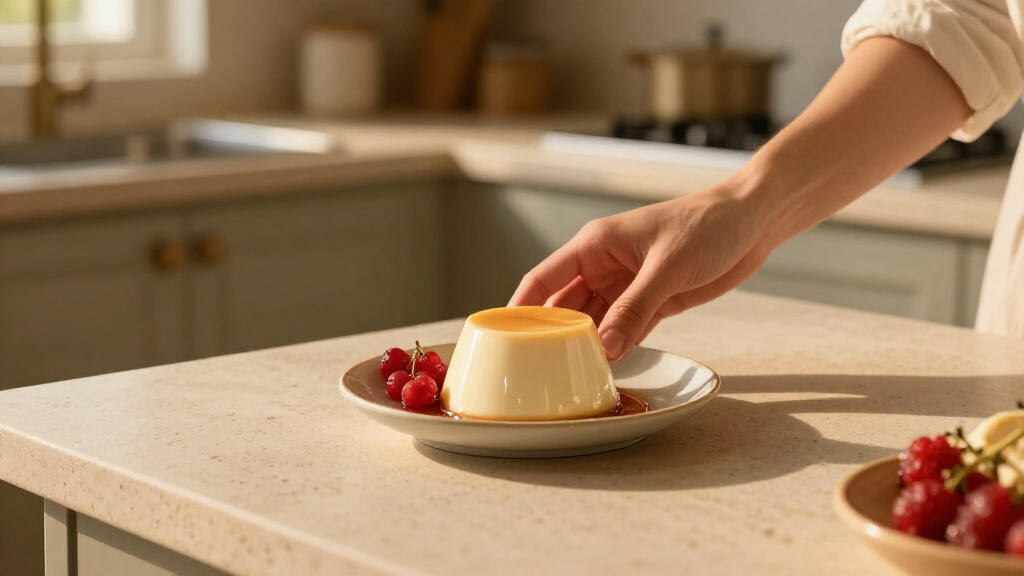
The panna cotta wobble is a gentle, even quiver that lets the dessert stand on a plate without slumping. A properly set panna cotta feels creamy on the spoon and yields easily when you press it lightly; it should not bounce like a gummy sweet or spill like custard. When unmolded, the sides should look smooth and the center should move just a little.
Think of the texture as a soft cushion rather than a block. A ramekin portion can hold its outline while still giving under a spoon, much like a softly set pudding. If you serve panna cotta in glasses, you can choose a looser texture because the dessert does not need to support itself after unmolding.
Serving style changes the target. For a dinner party where you plan to turn each portion onto a plate, the panna cotta needs enough structure to keep its shape. For a spoon dessert in a small glass, a tender set can be lovely, since no one expects it to stand upright outside the cup.
At the table, a small nudge tells you more than a hard poke. If the whole surface ripples slightly and settles, you are close. If it stays rigid, it may be too firm; if the center keeps moving while the edges slump, it may need more time to chill or a closer look at the gelatin.
Products Worth Considering

Instant Pot Duo 6-Quart 7-in-1 Electric Pressure Cooker, Stainless Steel

Ninja Flip Toaster Oven and Air Fryer, 8-in-1, Stainless Steel, SP151

Cuisinart 8-in-1 Air Fryer Toaster Oven with Grill, 1800W, Stainless Steel
As an affiliate, we earn on qualifying purchases.
Let the recipe decide how much gelatin you need
For the panna cotta wobble, use the gelatin amount and form specified by a tested recipe instead of guessing a universal ratio. The right quantity depends on the total liquid, gelatin strength, serving style, and whether you want to unmold the dessert or serve it in a glass. Too little can leave a portion slumped; too much can make it firm or rubbery.
Powdered gelatin and sheet gelatin are not always interchangeable by volume. Their size and setting strength vary, so swapping one for the other with a casual spoon-for-sheet conversion can change the result. For example, if a recipe calls for sheets and you have only powdered gelatin, follow a reliable conversion from that recipe’s source rather than counting teaspoons by eye.
The recipe also tells you something about the intended finish. A panna cotta served in a glass can be softer than one that needs to release cleanly from a metal mold. If you make the same formula in a large dish instead of individual cups, the center may take longer to chill even though the ingredient quantities have not changed.
Keep a short note after each batch: gelatin type, recipe quantity, mold size, and chilling time. If your vanilla panna cotta feels rubbery, that record helps you check whether you used the correct gelatin form before changing the recipe. Adjust one variable at a time; changing both the gelatin and the liquid makes it harder to see what helped.
There is no single perfect gelatin ratio. The best starting point is a tested recipe that matches your gelatin and how you plan to serve the panna cotta.
Bloom gelatin first for a smooth, even set
Blooming gelatin means giving it cold water to absorb before it meets warm dairy. This simple pause helps gelatin dissolve evenly and reduces the chance of small rubbery flecks in the finished panna cotta. Powdered gelatin needs to absorb the water it is sprinkled over; sheet gelatin needs a cold soak until the sheets soften.
- Check the recipe’s gelatin form and measure it accurately. A teaspoon or sheet too many can change the texture, especially in a small batch.
- Bloom it as directed. Sprinkle powdered gelatin evenly over cold water, or soak sheet gelatin in cold water until soft. Squeeze excess water from sheet gelatin before using it.
- Stir it into warm dairy. Mix until no visible granules remain. Keep the dairy warm, not boiling.
- Strain before pouring if needed. A fine strainer can catch small clumps before they reach the cups.
Imagine tipping unbloomed powder straight into hot cream: the outside of each clump can turn sticky before the inside dissolves. Those tiny lumps may survive chilling, leaving an otherwise silky dessert with an uneven mouthfeel. Blooming first lets the gelatin soften, so it blends more smoothly into the liquid.
Follow the same care if you heat part of the cream with sugar and vanilla. Once the mixture is warm, stir in the bloomed gelatin until it dissolves, then add any remaining cool dairy if your recipe calls for it. A clean, smooth mixture in the saucepan is your last chance to catch trouble before it sets in the mold.
Keep the dairy warm, then give it several hours to chill
Gelatin sets panna cotta when it dissolves properly in warm dairy and then cools in the refrigerator. Heat the mixture gently, stirring until the gelatin disappears; boiling is unnecessary and may weaken its setting power. Then pour it into the molds and chill for several hours, since a cool-looking surface does not prove that the center has set.
In a home kitchen, the easiest mistake is to rush the dessert because the top looks firm after an hour. An individual cup can appear settled while the middle is still loose, especially if you made a larger batch or poured it into a deep dish. Overnight chilling gives you a useful margin when you are preparing dessert for guests the next day.
Set the filled molds on a level shelf and cover them once they are cool enough to refrigerate, following the recipe’s handling instructions. A tilted shelf can leave one side thicker than the other, while uncovered panna cotta can pick up refrigerator odors. If your fridge is crowded, leave space around the molds so cold air can circulate.
If the panna cotta is soft at serving time, give it more chill time before changing anything. A few extra hours may solve the problem. If it remains loose after a full chill, consider whether the gelatin was measured correctly, fully bloomed, fully dissolved, or exposed to excessive heat; simply freezing it can damage the creamy texture.
Unmold panna cotta with a quick dip and a gentle turn
To unmold panna cotta cleanly, briefly warm only the outside of the mold in warm water, then invert it onto a plate. The warmth loosens the thin layer touching the mold; the cold center should stay set. If the dessert resists, warm the mold for a few more seconds and try again instead of pulling hard or shaking it loose.
- Run a thin knife around the edge only if needed. Keep the blade close to the mold to avoid gouging the panna cotta.
- Dip the mold briefly in warm water. Do not leave it soaking; the outside can soften too much.
- Dry the base and place a serving plate over the mold. Hold both securely.
- Invert in one smooth motion. Lift the mold gently. If the dessert stays put, return it to warm water for a few seconds and try once more.
For example, a small metal ramekin may release after a brief dip, while a ceramic cup with thicker walls may need a little longer. Watch the edge: it should loosen without turning glossy or melting. If the panna cotta develops a wet ring or soft, rubbery-looking edge, the mold likely spent too long in the warm water.
A very thin coating of neutral oil can help in some molds, but it may leave a faint sheen or affect the surface. If appearance matters, test the method with a small portion first. For glass servings, skip unmolding altogether and bring the cups to the table chilled; the spoon can make its first clean mark through the creamy top.
Fix a soft, rubbery, or lumpy batch without guessing
A panna cotta that is too soft often needs more chilling time first, while a rubbery one usually points to too much gelatin or a conversion mistake. Lumps suggest that the gelatin did not bloom or dissolve completely. Check the simplest causes before changing a recipe, because more gelatin will not fix every texture problem.
- Too soft: Chill longer. If the dessert still will not hold, review the measured amount, gelatin form, blooming step, and heating.
- Too firm: Check whether you used the recipe’s specified gelatin type and conversion. For the next batch, follow a tested formula for the softer serving style you want.
- Lumpy: Strain the mixture before pouring when you spot clumps. For the next batch, bloom the gelatin properly and stir it into warm, not boiling, dairy.
- Soft edges after unmolding: Shorten the warm-water dip. A few seconds can loosen a mold; a long soak can melt the outside.
Picture a batch that comes out of its cups with a firm rim but a center that slumps. That could mean the middle needs more time, especially in a deep mold; it does not automatically mean you should add gelatin next time. Let the portions chill longer, then check their movement again with a light nudge.
Write down what happened while the details are fresh. “Used powdered gelatin instead of sheets” is more useful than “set badly,” and “large glass dish, chilled four hours” gives you clues for the next attempt. Small records turn an unpredictable dessert into a repeatable one, without pushing you toward a heavier, rubberier set than you want.
Choose dairy, fruit, and make-ahead options with care
You can make panna cotta ahead, use a cream-and-milk blend, and serve it with fruit, but each choice affects the finished dessert. Milk usually makes the result less rich than cream, while the liquid-to-gelatin balance still determines whether it sets. Keep the recipe’s proportions in view rather than assuming that any dairy swap will behave the same way.
For a lighter-feeling version, a tested recipe using both cream and milk offers a gentler texture than all cream while keeping a creamy mouthfeel. If you replace all the cream with milk, expect a less rich result, and follow a recipe that accounts for the change. A thin berry sauce on top can bring bright color and tartness without altering the panna cotta’s set.
Some raw fruits, including pineapple, kiwi, papaya, and figs, contain enzymes that can interfere with gelatin setting. Cooking the fruit may deactivate those enzymes, and canned fruit is often heat-treated; if you are unsure, serve the fresh fruit as a topping instead of mixing it into the dairy. For instance, spooning sliced kiwi over a chilled vanilla panna cotta just before serving keeps the fruit separate from the gelatin mixture.
Make panna cotta ahead by keeping it covered and refrigerated, then unmolding close to serving time. Use clean hands and utensils, return leftovers promptly to the refrigerator, and follow the recipe’s storage guidance. Traditional panna cotta contains gelatin, which is animal-derived; for a vegetarian version, choose a recipe designed for agar-agar or another suitable setting agent, since these set differently and do not swap directly by equal measure.
Frequently Asked Questions
How much gelatin should I use for panna cotta?
Use the quantity and form specified by a tested recipe. The amount depends on the total liquid, gelatin strength, and whether you plan to unmold the dessert or serve it in a glass. If you change from sheets to powdered gelatin, use a reliable conversion from the recipe’s source.
How long does panna cotta take to set?
Plan on several hours in the refrigerator. Individual molds may set sooner than a deep or large dish, and the surface can look set before the middle is ready. Overnight chilling gives you a useful margin when serving it the next day.
Why did my panna cotta fail to set?
It may need more time in the refrigerator. If it remains loose, check whether the gelatin was measured, bloomed, and dissolved correctly, and whether the mixture became too hot. Record the gelatin form and chill time so you can spot what changed.
Can I make panna cotta ahead of time?
Yes. Keep it covered and refrigerated, and unmold it close to serving time so it holds its shape. Return leftovers promptly to the refrigerator and follow the recipe’s storage guidance.
Can I use milk instead of cream in panna cotta?
Usually, but the dessert will be less rich. The liquid-to-gelatin balance still matters, so use a recipe that accounts for the dairy change instead of swapping all the cream without adjusting the formula.
Can I use fresh kiwi or pineapple in panna cotta?
Raw kiwi, pineapple, papaya, and figs contain enzymes that can interfere with gelatin setting. Cook the fruit or use a recipe that accounts for it; otherwise, serve the fresh fruit on top so it stays separate from the set mixture.
How can I make a vegetarian panna cotta?
Choose a recipe formulated with agar-agar or another suitable setting agent. Traditional gelatin is animal-derived, and agar-agar behaves differently, so a direct one-for-one swap may produce a very different texture.
Conclusion
For the panna cotta wobble, start with a tested recipe, bloom its gelatin as directed, and give the filled molds several hours in the refrigerator. The texture you want is clear: a dessert that stands on its plate and gives a small, silky quiver when you nudge it.
When it is time to serve, warm the mold briefly and let the dessert release at its own pace. Then watch that pale, creamy dome tremble once and settle—just enough to promise a soft spoonful.