
TL;DR

Get baking supplies delivered free with Prime
- Fast, free delivery on millions of items
- Prime Video, Amazon Music and more included
- Member-only deals all year
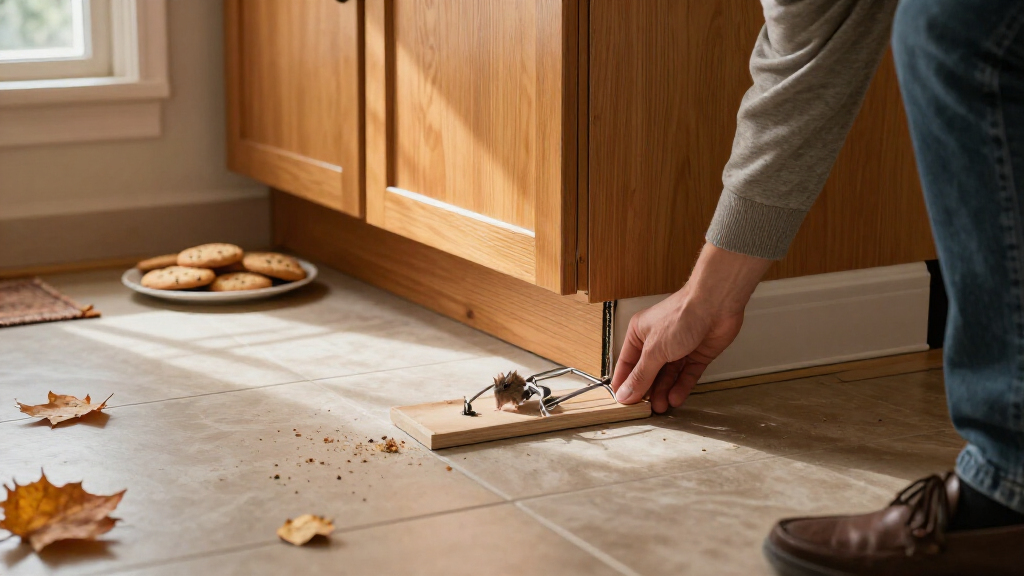
A Good Housekeeping report says mice commonly move indoors in autumn as temperatures drop and outdoor food becomes less available. Pest-control expert Ed Dolshun says the seasonal pattern is familiar, but local conditions can make activity feel worse; persistent signs may warrant professional help.
A Good Housekeeping report says autumn’s cooler weather and reduced outdoor food can lead mice to move into homes in search of warmth, food, water and shelter. Pest-control expert Ed Dolshun said the seasonal movement is a familiar pattern, but the report does not establish that mouse numbers are higher than usual this year.
Dolshun, Catchmaster’s vice president of business development and technical director, told Good Housekeeping that mice do not hibernate; they relocate when conditions outside become less favorable. He said local conditions can make a particular year seem worse, while the autumn pattern itself recurs each year. The report provides no national monitoring figures or other data measuring mouse populations.
Food and quiet nesting places can make a home attractive. Dolshun said mice nibble frequently, so accessible cereal, crumbs, pet food, birdseed and food waste may all provide meals. Cardboard, stored fabrics and undisturbed corners can offer materials and places to nest. A garage may be part of the problem if food or seed is stored there, even when the first signs appear in a kitchen.
Common clues include small, dark droppings, gnawed food packaging, shredded paper or fabric, greasy marks along walls or pipes, and scratching noises after dark. The report describes droppings as roughly 3 to 6 millimeters long, shaped like small grains of rice with pointed ends. Those signs can suggest activity, but the report does not say that any one clue alone confirms the size or location of an infestation.
How Home Entry Can Escalate
For residents, the practical concern is that accessible food and open gaps can give mice both a reason and a route to enter. Repeated signs may also point to activity beyond the room where droppings or noises were first noticed. Checking garages, storage spaces, cupboards and areas around appliances can help identify food sources or likely entry points.
Dolshun advised acting promptly, saying, “A small problem gets big quickly.” The report’s advice is to remove accessible food, reduce clutter and seal suitable gaps. If signs continue, a pest-control professional can investigate possible entry routes and advise on next steps. Residents in flats or shared buildings can also tell a landlord or building manager, since mice may be getting in through shared spaces.
These measures are practical recommendations, not a guarantee that a home will remain mouse-free. The report does not compare the effectiveness of different control methods or provide a cost estimate for professional services.
Products Worth Considering

Vitamix Ascent X3 Professional-Grade Blender, 3 Programs, Shadow Black

Cuisinart Deep Fryer, 4 Quart, CDF-200P1

Weber Searwood 600 Wood Pellet Smoker Grill, Black
As an affiliate, we earn on qualifying purchases.
A Familiar Autumn Pattern
The report frames the issue as a seasonal shift, rather than evidence of a newly established surge. As temperatures fall and outdoor food becomes less available, mice may seek indoor conditions. Dolshun said this movement happens each autumn and that differences in local conditions can change how noticeable it is from one year to another.
Early signs may be easy to miss: droppings in a cupboard, holes in food packaging or scratching sounds at night. Because mice are nocturnal, activity may be more apparent after dark. The report recommends noting where fresh droppings appear and checking nearby cupboards, appliances and potential gaps, while also looking at other places where food or nesting materials are kept.
““Mice don’t hibernate. They relocate. When temperatures drop and outdoor food dries up, they move inside, looking for warmth, food, water and shelter. Your house has all four.””
— Ed Dolshun, vice president of business development and technical director at Catchmaster, speaking to Good Housekeeping
Whether This Fall Is Different
The report does not establish that more mice are present this fall than in previous years. It offers no population data, geographic breakdown or year-over-year comparison, and Dolshun said local conditions can affect how noticeable activity feels. The number of homes affected and the regions seeing the most activity are not specified.
Droppings, gnaw marks and noises are signs to investigate, but the report does not say they can identify the precise entry point or indicate how many mice may be present. It also does not provide a single sealing method suitable for every gap; ventilation openings should remain clear, and larger or awkward openings may require advice from a pest-control expert or tradesperson.
Checks to Make Around the Home
The report recommends storing opened food in sturdy, sealed containers, cleaning crumbs and spills, securing rubbish, and keeping pet food and birdseed out of reach. Residents can inspect garages, cupboards, attics and storage areas for droppings, food sources and nesting material, then reduce clutter such as piles of cardboard.
Check around pipes, cables, doors, windows and rooflines for openings that mice could use. Seal suitable gaps with mouse-resistant material, but do not block air vents or air bricks. If fresh droppings keep appearing, scratching continues, or mice are seen during the day, contact a pest-control professional. In shared housing, notify the landlord or building manager. The report does not identify a further research or government update; the next step for households depends on what they find and whether signs persist.
Key Questions
Does the report confirm that there are more mice this year?
No. It describes a recurring autumn pattern but provides no population data or comparison showing that numbers are higher this year.
Why might mice enter a home in autumn?
According to pest-control expert Ed Dolshun, falling temperatures and less outdoor food can prompt mice to seek warmth, food, water and shelter indoors.
What are common signs of mice?
Look for small dark droppings, gnawed packaging, shredded paper or fabric, greasy marks along walls or pipes, and scratching sounds after dark. These signs warrant checking nearby areas but do not, by themselves, show how many mice are present.
What can households do to make a home less inviting?
Store food in sealed containers, clean up crumbs, secure bins and pet food, reduce clutter, and check for suitable gaps around pipes, doors and windows. Keep air vents and air bricks unobstructed.
When should someone call a pest-control professional?
Contact a professional if fresh droppings keep appearing, scratching continues or mice are seen during the day. People in flats or shared buildings should also alert their landlord or building manager.
Source: rss