
TL;DR

Get baking supplies delivered free — and shop member deals
- Fast, free delivery on millions of items
- Access to Prime Big Deal Days deals on October 6–7
- Prime Video, Amazon Music and more included
To prevent your cake from drying out overnight, always seal the cut surfaces tightly, use airtight storage containers, and consider frosting to protect exposed crumb. Refrigerate only when necessary, and refresh dry slices with simple syrup for best results.
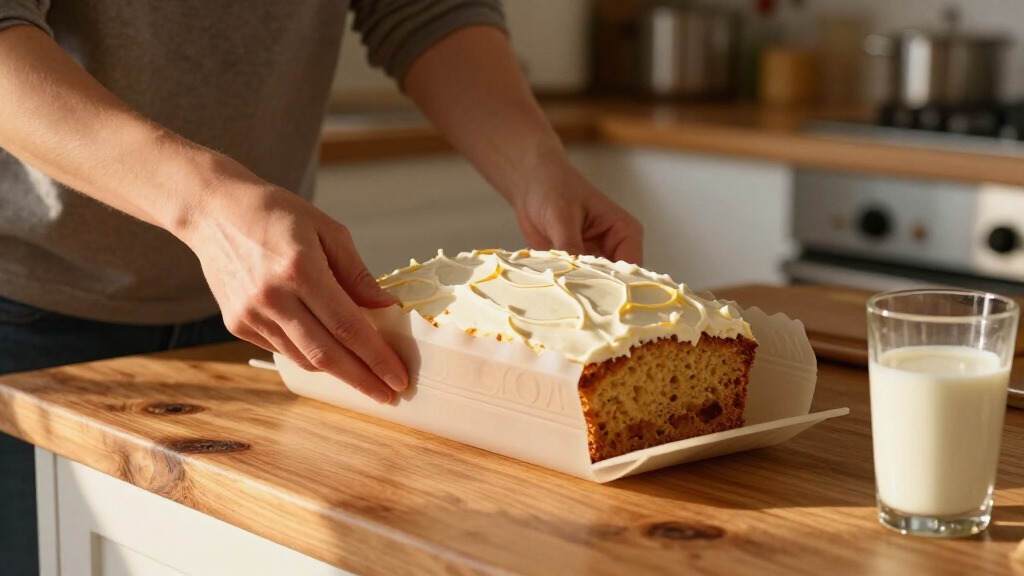
Ever cut into a beautiful layer cake, only to find it has turned dry by morning? That’s because once you slice into a cake, the exposed crumb quickly loses moisture to the air. Protecting every cut surface isn’t just a nicety — it’s the secret to keeping your cake tender and delicious.
In this guide, you’ll learn the simplest techniques to store sliced cake overnight without sacrificing moisture. From choosing the right container to the best wrapping methods, you’ll discover how to keep your baked treats fresh and flavorful, whether they’re frosted or unfrosted. Because no one wants to wake up to a crumbly, dry disappointment.
Always seal every cut surface tightly with plastic wrap or frosting to prevent moisture loss.
Choose storage methods based on your cake type — unfrosted, buttercream, or fruit-filled — to keep it fresh.
Use a cake keeper or airtight container, and consider frosting the cut edges for extra moisture protection.
Refresh dry slices with simple syrup and serve with moist accompaniments like whipped cream or fruit sauce.
Avoid unnecessary refrigeration; only refrigerate when ingredients are perishable or for safety.
How to Store Cut Cakes So They Don’t Dry Out Overnight
Once you slice into a cake, the exposed crumb loses moisture to the air far faster than through the crust or frosting. Protecting every cut surface isn’t a nicety — it’s the secret to a tender slice tomorrow morning. This guide covers wrapping methods, container choices, and frosting barriers that lock in moisture.
The most effective way to keep cake moist overnight is to seal every exposed cut surface with plastic wrap or frosting, preventing moisture loss through air contact — which happens far faster than through crust or frosting.
Why Air Exposure Turns Cake Dry — and How to Block It
The main villain is air. Once a cake is cut, moisture escapes through the crumb far faster than through the crust or frosting. The high surface area exposed, combined with moisture’s natural tendency to equalize with the surrounding environment, causes rapid dehydration.
If left unprotected, the interior becomes noticeably drier — leading to a crumbly texture, diminished flavor, and reduced visual appeal. The best defense: seal every cut surface tightly with plastic wrap or parchment paper, like wrapping a present. The more snug the wrap, the less air gets in.
A classic baker’s trick: press slices of sandwich bread against the exposed edges, secured with toothpicks. The bread dries out while the cake retains its moisture — the bread acts as a sacrificial moisture sponge.
Slice the cake
Exposed crumb has high surface area — moisture escape accelerates exponentially once air makes contact.
Seal the surfaces
Press plastic wrap, parchment, or frosting directly against every cut edge to build a moisture barrier.
Contain it
An airtight cake keeper or container creates a balanced microenvironment that slows evaporation overnight.
Store smart
Cool, dark place away from sunlight, heat, drafts, and strong aromas — unless ingredients demand refrigeration.
Five Techniques to Keep Cake Moist Overnight
Wrap Tightly
Press plastic wrap directly against the cut surfaces to minimize air contact. For larger slices, a snug wrap maintains internal humidity and preserves softness and flavor.
Airtight Container
A sealed cake carrier or container reduces air exposure and blocks external odors — especially valuable for cakes with delicate toppings or fillings.
Frost the Cut Crumb
Spread a thin layer of leftover buttercream or ganache over the cut edges. The frosting forms a protective film that traps moisture inside — ideal when appearance is secondary.
Cool, Dark Place
Light, heat, and strong odors accelerate moisture loss and flavor transfer. A pantry or cupboard away from sunlight preserves texture and subtle flavors.
Bread as a Moisture Sponge
Press sandwich bread slices against the exposed edges of a layer cake and secure with toothpicks. The bread dries while the cake stays moist.
Rearrange the Slices
Place leftover slices with their cut sides touching before wrapping, or store individual slices in snug containers to halve the exposed surface.
Room Temperature or Refrigerator?
| Cake Type | Best Overnight Storage | Where |
|---|---|---|
| Plain or unfrosted cake | Wrap tightly and keep at cool room temperature | Room Temp |
| Buttercream cake | Cover airtight; room temperature unless perishable ingredients | Room Temp |
| Fondant-covered cake | Box or carrier at room temp; refrigeration may cause condensation | Room Temp |
| Ganache-covered cake | Cover and store cool; refrigerate if dairy content requires | Depends |
| Cream-cheese-frosted cake | Refrigerate in an airtight container | Refrigerate |
| Whipped cream, custard, mousse, mascarpone | Refrigerate promptly — perishable dairy fillings | Refrigerate |
| Fruit-filled cake | Refrigerate when it contains cut fresh fruit or perishable filling | Refrigerate |
| Cheesecake | Refrigerate, tightly covered | Refrigerate |
| Ice-cream cake | Freeze in a well-sealed container | Freeze |
Frosting as a Barrier — and Refreshing Dry Slices
Frosting isn’t just decoration — it’s a critical moisture barrier. Buttercream or ganache spread over cut surfaces forms a physical seal, like a waterproof coating that traps internal humidity and slows dehydration.
It also shields the crumb from air, odors, and temperature fluctuations that accelerate drying. One of the best solutions when appearance is unimportant — and it pairs perfectly with airtight container storage.
Refrigerated cake should be tightly covered and allowed to approach room temperature before serving for a softer crumb and fuller flavor. Food-safety requirements always take priority over texture.
Revive a Slightly Dry Slice
- Let refrigerated cake reach room temperature first
- Brush the cut surface lightly with simple syrup
- Serve with fruit sauce, custard, whipped cream, or ice cream
- Warm an unfrosted or suitably frosted slice briefly
- Use only a light syrup coating — it adds moisture but cannot reverse advanced staling
Do This, Not That
✓ Do
- Press plastic wrap directly against every cut surface
- Use a cake keeper or airtight container — not loose foil
- Arrange slices with cut sides touching before wrapping
- Chill frosted cakes briefly until firm, then wrap gently
- Refrigerate promptly when fillings are perishable
✗ Don’t
- Refrigerate uncovered cake — fridge air is dry and carries odors
- Leave cake in its bakery box alone; cardboard isn’t airtight
- Refrigerate unnecessarily — cool air accelerates starch staling
- Wrap a warm cake; condensation leads to sogginess
- Store near onions, garlic, or strongly scented foods
Why Air Exposure Turns Cake Dry — And How to Block It
The main villain in cake drying out is air. Once a cake is cut, moisture escapes through the crumb far faster than through the crust or frosting. This rapid moisture loss is due to the high surface area exposed and the natural tendency of moisture to equalize with the surrounding environment. If left unprotected, the cake’s interior can become noticeably drier, leading to a crumbly texture and diminished flavor. This not only affects the eating experience but also reduces the cake’s visual appeal and overall freshness.
The best defense? Seal every cut surface tightly with plastic wrap or parchment paper. Think of it like wrapping a present — the more snug, the less air gets in. This creates a barrier that slows down moisture evaporation, maintaining the cake’s tender crumb. Additionally, pressing slices of sandwich bread against the exposed edges acts as a moisture sponge, drawing moisture back into the cake and preventing rapid dehydration. These methods trade a bit of effort for significantly longer freshness, especially important if you want to enjoy your cake the next day without sacrificing texture.
Understanding why air exposure causes drying underscores the importance of these steps. It’s not just about covering the cake but actively preventing moisture from escaping through every exposed surface. The tradeoff involves a little extra time and effort in wrapping or pressing, but the payoff is a moist, flavorful slice that retains its original quality.
As an affiliate, we earn on qualifying purchases.
The Best Overnight Storage Methods for Different Cake Types
Not all cakes are created equal when it comes to storage. Some can sit comfortably at room temperature, while others demand refrigeration. Knowing the implications of each method helps prevent spoilage and maintains optimal texture and flavor. For example, leaving a buttercream-frosted cake at room temperature is generally safe for a day, but fondant-covered cakes may dry out or become sticky if stored improperly. Conversely, cakes with perishable fillings like cream cheese or fresh fruit need refrigeration to prevent bacterial growth, but refrigeration can sometimes dry out the cake or cause frosting to sweat if not done carefully.
Choosing the right storage method involves understanding these tradeoffs. Storing a cake at room temperature preserves moisture better but risks spoilage for perishable ingredients. Refrigeration slows microbial growth but can lead to dehydration and flavor loss if the cake isn’t properly wrapped or protected. For example, a fruit-filled cake with fresh fruit should be refrigerated to prevent spoilage, but wrapping it tightly helps retain moisture. Conversely, a simple vanilla sponge without perishable ingredients can safely sit out wrapped in plastic without significant moisture loss.
By understanding these nuances, bakers can make informed decisions that balance freshness, safety, and texture. The key is to weigh the risk of spoilage against the potential for drying out and choose a method that aligns with your cake’s ingredients and intended storage duration.
As an affiliate, we earn on qualifying purchases.
Simple Techniques to Keep Your Cake Moist Overnight
Here are tried-and-true tricks to prevent dryness, each with its own rationale and considerations:
- Wrap tightly: Use plastic wrap pressed against the cut surfaces. This minimizes air contact, which is crucial because moisture loss accelerates exponentially when exposed to air. For larger slices, wrapping snugly ensures a barrier that maintains the internal humidity, preserving the cake’s softness and flavor. The tradeoff is that overly tight wrapping can sometimes cause condensation if the cake is warm, so allow it to cool before wrapping.
- Use an airtight container: Placing the cake in a sealed container reduces exposure to air and external odors. This method is especially effective for cakes with delicate toppings or fillings, as it prevents them from drying out or absorbing unwanted flavors. The container’s seal creates a microenvironment, balancing humidity and preventing rapid moisture loss, which is essential for maintaining freshness overnight.
- Frost the exposed crumb: Applying a thin layer of frosting or ganache over cut edges acts as a moisture barrier. This not only improves appearance if you don’t mind a rustic look but also significantly slows dehydration. The frosting forms a protective film that traps moisture inside, especially effective for cakes with porous crumbs. The tradeoff is that it can alter the presentation, so consider it for storage rather than serving presentation.
- Store in a cool, dark place: Light, heat, and strong odors can accelerate moisture loss and cause flavor transfer. Keeping the cake in a pantry or cupboard away from sunlight preserves its integrity. This is particularly important for cakes with delicate textures or subtle flavors that can degrade quickly under unfavorable conditions.
- Avoid refrigeration unless necessary: While refrigeration slows microbial growth, it also speeds up dehydration and can cause the cake to become dense or crumbly. Only refrigerate when the cake contains perishable ingredients or if local climate conditions demand it. When refrigeration is necessary, wrapping tightly is essential to prevent drying and flavor loss.
Understanding the science behind these techniques helps you make informed choices. For instance, wrapping tightly reduces evaporation but can cause condensation if not cooled properly, which may lead to sogginess. Using an airtight container balances humidity but requires proper sealing to be effective. Each method involves tradeoffs between moisture retention, appearance, and convenience, so selecting the right approach depends on your specific cake and storage conditions.
As an affiliate, we earn on qualifying purchases.
Can Frosting Protect the Cut Edges? Yes — Here’s How
Frosting isn’t just for decoration; it’s a critical barrier that helps maintain moisture. When applied to the cut surfaces, buttercream or ganache forms a physical seal that prevents moisture from evaporating rapidly. This layer acts like a waterproof coating, trapping the internal humidity and slowing dehydration. Moreover, frosting covers the crumb, protecting it from exposure to air, odors, and temperature fluctuations that can accelerate drying or spoilage.
For example, if you’ve sliced a cake for a party and want it to stay moist overnight, spreading a thin layer of frosting over the cut edges is highly effective. It’s especially useful when the appearance isn’t the priority, or when you need a quick solution to preserve freshness. Covering the entire cake with an airtight lid or plastic wrap afterward enhances this effect, creating an environment that minimizes moisture loss. This method’s advantage is its simplicity and rapid action, making it ideal for home storage scenarios where time and effort are limited.
However, it’s important to note that frosting alone isn’t a foolproof barrier—proper sealing and storage are still essential. Combining frosting with airtight wrapping ensures maximum moisture retention and prolongs the cake’s freshness.
As an affiliate, we earn on qualifying purchases.
Refresh Slightly Dry Cake Without Repeating the Mistakes
Got a slice that’s a tad dry? Don’t toss it! Instead, give it a quick boost with a few science-backed tricks that rehydrate the crumb and enhance flavor:
- Let it sit at room temperature for 10-15 minutes. This allows the crumb to soften naturally, making subsequent treatments more effective.
- Lightly brush the cut surface with simple syrup — a mixture of sugar and water heated until dissolved. This syrup penetrates the crumb, restoring moisture and sweetness. The sugar acts as a humectant, drawing water into the dry areas and making the cake feel freshly moist.
- Serve with a splash of fruit sauce, whipped cream, or a scoop of ice cream. These moist accompaniments add flavor and help mask minor dryness while providing a pleasing contrast in texture.
- If possible, warm the slice briefly in the microwave — about 5-10 seconds — to soften the crumb further. This step can make dry slices more palatable by redistributing moisture and releasing aroma compounds that enhance flavor.
While simple syrup isn’t a magic potion, it’s a reliable method to revive dryness without compromising the cake’s structure. The key is to apply it judiciously, avoiding oversaturation that can lead to sogginess. When combined with warming and flavorful accompaniments, these techniques can make even slightly dry slices enjoyable again.
Avoid Common Mistakes That Make Cake Dry or Spoiled
Many home bakers unintentionally dry out or spoil their cakes by simple errors, often due to a misunderstanding of how moisture and spoilage work. For instance, refrigerating every cake regardless of ingredients can lead to unnecessary dehydration, especially for cakes that are stable at room temperature. Leaving cut surfaces uncovered or loosely wrapped exposes the crumb to air currents, accelerating moisture loss and risking contamination. Relying solely on frosting to keep the cake moist overlooks the fact that frosting can crack or become less effective over time, especially if not sealed properly. Using foil alone isn’t enough to create a complete barrier — gaps can allow air and odors to penetrate, hastening spoilage or flavor transfer.
Storing near strong-smelling foods like onions or garlic introduces odors that can seep into the cake, altering its flavor profile undesirably. Cutting the entire cake into slices before storing increases the exposed surface area, making it more susceptible to drying and spoilage. Additionally, wrapping the cake while still warm traps condensation, leading to sogginess and potential mold growth. These mistakes stem from a lack of understanding of the delicate balance between moisture preservation and spoilage prevention. Recognizing and avoiding these pitfalls ensures your cake remains delicious, moist, and safe to eat for as long as possible.
Modern Tricks for Better Cake Storage and Less Waste
Storage science hasn’t changed much, but adopting new habits can significantly improve freshness and reduce waste. Consider using reusable silicone covers and adjustable containers instead of disposable plastic wrap, which can tear or trap moisture unevenly. Portioning leftovers into individual slices and freezing them extends shelf life, minimizes waste, and allows for quick reheating. Applying barriers selectively — such as sealing only the cut crumb surface with plastic wrap or a silicone lid — prevents unnecessary exposure of the entire cake to air and temperature fluctuations, preserving its quality longer. Choosing recipe-specific storage solutions, like avoiding refrigeration for buttercream-only cakes, helps maintain ideal textures and flavors. Allowing refrigerated cakes to warm slightly before serving restores their original moisture and flavor profile, making them taste freshly baked.
This approach emphasizes smarter, more sustainable practices that keep your baked goods fresher longer and save money. It also reflects a deeper understanding of how moisture and temperature variations impact cake quality over time, enabling you to make more informed choices about storage and handling.
When to Freeze Your Cake for Long-Term Freshness
If you won’t eat your cake within a few days, freezing is your best option for preserving moisture and flavor. Wrap slices tightly in plastic wrap, ensuring all surfaces are covered, then place them in an airtight container or freezer bag. This prevents freezer burn, which can cause dehydration and flavor loss, and maintains the cake’s moisture content. Proper wrapping minimizes air exposure, which is critical because freezer burn occurs when moisture sublimates from the surface, leading to a dry, leathery texture. To enjoy, thaw slices in the fridge or at room temperature, unwrapping just before serving. Be cautious with delicate fillings or toppings, as some freeze and thaw poorly, causing texture changes or sogginess. For best results, consume frozen cake within 1-3 months, as extended storage can compromise quality despite proper packaging.
Freezing preserves the cake’s original flavor and moisture far better than prolonged refrigeration, especially for cakes with perishable ingredients like cream cheese or fresh fruit. Understanding the science behind freezing helps you avoid common pitfalls like condensation and texture loss, ensuring your cake stays as delicious as the day it was baked.
Frequently Asked Questions
Can I leave a cut cake out overnight without refrigeration?
Yes, if the cake contains no perishable fillings or frosting, and the room stays cool (around 65-70°F). Seal the cut edges tightly with plastic wrap or frosting, and keep it in a dark, cool place. However, always check the ingredients and room conditions to be safe.
How do I prevent a cake from drying out after cutting?
The key is to seal every exposed surface with plastic wrap or frosting immediately. Using an airtight container also helps. For slices, pressing bread or using simple syrup can add moisture and keep the crumb soft.
Is it better to refrigerate or keep a cake at room temperature overnight?
It depends on the cake. Most buttercream or fondant cakes can stay at room temp overnight, away from heat and sunlight. Cakes with perishable fillings like cream cheese or fresh fruit should be refrigerated. When in doubt, refrigerate, but wrap tightly to avoid drying out.
Will frosting keep the cut edges moist?
Yes, frosting like buttercream or ganache creates a moisture barrier that helps keep the exposed crumb from drying out. Spread a thin layer over the cut surface before storing for extra protection.
How long does a properly stored cake stay fresh overnight?
Most cakes, if wrapped tightly and stored correctly, stay fresh and moist for about 2-4 days. The exact time depends on ingredients and storage conditions, but proper sealing and minimal exposure to air are essential for longer freshness.
Conclusion
Keeping a cut cake moist overnight is all about sealing exposed surfaces and choosing the right storage method. Tiny details — like pressing plastic wrap against the crumb or frosting the edges — make a world of difference. Next time you bake or slice a cake, remember: a little extra effort now preserves that tender, flavorful crumb for tomorrow’s slice.
Imagine slicing into a moist, flavorful cake hours later. That’s the magic of smart storage. Try these tips, and your baked treats will stay just as delicious as when they first came out of the oven.
Fall Picks
fall essentials
As an affiliate, we earn on qualifying purchases.