

TL;DR
You can swap cocoa powder for melted chocolate using a simple formula: 1 ounce of unsweetened chocolate equals about 3 tablespoons of cocoa plus 1 tablespoon of fat. Reversing that swap requires adjusting fat and sugar. Knowing when and how to make these swaps helps you avoid ruined recipes and achieve perfect textures.
Use 3 tablespoons of cocoa plus 1 tablespoon of fat to replace 1 ounce of unsweetened chocolate.
Adjust fat and sugar when swapping from cocoa to melted chocolate, and vice versa.
Swapping works best in recipes where chocolate is melted into batter, like brownies or pudding.
Never substitute sweetened cocoa mix or hot chocolate powder for pure cocoa or chocolate in recipes.
Weigh ingredients for accuracy, especially when scaling up or down.
How to Substitute Cocoa for Melted Chocolate—and Back
The swap is more than a flavor exchange. Chocolate brings cocoa solids, cocoa butter and sometimes sugar; cocoa powder is dry, concentrated and thirsty. Use the right ratio—and rebalance the recipe—to protect moisture, structure and rise.
= 3 tbsp cocoa
+ 1 tbsp fat For unsweetened baking chocolate melted into a batter, sauce or frosting.
Build the missing chocolate
Cocoa supplies the solids. Added butter, neutral oil or shortening stands in for the cocoa butter removed during cocoa processing.
Going in reverse?
→For every 3 tablespoons of cocoa, use 1 ounce of melted unsweetened chocolate and remove about 1 tablespoon of the recipe’s other fat. If the chocolate is sweetened, reduce sugar too.
Where the swap works—and where it breaks
The deciding question: is chocolate simply melting into a larger mixture, or is its cocoa butter creating the final structure?
Batters
Brownies, cakes and quick breads usually tolerate the swap because flour, eggs and other fats provide structure.
Sauces & puddings
Hot fudge, pudding and cooked fillings disperse cocoa through liquid and fat, making adjustment straightforward.
Soft frostings
Buttercreams and spreadable frostings work when cocoa is sifted and the liquid is adjusted for consistency.
Ganache & mousse
Cocoa powder cannot recreate the emulsion, body and crystalline network supplied by real chocolate.
Candy & coatings
Cocoa mixed with ordinary fat will not temper, contract, shine or produce a clean chocolate snap.
Chips & chunks
Powder cannot replace discrete pieces where the recipe depends on pockets of chocolate after baking.
A foolproof swap table
Start with these ratios, then judge batter consistency. Brands differ in fat, sugar and cocoa percentage.
| Starting ingredient | Replace with | Recipe adjustment | Best use | Confidence |
|---|---|---|---|---|
| 1 oz unsweetened chocolate | 3 tbsp cocoa + 1 tbsp fat | No sugar change | Brownies, cakes, pudding, frosting | ✓High |
| 3 tbsp unsweetened cocoa | 1 oz melted unsweetened chocolate | Remove about 1 tbsp other fat | Batters and cooked mixtures | ✓High |
| 1 oz semisweet chocolate | 1½ tbsp cocoa + 2 tsp fat + 1 tbsp sugar | Fine-tune sweetness by brand | Brownies, cakes, soft frostings | ~Approximate |
| Natural cocoa | Dutch-process cocoa | Recheck baking soda, baking powder and acidity | Only when leavening is rebalanced | ~Risky |
| Real chocolate | Hot cocoa mix or white chocolate | No dependable adjustment exists | Not suitable | ✗Never |
Measure carefully: 1 tablespoon of cocoa weighs roughly 5–6 g. Check packages because some baking-chocolate pieces now weigh ½ oz rather than the traditional 1 oz.
Fat and acidity control the result
Two powders can look similar while behaving very differently. Fat changes mouthfeel; acidity changes rise.
How much cocoa butter?
Removing cocoa butter concentrates flavor but also changes moisture absorption and texture.
Natural vs. Dutch-process
Match the cocoa to the recipe’s leavening. A mismatch can leave a cake flat, dense or poorly colored.
pH 5–6
pH 7–8
Choose the replacement fat deliberately
The formula says “fat,” but each option nudges the finished bake in a different direction.
Butter
Best for flavor. Because butter contains roughly 15–20% water, it may produce a slightly lighter or softer result than pure cocoa butter.
Neutral oil
Stays liquid at room temperature, encouraging a moist, tender crumb. Too much can make the finish feel greasy.
Shortening
Neutral and solid at room temperature. It firms more like cocoa butter, though it lacks chocolate’s aroma and melt.
Four substitutions to avoid
When structure matters, use the ingredient the recipe specifies. A successful swap preserves function—not merely chocolate color.
The Quick Formula for Swapping Cocoa and Chocolate
To convert between cocoa powder and melted chocolate, you need a solid ratio. Think of it as a recipe shortcut that keeps your baked goods tasting and feeling just right.
Here’s the core idea: 1 ounce (28 grams) of unsweetened baking chocolate roughly equals 3 tablespoons of cocoa powder plus 1 tablespoon of fat. That fat can be butter, oil, or shortening. This formula works well in recipes where chocolate melts into a batter—like brownies, cakes, and puddings.
On the flip side, when you replace cocoa powder with melted chocolate, reduce the fat by about 1 tablespoon and cut back on sugar if you’re using sweetened chocolate. This balance keeps your baked goods moist and flavorful.

Baker's Unsweetened Chocolate Premium Baking Bar with 100 % Cacao (4 oz Box)
- Product Size: 4 oz baking chocolate bar
- Brand Heritage: Since 1780, Baker's quality
- Chocolate Type: Unsweetened 100% cacao
As an affiliate, we earn on qualifying purchases.
As an affiliate, we earn on qualifying purchases.
When the Swap Works and When It Fails
Swapping cocoa for melted chocolate works best in recipes where chocolate acts as a flavor enhancer and is melted into batter—think brownies, hot fudge, or rich puddings. It’s less reliable in recipes requiring the crystalline structure of cocoa butter, like ganache or chocolate coatings.
For example, a fudgy brownie made with cocoa powder can be turned into a luscious chocolate version by adding melted unsweetened chocolate, adjusting the fat and sugar. But try to make a chocolate mousse with just cocoa powder? You might end up with a grainy, unstructured mess.
Remember: cocoa is dry, concentrated, and absorbs moisture. If you substitute it directly without adding extra fat or liquid, your baked good can turn out dry and crumbly. Conversely, melted chocolate introduces moisture and fat, making recipes richer and sometimes softer. Recognizing these differences helps you choose the right approach based on the desired outcome and the recipe’s structure. For instance, adding melted chocolate can enhance richness and moisture but may alter the texture, so adjustments are necessary for optimal results.
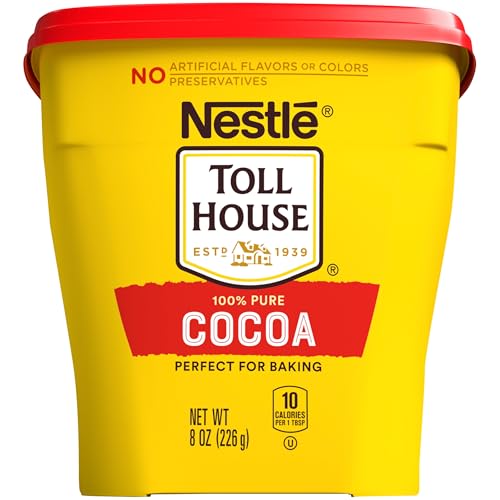
Nestle Toll House 100% Pure Cocoa for Baking 8 oz
- Pure Cocoa Content: 100% pure cocoa without additives
- Versatile Baking Use: Ideal for cakes, brownies, cookies, and drinks
- Reclosable Packaging: Keeps cocoa fresh and easy to store
As an affiliate, we earn on qualifying purchases.
As an affiliate, we earn on qualifying purchases.
Cocoa vs. Dutch-Process: Why It Matters When Substituting
Not all cocoa powders behave the same. Natural cocoa is acidic (pH ~5–6) and reacts with baking soda, helping baked goods rise and develop a tender crumb. Dutch-process cocoa is alkalized (pH ~7–8), darker, and milder, often paired with baking powder. These chemical differences influence not only flavor but also how your baked goods rise and develop texture.
If you swap these without adjusting leavening agents, your cake might sink or not rise properly. For example, replacing natural cocoa with Dutch-process in a soda-based recipe can cause flat results because the acidity needed to activate baking soda is missing. Conversely, using natural cocoa with baking powder might produce a more airy crumb due to residual acidity. Always check your recipe’s leavening agents and cocoa type, as mismatched combinations can subtly or significantly affect the final texture and appearance. Picking the right cocoa type or adjusting leavening ensures your baked goods turn out as intended, with the proper rise and flavor profile.
Tip: Use the same type of cocoa when substituting. If a recipe calls for natural cocoa, stick to natural. Switching to Dutch-process might mean adding a bit more baking powder or adjusting acidity to maintain the desired rise and texture.

Fresh Cacao Pod Fruit (Set of 2) – Perfect for Chocolate Making, Smoothies, and Baking
- Exotic Produce: Set of 2 fresh cacao pods
- Versatile Ingredient: Use for chocolate, drinks, and baking
- Unique Gift Idea: Perfect for food lovers
As an affiliate, we earn on qualifying purchases.
As an affiliate, we earn on qualifying purchases.
Flavor and Texture: What to Expect When You Swap
Cocoa often tastes more intense—more bitter, more concentrated—because it’s undiluted by fat or sugar. Melting chocolate gives a rounder, creamier mouthfeel thanks to cocoa butter and sugar content. These differences are not just about flavor but also about how the final product feels in your mouth and how moisture is distributed within the baked good.
For example, swapping cocoa for melted chocolate in a brownie recipe can make it richer and fudgier, but may also result in a slightly drier texture if you don’t add extra fat. The added moisture from melted chocolate can soften the crumb, making it more tender and moist, which is desirable in many recipes. Conversely, using cocoa instead of melted chocolate can boost chocolate flavor intensity but risks drying out the product if you skip adding enough fat or liquid. Recognizing these tradeoffs allows you to fine-tune your recipe—adding a teaspoon of extra oil or butter when substituting cocoa into recipes originally calling for melted chocolate can help achieve that perfect balance of flavor, moisture, and mouthfeel. It’s about understanding the role each ingredient plays in the final texture and adjusting accordingly for the best results.

Guittard, Bar Chocolate Baking Unsweetened Gluten Free, 6 Ounce
- Gourmet Baking Bar: Premium quality baking chocolate
- All Natural: Made with natural ingredients
As an affiliate, we earn on qualifying purchases.
As an affiliate, we earn on qualifying purchases.
A Handy Chart to Make Your Swaps Foolproof
| From | To | How to Convert |
|---|---|---|
| 1 oz unsweetened chocolate | 3 tbsp cocoa + 1 tbsp fat | Use in recipes like brownies or frosting. Add extra fat if needed to compensate for moisture loss. |
| 3 tbsp cocoa | 1 oz melted unsweetened chocolate | Reduce fat by 1 tbsp, cut sugar if using sweetened chocolate, and consider adding a splash of milk or butter to restore moisture. |
| Semisweet chocolate | Cocoa + fat + sugar | Use 1½ tbsp cocoa + 2 tsp fat + 1 tbsp sugar per oz chocolate. Adjust based on sweetness and moisture needed. |
How to Adjust When You’re Replacing Chocolate or Cocoa
If you’re switching from melted chocolate to cocoa powder, add an extra tablespoon of fat per ounce of chocolate to maintain moisture and richness. For example, if your recipe calls for 4 oz of chocolate, add 4 tbsp of butter or oil when replacing it with cocoa to compensate for the missing fat and moisture that chocolate provides.
When going the other way—replacing cocoa with melted chocolate—reduce the recipe’s fat by about 1 tbsp per 3 tbsp cocoa used. This adjustment prevents the batter from becoming overly greasy or dense. Also, cut back on sugar if your chocolate is sweetened, as it will add extra sweetness. These modifications are crucial because they help balance the moisture, fat, and sweetness levels, ensuring your baked goods maintain the intended texture and flavor.
Pro tip: weigh your ingredients for precision. A tablespoon of cocoa weighs about 5-6 grams, so measuring accurately ensures consistency and success every time.
Don’t Use Hot Cocoa Mix or Sweetened Cocoa for Substitutions
Hot cocoa mix and sweetened cocoa powders are loaded with sugar, milk solids, and sometimes stabilizers. They won’t give you the same flavor or texture as pure cocoa powder or melted chocolate. Using these mixes as substitutes can lead to overly sweet, grainy, or gummy baked goods because the added sugars and fillers interfere with the intended chemical reactions and moisture balance. This can compromise the structure, moisture content, and flavor profile of your final product, often resulting in a disappointing outcome. If you need a quick fix, stick with pure cocoa powder or unsweetened baking chocolate, which provide the pure flavor and predictable behavior necessary for reliable results. Avoiding these processed mixes helps maintain control over your ingredients and ensures your baked goods turn out as delicious as intended.
Understanding the difference between these products and the pure ingredients helps you make better choices, especially when aiming for consistent, high-quality baked goods.
White Chocolate? Not a Substitute for Cocoa or Chocolate
White chocolate contains no cocoa solids at all. It’s primarily cocoa butter, sugar, and milk solids, which means it lacks the characteristic deep chocolate flavor and the chemical properties that cocoa or unsweetened chocolate provide. Substituting white chocolate for cocoa powder or melted unsweetened chocolate will dramatically alter the flavor profile, often resulting in a sweet, buttery taste rather than rich, cocoa depth. Use white chocolate in recipes where a creamy, buttery note is desired—like ganache or frostings—but don’t expect it to contribute that signature cocoa flavor or structure. Its high fat content can also affect the texture, making baked goods softer or more tender, which might be desirable or not depending on the recipe. Recognizing that white chocolate isn’t a true substitute helps you choose the right ingredient for the flavor and texture you want to achieve.
Final Tips for Perfect Substitutions Every Time
- Sift cocoa powder to remove lumps, especially if it’s been sitting in your pantry for a while. This ensures even mixing and better texture.
- Always weigh your ingredients — a tablespoon of cocoa is roughly 5–6 grams — for consistency, especially when scaling recipes up or down.
- Adjust baking times slightly if your batter feels drier or wetter than usual, as ingredient changes can affect baking behavior.
- When in doubt, add a teaspoon of extra fat or liquid and taste test. Small adjustments can make a big difference in achieving the desired moistness and flavor.
- Remember: cocoa absorbs moisture, so don’t skip adding extra fat when replacing melted chocolate with cocoa. This helps prevent dry, crumbly results and maintains a rich, tender crumb.
Frequently Asked Questions
How much cocoa powder do I use for 1 ounce (or 1 square) of baking chocolate?
Use about 3 tablespoons of cocoa powder plus 1 tablespoon of fat (butter, oil, or shortening) for every ounce of unsweetened baking chocolate. Weigh ingredients for best accuracy.
Can I substitute cocoa powder for chocolate chips?
No. Cocoa powder is dry, powdered solids without the fat and moisture needed to mimic chocolate chips. For chips, use real chopped chocolate or chocolate chunks.
Can I replace cocoa powder with melted chocolate in a recipe?
Yes, but reduce the added fat by about 1 tablespoon per 3 tablespoons of cocoa, and cut back on sugar if using sweetened chocolate. Adjustments help maintain the right texture.
Does swapping types of cocoa affect baking results?
Yes. Natural cocoa reacts with baking soda, while Dutch-process pairs with baking powder. Swapping without adjustments can cause cakes to sink or not rise properly.
Can I use sweetened cocoa powder or hot chocolate mix as a substitute?
Not recommended. These mixes contain added sugar and milk solids, which will throw off your recipe’s balance, making baked goods overly sweet or gummy.
Conclusion
Mastering the art of swapping cocoa for melted chocolate — and back — turns your pantry into a flexible baking arsenal. With just a few simple conversions, you can adapt recipes on the fly without sacrificing flavor or texture.
Remember: a little extra fat can turn a dry, crumbly cake into a moist, fudgy delight. Keep your measurements precise, and your baking will thank you with every perfect bite.