
TL;DR
Allow baked goods to cool completely before cutting—cakes need 1-2 hours, bread at least 1 hour, cookies 10-30 minutes. Proper cooling stabilizes texture and prevents crumbling.
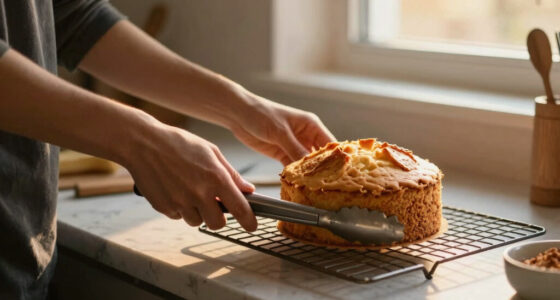
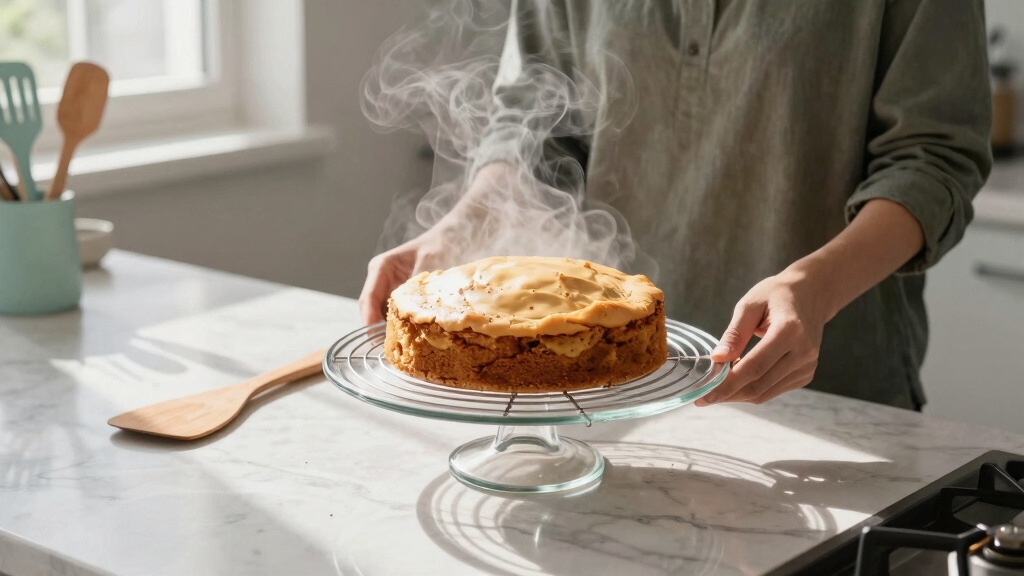
Ever sliced into a warm cake only to see it tear or crumble? Patience during cooling isn’t just old-fashioned advice — it’s essential for that perfect slice. When you cut into a hot baked good, you risk deforming its structure, making it look and taste less appealing.
In this guide, you’ll learn exactly how long to wait before slicing, why cooling is so important, and how recent baking advances help you get cleaner cuts and better flavors every time.
Always give baked goods enough time to cool — cakes need at least 1-2 hours, bread about 1 hour, and cookies 10-30 minutes.
Cooling stabilizes the structure, making slices cleaner and preventing crumbles or tears.
Use visual and tactile cues, like firmness and hollow sounds, to judge when your bake is ready to cut.
Modern tools like digital thermometers and airflow racks make it easier to know when to slice.
Patience in cooling results in better texture, appearance, and flavor — rushing it often ruins the bake.
How Long to Let Bakes Cool Before You Cut Them
TL;DR: Allow baked goods to cool before cutting. Cakes need 1-2 hours, bread at least 1 hour, cookies 10-30 minutes, and pies about 2 hours. Cooling lets structure set, moisture redistribute, and flavor settle into a cleaner, better slice.
Hot bakes are still steaming, soft, and structurally unstable.
About 93°C internal temperature often signals cake doneness before the cooling clock begins.
Cooling reduces tearing, crumbling, gummy centers, and compressed slices.
Pan rest first, then wire rack.
Five minutes on sheet, then rack.
Wait for a firm, hollow-sounding loaf.
Let filling set before slicing.
Cooling is the hidden finishing step.
Heat keeps crumbs, fillings, and starches mobile. As the bake cools, steam escapes, internal moisture redistributes, and the sliceable structure firms up.
Sets the crumb
Warm cake and bread interiors are delicate. Time helps the network stabilize so the knife does not drag it apart.
Prevents gumminess
Steam needs a path out. Cutting too early traps moisture and can turn the center dense, sticky, or compressed.
Improves balance
Cooling softens sharp heat and gives butter, sugar, spice, and grain flavors time to settle.
Reduces burns
Hot crumbs, molten fruit, and custards can burn. Cooling protects hands, mouths, and presentation.

0.5 Sec Instant Read Meat Thermometer Digital with ±0.5℉ Precision, Food Thermometer for Cooking Kitchen Gadgets, Oven Grill Candy BBQ Essentials Accessories, Gifts for Him Dad Men Birthday, Red
【8X Faster + 4X More Precise】: Upgraded with an industrial-leading professional thermocouple sensor, Themomonster meat thermometer digital with…
As an affiliate, we earn on qualifying purchases.
As an affiliate, we earn on qualifying purchases.
The denser the bake, the longer the pause.
Use the chart as a practical scale: cookies cool fast, while pies and custards need time for filling or structure to become cleanly sliceable.

Cooling Racks for Cooking and Baking – 2 PCS 10" x 15" Grid Wire Baking Rack for Oven Cooking, Baking, Grilling, Roasting – Dishwasher Safe Bacon Rack – Fits Jelly Roll Cookie Sheet Pan
STURDY STAINLESS STEEL CONSTRUCTION: Our baking cooling rack is made of quality materials, prevents bending or deformation when…
As an affiliate, we earn on qualifying purchases.
As an affiliate, we earn on qualifying purchases.
When to cut, what to check, what to avoid.
General timing gets you close. The final decision should combine time, touch, sound, and the specific bake’s density.
| Item | Cooling Time | Best Cue | Cutting Too Early | Speed Cooling? |
|---|---|---|---|---|
| Cake | 1-2 hours | ✓ Firm surface, slight edge pull, no residual heat. | ✗ Tearing, sinking, ragged slices. | ~ Short fridge finish after initial counter rest. |
| Cookies | 10-30 minutes | ✓ Set shape after 5 minutes on baking sheet. | ✗ Cracks, bending, gummy centers. | ✓ Rack transfer improves airflow. |
| Bread | At least 1 hour | ✓ Hard crust and hollow sound when tapped. | ✗ Compressed crumb and dense slices. | ~ Use airflow, but avoid trapping steam. |
| Pies | About 2 hours | ✓ Filling visibly set and no longer runny. | ✗ Slumping filling and soggy base. | ~ Cool fully before refrigeration. |

Hutzler Torte Tool – Multilayer Cake Slicing Guide – Slice Perfectly Even Layers – White
Create beautiful multilayer cakes with the help of this tool.
As an affiliate, we earn on qualifying purchases.
As an affiliate, we earn on qualifying purchases.
Use cues, not impatience.
The knife should be the last tool in the chain. Let heat leave first, then confirm the bake can hold its shape.
Rest
Let the bake stop actively steaming before any major handling.
Rack
Move to airflow so the bottom does not trap condensation.
Test
Check firmness, hollow sound, set filling, or internal temperature.
Slice
Use a sharp knife only when structure and moisture have settled.

Geesta 2/3/4-Tier Upgraded Collapsible Cooling Rack with Adjustable 3 Setting Design Stackable Roasting Cooking Drying Wire Cooling Rack for Cookies Baking Gifts for Women
【Collapsible 4 tier Cooling Rack】 Features a sturdy construction with a collapsible & adjustable design. Geesta wire cooling…
As an affiliate, we earn on qualifying purchases.
As an affiliate, we earn on qualifying purchases.
Tools can make patience measurable.
Recent baking advice leans on airflow and temperature checks to remove guesswork, especially for large cakes, dense breads, and rich fillings.
Digital thermometer
A probe helps confirm doneness before cooling begins. For many cakes, around 200°F or 93°C is a useful internal benchmark.
- Best for tall cakes, loaves, and dense batters.
- Prevents mistaking a hot, soft center for an underbaked center.
- Pairs with visual cues before slicing.
Airflow rack
A wire rack lets steam escape evenly, which prevents soggy bottoms and helps the surface firm without trapping condensation.
- Best for cookies, bread, cakes, and quick breads.
- Keeps crusts crisp and bottoms dry.
- Speeds cooling without shocking the bake.
What happens if you rush?
Early cutting pushes a knife through a structure that is still warm, moist, and elastic. That is why slices tear, fillings slump, and bread compresses.
Cool faster, gently.
Use a well-ventilated counter or wire rack to release heat evenly.
Use a fan near the rack, but avoid blasting delicate surfaces directly.
For cakes, refrigerate briefly only after the first counter rest.
Never put a very hot bake straight into the fridge; condensation can make it soggy.
From oven heat to perfect slice.
The cooling chain explains why waiting changes both the look and the bite of the finished bake.
Heat exits
Residual warmth drops.
Moisture moves
Steam redistributes.
Structure sets
Crumb and filling firm.
Knife glides
Less drag and tearing.
Plate wins
Clean slice, better texture.
Quick answers for the cutting board.
When in doubt, let the bake cool until it feels firm, no longer radiates heat, and matches the cue for its category.
Can I cut a cake right out of the oven?
No. A hot cake is fragile and likely to tear or crumble. Wait at least 1-2 hours for clean slices.
Why do cookies crack when I cut them?
They are still soft from residual heat. Let them set for 10-30 minutes before slicing or moving aggressively.
How do I know bread is cool enough?
Wait at least 1 hour, then check for a firm crust and a hollow sound when tapped.
Should cheesecakes cool in the fridge?
Start slowly, often with the oven door ajar, then refrigerate for several hours or overnight to prevent cracks.
Why Cooling Is Your Secret Weapon for Great Bakes
Cooling is the magic step that transforms a fragile, steaming explosion into a firm, sliceable masterpiece. Hot baked goods are still full of moisture and heat, which keeps their structure unstable. Cutting too soon causes crumbling, tearing, or gummy textures.
Imagine biting into a freshly baked loaf and seeing a dense, misshapen slice. That’s often because it was cut before it cooled enough. Cooling allows the internal moisture to redistribute and the structure to set, giving you clean, neat slices and better flavor development.
Additionally, proper cooling helps prevent undesirable changes like condensation or sogginess, which can compromise the texture and appearance of your baked goods. The tradeoff, of course, is that waiting takes time, but that patience results in a more professional, appealing final product.
How Long Should You Wait for Different Baked Goods?
Patience varies depending on what you bake. Here’s a quick guide:
| Item | Cooling Time | Tips |
|---|---|---|
| Cake | 1-2 hours | Cool in pan for 10-15 mins, then on a wire rack. This allows the internal structure to stabilize, preventing sinking or cracking. |
| Cookies | 10-30 mins | Let sit on baking sheet for 5 mins to set the shape, then transfer to a wire rack. Adequate cooling prevents cracks and gummy textures caused by residual heat. |
| Bread | At least 1 hour | Cool on a wire rack until the crust feels hard and sounds hollow. This ensures the crumb is set and prevents compression. |
| Pies | 2 hours | Cooling fully before slicing helps the filling set and prevents sogginess, ensuring clean cuts and proper texture. |
How to Test When Your Baked Good Is Ready to Slice
Knowing when your baked item has cooled enough is easier than you think. Here are simple tests:
- Touch the surface: it should feel firm, not hot or squishy. This indicates moisture redistribution and structural setting.
- Insert a toothpick or cake tester: it should come out clean, showing no wet batter or sticky crumbs, which signifies internal cooling and setting.
- Tap the bottom: a hollow sound indicates the baked good has lost excess moisture and is structurally stable.
For bread, a crust that feels hard and sounds hollow when tapped often signals readiness. For cakes, a slight resistance when pressing lightly is a good sign that the internal structure has stabilized, reducing the risk of deformation or tearing when sliced.
What Happens if You Cut Too Early? Expect Cracks, Tears, and Gummy Textures
Cutting into hot or warm baked goods often leads to a messy scene. Cracks appear where the structure hasn’t set, and crumbs turn gummy or fall apart. It’s like trying to carve a hot fudge sundae — messy and frustrating.
For example, a cheesecake still warm from the oven will likely crack and sink if sliced immediately. The internal moisture hasn’t settled, and the structure remains fragile. The tradeoff is that cutting too early can also flatten or distort the shape, ruining presentation and texture. Patience pays off with a visually appealing, well-textured slice that holds together nicely, making for a more satisfying eating experience.
Recent Baking Tech That Helps You Know When to Cut
Thanks to modern tools, bakers now use digital thermometers and airflow-enhanced cooling racks to improve results. A cake’s internal temperature reaching around 200°F (93°C) often signals it’s ready to be sliced. Using a probe thermometer makes this easy, especially for large or dense baked goods.
Cooling racks with better airflow prevent sogginess and promote even cooling, making it easier to determine if your bake is ready for the knife. These tools help eliminate guesswork, ensuring you don’t cut too early or too late, which can compromise the final appearance and texture.
Speed Up Cooling Without Ruining Your Bake
While patience is best, sometimes you need to cool faster. Here are safe ways to do it:
- Place baked goods in a well-ventilated area to facilitate heat dissipation.
- Use a fan directed at the cooling rack to accelerate moisture evaporation, but avoid blowing directly on delicate baked goods to prevent uneven cooling or surface cracks.
- For cakes, cool in the fridge for 15-20 mins after the initial 15 mins on the counter—this speeds up cooling while minimizing condensation. Always ensure the cake is not still hot to avoid sogginess or moisture buildup.
But avoid refrigerating hot items directly; it causes condensation and sogginess, which can ruin the texture. Always let them cool to room temp first, even if you’re in a hurry.
Frequently Asked Questions
Can I cut a cake right out of the oven?
No, cutting a hot cake often causes tearing and crumbling. Wait at least 1-2 hours for it to cool and set, ensuring clean slices and better texture.Why do my cookies crack when I cut them?
Cookies are best sliced after they’ve cooled for at least 10-30 minutes. Cutting too early can cause cracks due to residual heat and softness.How do I know when bread is cool enough to slice?
Wait at least 1 hour, or until the crust feels hard and sounds hollow when tapped. This prevents compression and ensures a clean cut.Is refrigerating baked goods to speed cooling safe?
It’s okay for short periods, but only after they’ve cooled to room temperature. Refrigerating hot baked goods can cause condensation and sogginess.Should cheesecakes be cooled in the fridge or at room temp?
Start cooling in the oven with the door slightly open, then refrigerate for several hours or overnight. This slow process prevents cracks and preserves texture.Conclusion
Waiting for baked goods to cool isn’t just a tradition — it’s a game-changer for your results. Patience transforms a fragile, steaming mess into a beautiful, sliceable masterpiece that tastes as good as it looks.
Next time, resist the urge to cut early. Your taste buds, and your presentation, will thank you.