
TL;DR
Resting batter and dough allows enzymes to develop flavor, relax gluten for easier shaping, and hydrate ingredients fully. This simple step makes a real difference in taste and texture.
Resting allows enzymes to develop flavor and complexity, especially in longer fermentations.
Relaxed gluten during resting makes dough easier to shape and improves crumb structure.
Hydration continues during resting, leading to softer, more cohesive baked goods.
Longer or cold resting enhances flavor and texture but requires planning.
Skipping resting often results in less flavor, tougher texture, and denser crumb.
Why Resting Batter and Dough Makes a Real Difference
Resting lets enzymes build flavor, gluten relax for easier shaping, and flour fully hydrate. That simple pause is often the difference between dense, tough, forgettable bakes and bread, cookies, pancakes, or crusts with deeper flavor and a better crumb.
A short rest can change the whole bite.
According to Aromas Healthy Bake, resting dough for at least 20 minutes can improve gluten relaxation and flavor development, leading to a noticeably better crumb and crust.
Minutes can improve pancake, cookie, pizza, and quick-bread texture.
Longer refrigerated rests create deeper, more layered flavor.
Flavor development, gluten relaxation, and full hydration.
Less aroma, tougher bite, tighter crumb, and harder shaping.
The pause is doing work.
Resting is not idle time. It is a controlled window where flour, water, enzymes, gluten, yeast, and leaveners settle into a more capable structure.
Enzymes unlock complexity.
Flour enzymes break starches and proteins into simpler compounds. Fermentation adds organic acids, giving sourdough and long-rested doughs a richer aroma and more layered taste.
Gluten relaxes after mixing.
Kneading tightens gluten strands. Resting lets that network loosen, so pizza dough stretches, bread shapes cleanly, and the finished crumb turns lighter instead of tough.
Hydration becomes even.
Water keeps moving into flour after mixing. A rested batter or dough becomes smoother, more cohesive, and better able to bake into a tender, moist crumb.
What changes during rest?
The visible result is a better loaf, pancake, crust, or cookie. Underneath, the process is a chain of small changes that build toward flavor and structure.
Mix
Flour meets liquid, gluten starts forming, and dry pockets begin absorbing moisture.
Hydrate
Water penetrates flour particles, giving the mixture a smoother and more unified texture.
Relax
Gluten tension eases, making dough more elastic and less likely to tear while shaping.
Ferment
Yeast and enzymes generate gases, acids, sugars, and aromatic flavor compounds.
Bake
The rested structure traps gas better, producing a more open crumb and improved crust.
Rested vs. rushed.
Skipping the pause can work in a hurry, but it usually gives up flavor, tenderness, and control. The comparison becomes obvious in the finished texture.
| Result area | Rested batter or dough | Rushed batter or dough | Best use |
|---|---|---|---|
| Flavor depth | ✓More aromatic and complex | ✗Flatter, simpler taste | Bread, pizza, cookies, pancakes |
| Gluten handling | ✓Stretchier and easier to shape | ✗Tighter, springier, prone to tearing | Pizza, rolls, artisan loaves |
| Crumb quality | ✓More open, tender, and even | ~Often denser or uneven | Sandwich bread, pancakes, waffles |
| Hydration | ✓Fully absorbed and cohesive | ✗Dry patches or crumbly texture | Gluten-free bakes, quick breads |
| Planning cost | ~Needs timing and temperature control | ✓Fastest route to the oven | Choose based on time available |
Choose the right rest.
Timing is a dial. A short rest helps hydration and gluten relaxation; a cold overnight rest pushes flavor further. Too much rest can weaken structure, so match the method to the bake.
Time spectrum
Move from quick hydration to deeper fermentation as the rest gets longer.
Temperature tradeoff
Room temperature works quickly; refrigeration slows fermentation and builds flavor over time.
Rest long enough to help, not so long that structure collapses.
For pancakes, try 15 minutes. For pizza dough, give it at least 20 to 30 minutes before shaping. For artisan bread, cold fermentation can run 24 hours or more, but monitor acidity and dough strength.
Common questions, short answers.
The ideal pause depends on recipe style, flour, temperature, and desired flavor. These are the decisions that matter most at the counter.
How long should I rest it?
Anywhere from 20 minutes for many quick doughs to 24 hours or more for artisan loaves. Follow the recipe, then experiment.
Can I skip resting?
You can, but expect less flavor, tougher texture, tighter crumb, and dough that is harder to shape.
Does nutrition improve?
Resting can reduce phytic acid in grains, which may support mineral absorption, though the biggest wins are flavor and texture.
What about gluten-free?
Resting helps gluten-free batters hydrate evenly, giving softer, moister bakes with better structure.
The traceable payoff.
A better bake is not one magic trick. It is a connected chain: hydration supports structure, structure holds gas, and gas creates the texture you remember.
How Resting Unlocks Deep Flavors and Richer Tastes
Resting allows enzymes in flour to do their work, breaking down starches and proteins into simpler, more flavorful compounds. This process, called fermentation, produces organic acids that add complexity. For example, a loaf of sourdough benefits greatly from a long cold ferment, developing a tangy, layered flavor that fresh dough can’t match. When you give your batter or dough time, you’re letting those tiny chemical reactions happen, resulting in a richer taste in every bite.
Why does this matter? Because these enzymatic reactions not only create more complex flavors but also improve digestibility. The breakdown of starches can make baked goods easier to digest, and the acids produced can enhance aroma and taste. However, there’s a tradeoff: longer fermentation can lead to over-acidification if not monitored, which might overpower delicate flavors. Therefore, understanding the balance and timing is key. The impact of resting, then, isn’t just flavor—it’s about how your baked goods are experienced and how they digest.
Try this: after mixing your bread dough, let it rest at room temperature for 30 minutes or refrigerate it overnight. The result? A more layered, nuanced flavor that’s hard to beat, plus potential health benefits from better enzyme activity.
As an affiliate, we earn on qualifying purchases.
Why Resting Relax the Gluten for Better Handling and Crumb
Resting is the secret to easy shaping and a better crumb. When you knead dough, gluten strands tighten and stretch, creating a strong network. Resting allows these gluten strands to relax, which reduces the tension that develops during kneading. This relaxation process is crucial because overworked, tight gluten can make dough tough and difficult to shape, leading to a dense, chewy crumb rather than a light, airy one.
Imagine trying to stretch a rubber band that’s been overstretched versus one that’s relaxed—rested dough is more elastic and easier to handle. Moreover, relaxed gluten helps trap gases produced during fermentation more effectively, resulting in a more open crumb structure. This balance between gluten development and relaxation determines the final texture: too little resting can cause tearing and dense bread, while too much can weaken the dough excessively, leading to a flat loaf.
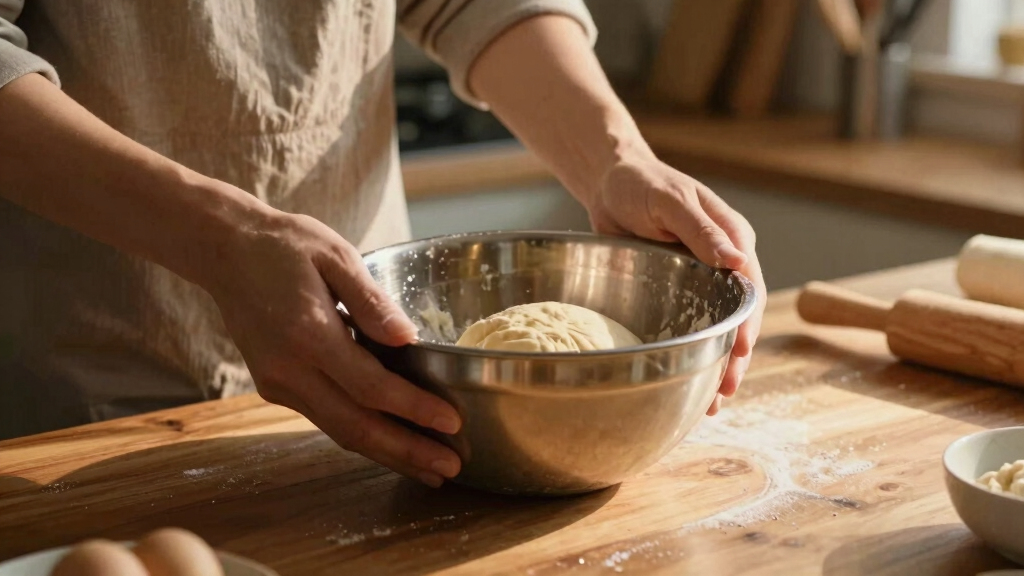
For instance, after kneading your pizza dough, a 20-minute rest lets the gluten loosen, giving you a smooth, elastic ball ready to shape into a perfect crust. This step is essential for achieving a light, tender crumb with an appealing open structure.
As an affiliate, we earn on qualifying purchases.
How Resting Fully Hydrates Ingredients for Better Texture
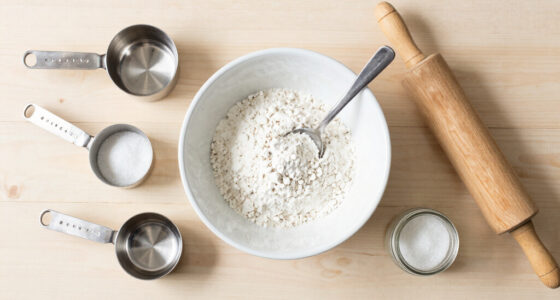
When you mix flour and liquids, hydration is a slow, ongoing process. Resting allows water molecules to penetrate every tiny grain of flour, which is crucial because incomplete hydration can lead to uneven texture and toughness. Fully hydrated dough or batter forms a cohesive, elastic structure that bakes into a tender, moist crumb. If you skip or rush this step, some parts of the mixture may remain under-hydrated, resulting in uneven baking and a dry or crumbly texture.
Think of it like soaking beans: the longer they soak, the softer and more digestible they become. Similarly, in baking, proper hydration ensures the gluten network can develop fully, trapping gases effectively and creating a uniform crumb. This process also allows flavors to meld, enhancing overall taste. The tradeoff is that over-hydrating or resting too long can sometimes weaken the dough structure, making it difficult to shape or causing it to become overly slack. Therefore, timing is essential to balance hydration and handling.
For example, letting pancake batter rest for 15 minutes before cooking results in fluffier, more uniform pancakes with a tender, moist crumb. This simple step can dramatically improve the quality of your baked goods by ensuring even hydration throughout.
As an affiliate, we earn on qualifying purchases.
Frequently Asked Questions
How long should I rest my dough or batter?
Resting times vary from 20 minutes for quick breads to 24 hours or more for artisan loaves. Follow your recipe’s guidance, but don’t be afraid to experiment with longer resting for deeper flavor.Can I skip resting altogether?
You can, but you’ll likely notice less flavor development, tougher textures, and a denser crumb. Resting truly enhances the final result.Does resting improve the nutritional value?
Resting can reduce phytic acid in grains, improving mineral absorption, but its main benefits are flavor, texture, and handling.Is cold fermentation better than room temperature resting?
Cold fermentation develops richer flavors and improves gluten structure, but it needs planning. Room temperature resting is quicker and still beneficial.How does resting affect gluten-free recipes?
Resting gluten-free batter helps fully hydrate ingredients, leading to moister, softer baked goods with better structure. It’s a simple step that makes a noticeable difference.
Etekcity Food Kitchen Scale, Digital Grams and Ounces, 11lb
- Multiple Measurement Units: Supports oz, lb, fl oz, g, mL
- Tare Function Included: Zero out weight for accurate measurements
- Hassle-Free Operation: Includes 2 AAA batteries
As an affiliate, we earn on qualifying purchases.
As an affiliate, we earn on qualifying purchases.