TL;DR

Get baking supplies delivered free with Prime
- Fast, free delivery on millions of items
- Prime Video, Amazon Music and more included
- Member-only deals all year
Not all natural sweeteners behave the same in baking. Some add depth and moisture, like honey and maple syrup, while others can cause texture problems. Knowing their strengths and limitations helps you bake healthier, tastier treats.
Ever tried swapping sugar for honey in a batch of muffins? Sometimes it works beautifully, but other times—things come out flat, dense, or overly moist. Natural sweeteners promise health benefits and rich flavors, but they aren’t all created equal.
In this guide, you’ll see exactly what natural sweeteners bring to your baking table, which ones truly shine, and which ones tend to fall flat. Whether you’re aiming for better nutrition, deeper flavor, or just experimenting, understanding these ingredients can save your baked goods from flops and turn them into healthier delights.
Natural Sweeteners in Baking: What Works and What Falls Flat
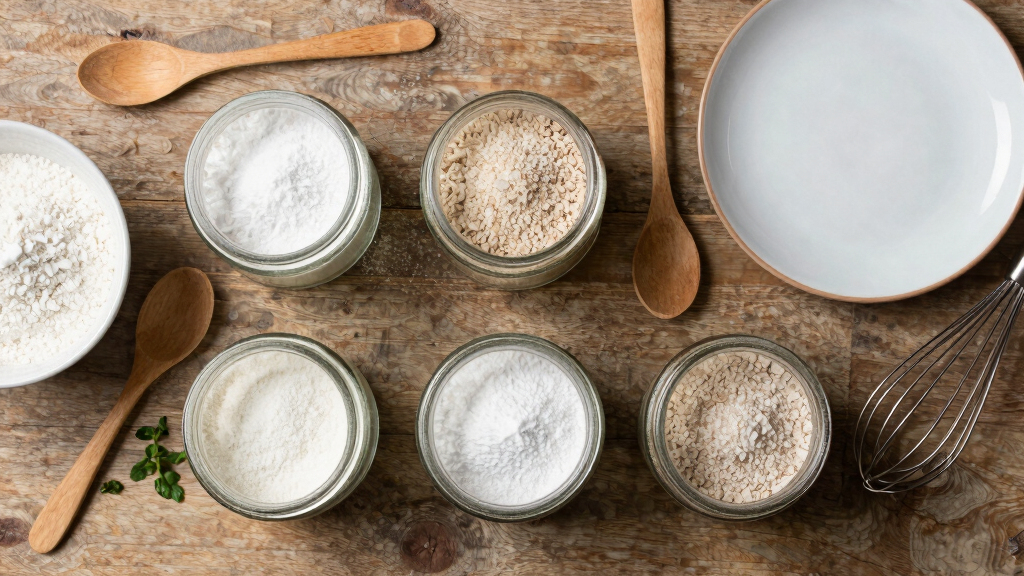
Not all natural sweeteners behave the same once heat, flour, fat, and leavening get involved. Honey and maple syrup can add depth, browning, and moisture, while dense pastes, zero-calorie extracts, and high-fructose syrups can quietly change texture, rise, and flavor balance.
The smarter swap is not sweeter. It is better balanced.
Potential moisture-retention lift when refined sugar is replaced with honey or maple syrup.
Cup honey often stands in for 1 cup sugar, with liquid reductions.
Attracts water and helps keep muffins, cakes, and quick breads tender.
Behaves closer to brown sugar, bringing caramel notes without extra liquid.
Too much syrup can cause spreading, sinking, or dense crumbs.
Maple, honey, stevia, and monk fruit can dominate or leave aftertaste.
What Actually Works
The strongest choices do more than sweeten. They contribute moisture, browning, caramel notes, fiber, or structure. The trick is matching the sweetener to the baked good instead of forcing a one-size swap.
Honey
Best for muffins, quick breads, and moist cakes. Its hygroscopic nature keeps crumb tender, but too much can make bakes heavy or sunken.
Maple Syrup
Excellent with fall spices, oats, nuts, and hearty breads. Reduce other liquids to prevent spreading or collapse.
Date Paste
Adds sticky body and a deep caramel note. Strong in brownies, bars, and cookies where density is welcome.
Coconut Sugar
A useful dry sweetener for cookies and cakes. It sweetens more like sugar without adding extra moisture.
Moisture Impact
Texture Risk Spectrum
Dry swaps are usually easier to manage. Liquid and dense sweeteners need recipe adjustments because they affect water, spread, rise, and crumb.
Where Swaps Fall Flat
Natural does not automatically mean plug-and-play. Sweeteners can weaken structure, overpower delicate flavors, add bitterness, or change cost and consistency.
| Sweetener | Works Best In | Moisture Risk | Flavor Risk | Adjustment Needed |
|---|---|---|---|---|
| Honey | Muffins, quick breads, dense cakes | ~ High | ~ Floral dominance | ✓ Reduce liquids |
| Maple Syrup | Spiced cakes, breads, oatmeal bakes | ~ High | ~ Caramel dominance | ✓ Balance flour and leavening |
| Date Paste | Bars, brownies, cookies | ~ Medium | ✓ Caramel-friendly | ~ Counter density |
| Coconut Sugar | Cookies, cakes, muffins | ✓ Low | ✓ Mild caramel | ✓ Minimal |
| Stevia / Monk Fruit | Low-sugar or keto bakes | ✓ Low | ✗ Bitter aftertaste if overused | ~ Use tiny amounts |
| Agave Nectar | Neutral sweetness, soft bakes | ~ Medium | ✓ Mild | ~ Watch fructose load |
The Moisture Trap
Liquid sweeteners can increase tenderness, but too much moisture weakens structure. The result can be cookies that spread, muffins that collapse, or cake crumb that turns dense.
1 cup sugar → about 3/4 cup honey
Then reduce other liquid and watch browning.
The Flavor Trap
Natural sweeteners bring personality. That is useful in spice cakes and hearty breads, but honey, maple, stevia, and monk fruit can overwhelm delicate vanilla, citrus, or tea-flavored bakes.
Strong sweetener + delicate batter = test in small batches first.
The Adjustment Flow
Better baking with natural sweeteners starts before the oven. Use this chain to decide whether the swap supports flavor, moisture, and structure.
Choose
Match sweetener to the bake: honey for moisture, coconut sugar for structure, date paste for dense bars.
Measure
Adjust sweetness strength. Honey and syrups often need less volume than refined sugar.
Reduce
Cut other liquids when using honey, maple, agave, or brown rice syrup.
Balance
Compensate with flour, leavening, or bake time when texture starts looking heavy.
Record
Note batch results. Natural sweeteners vary in sweetness, flavor, and consistency.
Toolkit Beyond Honey
A wider pantry gives you more control. Some sweeteners are best for nutrition and texture, while others are best used sparingly for low-calorie sweetness.
Agave
Mild and useful where flavor should stay quiet. Use carefully because it is high in fructose.
Stevia
Potent and used in tiny amounts. Helpful for low-sugar baking, but bitterness appears when pushed too far.
Monk Fruit
Works in blends for keto and diabetic-friendly recipes. It does not add moisture or bulk.
Brown Rice
Thick, mild, and useful in energy bars and cookies. Its viscosity changes batter consistency.
Bottom Line
Natural sweeteners can make baked goods healthier, richer, and more interesting, but the best results come from understanding what each ingredient contributes.
Use Them When
You want deeper flavor, extra tenderness, caramel notes, added fiber, or a less-refined ingredient list. Honey, maple, date paste, and coconut sugar are the most versatile starting points.
Pause When
The recipe depends on delicate structure, crisp texture, pale color, or subtle flavor. In those cases, test small, adjust liquids, and keep notes before committing to a full batch.
Which Natural Sweeteners Truly Shine in Baking
Some natural sweeteners stand out in the kitchen. Honey and maple syrup, for example, are versatile and add a rich, complex flavor. Date paste and coconut sugar also shine in specific recipes.
Let’s look at their strengths:
- Honey: Adds moisture, enhances browning, and provides a floral sweetness. Its hygroscopic nature means it attracts water, which helps keep baked goods moist and tender. However, this also means recipes using honey may require adjustments to prevent over-moistening, which can cause sinking or dense textures. The floral notes add depth, but in delicate baked goods, they can overpower if used excessively.
- Maple Syrup: Offers a deep, caramel flavor with antioxidants. Its liquid form contributes moisture and can enhance browning, but like honey, it can cause spreading or collapse if not balanced with flour and leavening. Its distinct flavor pairs well with fall spices and hearty breads, but in subtle cakes, it may dominate the profile.
- Date Paste: Adds fiber, sweetness, and a caramel note. It provides bulk and moisture, which can improve the nutritional profile. Because it’s dense and sticky, it can replace sugar in recipes where moisture and texture are key, but may require slight adjustments to leavening to counteract its density.
- Coconut Sugar: Mimics brown sugar’s caramel notes, good for cookies and cakes. It’s less processed, retains some nutrients, and has a slower glycemic response. It behaves more like regular sugar in recipes, providing structure and browning, but won’t add moisture—so it’s ideal where you want sweetness without extra liquid.
In practical terms, using these requires minor tweaks. For example, replacing 1 cup of sugar with ¾ cup of honey means reducing liquids slightly to avoid over-moistening, which can affect rise and texture. Understanding these tradeoffs helps you balance flavor, moisture, and structure effectively.
Products Worth Considering

Cuisinart Portable Tabletop Propane Patio Heater, 11,000 BTU, Red

KitchenAid 28 oz Cold Brew Coffee Maker, KCM4212

Cuisinart 6-Quart Basket Air Fryer with Viewing Window, Stainless Steel and Black (AIR-200NAS)
As an affiliate, we earn on qualifying purchases.
The Hidden Pitfalls: When Natural Sweeteners Fall Flat
Not all natural sweeteners behave as expected. Some cause baked goods to become dense, sticky, or overly moist, especially if not adjusted properly. For example, liquid sweeteners like honey or maple syrup can cause cookies to spread too much or muffins to collapse if the recipe’s flour and leavening aren’t adapted to counteract their moisture and sweetness.
Moreover, these sweeteners can impact the overall structure. Excess moisture can weaken gluten networks, leading to a denser crumb or even sogginess. Overuse of potent flavors like honey or maple can also mask delicate flavors, making baked goods taste overly sweet or overpowering. Additionally, some natural sweeteners, such as stevia or monk fruit, may introduce bitterness or aftertastes if used in excess, which can detract from the intended flavor profile.
Cost and availability are practical considerations; some natural sweeteners are pricier or harder to source, which can affect consistency and affordability. Recognizing these pitfalls allows bakers to choose ingredients wisely and make necessary adjustments.
Understanding the tradeoffs—such as moisture versus flavor impact—helps you decide when to use each sweetener and how to tweak recipes to maintain the desired texture and taste. For example, reducing liquids or increasing leavening when using liquid sweeteners prevents spreading and collapse, while balancing flavors prevents overpowering or bitterness.
Expanding Your Baking Toolkit: Additional Natural Sweeteners and Their Roles
Beyond honey, maple syrup, date paste, and coconut sugar, there are other natural sweeteners worth considering. Each has unique properties that can enhance your baking:
- Agave Nectar: Very sweet and neutral in flavor, it’s useful in beverages and smoothies but requires careful use due to its high fructose content, which can impact digestion if overused.
- Stevia and Monk Fruit: Zero-calorie sweeteners that are potent and require minimal amounts. They’re ideal for low-calorie or keto recipes but can introduce bitterness or aftertastes if used excessively. They don’t add moisture, making them easy to incorporate into baked goods without major adjustments.
- Brown Rice Syrup: Mildly sweet and thick, it adds moisture and a subtle nutty flavor, suitable for energy bars and cookies. Its viscosity can affect batter consistency, so use accordingly.
- Barley Malt Syrup: Offers a malty sweetness with a rich, complex flavor. It’s sticky and dense, best used in recipes where its flavor complements other ingredients, like bread or certain cookies.
Incorporating these additional sweeteners expands your options for customizing flavors and textures, allowing you to create baked goods that are both delicious and health-conscious. Experimenting with small batches helps you understand how each interacts with your recipes, leading to more consistent and satisfying results.
Remember, the key to successful baking with natural sweeteners lies in understanding their unique properties and making appropriate adjustments. Over time, you’ll develop a sense for which sweetener best complements each type of baked good, helping you craft healthier, flavorful treats with confidence.
Conclusion: Mastering Natural Sweeteners for Better Baking
Choosing the right natural sweetener can elevate your baking from ordinary to extraordinary. By understanding each sweetener’s unique properties—its flavor, moisture contribution, and impact on texture—you can make smarter choices that suit your specific recipes.
Remember that recipe adjustments are often necessary to achieve the best results. Small tweaks in liquids, leavening, or baking time can make a significant difference in the final product. Experimentation and careful note-taking will help you refine your approach over time.
Ultimately, mastering natural sweeteners empowers you to bake healthier, more flavorful treats tailored to your preferences and dietary needs. So next time you reach for a sweetener, consider its role and how it can transform your baked goods into delicious, nutritious delights.
Happy baking!