TL;DR

Get baking supplies delivered free with Prime
- Fast, free delivery on millions of items
- Prime Video, Amazon Music and more included
- Member-only deals all year
Natural sweeteners like honey, maple syrup, and stevia offer healthier options than refined sugar, but they vary in sweetness, moisture, and flavor. Knowing how each performs in baking helps you craft delicious, healthier treats without surprises.
Ever tried swapping sugar for honey or maple syrup in your baking, only to end up with a dense, flat cake? Natural sweeteners aren’t just healthier—they bring their own quirks and surprises to the baking table. Knowing which ones work well and which fall flat can save you time, ingredients, and that perfectly fluffy crumb.
This guide cuts through the hype. It’s about understanding **real-world results**—what flavor, moisture, and texture each natural sweetener brings—and how to tweak your recipes for success. Whether you’re after a richer flavor or a lower glycemic impact, you’ll find practical tips you can trust.
Adjust for moisture and sweetness when substituting natural sweeteners; it’s often a simple tweak that makes all the difference.
Honey and maple syrup are the most reliable for flavor, browning, and texture, making them versatile choices.
Liquid sweeteners require reducing other liquids in your recipe to prevent dense results.
Potent sweeteners like stevia need careful use—use less than you think, or risk an off-flavor.
Experiment in small batches to understand how each natural sweetener affects your favorite baked goods.
What Natural Sweeteners Actually Bring to Your Baking Game
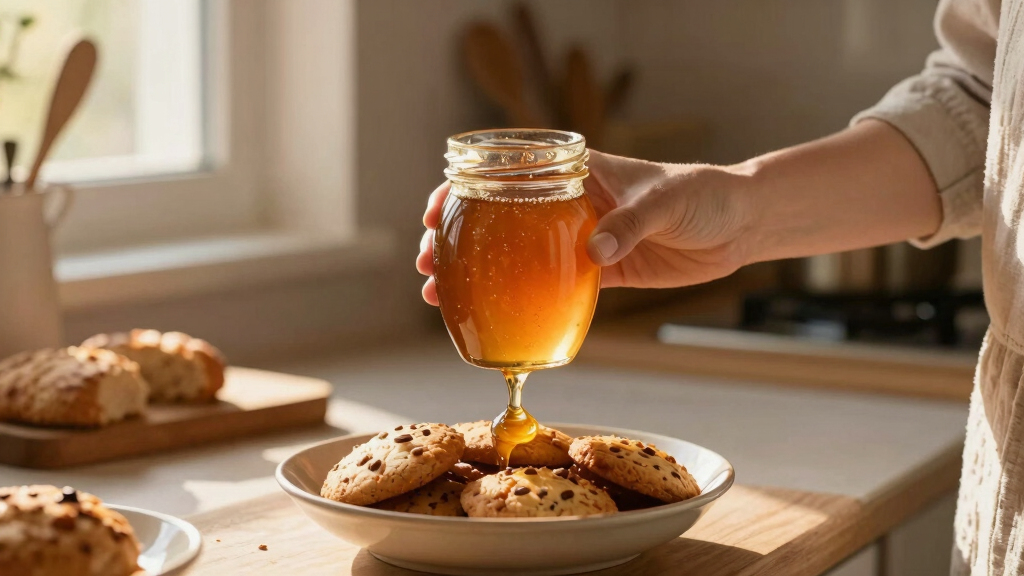
Natural sweeteners aren’t just sugar substitutes—they’re flavor and moisture boosters, too. Honey, for example, offers a rich, floral aroma that can transform simple muffins. Maple syrup adds a caramel warmth perfect for pancakes or bread. But these liquids also introduce extra moisture, which affects your batter’s consistency.
Some, like agave nectar or stevia, are super sweet—meaning you need less, which is great for reducing calories. Others, like coconut sugar or date syrup, bring a subtle flavor and nutrients, making your baked goods more wholesome.
Here’s a quick peek at how they differ:
| Sweetener | Form | Flavor | Sweetness compared to sugar | Notes |
|---|---|---|---|---|
| Honey | Liquid | Floral, rich | 1.4x | Adds moisture, browns well |
| Maple Syrup | Liquid | Caramel, woody | 1.3x | Flavor intense, rich in minerals |
| Agave Nectar | Liquid | Mild, neutral | 1.4x | Very sweet, low glycemic index |
| Coconut Sugar | Granular | Caramel, butterscotch | 0.8x | Contains nutrients, less sweet |
| Stevia | Powder/liquid | Sweet, slight licorice aftertaste | 200-300x | Calorie-free, needs less |
Choosing the right one depends on your flavor goals and recipe adjustments.
Products Worth Considering

Instant Pot Duo Crisp Ultimate 6.5-Quart 13-in-1 Pressure Cooker and Air Fryer

Le Creuset Signature Enameled Cast Iron Round Dutch Oven, 5.5 qt, Deep Teal

Traeger Woodridge Pro Wood Pellet Grill and Smoker, 970 sq. in., WiFIRE
As an affiliate, we earn on qualifying purchases.
How Natural Sweeteners Change Your Baking—And How to Make Them Work
Natural sweeteners influence more than just sweetness—they affect moisture, browning, and even how your baked goods rise. For example, using honey or maple syrup adds liquid, which can make batter too wet if you don’t adjust other ingredients.
Here’s a quick tip: When using liquid sweeteners, cut back on other liquids by about 1/4 cup for every cup of syrup or honey. This prevents your muffins from turning into dense bricks.
Sweetness varies, too. Stevia and monk fruit are intensely sweet—use a pinch or a few drops, not a full cup. Otherwise, baked goods can turn out overly sweet or have an odd aftertaste.
Let’s compare how different sweeteners perform in key areas:
| Aspect | Honey | Maple Syrup | Stevia | Coconut Sugar |
|---|---|---|---|---|
| Moisture impact | High—adds moisture, may need less butter/oil | Similar to honey | Minimal—dry powder or liquid | Low—granular, like sugar |
| Flavor influence | Distinct floral, can dominate delicate flavors | Rich, caramel, adds depth | Neutral, but licorice aftertaste possible | Caramel, subtle sweetness |
| Browning | Excellent—rich golden crust | Great—deep color | Less browning—use caution | Moderate—similar to sugar |
Adjustments are key. For liquid sweeteners, reduce liquids; for powders, consider adding a touch more liquid if needed.
The Real Deal: Which Natural Sweeteners Actually Deliver Results?
Not all natural sweeteners behave equally in baking. Honey and maple syrup are versatile and reliable, giving you flavor, moisture, and browning. Coconut sugar works well in cookies and cakes, mimicking the texture of refined sugar.
Stevia and monk fruit excel for low-calorie treats, but they can leave an aftertaste if not used carefully. Date syrup and mashed dates add moisture and nutrients, great in muffins or energy bites.
Here’s a quick comparison:
| Sweetener | Best Uses | Flavor | Notes |
|---|---|---|---|
| Honey | Cakes, muffins, bread | Floral, rich | Adds moisture, browns beautifully |
| Maple Syrup | Pancakes, cookies, quick breads | Caramel, woody | Rich flavor, mineral content |
| Stevia | Low-calorie desserts, beverages | Sweet, licorice aftertaste | Very potent, needs careful use |
| Dates/Dates Syrup | Energy bites, muffins | Sweet, caramel | Nutrient-rich, adds moisture |
| Coconut Sugar | Sugar cookies, cakes | Butterscotch, caramel | Less sweet, retains nutrients |
Pick based on your flavor preference and dietary needs. For versatile baking, honey and maple are safe bets.
Avoid These Common Pitfalls with Natural Sweeteners
Using natural sweeteners without understanding their quirks can lead to baking disasters. For example, substituting stevia directly for sugar often results in a bland or overly sweet outcome because of its potency. Or, using too much honey can make your cake dense and sticky.
Here’s what to watch out for:
- Over-sweetening with liquid sweeteners—reduce other liquids.
- Not adjusting baking times—certain sweeteners browning faster.
- Ignoring flavor interference—some add strong tastes that can overpower delicate baked goods.
- Using too much—especially with potent options like stevia or monk fruit—causing an off-flavor.
For instance, a batch of banana muffins turned out flat because I forgot to reduce the liquid when adding maple syrup. A simple tweak, and they rose beautifully.
Quick Tips for Baking Success with Natural Sweeteners
Here are five practical tips to make your natural sweetener experiments successful:
- Reduce liquids by about 1/4 cup for each cup of liquid sweetener.
- Adjust baking time—baked goods with honey or maple brown faster. Keep an eye on color.
- Use a little less when substituting super sweet options like stevia or monk fruit.
- Match flavor profiles—for subtle baked goods, choose mild sweeteners like coconut sugar or date syrup.
- Experiment in small batches—so you learn how each sweetener behaves in your favorite recipes.
For example, I once swapped honey for sugar in a lemon loaf and reduced the liquids slightly. Result? Perfect rise, tender crumb, and a lovely golden crust.
Frequently Asked Questions
Are natural sweeteners healthier than refined sugar?
In most cases, yes—many natural sweeteners contain beneficial nutrients and have lower glycemic indices. However, they still contribute calories and should be used in moderation to support a balanced diet.Can I substitute natural sweeteners directly for sugar?
Not always. Many require adjustments in quantity and recipe modifications because of differences in sweetness and moisture content. It’s best to experiment and note how each behaves in your favorite baked goods.Do natural sweeteners affect baking texture or rise?
Yes, especially liquid sweeteners like honey or maple syrup can impact moisture and leavening. Adjusting other ingredients helps maintain the right texture and fluffiness.Which natural sweetener is best for baking?
It depends on your flavor preference and dietary goals. Honey and maple syrup are versatile, while stevia and monk fruit are great for low-calorie treats. Coconut sugar suits those seeking a more traditional sugar-like texture.Are there downsides to using natural sweeteners?
They can interfere with delicate flavors, be more expensive, or vary in sweetness and moisture. Proper adjustments help prevent common pitfalls and improve results.Conclusion
Using natural sweeteners in baking is a balancing act—flavor, moisture, and sweetness all need harmony. When you understand their quirks and adjust your recipes accordingly, you unlock a world of healthier, richer, and more interesting baked goods.
So next time you bake, think of it as a flavor adventure. Trust your taste buds, make small tweaks, and enjoy the delicious results. Your healthier treat is just a few smart adjustments away.