
TL;DR

Get baking supplies delivered free with Prime
- Fast, free delivery on millions of items
- Prime Video, Amazon Music and more included
- Member-only deals all year
Reducing sugar in baking doesn’t mean sacrificing flavor or texture. Small adjustments, natural sweeteners, and flavor boosts keep your treats delicious while being healthier. It’s all about balance and smart swaps.
Imagine biting into a muffin that’s just as moist, tender, and flavorful as its sugary counterpart—only it has 30% less sugar. That’s not a dream; it’s a real possibility when you know how to cut sugar without losing joy. No more guilt over a sweet tooth’s craving—just smart tweaks and clever swaps that keep your baked goods irresistible.
In this guide, you’ll learn practical strategies to reduce sugar, how natural alternatives can step in, and how to enhance flavors without overdoing it. Whether you’re baking for health reasons or just want to enjoy treats with less sugar, these tips help you keep that satisfying sweetness while making healthier choices.
Gradually reduce sugar in recipes to help your palate adapt without losing flavor.
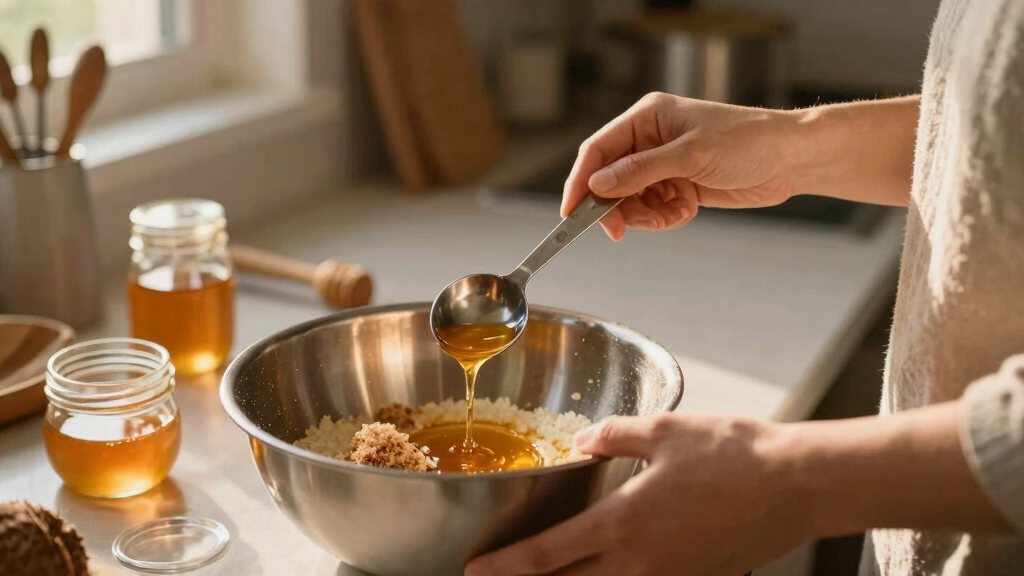
Use natural sweeteners like honey, coconut sugar, or maple syrup as healthier swaps, adjusting quantities carefully.
Enhance flavor with spices, vanilla, and fruit purees to boost perceived sweetness without more sugar.
Experiment with moisture and fat to preserve texture when cutting back on sugar.
Balance is key—small tweaks and taste tests lead to delicious, healthier baked goods.
How to Cut Sugar in Baking Without Cutting the Joy
Reducing sugar does not have to mean dry muffins, pale cookies, or joyless cake. The winning formula is gradual reduction, flavor amplification, and smart moisture support so every bite still feels tender, fragrant, and worth savoring.
Many baked goods can handle this sugar reduction when texture and flavor are adjusted thoughtfully.
Start by cutting a recipe from 1 cup to 3/4 cup, then taste and tune the next batch.
Less sugar works best when sweetness, moisture, browning, and aroma are treated as one system.
Sugar is more than sweet.
Sugar shapes flavor, tenderness, browning, structure, and preservation. Cut it blindly and baked goods can become dry, dense, or flat. Cut it strategically and you keep the pleasure while reducing the load.
Build perceived sweetness.
Vanilla, cinnamon, nutmeg, citrus zest, and ripe fruit make the brain register more sweetness without adding more sugar.
Protect moisture and crumb.
Sugar holds moisture and encourages tenderness. Applesauce, mashed banana, yogurt, or a slight fat increase can restore softness.
Watch color and timing.
Less sugar can mean paler crusts. Honey and maple syrup can brown faster, so check early and adjust heat if needed.
Cut sugar by 25% first.
Add vanilla, spice, or zest.
Use fruit puree or yogurt.
Watch browning and texture.
Record the winning tweak.
The practical sweet spot is gradual.
Most home bakers get the best results by moving in steps. A 25% cut is often gentle enough for muffins, quick breads, and cookies; a 50% cut asks for stronger flavor and moisture support.
Sugar reduction comfort scale
Texture rescue rules
Dry crumb: add applesauce, mashed banana, or yogurt in small amounts.
Flat flavor: increase vanilla, cinnamon, citrus zest, or toasted nuts.
Pale crust: watch doneness by aroma and crumb, not color alone.
Dense bite: avoid removing too much sugar and moisture in the same batch.
Pick the swap by flavor and behavior.
Natural sweeteners can bring aroma and moisture, but they are not one-for-one in every recipe. Coconut sugar behaves most like regular sugar; liquid sweeteners need careful quantity and liquid adjustments.
| Sweetener | Flavor Profile | Sweetness | Best Uses | Texture Watch |
|---|---|---|---|---|
| Coconut Sugar | Caramel-like, warm | Equal to sugar | ✓ Cookies, muffins, cakes | ✓ Predictable dry swap |
| Honey | Floral, rich | 1.5x sweeter | ✓ Quick breads, moist cakes | ~ Adds moisture, browns faster |
| Maple Syrup | Earthy, caramel | 1.3x sweeter | ✓ Fruit breads, pancakes | ~ Reduce other liquids slightly |
| Agave Nectar | Light, neutral | 1.4x sweeter | ~ Beverages, select baked goods | ~ Can soften structure |
| Stevia or Erythritol | Very sweet or cooling | Varies widely | ~ Best in tested recipes | ✗ Can change mouthfeel |
Liquid sweeteners need math.
Honey and maple syrup bring moisture, deeper browning, and stronger aroma. Start by replacing only part of the sugar and reduce other liquids slightly if the batter loosens.
Flavor boosters are low-risk.
Vanilla, cinnamon, nutmeg, citrus zest, and fruit puree increase perceived sweetness while keeping the recipe familiar and comforting.
From craving to confident batch.
A lower-sugar bake succeeds when each decision connects to the next: reduce gently, replace carefully, amplify flavor, repair texture, then taste with curiosity.
Keep the treat, tune the formula.
The goal is not austerity. The goal is a muffin, cookie, or cake that still feels generous while relying less on refined sugar and more on balance.
Let taste buds adapt.
Gradual reductions feel natural over several bakes and avoid the shock of a suddenly unsweet dessert.
Do not remove support.
When sugar drops, add moisture, aroma, or a small fat adjustment to protect tenderness and satisfaction.
Small batches teach fast.
Each oven, flour, and recipe behaves differently. Notes turn experiments into repeatable house favorites.
Why Sugar Matters More Than You Think in Baking
Sugar isn’t just about sweetness; it plays vital roles in baking. It adds flavor, of course, but also influences texture, browning, and structure. When you cut it back, baked goods can become dry, dense, or bland. Think of sugar as the silent partner that keeps everything balanced.
For example, reducing sugar in a muffin recipe might make it less tender and cause it to brown less evenly. Understanding sugar’s roles helps you make smarter adjustments that preserve the joy of your baked treats.
Products Worth Considering

Cuisinart PerfecTemp Electric Kettle, 1.7 L, 1500 W, 6 Temperature Settings

Instant Pot Duo Crisp Ultimate 6.5-Quart 13-in-1 Pressure Cooker and Air Fryer

Le Creuset Signature Enameled Cast Iron Round Dutch Oven, 5.5 qt, Deep Teal
As an affiliate, we earn on qualifying purchases.
Start Small: How to Reduce Sugar Gradually Without Losing Flavor
The key to cutting sugar without sacrificing taste is to do it gradually. Start by reducing the sugar in your favorite recipes by just 25%. For instance, if a cake calls for 1 cup, cut it to ¾ cup and see how it turns out. Your taste buds need time to adapt.
Over a few batches, you can increase the reduction to 50%—and still enjoy flavorful results. This slow approach helps you find the perfect balance between health and happiness in every bite.
Remember: small, consistent changes are less shocking to your palate, and your baked goods still feel indulgent.
Natural Sweeteners That Still Make Your Baked Goods Shine
Natural sweeteners like honey, maple syrup, agave nectar, and coconut sugar can be wonderful alternatives to refined sugar. They often carry their own flavor notes—think caramel from coconut sugar or floral hints from honey—that can enhance your baked goods.
For example, replacing half the sugar with honey in a banana bread adds moisture and a lovely aroma, while reducing refined sugar intake. Just keep in mind that these sweeteners can be sweeter than sugar, so adjust quantities accordingly.
Experimenting with these options adds complexity and depth, making your treats both healthier and more interesting.
Flavor Boosters: How to Make Baked Goods Taste Sweet Without Extra Sugar
Enhancing flavors can trick your brain into perceiving more sweetness. Use vanilla, cinnamon, nutmeg, or citrus zest generously. For example, adding a teaspoon of vanilla extract to blueberry muffins amplifies sweetness perception without more sugar.
Fruit purees—like mashed bananas or applesauce—also add natural sweetness and moisture. These ingredients act as flavor amplifiers, making less sugar feel just as satisfying. This works because our taste buds respond not just to sweetness but to complex flavor profiles that can enhance the perception of sweetness, allowing you to cut back without sacrificing flavor.
Try pairing these with your favorite baked goods to keep the flavor profile rich and inviting.
How to Swap Sugar in Your Favorite Recipes — A Step-by-Step Guide
- Start by reducing sugar by 25%. For example, cut the sugar in your cookie recipe from 1 cup to ¾ cup.
- Replace part of the sugar with natural alternatives like honey or coconut sugar, adjusting the quantity to account for sweetness differences.
- Add flavor enhancers like vanilla or cinnamon to boost perceived sweetness.
- Use moisture-rich ingredients like fruit purees to compensate for less sugar’s drying effects.
- Test and tweak. Each oven and recipe is different. Keep notes for future batches.
This step-by-step approach helps you find your sweet spot—literally—without losing the joy of baking.
Compare Natural Sweeteners: Which One Works Best for Baking?
| Sweetener | Flavor Profile | Sweetness Compared to Sugar | Best Uses |
|---|---|---|---|
| Coconut Sugar | Caramel-like, warm | Equal to sugar | Cookies, muffins, cakes |
| Honey | Floral, rich | 1.5x sweeter | Quick breads, muffins, moist cakes |
| Maple Syrup | Earthy, caramel | 1.3x sweeter | Pancakes, fruit breads, quick bread |
| Agave Nectar | Light, neutral | 1.4x sweeter | Sweetening beverages, baked goods |
Each natural sweetener brings a unique flavor and sweetness level. Choosing the right one depends on the recipe and your flavor preferences. Keep in mind that each sweetener also interacts differently with heat and other ingredients, which can affect final texture and flavor. For instance, honey and maple syrup add moisture and can cause baked goods to brown more quickly, requiring adjustments in baking time or temperature. Coconut sugar, being similar to regular sugar, generally behaves more predictably. Experimenting with small batches helps you understand these nuances and select the best sweetener for your desired outcome.
What to Watch Out for When Cutting Sugar
Cutting sugar can affect the texture, moisture, and browning of baked goods. For example, reducing sugar in a scone recipe might lead to a drier crumb or pale crust. Be prepared to adjust baking times and add moisture-rich ingredients to compensate.
Additionally, some sugar substitutes, especially artificial ones like stevia or erythritol, can have side effects such as a cooling aftertaste or altered mouthfeel, which may impact the overall eating experience. These effects can sometimes mask subtle flavors or create an unusual texture if not used carefully. Therefore, it’s important to balance these substitutes with flavor enhancers or moisture adjustments to maintain a pleasant sensory profile. Recognizing these tradeoffs allows you to choose the best options for your specific baked goods and preferences.
Keep experimenting and tasting—your perfect balance is within reach.
Smart Tips for Maintaining Texture and Moisture
When reducing sugar, you need to make up for lost moisture and tenderness. Try adding ingredients like mashed bananas, applesauce, or yogurt to keep baked goods moist and soft. For example, swapping out some sugar for mashed bananas in a muffin recipe adds both sweetness and moisture.
Also, consider slightly increasing the fat content—like a tablespoon more butter or oil—to help maintain crumb structure. These adjustments help compensate for the drying and structural effects that less sugar can cause, ensuring your baked goods stay tender and appealing. Remember, balancing moisture and fat is crucial because too little can make baked goods crumbly or dry, while too much can lead to overly dense textures. Small, thoughtful tweaks based on your specific recipe can yield the best results.
Small tweaks make a big difference in keeping your baked treats just right.
Frequently Asked Questions
Can I replace sugar with honey in all baked goods?
Honey can replace sugar in many recipes, but it’s sweeter and adds moisture. You typically need to reduce other liquids slightly and lower oven temperature by about 25°F to prevent over-browning. Not every recipe responds the same, so start with small swaps and tweak as needed.
Will reducing sugar ruin my baked goods?
It depends on the recipe. Some baked goods, like cookies and quick breads, are more forgiving. Others, like certain cakes or meringues, rely heavily on sugar for structure. Adjustments, flavor enhancements, and moisture additions help keep the balance right.
Are artificial sweeteners safe for baking?
Most are considered safe when used as directed, but they can sometimes alter taste or texture. For example, stevia or erythritol may leave a cooling aftertaste or affect mouthfeel. Use them sparingly and combine with flavor enhancers for best results.
How do I know if I’ve reduced sugar enough?
Start with a 25% reduction and taste. If the flavor still feels satisfying and the texture remains tender, you’re on the right track. Adjust gradually and trust your palate—what matters most is that you enjoy your healthier treats.
Conclusion
Cutting sugar doesn’t mean giving up the sweet, satisfying bite. With a few simple adjustments—smart swaps, flavor boosts, and gradual changes—you can make baked goods that are both healthier and just as delightful. Your kitchen is your playground, so experiment boldly and enjoy every tasty step.
Remember: the goal isn’t perfection, but progress. Every small change adds up to a happier, healthier baking habit that still makes your taste buds sing.