TL;DR
Cakes sink mainly due to uneven oven temperatures, improper ingredient measurement, or overmixing. Using accurate tools, gentle handling, and proper cooling can prevent sinking and ensure a fluffy, even crumb.
Nothing ruins the excitement of baking more than pulling out a beautiful cake, only to find it sink in the middle. It’s frustrating, especially after all the mixing, waiting, and anticipation. But here’s the truth—most sinking cakes happen because of simple, fixable mistakes in your process.
In this guide, you’ll learn what causes that dreaded dip, how to spot the issues early, and easy tricks you can apply to keep your cakes light, fluffy, and perfectly risen. Whether you’re a baking novice or a seasoned home chef, understanding these common pitfalls will save you time, ingredients, and a lot of baking disappointment.
Use a reliable oven thermometer to ensure accurate baking temperatures.
Measure ingredients carefully, especially leavening agents, and replace old ones regularly.
Avoid overmixing your batter to keep the cake structure stable.
Don’t open the oven door early; wait until the last 10-15 minutes of baking.
Cool your cake gradually to prevent sinking caused by rapid temperature changes.
Why Overmixing Your Batter Can Drop Your Cake Like a Lead Balloon
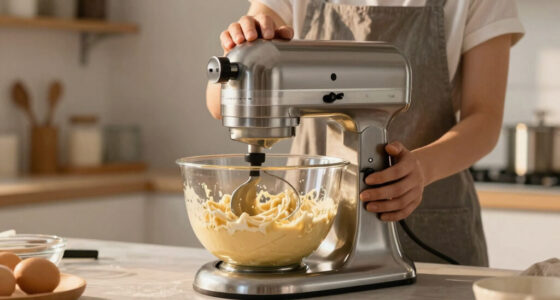
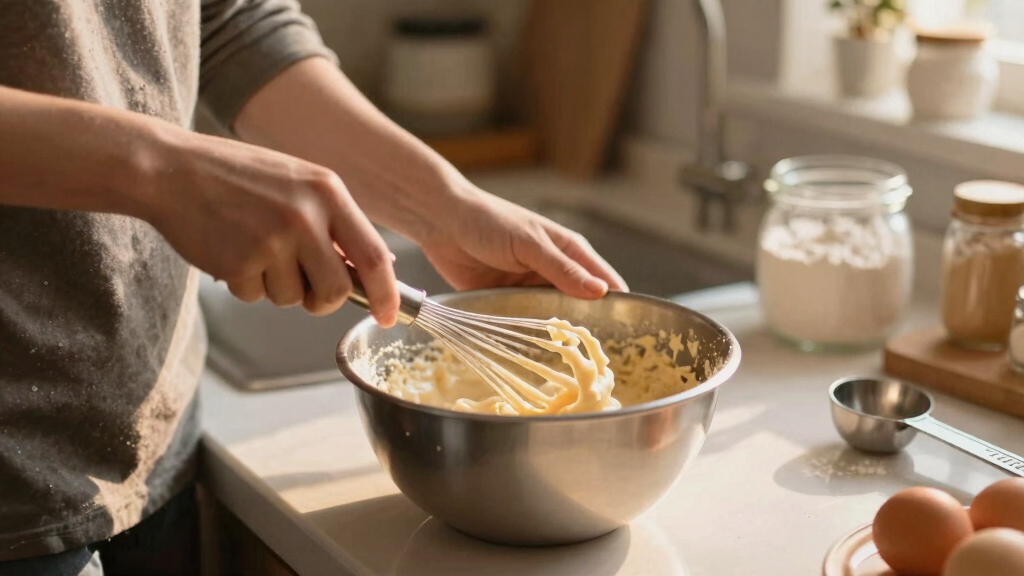
Overmixing is one of the biggest culprits behind a sinking cake. When you beat the batter too much, you introduce excess air and develop too much gluten. This weakens the cake’s internal structure and causes it to rise rapidly but then collapse under its own weight as the gluten strands tighten and become too elastic. The result? A dense, sunken center that defies your baking efforts.
Imagine whipping eggs and sugar vigorously for a fluffy meringue, then adding it to your batter. If overdone, the delicate balance of air and structural integrity is compromised, making the cake unable to support its own rise. This is especially true for sponge and chiffon cakes, where the structure relies heavily on the precise incorporation of air and gentle folding.
Tip: Mix just until ingredients are combined. Stop before the batter looks completely smooth—some small lumps are fine. This helps maintain the right amount of air without weakening the gluten network, ensuring a stable rise and a light, even crumb.
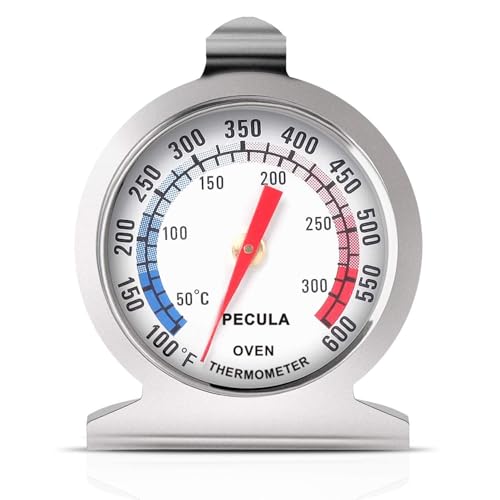
Stainless Steel Oven Thermometer 50-300°C/100-600°F, Analog Instant Read, Battery-Free Kitchen Cooking Thermometer, Hook & Stand Design Food Thermometer for Oven, Grill, Smoker, Fryer
Clear Dial Display: PECULA's analog oven thermometer delivers precise, instant readings from 50–300°C / 100–600°F. Its dial features…
As an affiliate, we earn on qualifying purchases.
As an affiliate, we earn on qualifying purchases.
How Inaccurate Oven Temperatures Make Your Cake Collapse
Oven temperature surprises many bakers because even a small deviation can have significant effects on how your cake rises and sets. When your oven runs hotter than indicated, the outside of the cake sets prematurely, forming a crust that traps steam and prevents proper expansion. Meanwhile, the inside remains undercooked and unable to support the structure, leading to a collapse once the internal pressure becomes too much or the crust hardens too quickly.
This mismatch between expected and actual temperature can cause uneven rising, creating a sunken center or dense crumb. It’s like trying to build a house on unstable ground—without knowing the true conditions, your efforts may be futile. Regular calibration with an oven thermometer reveals the true temperature, allowing you to adjust baking times and temperatures accordingly.
Use an oven thermometer—trust me, it’s a game-changer. Regular calibration ensures your oven hits the right temp, giving your cake a steady, even rise. This consistency is crucial for achieving that perfect dome and avoiding the sinking disaster caused by overly hot or cool spots.
According to Aromas Healthy Bake, 30% of home ovens have inaccurate temps exceeding 25°F, which can cause uneven baking and sinking. Recognizing and correcting this issue can dramatically improve your results and confidence in baking.

TILUCK Stainless Steel Measuring Cups & Spoons Set, Cups and Spoons,Kitchen Gadgets for Cooking & Baking (10)
[Multiple Sizes]: Including 4 Measuring cups ( 1/4, 1/3, 1/2, 1 cup), 6 Measuring spoons (1/8, 1/4, 1/2…
As an affiliate, we earn on qualifying purchases.
As an affiliate, we earn on qualifying purchases.
The Secret Power of Proper Ingredient Measurement
Ever measure baking powder and wonder if it’s still good? Old or improperly measured ingredients can drastically alter your cake’s ability to rise. Too little leavening, and the cake won’t lift properly, resulting in a dense, sunken center. Too much, and it can cause rapid expansion followed by collapse, because the excess gas weakens the structure and causes it to deflate prematurely.
For instance, using a teaspoon of baking powder that’s past its prime can reduce its effectiveness by 50% or more—no wonder your cake collapses. The key is consistency and freshness. An old or improperly measured leavening agent can lead to unpredictable results, compromising the structural integrity of your cake.
Always measure ingredients with a scale or proper measuring tools. Using a scale for dry ingredients ensures accuracy, especially for leavening agents. Additionally, replacing baking powder and baking soda every 3 months keeps their potency at peak. This small step guarantees a reliable rise and prevents the sinking caused by insufficient leavening or overactive reactions. Understanding the importance of precise measurement and fresh ingredients helps you control the chemistry of baking, leading to more consistent, beautiful cakes.

Pwnllaf 13 Inch Danish Dough Whisk, 304 Stainless Steel Dough Whisk with Long Smooth Wooden Handle – Dutch Whisk Sourdough Bread Tools for Pizza, Pastry & Cake Batter Mixing Easy & Quick
【13 Inch 304 Stainless Steel Danish Dough Whisk】 – Danish whisk unique open-coil dual-loop heart-shaped flow design(stable and…
As an affiliate, we earn on qualifying purchases.
As an affiliate, we earn on qualifying purchases.
Step-by-Step: How to Prevent Your Cake from Sinking
- Use an oven thermometer to verify temperature accuracy. This step is crucial because even slight inaccuracies can cause your cake to rise unevenly or collapse. Regular checks and calibration help maintain consistent results.
- Measure all ingredients precisely, especially leavening agents. Accurate measurement ensures the right chemical reactions occur, providing stable lift without risking overexpansion or collapse.
- Avoid overmixing; fold ingredients gently. Overmixing introduces excess air and develops gluten too much, weakening the structure and increasing the risk of sinking.
- Don’t open the oven door during the first 20 minutes of baking. Sudden temperature drops can cause the cake to deflate or sink in the center, as the internal structure hasn’t yet set.
- Check for doneness with a toothpick—don’t rely solely on time. Removing the cake too early or too late can lead to structural issues, including sinking.
- Cool cakes gradually—avoid drafts or sudden temperature changes. Rapid cooling causes steam to escape too quickly, weakening the structure and leading to sinking or cracks.
Following these steps can turn a sinking disaster into a perfect, evenly risen cake. Understanding the why behind each step helps you make informed decisions and troubleshoot effectively, leading to consistently successful bakes.

2PCS Cooling Racks for Cooking and Baking – 10" x 15"Heavy Duty Stainless Steel Wire Rack for Baking, Grilling, Roasting – Oven & Dishwasher Safe – Fits Jelly Roll Sheet Pan-Silver
QUALITY STAINLESS STEEL CONSTRUCTION: Made from food grade stainless steel instead of metal plating or coating, the grill…
As an affiliate, we earn on qualifying purchases.
As an affiliate, we earn on qualifying purchases.
Comparison: Common Causes of Cake Sinking at a Glance
| Cause | What Happens | How to Fix |
|---|---|---|
| Overmixing | Weakens structure, causes collapse | Mix just until combined; fold gently to maintain air |
| Incorrect Oven Temp | Uneven rising, sinking due to premature setting or overexpansion | Use oven thermometer, calibrate regularly, and adjust baking times accordingly |
| Old Leavening | Insufficient rise, collapse due to weak gas production | Replace every 3 months, test freshness with a quick bubbling test |
| Opening Oven Too Soon | Rapid temperature drop causes the structure to deflate | Wait until the last 10 minutes of baking before opening the oven door |
| Underbaking | Weak structure that collapses after removal | Bake until a toothpick comes out clean and the cake feels set |
How Cooling and Handling Can Save a Sunk Cake
Even if your cake sinks slightly, proper cooling can help stabilize and improve its appearance. Cooling gradually allows the internal moisture and structure to set evenly, preventing cracks and further sinking caused by rapid temperature changes. For example, cooling a cake in a draft or in a cold room causes the outer layers to contract quickly while the inside remains soft, leading to deformation or additional sinking.
Instead, cover the cake loosely with a towel or place it on a wire rack and let it cool slowly at room temperature. This gentle process helps the internal structure firm up uniformly, maintaining the shape and preventing further collapse. Patience during this stage is essential—rushing cooling or exposing the cake to cold drafts can undo your efforts and worsen the sinking issue.
Remember: patience during cooling is key to maintaining your cake’s shape and structure, especially if it’s already slightly sunken. Proper handling at this stage can sometimes salvage a cake that appears beyond repair, giving it a better presentation and texture.
Frequently Asked Questions
Why does my cake sink even though I followed the recipe exactly?
This often happens because of oven temperature inaccuracies, overmixing the batter, or underbaking. Double-check your oven’s calibration and measurement techniques to troubleshoot.
How do I tell if my baking powder is still good?
Mix a teaspoon of baking powder with hot water. If it bubbles vigorously, it’s fresh. If not, replace it to ensure your cake rises properly.
Can I fix a cake that’s already sunk?
You can’t reverse the sinking, but you can salvage it by trimming the top and layering it with frosting or filling. It’s a good base for layered desserts or trifle.
Is it better to bake at a lower temperature for a longer time?
Not necessarily. Following the recipe’s recommended temperature ensures even rising. Using an oven thermometer helps keep that temperature accurate.
What’s the most common mistake that causes sinking?
Overmixing batter or baking at an incorrect temperature are the top causes. Both weaken the structure or cause uneven rising, leading to sinking.
Conclusion
Next time your cake sinks, remember it’s almost always fixable—most issues boil down to temperature, measurement, or handling. With a few simple adjustments, you can turn that sinking mess into a beautifully risen masterpiece.
Think of baking as a dance—balance, patience, and gentle touches lead to perfect results. So, grab that oven thermometer, measure twice, and be patient. Your perfectly risen cake is just a few smart steps away.