TL;DR
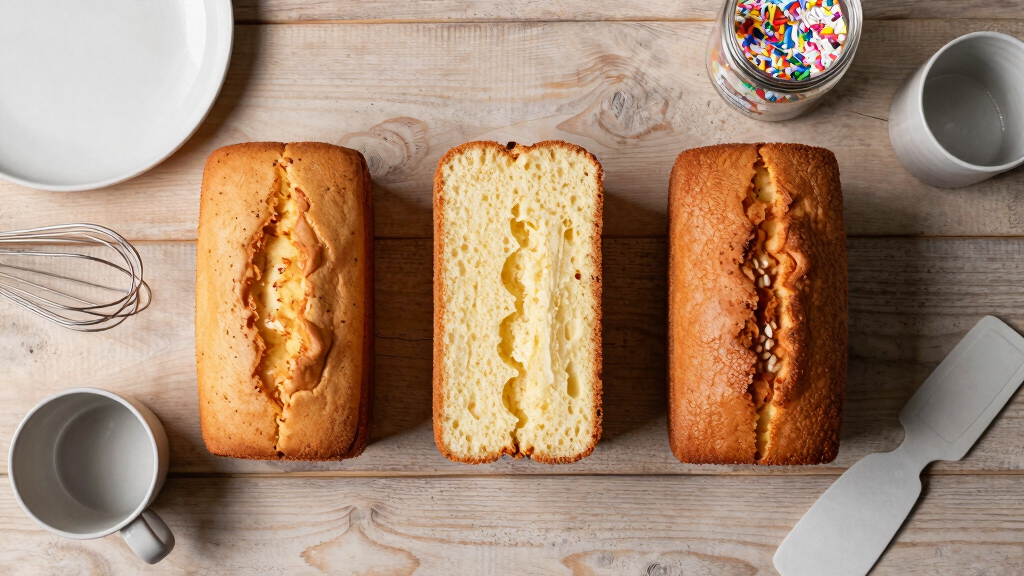
Sponge, pound, and chiffon cakes each have unique ingredients and techniques. Knowing their differences helps you choose the right cake for your skill level, dietary needs, and flavor preferences, making your baking more confident and fun.
Ever wonder why some cakes feel like fluffy clouds, while others are dense and buttery? The secret lies in their ingredients and how you treat them. Baking isn’t just about mixing; it’s about understanding what makes each cake special.
In this guide, you’ll learn how to tell apart sponge, pound, and chiffon cakes—and how to make each one your own. Whether you’re aiming for a delicate layer or a hearty loaf, knowing these differences will boost your baking confidence and help you create desserts that wow.
Master the art of gentle folding to keep air in sponge and chiffon batters, ensuring perfect lightness.
Measure ingredients precisely—baking relies on balance, especially with pound cakes.
Experiment with healthier substitutions like alternative flours, reducing sugar, or plant-based eggs to suit dietary needs.
Choose the cake type based on occasion: pound for richness, chiffon for balance, sponge for fluffiness.
Practice makes perfect—don’t be discouraged by initial setbacks; each cake teaches a new skill.
What Makes a Sponge Cake So Light and Fluffy? Here’s the Secret
Sponge cakes are all about airy, tender texture. They rely on whipped eggs or egg whites to trap air, which expands during baking. This process creates a delicate structure that is both light and resilient, allowing the cake to hold its shape without dense ingredients like fats or leaveners that could weigh it down.
Imagine a classic angel food cake or a Victoria sponge. Both are built on the same principle: whip eggs until they’re voluminous, then fold in a gentle touch of flour. The whipping process is crucial because it introduces and stabilizes the air bubbles that give the cake its signature lightness. Without this step, the cake would be dense and heavy, lacking the signature fluffy crumb.
Pro tip: use room temperature eggs and a clean bowl to get the best volume. Carefully fold to keep the air intact. That’s what gives sponge cakes their signature lightness. The technique of gentle folding ensures the air bubbles stay trapped, which is essential for achieving the desired texture. Overmixing can deflate the batter, resulting in a flatter, less airy cake. Understanding this delicate balance is key to mastering sponge cakes and creating desserts that are both tender and resilient.

Umite Chef Mixing Bowls with Airtight Lids Set, 8PCS Stainless Steel Nesting Bowls with Grater Attachments, Non-Slip Bottoms, 5, 4, 3.5, 2, 1.5QT for Mixing & Serving
3 GRATER ATTACHMENTS: This bowl set comes with 3 different grater attachments (slicing/grating/shredding) just shred or slice right…
As an affiliate, we earn on qualifying purchases.
As an affiliate, we earn on qualifying purchases.
Why Pound Cake Is So Dense and Rich — And How to Make It Perfect
Pound cakes are the opposite of sponge cakes in texture—dense, moist, and buttery. The name comes from the traditional 1-pound ingredients: butter, sugar, eggs, and flour. This ratio creates a rich, tender crumb that’s substantial enough to slice thickly and enjoy on its own or with toppings. The lack of whipped egg whites or leavening agents means the structure relies heavily on the creamed butter and proper mixing.
Think of a classic pound cake loaf, with its tender crumb and rich flavor. Because it relies on creamed butter, it’s heavier and more substantial. The process of creaming incorporates air into the butter, which helps with some lift, but the cake’s density is a tradeoff for its richness. This makes pound cake ideal for occasions where a hearty, satisfying dessert is desired or as a base for layered desserts like trifles.
Tip: accurate measuring is key. Use a kitchen scale for your ingredients—this cake depends on balance. Over- or under-measuring ingredients can lead to a dense or dry cake. Also, don’t overmix; just combine until smooth to keep the texture tender. The tradeoff with pound cake is that it’s forgiving in basic technique but requires precision in measurement and mixing to avoid a heavy or greasy outcome. Mastering this balance ensures a moist, flavorful cake that slices beautifully and keeps well over several days.

Hamilton Beach 6-Speed Electric Hand Mixer with Whisk, Traditional Beaters, Snap-On Storage Case, 250 Watts, White
NO MORE LOST BEATERS: The snap-on storage case that comes with the Hamilton Beach hand mixer neatly holds…
As an affiliate, we earn on qualifying purchases.
As an affiliate, we earn on qualifying purchases.
Chiffon Cake: The Hybrid That Combines Lightness and Moistness
Chiffon cakes are a hybrid—light, moist, and tender, with a hint of richness. They use oil (like a butter cake) but are leavened with both baking powder and whipped egg whites. This dual leavening creates a unique texture: the oil provides moisture and richness, while the whipped egg whites give it lift and airiness. As a result, chiffon cakes strike a perfect balance between the lightness of sponge and the moistness of pound cake, making them versatile for many desserts.
Picture a tall, golden chiffon with a delicate crumb and a gentle melt-in-your-mouth feel. The oil ensures the cake remains moist even days after baking, while the whipped whites give it a lofty, airy structure. This combination allows for a delicate crumb that holds up well in layered cakes or simple slices with fresh fruit. The key to achieving this texture lies in gently folding the whipped egg whites into the batter—overmixing can deflate the air bubbles, leading to a denser texture. Understanding this balance between ingredients and technique enables bakers to produce a cake that’s both light and moist, with a tender crumb that’s a joy to eat.

Wilton Easy Flex Silicone Spatula Set – Your Versatile Tools for Mixing, Folding, Scraping, Cooking, Frosting and Serving, Blue, 3-Piece
Durable & Versatile: Our 3-piece blue silicone spatula set is designed with high-heat resistant silicone heads (up to…
As an affiliate, we earn on qualifying purchases.
As an affiliate, we earn on qualifying purchases.
How Do Their Ingredients and Techniques Differ? A Quick Comparison
| Aspect | Sponge |
|---|---|
| Leavening | Whipped eggs or egg whites create the lift by trapping air, which is then gently folded into the batter. This method provides a delicate and stable structure essential for the cake’s lightness. |
| Fat | Minimal or none, usually just a small amount of oil or butter for flavor. The absence of fat allows the eggs’ airiness to be the primary leavening agent, resulting in a fluffy crumb. |
| Texture | Light, airy, fluffy—these cakes feel delicate and almost melt in your mouth. The structure depends heavily on the stability of the whipped egg whites. |
| Mixing Technique | Gentle folding to preserve the air bubbles. Overmixing can deflate the batter, so careful technique is crucial for maintaining the cake’s characteristic lightness. |

Kootek Aluminium Cake Turntable Set, Baking Tools with Revolving 12" Cake Stand for Decorating, 12.7" Offset Spatula, 3 Stainless Steel Frosting Icing Smoother, Cake Serve Cake Decorating Kit Supplies
Cake Turntable for Party: Constructed with heavy-duty aluminium alloy provides excellent stability on countertops, keeps the cake stand…
As an affiliate, we earn on qualifying purchases.
As an affiliate, we earn on qualifying purchases.
Which Cake Is Easiest for Beginners? The Simple Truth
If you’re just starting out, pound cake is your best bet. It’s straightforward—measure, mix, bake. No folding, whipping, or delicate techniques required. This simplicity allows beginners to focus on mastering basic baking skills like proper mixing and oven temperature control without the added challenge of aeration or folding.
Imagine pouring a smooth batter into a loaf pan, then sitting back while it bakes into a rich, moist treat. Its straightforward process minimizes the risk of common mistakes, making it an ideal starting point for novice bakers. As you gain confidence, you can gradually explore more complex techniques like whipping egg whites or folding gently for sponge and chiffon cakes.
Sponge and chiffon demand more care—whipping eggs, folding gently, controlling temperature. But with practice, they become your secret weapons for baking finesse. Learning these techniques early will expand your baking repertoire and improve your overall skill set, but starting with pound cake helps build foundational confidence.
Tips for Baking Perfectly Every Time
- Use room temperature eggs for maximum volume, as they whip up more easily and create a stable foam essential for sponge and chiffon cakes.
- Measure ingredients precisely—baking is science, and small deviations can affect texture and rise. A kitchen scale ensures accuracy, especially for delicate recipes.
- Fold gently to keep air in sponge and chiffon batters. This preserves the delicate structure and prevents deflation, which is critical for achieving their characteristic lightness.
- Don’t overmix pound cake; just combine until smooth. Overmixing can develop gluten, leading to a tougher, denser crumb, which defeats the purpose of a tender pound cake.
- Adjust baking times based on your oven—every oven is a little different. Use visual cues like a golden crust and a toothpick test to determine doneness rather than relying solely on time.
Healthy Twists: Making These Cakes Your Own
Want to make these cakes healthier? Swap out white flour for almond or coconut flour. Reduce sugar or replace it with mashed bananas or applesauce. For vegan options, use aquafaba instead of eggs. Each change shifts the texture slightly but keeps the essence alive.
For example, a vegan chiffon cake can be just as airy if you gently fold whipped aquafaba into the batter. These substitutions not only cater to dietary restrictions but also introduce new flavors and textures, offering creative opportunities to customize your baked goods. Keep in mind that some substitutions may require adjustments in quantities or baking times to maintain the desired moistness and rise. Experimenting with these changes can lead to delicious, health-conscious desserts that don’t compromise on taste or texture.
What’s the Best Cake for Your Baking Style and Occasion?
If you love straightforward, hearty baking, go for a pound cake. It’s forgiving and perfect for slicing and serving with toppings. Its dense texture makes it ideal for layered desserts or as a base for toppings like icing or fruit compotes. Want something elegant and light? A chiffon layer cake can be decorated with fresh fruit or whipped cream, offering a balance of richness and airiness suitable for special occasions. For classic, fluffy desserts, sponge cakes shine at parties and layered desserts, providing a delicate structure that can hold fillings and frostings well.
Consider your skill level, dietary needs, and the occasion. Each cake has its moment—knowing the difference helps you choose wisely and tailor your baking to fit the specific context. The choice influences not only the flavor and presentation but also the techniques you’ll practice and refine over time, ultimately expanding your baking versatility.
Frequently Asked Questions
Can I turn a pound cake into a lighter version?
Yes, you can swap some butter for applesauce or yogurt, and add whipped egg whites to lighten the texture. These modifications help reduce fat and introduce air, making the cake less dense while maintaining flavor. The key is balancing moisture and structure so the cake remains tender and moist without becoming overly crumbly or dry.
What’s the difference in baking time between sponge and chiffon cakes?
Sponge cakes usually bake for 25-30 minutes at 350°F, depending on size, because their delicate structure requires shorter, controlled baking to prevent collapsing. Chiffon cakes often need 50-60 minutes at the same temperature due to their larger volume and the need for thorough rising. Proper timing ensures the internal crumb is cooked through without drying out. Always perform the toothpick test—if it comes out clean, the cake is done. Recognizing these differences helps prevent underbaking or overbaking, which can compromise texture and appearance.
Are chiffon cakes suitable for gluten-free baking?
Yes, but you’ll need to substitute wheat flour with gluten-free alternatives like almond or rice flour. Because gluten provides structure, using these substitutes may require adding binders like xanthan gum or guar gum to mimic gluten’s elasticity. Be prepared for slight changes in texture—gluten-free cakes often have a different crumb and moisture level. Adjust liquids and leavening accordingly, and consider experimenting with small batches to perfect your recipe before scaling up.
Can I make sponge cakes vegan?
Absolutely. Use aquafaba (the liquid from canned chickpeas) whipped into stiff peaks instead of eggs. Aquafaba creates a foam similar to egg whites, providing the necessary lift and structure for sponge cakes. This substitution allows for a plant-based version that still achieves the light, airy crumb. Be sure to whip the aquafaba until stiff and gently fold it into the dry ingredients to preserve the air bubbles. With practice, vegan sponge cakes can be just as fluffy and delicious as traditional versions.
What are some flavor variations I can try with these cakes?
Incorporate ingredients like matcha, lemon zest, vanilla bean, or berries into the batter to add unique flavors. For fillings, consider jams, curds, or whipped cream with fresh fruit for a personalized touch. Experimenting with spices like cinnamon or cardamom, or adding chocolate chips or nuts, can also elevate your cake. These variations allow you to tailor each cake to your taste and occasion, making baking a creative adventure while expanding your flavor repertoire.
Conclusion
Understanding the differences between sponge, pound, and chiffon cakes transforms baking from guesswork into precision art. Each has its own personality, and mastering their techniques opens a world of delicious possibilities.
Remember—baking is as much about joy as it is about technique. Pick your cake, follow the tips, and enjoy every sweet moment in the kitchen.