TL;DR
Sponge, pound, and chiffon cakes each have distinct textures and techniques. Knowing their differences helps you bake the right cake for your taste and skill, whether airy, dense, or moist.
Understanding the core leavening methods helps you pick the right cake for your skill level and desired texture.
Proper folding and gentle mixing are crucial, especially for sponge and chiffon cakes, to maintain their airy structure.
Recent trends like plant-based ingredients and flavor infusions keep these classic cakes fresh and adaptable.
Choosing the right cake depends on the occasion—light and fluffy, dense and comforting, or moist and elegant.
Mastering small techniques transforms your baking from good to great, regardless of the cake type.
What Makes a Sponge Cake So Light and Fluffy?
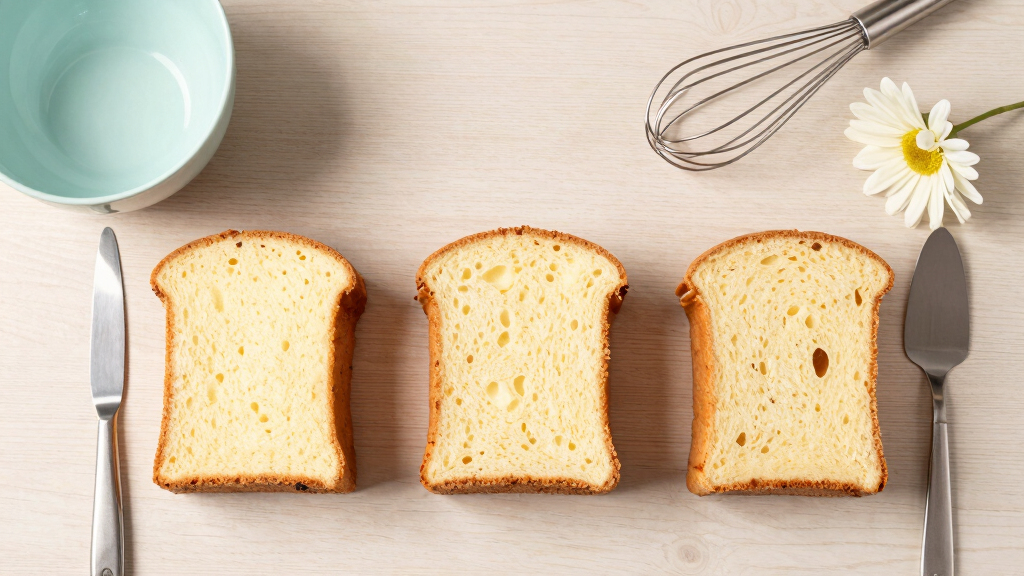
Sponge cakes are the featherweight champions of baking—delicately airy and incredibly soft. Their secret? Whipped eggs, which trap air and give the cake its signature lift. Imagine biting into a cloud—soft, moist, with a tender crumb that melts on your tongue.
To make a perfect sponge, you typically whip eggs with sugar until thick and pale. Then, you gently fold in sifted flour, keeping the air intact. No chemical leaveners needed, which makes it a favorite for layered cakes and roulades.
Think of it like a delicate ballet—each step carefully executed to maintain the airiness. Overmix, and the batter deflates; underwhipping, and it won’t rise properly. Practice makes perfect.
non-stick cake pans for sponge cakes
As an affiliate, we earn on qualifying purchases.
As an affiliate, we earn on qualifying purchases.
Why Is Pound Cake So Dense and Rich?
Pound cakes are the comfort food of the baking world—dense, buttery, and satisfying. The name comes from the traditional recipe: a pound each of butter, sugar, eggs, and flour. This simple ratio creates a sturdy, moist cake with a tight crumb.
Imagine slicing into a loaf of golden-brown treasure—rich aroma wafting, butter melting slightly at room temperature. The process involves creaming butter and sugar first, then adding eggs one at a time, followed by flour. No leaveners needed—just the magic of chemistry and good technique.
It’s like a warm hug in cake form—filling and substantial, perfect for pairing with berries or a drizzle of honey.
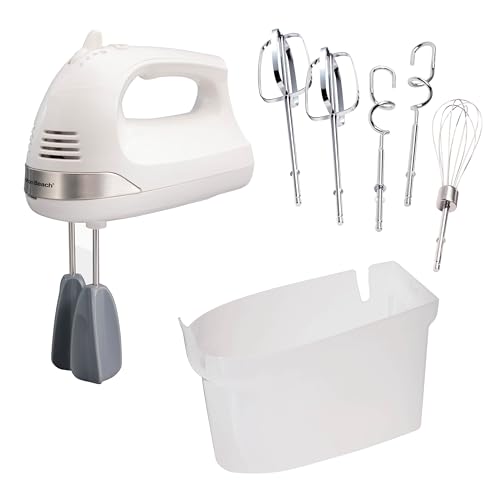
Hamilton Beach 6-Speed Electric Hand Mixer with Whisk, Dough Hooks and Easy Clean Beaters, Powerful 275 Watt Motor, Snap-On Storage Case, White
EASY CLEAN BEATERS REDUCE CLOGGING AND PROVIDE GREAT MIXING PERFORMANCE. Their smooth, innovative design glides through ingredients without…
As an affiliate, we earn on qualifying purchases.
As an affiliate, we earn on qualifying purchases.
How Does Chiffon Cake Balance Lightness and Moisture?
Chiffon cakes are the chameleons of the cake world—light yet moist, tender yet sturdy. They blend the airy lift of sponge cakes with the richness of pound cakes by including both whipped egg whites and oil, plus a pinch of baking powder.
Picture biting into a cake that’s soft as silk but stays moist for days. The secret is in the whipped egg whites folded gently into a batter that contains oil and egg yolks. This double-leavening system creates a cake that rises high without becoming dry.
To perfect a chiffon, you need patience—careful folding to keep the air in, and gentle mixing to avoid deflating the whites.
cake decorating spatulas
As an affiliate, we earn on qualifying purchases.
As an affiliate, we earn on qualifying purchases.
Compare These Classic Cakes Side-by-Side
| Feature | Sponge Cake | Pound Cake | Chiffon Cake |
|---|---|---|---|
| Texture | Light, airy, delicate | Dense, moist, buttery | Light, moist, tender |
| Leavening | Eggs whipped to incorporate air | Creamed butter and eggs | Whipped egg whites + baking powder |
| Ingredients | Eggs, sugar, flour, minimal fat | Equal parts butter, sugar, eggs, flour | Eggs, sugar, flour, oil, baking powder |
| Common Uses | Layer cakes, roulades | Loaf, bundt, simple slices | Layer cakes, cupcakes, elegant desserts |
cake folding tools for chiffon cakes
As an affiliate, we earn on qualifying purchases.
As an affiliate, we earn on qualifying purchases.
Recent Trends Transforming These Cake Classics
Today’s bakers are pushing boundaries with healthier tweaks—reducing sugar, swapping in gluten-free or alternative flours, and experimenting with vegan versions. For instance, using aquafaba (the liquid from chickpeas) as an egg replacer for chiffon cakes creates a vegan-friendly, fluffy texture.
Artisans infuse flavors like matcha, lemon zest, or lavender into sponge and chiffon cakes, elevating them beyond simple desserts. Sustainability also shapes new recipes—locally sourced ingredients and eco-friendly packaging are becoming standard.
These trends show that even classic cakes evolve, blending tradition with modern dietary needs and tastes.
Key Tips for Baking Each Type Perfectly
- Sponge: Whip eggs until tripled in volume. Gently fold in flour, and avoid overmixing.
- Pound: Cream butter and sugar thoroughly. Add eggs one at a time, then fold in flour carefully.
- Chiffon: Whip egg whites to stiff peaks. Fold gently into the batter to preserve volume. Use room-temperature ingredients for best results.
Also, always preheat your oven, measure ingredients accurately, and avoid opening the oven door during baking. These small steps make a big difference.
What Do You Want Your Cake to Say About You?
Choosing between a sponge, pound, or chiffon cake isn’t just about technique—it’s about what you want your dessert to communicate. Do you crave the delicate elegance of a sponge? The rich comfort of pound cake? Or the airy sophistication of chiffon?
Each cake matches different moods and occasions. A sponge is perfect for layering at a fancy dinner. Pound cake makes a cozy snack or breakfast. Chiffon strikes a balance—light but indulgent, suitable for celebrations or teatime.
Knowing what you want to say with your cake helps you pick the right recipe—and makes the baking process more personal and satisfying.
Your Best Bets for Every Baking Moment
When you want a cake that’s simple and forgiving, go for pound cake. It’s almost foolproof—just mix, pour, bake, and enjoy. For a show-stopping layered dessert, a sponge cake provides the perfect fluffy canvas. Need something elegant that’s moist and tender? Chiffon is your best friend.
Remember, mastering technique is key. With practice, you’ll get better at folding, measuring, and timing, which transforms good bakers into great ones.
Get comfortable with these basics, and each cake type becomes a new playground for flavor and creativity.
Frequently Asked Questions
Can I turn a pound cake into a lighter dessert?
While pound cakes are traditionally dense, you can lighten them by folding in whipped egg whites or using lighter fats like applesauce. However, the texture will still be richer than sponge or chiffon. Experimenting with substitutions can create a more airy pound cake, but expect some changes in flavor and structure.
Is chiffon cake harder to bake than sponge or pound cake?
Chiffon cakes require careful folding of whipped egg whites and precise baking. They can be trickier for beginners because overmixing can deflate the batter, and they’re sensitive to oven temperature. But with patience and practice, they become manageable and very rewarding.
What’s the best way to prevent a chiffon cake from collapsing?
Ensure your whipped egg whites reach stiff peaks, fold gently to keep the air, and avoid opening the oven door too early. Using room-temperature ingredients and baking at the right temperature also helps maintain structure. A stable oven environment is key.
Are these cakes suitable for a gluten-free diet?
Yes, with the right flours—such as almond, coconut, or gluten-free blends—you can adapt sponge, pound, and chiffon recipes. Just remember that gluten-free flours may require adjustments in liquids or leavening to achieve the desired texture.
Which cake is best for a beginner baker?
Pound cake is often the easiest to start with because it involves straightforward mixing and minimal folding. It’s forgiving and quick to bake, making it perfect for gaining confidence in the kitchen.