
TL;DR
Eggs are more than binders or leaveners; they shape texture, add moisture, and influence color. Knowing their true roles helps you bake smarter and adapt recipes easily.
Eggs contribute more than binding—they provide structure, moisture, and color, shaping the entire baking experience.
Proper handling, like using room temperature eggs and gentle folding, makes a big difference in texture and rise.
Substitutes can mimic some functions, but understanding eggs’ roles helps you pick the right replacement for each recipe.
Overbeating or underbeating eggs can ruin your baked goods; mastering technique is key.
Knowing how eggs coagulate and emulsify allows you to fine-tune recipes for perfect results.
Eggs Are Your Building Blocks for Structure and Rise
Eggs provide the backbone of many baked goods. When heated, their proteins coagulate—think of it as the eggs turning from liquid to solid, creating a sturdy framework. This gives your cake its shape and helps it stay fluffy. For example, beating eggs until they’re light and airy before folding into batter traps air, which expands during baking, giving you a rise that’s hard to beat.
Imagine whipping eggs for a sponge cake. The more you beat, the more air you incorporate—like tiny balloons filling your batter. When baked, these air pockets expand, turning your mixture into a light, tender marvel.
This process is crucial because it directly influences the texture and volume of your baked goods. Overbeating eggs can deflate the air bubbles, leading to a dense crumb, while underbeating can result in insufficient rise. Understanding this balance helps you control the final product’s texture and appearance, making your baking more predictable and professional.

Big Green Egg TEL-TRU LG DIAL Temp Gauge 3" Analog Thermometer for Grill
As an affiliate, we earn on qualifying purchases.
As an affiliate, we earn on qualifying purchases.
How Eggs Add Moisture and Richness to Every Bite
Eggs aren’t just about structure—they’re also about moisture. A large egg contains roughly 70 grams of water, which dissolves into your batter or dough, making it tender and moist. That’s why a cake with eggs feels rich and has a melt-in-your-mouth texture. Think of eggs as the secret ingredient that keeps baked goods from drying out too fast.
But beyond just adding water, eggs also help distribute fats and sugars evenly, contributing to a balanced, tender crumb. The proteins in eggs form a fine network that traps moisture, preventing baked goods from becoming dry or crumbly. This moisture retention is essential for achieving a soft, luscious texture, especially in delicate cakes or pastries. Without enough eggs, baked goods can turn out dry or crumbly, while too many can make them dense or overly moist—highlighting the importance of understanding the right balance.
In essence, eggs are a moisture reservoir and a binder, influencing how moist and rich your baked items turn out, and how long they stay fresh. Their role in moisture retention is especially vital in recipes that rely on a tender crumb and a moist bite, like pound cakes or layered tortes.

AcreMade Plant-Based Egg Substitute, Dry Powder, Shelf Stable, Vegan, Gluten Free, Soy-Free, Low Sodium, Non-GMO, Natural Egg Replacer, 3 Grams Pea Protein Per Serving (1 pack (5.6 oz))
INSTRUCTIONS: For a two egg serving, add 1.5 Tbsp powder to 1/3 cup COLD water and whisk until…
As an affiliate, we earn on qualifying purchases.
As an affiliate, we earn on qualifying purchases.
Eggs as Emulsifiers: The Secret to Smooth Batters
Eggs contain lecithin, a natural emulsifier that binds fats and liquids together smoothly. This is essential for recipes like cakes, custards, or mayonnaise where fats and water-based ingredients need to mix without separating. When you add eggs to a butter-based batter, they help create a uniform, velvety texture that works in your favor.
Proper emulsification ensures that fats and liquids blend seamlessly, which leads to a more stable batter. This stability prevents the formation of lumps or separation during mixing and baking. As a result, your baked goods develop a finer crumb, more uniform texture, and a glossy appearance. Conversely, insufficient emulsification can cause uneven baking, greasy spots, or a coarse crumb. Recognizing the emulsifying properties of eggs allows bakers to optimize batter consistency, which directly impacts the final quality of the baked product.
In practical terms, beating eggs thoroughly before incorporating them into a mixture enhances emulsification, leading to a smoother, more cohesive batter that bakes evenly and looks appealing.

Belloccio Egg Shaped Latex Free Makeup Sponge – Pack of 6 Sponges
6 Professional egg shaped Belloccio makeup blending sponges that are made of durable latex free foam.
As an affiliate, we earn on qualifying purchases.
As an affiliate, we earn on qualifying purchases.
Color and Shine: Why Eggs Make Your Baked Goods Golden
Ever notice how a golden-brown crust just looks more appetizing? Eggs influence this color and shine. Brushing a pie crust with beaten egg before baking creates that glossy, inviting finish. Inside the oven, eggs contribute to browning through the Maillard reaction, giving your baked goods a warm, appealing hue.
Eggs contain proteins and sugars that promote browning during baking. When heated, these components undergo complex chemical reactions—like the Maillard reaction—that produce a rich, golden color and a shiny surface. This not only enhances visual appeal but also signals proper doneness and flavor development. A shiny, golden crust is often a sign of well-caramelized sugars and proteins, which adds depth to flavor and makes the item more enticing. Understanding how eggs influence browning helps bakers decide when and how to apply egg washes for maximum visual impact and flavor enhancement.
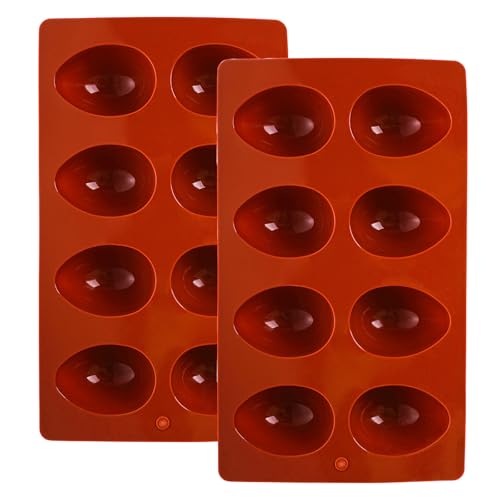
Haakong 8 Cavity Silicone Egg Molds Set of 2 for Easter Silicone Egg Pan Baking Supplies for Cake Decorating Chocolate Candy (2, Brick red)
Easter Baking Set: Each set includes 2 silicone egg molds with 8 cavities each, allowing you to bake,…
As an affiliate, we earn on qualifying purchases.
As an affiliate, we earn on qualifying purchases.
Eggs as the Ultimate Binding Agent
Eggs are excellent at holding ingredients together. Think of meatloaf or cookie dough—without eggs, they might crumble or fall apart. When heated, egg proteins tighten, acting like a glue that keeps everything intact. This is especially useful in recipes with multiple components or ingredients that tend to fall apart.
For instance, adding an egg to your cookie dough helps keep the shape during baking, preventing spreading or crumbling. This binding property is vital when working with ingredients that lack natural cohesion, such as vegetables or grains. The proteins coagulate during baking, forming a network that traps other ingredients, creating a unified, stable structure. This not only maintains shape but also influences the texture, ensuring your baked goods are cohesive and hold together well. Recognizing the binding power of eggs allows bakers to troubleshoot issues like crumbling or spreading and to develop recipes that are both structurally sound and delicious.
Recent Surprises: New Insights and Alternatives
Food science has uncovered new layers of understanding about eggs. We now know that coagulation of egg proteins occurs at specific temperatures—around 144°F (62°C)—which impacts how tender or firm your baked good becomes. This knowledge helps bakers fine-tune recipes for perfect texture.
Plus, as more people seek plant-based options, alternatives like aquafaba (the chickpea brine) or flaxseed meal are gaining ground. These substitutes can mimic eggs’ ability to trap air and act as binders, but often require adjustments in technique or timing.
Delving deeper into the science reveals that the precise temperature at which egg proteins coagulate determines the final texture—so knowing this helps bakers avoid undercooked or overcooked results. For example, cooking eggs too quickly or at too high a temperature can cause curdling, while too low a temperature may result in insufficient setting. This understanding allows for more controlled, consistent results. Similarly, exploring plant-based substitutes like aquafaba offers options for vegan baking, but they come with tradeoffs—such as different foaming properties or moisture content—that bakers need to understand to achieve the desired outcome.
What You Need to Know About Egg Substitutes
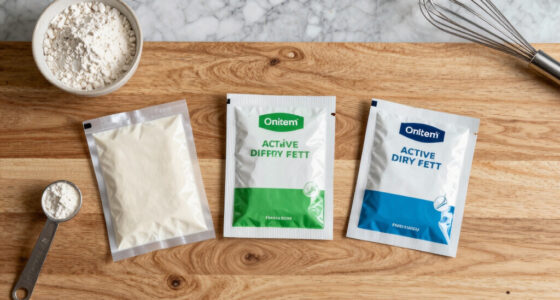
Replacing eggs isn’t just swapping in applesauce or bananas. The success depends on what role the egg plays in your recipe. For leavening, whipped aquafaba or commercial replacers work well. For moisture and binding, mashed bananas, applesauce, or flaxseed gel can do the trick.
For example, a vegan cake might use aquafaba whipped until fluffy, providing lift similar to egg whites. But it’s essential to match the substitute to the recipe’s primary function.
Troubleshooting: Why Your Baked Goods Fall Flat or Get Dense
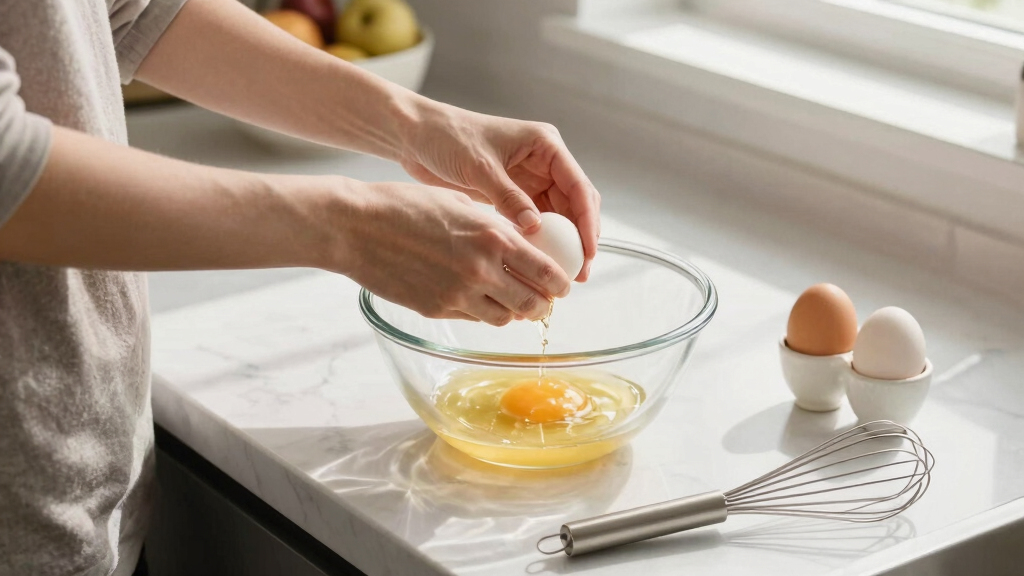
Egg-related mishaps happen more often than you think. Not beating eggs enough can lead to flat cakes, while overbeating can make them tough. Using cold eggs instead of room temperature ones can reduce volume, as cold eggs don’t whip as well.
Imagine trying to whip cold eggs—your arm tires, and the eggs don’t get fluffy. The fix? Warm your eggs slightly before beating, or let them sit at room temp for about 30 minutes.
Understanding these nuances is vital because the temperature, beating time, and method directly influence the incorporation of air and the final texture. For instance, cold eggs are denser and less responsive to whipping, leading to less volume and a flatter cake. Overbeating can cause the proteins to tighten excessively, resulting in a tough crumb. Recognizing these tradeoffs helps you adapt techniques to achieve consistent, desirable results.
How to Use Eggs Perfectly Every Time
- Start with room temperature eggs for better whipping and even incorporation.
- Whisk eggs until they’re light, fluffy, and slightly pale—this ensures maximum lift.
- Be gentle when folding whipped eggs into delicate batters to preserve air bubbles.
Frequently Asked Questions
Can I replace eggs in baking recipes without sacrificing texture?
Yes, but you need to choose the right substitute for the role eggs play. For leavening, whipped aquafaba or commercial replacers work well. For moisture and binding, mashed bananas or flaxseed gel are good options. Experiment to find what works best for your recipe.
Why do my cakes turn out dense or flat?
This often happens if eggs aren’t beaten enough, used cold, or if you overmix the batter. Properly whipped eggs, at room temperature, and gentle folding help create a light, airy cake.
How do eggs influence the texture of baked goods?
Eggs contribute tenderness, moisture, and structure. They help create a crumb that’s soft and moist or firm and dense—depending on how they’re handled during mixing and baking.
Are eggs safe to eat raw in baked goods?
Most baked goods reach temperatures that kill bacteria—like salmonella—so eating raw or undercooked eggs isn’t recommended. Use pasteurized eggs if you’re making recipes with raw eggs, like certain mousse or no-bake desserts.
What’s the best way to beat eggs for baking?
Use a whisk or hand mixer to beat eggs until they’re pale, frothy, and slightly thickened—about 2-3 minutes. For leavening, beat until soft or stiff peaks, depending on the recipe.