
TL;DR
Placing baked goods directly on a flat surface traps steam, leading to sogginess. Using a wire cooling rack elevates items, allowing moisture to escape and keeping them crisp. Proper cooling is key to bakery-quality results.
Ever pulled a batch of cookies from the oven, only to find them soggy and limp a few minutes later? That sneaky moisture trapped underneath is often the culprit.
If you want your baked goods to stay crispy and fresh, understanding the right cooling method makes all the difference. This guide reveals the common mistake many home bakers make and shows you how a simple switch can transform your results.
Always cool baked goods on a wire rack to allow moisture to escape evenly.
Avoid placing hot items on flat surfaces, which traps steam and makes treats soggy.
Modern racks with adjustable heights and non-stick coatings can make cooling easier and cleaner.
Proper airflow during cooling preserves crispness, texture, and shelf life.
Allow baked goods to cool completely before storing to prevent condensation and spoilage.
The Cooling Rack Mistake That Makes Everything Soggy
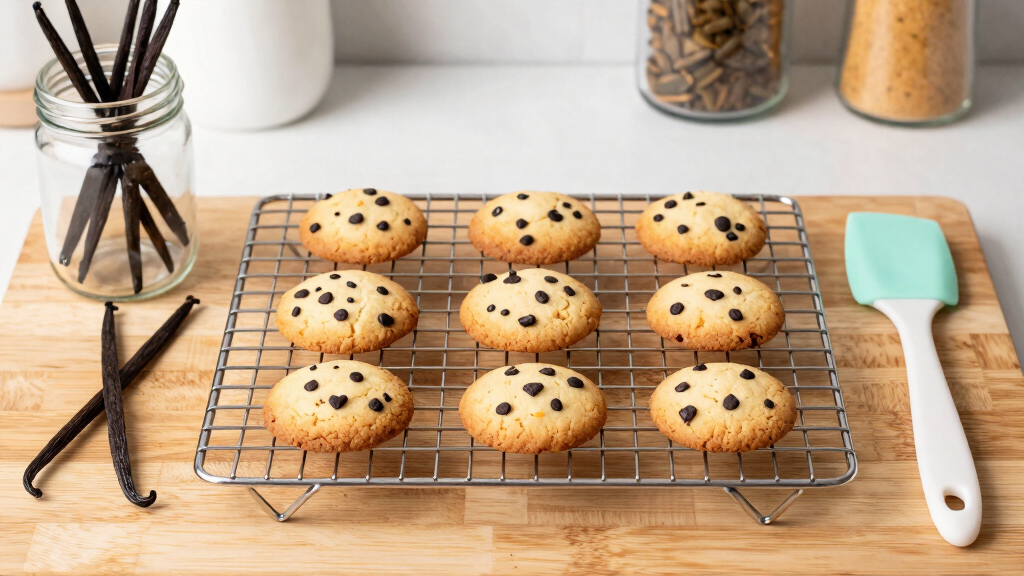
Placing hot cookies, bread, pastries, or cakes directly on a flat surface traps steam underneath. Elevating them on a wire rack lets moisture escape, protects crisp edges, and gives home baking that bakery-quality finish.
Steam needs an exit route. A flat plate turns it into damp bottoms.
Key insight: airflow preserves textureWhy Flat Cooling Turns Fresh Baking Limp
Freshly baked goods continue releasing heat and moisture after leaving the oven. When the bottom sits against a solid surface, that steam condenses instead of evaporating.
Steam Has Nowhere To Go
Hot interiors push moisture outward. A plate or sheet pan blocks the exit, so moisture collects underneath.
Bottoms Turn Damp
Condensation softens crisp crusts and makes cookies, scones, and croissants feel limp instead of light.
Elevation Restores Balance
A wire rack exposes every side to air, so excess moisture evaporates while the crumb stays tender.
Your Cooling Flow, From Oven To Storage
Use this sequence whenever crispness matters. The difference is small in effort and large in final texture.
Remove
Move baked goods off the hot baking sheet as soon as structure allows.
Elevate
Set pieces in a single layer on a wire cooling rack.
Ventilate
Keep space around each item so moisture can escape evenly.
Wait
Let most items cool for at least 15-20 minutes before handling.
Store
Use airtight containers only once fully cooled to avoid condensation.
Cooling Surface Comparison
Not every surface treats steam the same way. The best option is the one that protects airflow underneath.
| Cooling Method | Airflow Underneath | Texture Result | Best Use | Verdict |
|---|---|---|---|---|
| Wire cooling rack | Open circulation on all sides | Crisp edges, firm crust, tender center | Cookies, bread, cakes, pastries | ✓ Best |
| Flat plate | Blocked by solid surface | Damp bottoms and softened crust | Emergency transfer only | ✗ Avoid |
| Baking sheet | Blocked and still holding heat | Overcooked tops, soggy underside | Very brief resting period | ✗ Risky |
| Paper towel or cloth | Partial absorption but poor airflow | Can stick, steam, or soften | Backup for less delicate items | ~ Limited |
| Slightly open oven or gentle fan | Enhanced drying when used carefully | Extra crispness for sturdy items | Breads, crackers, sturdy cookies | ✓ Helpful |
The Airflow Advantage
These practical ratings show how cooling choices affect moisture escape, crispness, storage quality, and cleanup.
Modern racks are not just wire grids anymore.
Adjustable heights, non-stick coatings, stainless steel construction, and drip trays can make cooling cleaner and easier. The core requirement never changes: keep baked goods elevated so steam can leave.
Moisture Escape Spectrum
Quick Tips For Perfect Cooling
Small handling choices keep texture intact and prevent condensation from undoing your bake.
Use A Rack For Everything
Cookies, cakes, bread, and pastries all benefit from open airflow underneath.
Keep A Single Layer
Crowding traps humidity between pieces and slows evaporation.
Skip Immediate Covering
Covering hot baked goods creates condensation and softens the surface.
Clean The Rack Often
Residue can affect airflow, hygiene, and how easily delicate items release.
Trace The Soggy-Bottom Chain
One small cooling decision sets off the whole texture story.
Frequently Asked Questions
The rack rule is simple, but these details help you apply it across different bakes.
Can I use a paper towel instead?
It is not ideal because it can stick or trap moisture. A wire rack gives better airflow and cleaner release.
How long should baked goods cool?
Most items need at least 15-20 minutes at room temperature before storage to prevent condensation.
Are all racks equally good?
No. Look for sturdy stainless steel or coated racks with enough spacing to support airflow without sagging.
Should I cool in the fridge?
Usually no. Refrigeration can cause condensation. Room-temperature rack cooling is the better default.
Why Your Baked Goods Turn Soggy Without a Proper Cooling Rack
When you bake something like cookies or bread, heat and moisture escape during cooling. If you place your treats on a flat surface—like a plate or countertop—this moisture stays trapped underneath. The result? Soft, limp edges instead of crisp, golden perfection.
Imagine a tray of freshly baked scones cooling on a plate. The steam rises, hits the cold surface, and condenses, making the bottoms damp and dull. Using a wire rack prevents this by allowing air to circulate around every side, letting excess moisture evaporate. It’s like giving your baked goods a breath of fresh air.
As an affiliate, we earn on qualifying purchases.
The Common Mistake: Cooling on Flat Surfaces That Trap Moisture
Many home bakers unknowingly make the mistake of cooling their goodies directly on counters, plates, or even the baking sheet. This creates a barrier that traps warm, moist air underneath, turning crispy edges soggy and ruining the texture you worked hard to achieve.
Leaving baked goods on a flat surface prevents the natural evaporation process that occurs when air surrounds the item. The trapped moisture condenses on the surface, especially on the bottoms and sides, leading to a loss of crispness and a change in texture. This can be particularly frustrating with items like cookies or croissants, where the contrast between a crunchy exterior and tender interior is what makes them special. The tradeoff is clear: sacrificing a few minutes of cooling time for a significant improvement in texture and freshness. Failing to elevate treats means risking that soggy, unappetizing result that diminishes your baking efforts and can even cause mold if stored improperly over time.
Switching to a wire cooling rack immediately solves this by elevating your treats, letting moisture escape freely—like a plant that needs good airflow to stay healthy.
non-stick cooling rack for cookies
As an affiliate, we earn on qualifying purchases.
As an affiliate, we earn on qualifying purchases.
Why Elevation Matters: How a Wire Rack Keeps Your Baked Goods Crisp
Elevating baked goods on a wire rack is like giving them a mini spa day—air flows all around, drying out excess moisture. This simple step preserves the crunch of cookies, the crust of bread, and the delicate crumb of cakes.
For instance, when you cool a loaf of bread on a wire rack, the crust stays firm and the crumb remains tender. If you try to cool it on a towel or plate, the bottom becomes soggy, and the crust softens. The science here hinges on the fact that moisture naturally migrates from the hot interior to the cooler exterior of baked goods. When airflow is unrestricted, this moisture can evaporate efficiently, preventing accumulation that leads to sogginess. Conversely, if airflow is blocked—such as when cooling on a flat surface—moisture condenses and settles, compromising texture. Think of it as a delicate balance: too little airflow traps moisture, too much or too little heat can affect the final product. Proper elevation ensures that this balance favors crispness and freshness, extending shelf life and enhancing taste.
Research shows that even a few extra minutes of airflow can make a noticeable difference. It’s similar to how a breeze keeps your skin cool on a hot day—air circulation prevents dampness and sogginess.
As an affiliate, we earn on qualifying purchases.
The Latest in Cooling Rack Tech: What You Need to Know
Modern cooling racks aren’t just wire grids anymore. There are adjustable racks, non-stick surfaces, and even racks with drip trays to catch excess crumbs or drips. These innovations help keep your baked goods in top shape with less fuss.
For example, a rack with foldable legs can fit in various oven sizes or stack for cooling multiple batches. Non-stick coatings make cleaning a breeze, reducing the chance of residue that can cause sticking or uneven cooling.
Choosing the right rack depends on your baking style, but the key is always airflow. Think of it as a mini weather system for your baked goods—better tech means better results.
As an affiliate, we earn on qualifying purchases.
Quick Tips for Perfect Cooling Every Time
- Use a wire rack for all baked goods—cookies, cakes, bread.
- Place the rack in a well-ventilated area, away from direct sunlight or drafts.
- Don’t cover baked goods immediately; let them cool to room temperature first.
- For extra crispness, set the rack near a fan or in a slightly open oven for the first few minutes.
- Clean your rack regularly to prevent residue buildup that can affect airflow and hygiene.
What Happens If You Keep Ignoring This? The Soggy Consequences
Ignoring proper cooling methods leads to soggy, dull baked goods that don’t live up to their potential. The crust softens, and the texture becomes rubbery or limp. Over time, moisture can even cause mold or spoilage if stored improperly.
Imagine your favorite cookies—soggy and greasy instead of crisp and crumbly. That’s a wasted batch, all because of a simple mistake.
Preventing this is easy. Just elevate your treats on a wire rack, and you’ll notice the difference immediately.
Your Action Plan: How to Cool Like a Pro
- Remove baked goods from the baking sheet immediately after baking.
- Place them on a wire cooling rack, ensuring good airflow all around.
- Let them cool at room temperature for at least 15-20 minutes before handling or storing.
- For delicate items, consider a gentle fan or slightly open oven to speed up drying.
- Store cooled items in airtight containers only once fully cooled to prevent condensation buildup.
Frequently Asked Questions
Can I use a paper towel instead of a cooling rack?
Using a paper towel isn’t ideal because it can stick or trap moisture. A wire rack ensures proper airflow, preventing sogginess and sticking.
How long should I let baked goods cool before storing?
Most baked goods should cool for at least 15-20 minutes at room temperature on a wire rack. This prevents condensation and keeps texture intact.
Are all cooling racks equally good?
No. Look for stainless steel or coated racks with good spacing between wires. Avoid cheap, thin racks that bend or rust over time.
Can I cool everything on a rack, or are some exceptions?
Most baked goods benefit from cooling on a rack. However, very delicate items like soufflés should cool in their pans to avoid damage.
What about cooling in the fridge or freezer?
Cooling in the fridge or freezer isn’t necessary and can cause condensation or freezer burn. Room temperature cooling on a rack is best unless specified otherwise.
Conclusion
Remember, a simple shift—using a wire rack—can make your baked goods look and taste bakery-perfect. It’s worth the extra minute to elevate them and keep that satisfying crunch.
Next time you pull goodies from the oven, give them the airflow they deserve. Your taste buds will thank you for the crisp, fresh texture.