
TL;DR

Get baking supplies delivered free with Prime
- Fast, free delivery on millions of items
- Prime Video, Amazon Music and more included
- Member-only deals all year
Brown sugar and white sugar are mostly similar nutritionally, but their differences in flavor, moisture, and cooking behavior can change your baked goods. Understanding these nuances helps you choose wisely for flavor and texture.
Ever wonder if choosing brown sugar over white sugar is a health upgrade? Most people think it’s just a color change, but the differences go deeper. The flavor, moisture, and even how your baked goods turn out all hinge on which sugar you pick. It’s more than just a visual swap—your recipes and taste buds will thank you for knowing the real story.
In this guide, you’ll learn the key differences, how they affect your baking, and what to consider when choosing between the two. Whether you’re baking cookies, making sauces, or just sweetening your tea, understanding these sugars helps you make smarter, tastier decisions.
Brown sugar contains molasses, giving it richer flavor and moisture, but offers no significant health benefits over white sugar.
Both sugars are primarily sucrose and have similar calorie counts—moderation is key in their use.
Use brown sugar for recipes needing moisture and caramel notes; white sugar for neutral sweetness and lighter textures.
Trace minerals in brown sugar are minimal, so don’t rely on it for nutritional gains.
Choose organic or minimally processed sugars if environmental or ethical sourcing is important to you.
What Are Brown and White Sugar Made Of? The Real Difference is in the Composition
Brown sugar contains molasses, which gives it its rich color and moist texture. White sugar is refined, with molasses removed, resulting in pure sucrose crystals. This tiny difference in processing affects everything from flavor to how they behave in recipes.
Imagine the process: white sugar undergoes extensive refining, stripping away molasses and impurities. Brown sugar, on the other hand, either keeps some molasses during processing or has it added back in. This creates two distinct products, even though they start from the same plant source—sugarcane or sugar beets.
For example, light brown sugar has about 3.5% molasses, while dark brown sugar can contain up to 6.5%. This variation influences both the taste and moisture of your baked goods.
Products Worth Considering

Le Creuset Enamemed Cast Iron Oval Dutch Oven, 5 qt., White/Crucible

Instant Pot InstantChill Ice Cream Maker with Rolled Ice Cream Cold Plate, 2-Pint

Vitamix Propel Series 510 Professional-Grade Blender, 3 Programs, Black
As an affiliate, we earn on qualifying purchases.
Flavor and Texture: Why Brown Sugar Tastes Like Caramel and Feels Moist
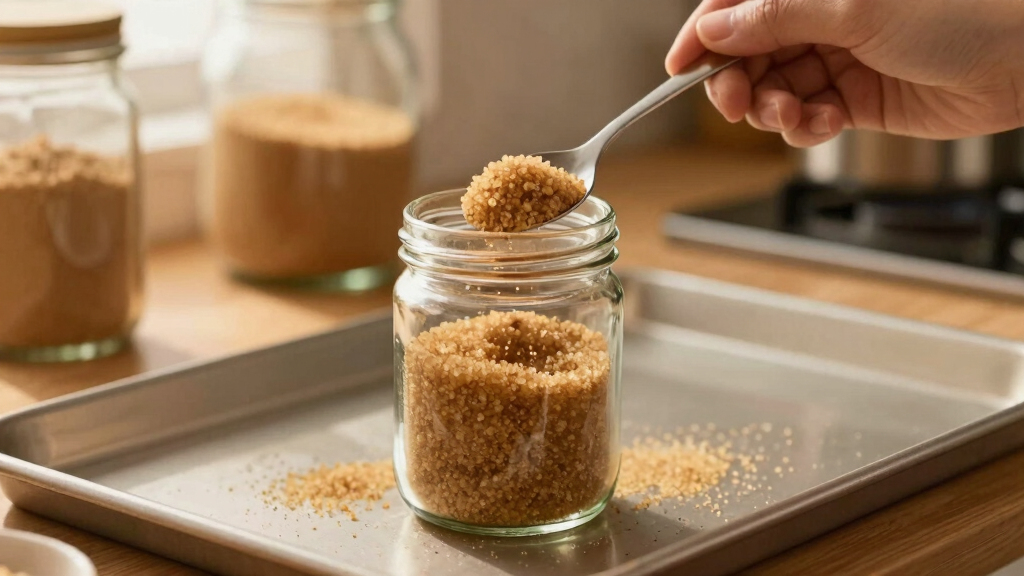
Brown sugar’s molasses gives it a deep, caramel-like aroma that’s almost intoxicating. When you scoop it, you feel its sticky, slightly crumbly texture—like pressed, moist sugar blocks. This richness makes it a favorite for cookies and sauces.
White sugar, by comparison, is dry, granular, and neutral. It dissolves quickly, leaving no flavor behind. Think of white sugar as the blank canvas, while brown sugar adds a splash of complexity.
For instance, when you bake chocolate chip cookies, using brown sugar results in gooey, chewy centers with a caramel aroma. Swap in white sugar, and you’ll notice a crisper, drier cookie with a cleaner sweetness.
Nutritional Showdown: Does Brown Sugar Offer Any Real Benefits?
Both brown and white sugar are primarily sucrose, packing about 16 calories per teaspoon. The tiny minerals in brown sugar—calcium, potassium, iron—are present in trace amounts, too small to impact your health significantly.
Understanding why this matters is key: many believe that the minerals in brown sugar can contribute to nutritional intake, but in reality, you’d need to consume impractically large amounts to see any benefit. This means that choosing brown sugar solely for minerals isn’t justified. Instead, it’s important to recognize that both sugars impact blood sugar levels similarly, and overconsumption carries health risks regardless of type. The main implication is that dietary focus should be on moderation rather than type.
So, don’t assume brown sugar is healthier just because it has molasses. It’s a myth that it offers substantial nutrients or health benefits.
How to Use Each Sugar in Recipes for Best Results
- Brown Sugar: Use in recipes where moisture, richness, and caramel notes matter—like cookies, muffins, and sauces. Pack it firmly into your measuring cup to get an accurate amount. Its moisture can affect the texture and spread of baked goods, so understanding how it interacts with other ingredients can help you tweak recipes for the desired outcome.
- White Sugar: Ideal for recipes needing neutral sweetness—cakes, syrups, beverages. Dissolves quickly and creates a lighter texture. Because it lacks moisture, it doesn’t interfere with the structure or rise of baked goods, making it versatile for many recipes.
- Pro tip: If a recipe calls for brown sugar but you only have white, add a tablespoon of molasses per cup of white sugar to replicate the moisture and flavor profile, helping you achieve similar results without a trip to the store.
The Impact of Sugar Choice on Your Baked Goods
Choosing between brown and white sugar influences the final texture and flavor of baked treats. Brown sugar adds moisture, making cookies chewier and cakes denser. White sugar yields crisper, lighter results.
Imagine baking a batch of oatmeal cookies—substituting white sugar results in drier, more crumbly cookies, while brown sugar makes them soft and chewy. The caramel undertones from brown sugar also deepen the flavor profile, giving your treats a richer taste.
This difference isn’t just flavor; it’s about how the sugar interacts with other ingredients—like butter and eggs—affecting spread, rise, and moisture retention. For example, in recipes where you want a moist, chewy texture, brown sugar’s hygroscopic nature helps trap moisture, extending freshness. Conversely, white sugar’s lack of moisture promotes crispness and a lighter crumb, which is ideal for delicate baked goods.
Are There Environmental or Ethical Factors to Consider?
Sourcing matters. Organic, fair-trade sugars are available in both brown and white forms. Some consumers prefer unrefined or minimally processed sugars, which retain more natural molasses or cane juices.
For example, many brands now offer organic light brown sugar, which is less processed and more sustainable. Choosing these supports eco-friendly farming practices and fair labor standards.
While the nutritional differences are minor, ethical considerations like sourcing and environmental impact might influence your choice beyond taste and texture. These factors can also affect the flavor profile, as less processed sugars often retain more of the natural flavors and nutrients of the original plant source, enhancing the complexity of your recipes.
Quick Comparison: Brown Sugar vs White Sugar in a Nutshell
| Feature | Brown Sugar | White Sugar |
|---|---|---|
| Composition | Refined sugar + molasses | Pure sucrose crystals |
| Flavor | Rich, caramel, toffee | Neutral, clean sweetness |
| Texture | Moist, sticky, crumbly | Dry, granular |
| Nutritional value | Trace minerals, minimal impact | Same calories, no significant nutrients |
| Best for | Chewy cookies, sauces | Lighter baked goods, beverages |
Frequently Asked Questions
Is brown sugar healthier than white sugar?
Not really. Brown sugar has trace minerals from molasses, but the amounts are too small to make a nutritional difference. Both should be enjoyed in moderation, as they contribute to your overall sugar intake.
Can I substitute white sugar for brown sugar in recipes?
Yes, but it might change the flavor and texture. For baked goods, expect a crisper cookie or a less moist cake. To mimic brown sugar, add a teaspoon of molasses per cup of white sugar.
Does brown sugar add any health benefits?
Minimal. The trace minerals come from molasses, but they’re too small in amount to impact health. It’s still sugar—consume it mindfully.
Which sugar is better for baking?
It depends! Use brown sugar for richer, moister baked goods. White sugar is great for lighter, crisper treats. Adjust based on your desired outcome.
Are there ethical reasons to choose one over the other?
Yes. Organic, fair-trade, and minimally processed options are available for both types. If sustainability matters, look for labels indicating eco-friendly sourcing.
Conclusion
Choosing between brown and white sugar isn’t just about color—it’s about flavor, moisture, and how your baked goods turn out. Remember, both are sugars with similar nutritional profiles, so moderation remains your best bet. Next time you bake or sweeten your tea, pick what fits your flavor goal, not just your pantry.
Think of it as selecting the right tool for the job—your baking results will thank you with every chewy cookie or silky sauce.