
TL;DR
Frozen fruit often matches or surpasses fresh in nutrients, while dried fruit offers concentrated sweetness and shelf stability. Use fresh for texture, frozen for versatility, and dried for long storage and baking. Knowing when to pick each saves money, reduces waste, and boosts flavor.
Frozen fruit often locks in nutrients better than fresh, especially when fruit is out of season or stored for days.
Use fresh fruit when texture and flavor are key—like in salads or garnishes.
Dried fruit is best for baking, snacks, and recipes that benefit from concentrated sweetness, but watch portion sizes.
Always check labels for added sugars or preservatives in dried or frozen fruit.
Storing frozen fruit at 0°F keeps it good for up to a year, while dried fruit lasts even longer in a cool, dark pantry.
Fresh, Frozen, or Dried Fruit: Which to Use and When
Each form has its moment. Choose fresh for pristine texture, frozen for nutrient-rich versatility, and dried for concentrated sweetness and long storage. The right match improves flavor, controls moisture, saves money, and keeps good fruit out of the bin.
Choose by function—not by hierarchy.
Fresh is not automatically more nutritious. Frozen fruit can match or surpass produce that has spent days in storage, while dried fruit delivers flavor and shelf life in a compact form.
Match the fruit to the job
Texture and water content usually matter more than the label on the package. Start with the result you want: a crisp bite, a cold blend, or a chewy burst of concentrated flavor.
Bright, juicy, immediate
Fresh fruit is unbeatable when its shape, fragrance, and delicate bite remain visible in the finished dish. Buy ripe and in season whenever possible.
- Snacking and fruit salads
- Garnishes, salsas, and parfaits
- Raw desserts and cheese boards
Flexible, cold, dependable
Ice crystals soften cell walls, so thawed fruit releases liquid. That is an advantage in blends, sauces, fillings, and cooked recipes—but not in crisp salads.
- Smoothies and breakfast bowls
- Pies, muffins, and cobblers
- Sauces, jams, and compotes
Chewy, sweet, shelf-stable
Removing water concentrates flavor, natural sugar, calories, fiber, and minerals. A small amount can transform baked goods without adding excess moisture.
- Trail mix, granola, and snacks
- Scones, fruitcakes, and braises
- Tagines, compotes, and date paste
If the fruit must hold its shape, choose fresh. If it will be blended or cooked, choose frozen. If you need concentrated flavor without extra liquid, choose dried.
“Fresh is always best” is a myth
Fresh fruit can lose vitamin C and some B vitamins during transport and storage. Frozen fruit is commonly harvested ripe and frozen within hours, reducing exposure to heat, light, and oxygen.
Relative vitamin C retention
Illustrative comparison after typical processing, transit, and storage. Exact values vary by fruit, time, and handling.
READING THE BARS: FROZEN PRESERVES; IT DOES NOT IMPROVE OR STERILIZE FRUIT. FRESH QUALITY DEPENDS HEAVILY ON RIPENESS AND TIME SINCE HARVEST.
The at-a-glance use guide
Use the strongest match as your default, then adjust for availability. Dried fruit can sometimes work after rehydration; frozen fruit often needs moisture management.
| Use case | Fresh | Frozen | Dried |
|---|---|---|---|
| Snacking & garnish | ✓Best texture, aroma, and juiciness | ✗Soft and weepy after thawing | ~Portable; use a small portion |
| Smoothies & bowls | ~Good when ripe and abundant | ✓Cold, thick, convenient blending | ~Rehydrate before blending |
| Pies & cobblers | ✓Excellent during peak season | ✓Add frozen; increase thickener | ~Best as a flavor accent |
| Muffins & scones | ✓Good for firm, low-juice fruit | ✓Fold in while still frozen | ✓Sweetness without extra liquid |
| Sauces & compotes | ✓Ideal for ripe fruit surplus | ✓Thaw or cook from frozen | ✓Rehydrate for body and depth |
| Long-term storage | ✗Fragile and highly perishable | ✓8–12 months at 0°F / −18°C | ✓Months or longer when sealed |
✓ STRONG MATCH ~ SITUATIONAL ✗ GENERALLY AVOID
From harvest to your plate
The path fruit takes explains its final texture, nutrition, price, and shelf life. Processing changes function—it does not automatically make fruit inferior.
Ripeness sets the baseline
Peak-ripe fruit starts with developed flavor and nutrients.
Chill, freeze, or dry
Water and cell structure determine the resulting texture.
Time changes quality
Cold and low moisture slow spoilage and nutrient loss.
Manage moisture
Cook frozen directly or rehydrate dried fruit as needed.
Match the desired bite
Choose the form that delivers the intended final texture.
Handle each form like a pro
Small technique changes prevent watery batters, stained dough, clumped freezer bags, and overly sweet portions.
Bake frozen fruit while frozen
Fold it directly into muffin or scone batter. This limits color bleeding and prevents fruit from releasing excess liquid before baking.
Adjust pie fillings
Frozen fruit can usually go into a pie unthawed. Add a little more cornstarch or flour and allow extra baking time.
Rehydrate when moisture matters
Soak dried fruit in warm water before compotes, sauces, or tender baked goods. Drain it well before adding to the recipe.
Freeze fresh fruit individually
Wash, dry thoroughly, freeze in a single layer on a tray, then transfer to a sealed bag. The pieces stay separate and easy to portion.
Three common questions
All three forms can be useful. Quality, portion size, ingredient labels, and recipe fit matter more than a simplistic fresh-versus-processed rule.
Is frozen fruit as healthy as fresh?
Often, yes. Peak-ripeness freezing can preserve vitamin C and antioxidants better than fresh fruit that has spent days in transit or storage.
Does frozen fruit contain added sugar?
Plain frozen fruit usually does not, but sweetened blends and fruit packed in syrup exist. Check for a short ingredient list and “100% fruit.”
Is dried fruit too sugary?
It contains naturally concentrated sugar along with fiber and minerals. Keep portions modest: roughly ½ cup dried fruit can equal 1 cup fresh.
Why Frozen Fruit Often Outperforms Fresh in Nutrition
Frozen fruit is usually just as nutritious — sometimes more — than fresh. It’s picked at the peak of ripeness and flash-frozen within hours, which preserves essential nutrients like vitamin C and antioxidants. This rapid freezing process reduces the time nutrients are exposed to oxygen and light, which degrade vitamin content over time. As a result, frozen fruit can retain a higher concentration of these nutrients than fresh produce that has been transported, stored, and exposed to environmental factors. The implications are significant: choosing frozen can mean you’re actually getting a more nutrient-dense option, especially when fresh fruit is out of season or has been stored for days. This can influence your health benefits, as antioxidants and vitamin C support immune function and skin health. The tradeoff, however, is that some nutrients, like certain B vitamins, may degrade slightly during freezing or thawing, but overall, frozen fruit offers a reliable, nutrient-rich alternative. This is why many nutritionists recommend keeping frozen fruit on hand—it’s a convenient, cost-effective way to ensure you’re still getting essential nutrients, regardless of season or supply chain issues.

365 by Whole Foods Market, Organic Berry Blend, 32 Ounce
- No hydrogenated fats or high fructose corn syrup: Free from unhealthy fats and sugars
- No bleached or bromated flour: Made with unbleached, natural flour
- No synthetic nitrates or nitrites: Free from artificial preservatives
As an affiliate, we earn on qualifying purchases.
As an affiliate, we earn on qualifying purchases.
When to Reach for Fresh Fruit for the Best Flavor and Texture
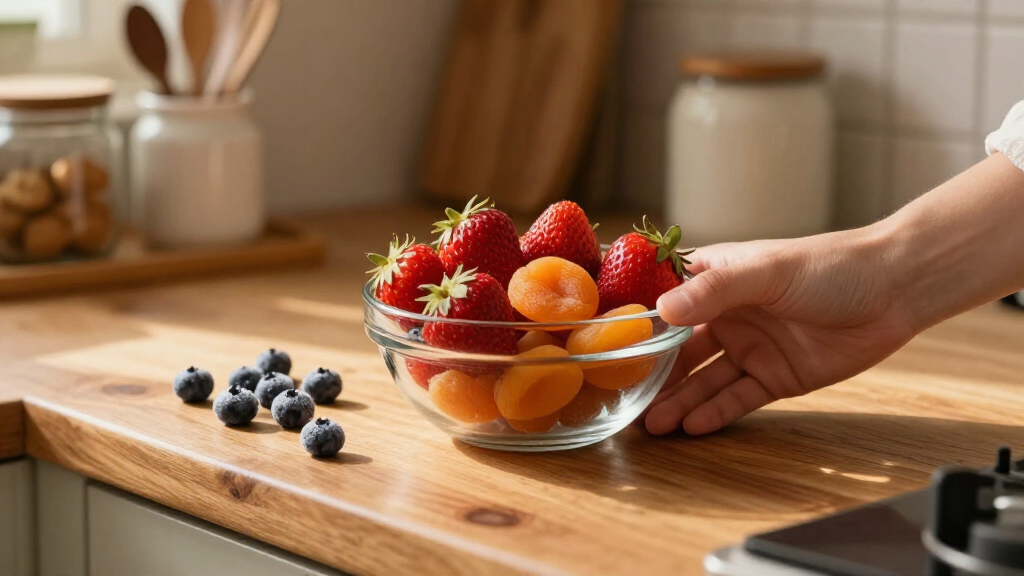
Fresh fruit is unmatched when it comes to delivering vibrant flavor, juicy texture, and the delicate bite that can elevate a dish. The reason is simple: freshly picked fruit retains its natural sugars and moisture, which are essential for flavor and mouthfeel. This makes it ideal for salads, salsas, garnishes, or snacking where the sensory qualities are paramount. For example, a ripe strawberry or a juicy peach provides an immediate burst of sweetness and a satisfying texture that dried or frozen counterparts can’t replicate. Additionally, fresh fruit often contains more water content, which contributes to its juiciness and freshness in recipes. However, the quality of fresh fruit is highly seasonal and dependent on proper storage. Off-season or poorly stored fruit can be bland or mealy, diminishing the dish’s appeal. The tradeoff is that fresh fruit can be fragile and spoil quickly, so it requires careful handling and timely use. When flavor and texture are critical to your dish’s success, selecting ripe, local produce maximizes your results—plus, it supports local agriculture and reduces environmental impact.

Yupik Dried Turkish Apricots, 2.2 lb (35.2 oz), Dried Fruits, Pitted Apricots, No Added Sugar, Naturally Sweet, Oil-free, Source of Fiber, Healthy Snacks, Ideal for Baking & Topping
- Fat-Free and High in Fiber: Healthy snack option
- Versatile Usage: Great for cooking, toppings, or snacking
- No Added Salt, Sugar, or Oil: Pure and natural
As an affiliate, we earn on qualifying purchases.
As an affiliate, we earn on qualifying purchases.
Dried Fruit: The Sweet, Shelf-Stable Powerhouse
Dried fruit is a concentrated form of sweetness, achieved by removing most of the water content, which intensifies flavors and nutrients. This process not only preserves the fruit but also makes it shelf-stable, offering a convenient snack or ingredient that can last for months without refrigeration. The concentration of sugars means that small quantities pack a punch—useful in baking or snacking where you want a burst of flavor without adding excess moisture or bulk. However, this concentration also means dried fruit is calorie-dense and high in sugars, which can impact blood sugar levels if consumed in large amounts. The drying process can sometimes involve added sugars or preservatives—so reading labels is important if you’re aiming for a healthier option. When used thoughtfully, dried fruit adds depth to baked goods, salads, and trail mixes. Rehydrating dried fruit in warm water can soften it and restore some of its juiciness, making it more versatile. But be mindful of portion sizes: because dried fruit is easy to overconsume, moderation is key to enjoying its benefits without excess sugar intake.

Strawberries, 1 Lb
- Wash before consuming: Recommended to wash before eating
- Grown in multiple countries: From the US, Chile, or Mexico
- Versatile snack or ingredient: Great on their own or in recipes
As an affiliate, we earn on qualifying purchases.
As an affiliate, we earn on qualifying purchases.
How to Pick the Right Fruit Form for Your Recipe
Use this quick guide to choose your fruit form:
| Use Case | Fresh | Frozen | Dried |
|---|---|---|---|
| Snacking & Garnishes | Yes — for texture and juiciness | No — too soft and weepy | Sometimes — add chopped dried apricots to trail mix |
| Smoothies & Sauces | Good, especially when ripe | Excellent — blend frozen berries or mango | Limited — rehydrate dried fruit before blending |
| Baking & Cooking | Great for fresh desserts, salads | Perfect for pies, cobblers, muffins | Ideal for sweetening, baking, or adding texture |
| Long-term Storage | Not ideal — perishable | Yes — up to 12 months in freezer | Yes — shelf-stable for months or years |

Outshine, Tangerine Fruit Bars, 6 Count (Frozen), Ice-cream
- Package Quantity: 6 frozen fruit bars
- Flavor: Tangerine
- Nutritional Benefit: Good source of vitamin C
As an affiliate, we earn on qualifying purchases.
As an affiliate, we earn on qualifying purchases.
Cooking Tips for Freezing, Thawing, and Using Each Fruit Type
Frozen fruit is best added directly from the freezer into recipes — no thawing needed for smoothies or baking. For baked goods like muffins, toss in still frozen to prevent bleeding and excess moisture.
Thaw frozen fruit if you need a soft, juicy component, like in fruit sauces or toppings. Just place it in the fridge or microwave briefly.
Dried fruit should be rehydrated in warm water for recipes requiring moisture, like compotes or certain baked goods. Always check labels for added sugar or sulfites, especially with dried cranberries or apricots.
Storing frozen fruit at 0°F (-18°C) keeps it good for 8–12 months. Dried fruit lasts even longer in a cool, dark pantry — up to a year or more.
The Environmental and Cost Factors You Should Know
Frozen fruit often costs less per serving than fresh, especially out of season. It’s pre-washed, pre-cut, and ready to use, which cuts down waste and prep time.
Fresh fruit in season has unbeatable flavor but is perishable and more expensive if imported. Dried fruit is shelf-stable and portable but can contain added sugar or preservatives—so read labels.
Choosing frozen can reduce food waste, because you buy only what you need and store it easily. Plus, it’s a smart move for sustainability, cutting down on spoilage and transportation emissions.
Frequently Asked Questions
Is frozen fruit as healthy as fresh?
Yes, often equally or more so. Frozen fruit is picked at peak ripeness and flash-frozen immediately, locking in nutrients. Studies show it can have higher vitamin C and antioxidants than fresh, especially when fresh produce has been shipped or stored for days.Does frozen fruit have added sugar?
Usually no, but always check the label. Many frozen fruit packages are just fruit, but some have added syrup or sugar. Look for ‘100% fruit’ to be sure. Unsweetened options are best for baking and recipes.Is dried fruit bad for you because of the sugar?
Dried fruit is naturally high in sugar, but it also provides fiber and nutrients. Portion control is key — a small handful (about 1/4 cup) counts as a serving. Choose unsweetened or unsulfured options when possible.Do I need to thaw frozen fruit before baking or making a smoothie?
No, you can add frozen fruit directly to smoothies or baked goods. For toppings or sauces, a brief thaw or rehydration can improve texture. Always read your recipe’s specific instructions.How much dried fruit counts as one serving of fruit?
Typically, about 1/4 cup of dried fruit equals 1 cup of fresh fruit in terms of servings. Keep portion sizes in check to avoid consuming too many calories or sugars.Conclusion
Choosing the right fruit form isn’t just about convenience — it’s about flavor, nutrition, and waste reduction. Frozen fruit is your go-to for nutrients and year-round availability. Dried fruit adds sweetness and shelf-stability, perfect for baking or snacking. Fresh fruit shines when flavor, texture, and immediate enjoyment matter most.
Next time you’re at the store or in your pantry, think about what your recipe really needs. A simple switch can elevate your baking and keep your kitchen waste-free. Keep this guide in mind — and turn every fruit into a flavor-packed, nutritious part of your cooking.