
TL;DR
Parchment paper, silicone mats, and greasing each have unique advantages. Silicone mats are the most durable and eco-friendly, while parchment offers convenience. Knowing their limits helps you bake confidently and safely.
Silicone baking mats are the most durable and eco-friendly option, lasting thousands of uses with proper care.
Parchment paper is convenient but best for single-use baking, especially at temperatures below 450°F.
Greasing works well for sticky or high-temperature recipes but can increase cleanup time and add unwanted fats.
Always check the temperature limits of your pan lining to prevent burning or degradation.
A combination of silicone mats and parchment can cover most baking needs while minimizing waste.
What Are Parchment, Silicone, and Greasing? Here’s the Quick Breakdown
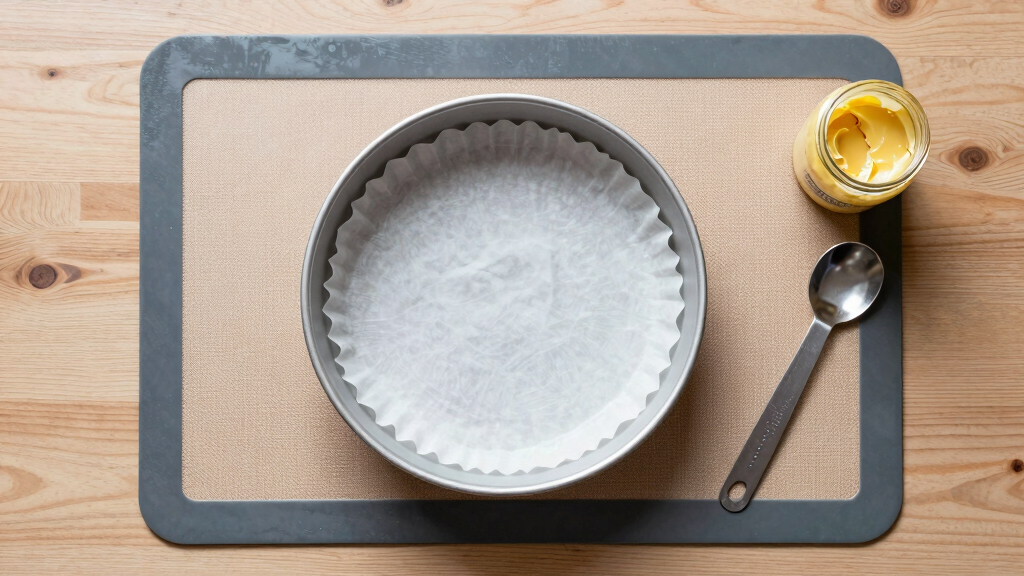
Parchment paper is a cellulose-based sheet coated with silicone for non-stick magic. It’s the classic bake-at-home hero—pre-cut, easy, and disposable.
Silicone baking mats are flexible, reusable sheets made from food-grade silicone. They’re like the non-stick surface of your favorite frying pan, but for your oven.
Greasing involves coating your pan with butter, oil, or spray to prevent sticking. It’s the oldest trick in the book and still works wonders for many recipes.

MMmat Best German Silicone Baking Mat – Half Sheet Baking Mat, Set of 2
- Premium German Silicone: Food-grade, BPA and PFOA free
- Non-Stick Surface: No oil or parchment needed
- Thick and Durable: 0.75mm thickness for longevity
As an affiliate, we earn on qualifying purchases.
As an affiliate, we earn on qualifying purchases.
Which Is Safer for Your Food and Health?
Parchment paper is considered safe for most baking up to 450°F. The silicone coating is stable at high temps, but prolonged exposure to excessive heat can cause it to char or degrade, potentially releasing harmful compounds. Being aware of this helps prevent accidental ingestion of burnt residues or smoke inhalation.
Silicone mats are inert and FDA-approved, meaning they won’t leach chemicals into your food. Their stability at high temperatures (up to 480°F) means they’re a safe, non-reactive surface for most baking applications. However, choosing high-quality, food-grade silicone ensures that no fillers or impurities are present, which could otherwise compromise safety. Proper cleaning also prevents bacteria buildup, maintaining their safety over time.
Greasing is generally safe, but the type and amount of fat matter. Using excessive oil or butter can lead to unwanted fats in your baked goods and may cause smoke or flare-ups at high heat. Additionally, some sprays contain propellants or additives that might affect flavor or safety. Proper application and choosing oils with high smoke points can mitigate these issues, making greasing a safe and effective method when done thoughtfully.

Parchment Paper Sheets, 9×13 In Non-Stick Precut Baking Parchment for Baking, Grilling, Air Fryer, Steaming, and More (Unbleached) – Quarter Sheet Size, Perfect for Bread, Cakes, Cookies, 100PCS
- Material: Unbleached, food-grade, eco-friendly paper
- Size: 9×13 inch pre-cut sheets
- Quantity: 100 sheets included
As an affiliate, we earn on qualifying purchases.
As an affiliate, we earn on qualifying purchases.
How Temperature Limits Affect Your Baking Success
Knowing the temperature limits of your lining saves you from burned cookies or smoky ovens. Parchment paper typically handles up to 450°F, but exceeding this can cause charring, which not only affects flavor and appearance but may also produce harmful fumes. This makes it suitable for most baking, but not for high-heat roasting or broiling.
Silicone mats can usually handle 480°F, but some cheaper options may degrade at high temps, releasing small amounts of silicone particles or odors. Always check the manufacturer’s specifications, as exceeding these can compromise the mat’s integrity and safety. Recognizing the temperature ceiling helps prevent accidental damage and ensures consistent, safe results.
Greasing depends on the fat used. Oils with low smoke points (like flaxseed or unrefined oils) will burn or smoke at lower temperatures, potentially imparting bitter flavors or creating dangerous fumes. High-smoke-point oils like avocado or refined safflower are better choices for high-temperature roasting, reducing the risk of smoke and maintaining the safety and taste of your baked goods.

La Tourangelle All Purpose Baking Spray, Gluten Free, Non Stick, 147 ML
- Gluten-Free Formula: Uses plant-derived lecithin for non-stick
- Premium Quality Taste: Made with high-quality ingredients
- Versatile Cooking Use: Suitable for salads, meats, pastas, and more
As an affiliate, we earn on qualifying purchases.
As an affiliate, we earn on qualifying purchases.
Eco-Friendly & Reusable: Which Option Wins?
Reusable is the way to go if you’re eco-conscious. Silicone mats can last thousands of uses—think years of baking with minimal waste. Their durability means you’re reducing packaging waste and the energy used in manufacturing disposable liners, making them a sustainable choice over time.
Parchment paper is biodegradable and made from renewable resources, but it’s designed for single-use. While convenient, each sheet contributes to waste and requires production, transportation, and disposal, which have environmental impacts. Its compostability depends on local facilities, so consider this when evaluating eco-friendliness.
Greasing pans doesn’t generate waste in the form of packaging, but it can increase cleaning time and water usage. Excessive use of fats or sprays can also lead to waste if you need to replace or clean your pans more frequently. Choosing minimal, eco-friendly fats and proper cleaning techniques can mitigate these impacts, making greasing a relatively sustainable option if managed carefully.

Koolstuffs Silicone Baking Mat, Nonstick and Reusable, 3 Pack
- Easy Cleanup: Dishwasher safe and reduces residue
- Nonstick Surface: Foods release easily without added oil
- Flexible Sizes: Includes two large and one small mat
As an affiliate, we earn on qualifying purchases.
As an affiliate, we earn on qualifying purchases.
The Latest in Baking Linings: What’s New and Worth Considering
Silicone technology keeps improving—more durable, easier to clean, and heat-resistant. Some brands now offer silicone-coated papers that combine the best of both worlds, providing the non-stick convenience of parchment with the durability of silicone. These hybrid products can be reused a few times, reducing waste while maintaining ease of use.
Eco-friendly options like biodegradable parchment are gaining ground, made from sustainably sourced cellulose and coatings that break down more quickly after disposal. These innovations aim to balance convenience with environmental responsibility.
Hybrid products are emerging—think reusable parchment-like sheets or silicone-coated papers that last longer and cut waste. These options represent a middle ground, offering the convenience of traditional liners with improved sustainability, but they often come at a higher price point or require specific care to maximize lifespan.
Quick Comparison: Parchment, Silicone, and Grease at a Glance
| Feature | Parchment Paper | Silicone Baking Mats | Greasing |
|---|---|---|---|
| Reusability | Single-use | Hundreds to thousands of uses | Depends on cleaning and wear |
| Temperature Limit | Up to 450°F | Up to 480°F | Depends on fat; oils smoke around 400°F, butter burns faster |
| Environmental Impact | Biodegradable, single-use | Reusable, eco-friendly | Minimal waste, but cleaning needed |
| Best For | Convenience, quick cleanup | Frequent baking, eco-conscious baking | High-heat roasting, traditional baking |
Should You Grease or Use a Lining? When and Why
If your recipe is sticky—like caramel or dense bread—greasing makes sense because it provides a barrier that prevents sticking and facilitates easy release. For cookies and delicate pastries, parchment or silicone is better because they create a non-stick surface without adding extra fats, which can alter texture or flavor and make cleanup more involved.
Think about cleanup time too. Silicone mats and parchment save hours of scrubbing, while greased pans might require more soap and effort, especially if fats burn or become baked on. For everyday baking, silicone offers a good balance of convenience, reusability, and safety. Save greasing for special cases or high-heat roasting where a more robust non-stick barrier is necessary to prevent sticking and ensure safety.
Frequently Asked Questions
Is silicone safe for baking at high temperatures?
Yes, food-grade silicone is generally safe up to 480°F. Just make sure your silicone mat is labeled heat-resistant and avoid exceeding manufacturer recommendations to prevent degradation.
Can I reuse parchment paper?
Most parchment paper is single-use, but some heavy-duty, silicone-coated options can be reused a few times. Always check for tears or burns before reusing.
Does greasing affect the flavor of baked goods?
Usually, no. Greasing adds a bit of richness or flavor depending on the fat used. However, too much or using flavored oils can alter your baked goods’ taste.
What’s better for the environment: parchment or silicone?
Silicone baking mats are more eco-friendly long-term since they’re reusable and reduce waste. Parchment paper is biodegradable but single-use, creating more waste over time.
Are there any non-stick options that don’t involve silicone or parchment?
Some non-stick ceramic coatings or seasoned cast iron pans can be alternatives, but they come with their own care requirements and safety considerations. Silicone remains one of the most versatile and safe options for everyday baking.