TL;DR

Get baking supplies delivered free with Prime
- Fast, free delivery on millions of items
- Prime Video, Amazon Music and more included
- Member-only deals all year
Baked goods typically last 2–7 days at room temperature, but proper storage—refrigeration or freezing—can extend their life to weeks or months. Recognizing spoilage signs is key to staying safe.
Ever opened a box of cookies or a loaf of bread and wondered, How long can I really keep this before it goes bad? The truth is, baked goods don’t last forever—especially without preservatives. Yet, how long they stay safe and tasty depends on what you’re dealing with, how you store it, and even your environment. Knowing the real shelf life helps you avoid waste, save money, and keep your family safe from spoiled treats.
In this guide, I’ll give you a straightforward answer—no confusing jargon or vague guesses. Plus, practical tips on how to keep baked goods fresh longer and spot spoilage early. Whether it’s a batch of cookies, a loaf of bread, or a cake, you’ll learn what’s normal and what’s not.
Most baked goods last 2–7 days at room temperature, depending on type and environment.
Proper storage, like airtight containers, refrigeration, and freezing, can extend freshness for weeks or months.
Always watch for mold, off smells, and texture changes to identify spoilage early.
Freezing baked goods preserves quality for 3–6 months and is often the best long-term option.
Natural preservatives can help but aren’t a substitute for proper storage and spoilage awareness.
How Long Do Baked Goods Really Last?
The plain answer: most baked goods keep for 2–7 days at room temperature. Ingredients, moisture, storage and climate decide where each item falls—and freezing is usually the smartest long-term move.
Freshness depends on the bake
Low-moisture goods generally outlast moist, nutrient-rich bakes. Airtight storage helps cookies and muffins, while bread needs a balance: protect it from drying without trapping enough moisture to encourage mold.
Cookies
Use an airtight jar or bag to preserve texture and block humidity.
Bread
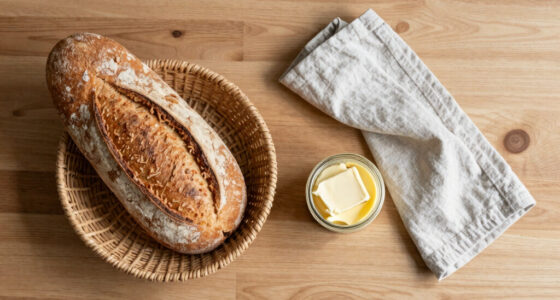
A bread box or paper bag protects the crust; freeze sliced loaves for longer keeping.
Filled Cake
Cream cheese, custard and fresh-fruit fillings belong in the refrigerator.
Muffins
Cool completely before sealing so trapped condensation does not accelerate mold.
Four moves that buy more time
Storage manages the two main enemies of quality: moisture loss, which causes staling, and excess moisture, which supports mold. Match the method to the item.
Seal cookies & muffins
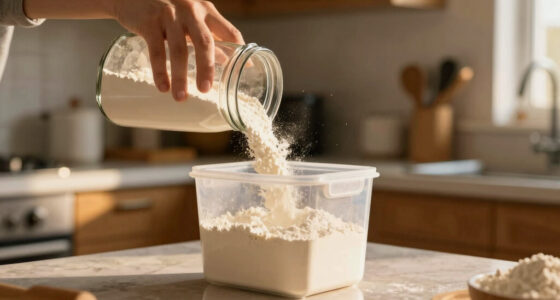
Airtight containers stabilize moisture and reduce exposure to humid air and contaminants.
Wrap bread well
Use foil or a resealable bag for short storage; freeze portions to stop mold and slow staling.
Chill filled cakes
Refrigeration slows microbial growth in dairy, custard and fruit fillings, though it may dry the crumb.
Double-wrap to freeze
Wrap in plastic, then foil or a freezer bag. Press out air to limit freezer burn and flavor transfer.
Label every package with the item and date. Freeze in practical portions, thaw only what you need, and keep wrapping intact while thawing to reduce condensation on the food.
Storage changes the timeline
These are practical quality windows, not guarantees. Warm, humid kitchens shorten counter life; careful wrapping and stable temperatures improve it.
| Type of baked good | Room temperature | Refrigerated | Frozen | Best move |
|---|---|---|---|---|
| Cookies | 3–4 days | Up to 2 weeks | 3–6 months | ✓ Airtight |
| Bread | 2–3 days | Up to 1 week | 3–6 months | ✓ Freeze sliced |
| Dairy-filled cake | 2–3 days max | Up to 1 week | 2–3 months | ~ Refrigerate |
| Muffins | 2–4 days | Up to 1 week | 3–6 months | ✓ Seal or freeze |
Know when to throw it out
Quality decline and food spoilage are not the same. Stale bread may be unpleasant but mold, sour odors or sliminess are clear discard signals.
Fuzzy mold
Green, black or white spots mean the entire item should be discarded. Do not simply trim visible mold from porous baked goods.
Sour or rancid smell
An unexpected fermented, stale-fat or sharply sour odor indicates deterioration even if the surface looks normal.
Sticky or slimy
Unusual wetness, slime or tackiness—especially on filled pastries and cakes—can signal microbial activity.
When in doubt, throw it out.
Some mold toxins can resist heat, so reheating or rebaking is not a reliable rescue. Safety matters more than saving one questionable serving.
From cooling rack to safe bite
A simple routine reduces waste and makes decisions easier. Start with the ingredients, choose the right environment, record the date and inspect before eating.
Identify
Dry, moist, dairy-filled or fruit-filled?
Choose
Counter, refrigerator or freezer?
Protect
Cool fully, then wrap or seal properly.
Label
Add the item name and storage date.
Inspect
Check mold, odor and texture before eating.
Acids and extracts can help
Ingredients such as vinegar, lemon juice and selected herb extracts may slow some microbial growth by changing acidity or adding antimicrobial compounds.
They do not replace storage
Natural preservatives vary by recipe and dose. They are not a substitute for refrigeration, freezing, clean handling or spoilage checks.
How Long Do Baked Goods Last at Room Temperature? The Real Deal
Most baked goods last between 2 to 7 days at room temperature. The exact time depends on the type. Cookies, for example, stay crisp for about 3–4 days if kept in an airtight container. Loaves of bread tend to go stale or moldy after about 2–3 days, especially in humid environments. Cakes with cream cheese or fruit fillings spoil faster—usually within 2–3 days if left out.
Imagine leaving a batch of homemade cookies on the counter. After a few days, they might still look fine, but the edges could soften, and mold might start to appear if moisture is high. A loaf of sourdough left uncovered begins to turn stale after 48 hours, losing its chewy crust and soft crumb.
Tip: Store cookies in an airtight jar or bag. Keep bread in a bread box or paper bag to prevent mold but avoid plastic, which traps moisture and causes mold faster.
Understanding these timelines matters because they directly impact food safety and quality. For instance, leaving bread out too long not only makes it stale but also increases the risk of mold growth, which can produce mycotoxins harmful to health. Conversely, storing baked goods properly can extend their edible life, reducing waste and saving money. The key tradeoff is between convenience and safety; rushing to consume baked goods within their optimal window ensures maximum freshness and minimizes health risks.
Products Worth Considering
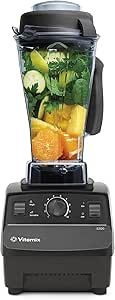
Vitamix 5200 Professional-Grade Blender, 64 oz. Container, Black

Breville Bambino Espresso Machine, Brushed Stainless Steel

Vitamix Propel Series 750 Professional-Grade Blender, 4 Programs, Black
As an affiliate, we earn on qualifying purchases.
How to Keep Baked Goods Fresh Longer: 4 Easy Storage Hacks
- Use airtight containers for cookies and muffins. This keeps moisture in or out, depending on the item, which is crucial because moisture loss leads to staleness, while excess moisture encourages mold growth. Proper sealing maintains texture and prevents spoilage.
- Wrap bread tightly in plastic or foil. This prevents the crust from drying out and becoming hard while also blocking moisture that fosters mold. For longer storage, freezing bread in a resealable bag halts mold growth and keeps the crust intact upon thawing.
- Refrigerate cakes with dairy or fruit fillings in an airtight container. This slows bacterial growth and mold development, which are accelerated by the moisture and nutrients in fillings. Refrigeration extends freshness but can alter texture—sometimes making cakes drier—so understanding the balance is essential.
- Freeze baked goods for 3–6 months. Wrap items in plastic wrap first, then foil, or vacuum-seal for maximum preservation. Freezing halts microbial activity almost entirely, preserving flavor and texture, but improper packaging can lead to freezer burn or flavor transfer, so attention to sealing is vital.
Imagine you baked a batch of blueberry muffins. Proper storage—using an airtight container or freezer bag—keeps them moist and prevents mold. For bread, wrapping it well maintains crust quality and prevents staling. Freezing treats like cookies or muffins is especially useful if you bake in bulk or want to extend shelf life without sacrificing taste or texture. Recognizing the importance of these storage methods is about understanding how they influence the delicate balance between freshness, safety, and convenience.
Tip: Always label frozen items with date. Use within 3–6 months for best quality. This helps manage inventory and ensures you consume baked goods at their peak, preventing waste and spoilage.
Deeply understanding storage options and their implications allows you to make informed decisions. For example, improper storage can lead to rapid deterioration, while good practices can prolong edibility and safety. It’s a tradeoff between effort and reward—taking a little extra time to store properly can significantly extend the enjoyment of your baked goods.
Signs Your Baked Goods Are Gone Bad (And When to Toss)
Spotting spoilage is easier than you think. Look for mold, which can appear as fuzzy spots in green, black, or white. It often shows up after 3–7 days, depending on humidity and ingredients. Mold not only ruins taste but can produce mycotoxins harmful to health, making early detection vital.
Other signs include a off smell, sour or rancid odors, and a change in texture—such as excessive softness, dryness, or sliminess. For cakes and pastries, a crust that feels slimy or sticky is a red flag because it indicates bacterial activity or mold presence. Texture changes often precede visible spoilage, so paying attention to these cues can prevent eating contaminated food.
For example, a loaf of bread with a greenish hue or a cake with a sour smell should be discarded immediately. Eating spoiled baked goods can lead to food poisoning, especially if bacteria or molds have grown. Recognizing these signs early is essential for health safety, as the risks of consuming spoiled food include gastrointestinal illness and allergic reactions.
Tip: When in doubt, throw it out. Better safe than sorry—your stomach will thank you. Remember that some molds produce toxins that are heat-resistant, so cooking or baking does not eliminate all hazards. Prioritizing safety over waste is crucial in maintaining good health.
Comparison Table: How Long Different Baked Goods Stay Fresh
| Type of Baked Good | At Room Temperature | Refrigerated | Frozen |
|---|---|---|---|
| Cookies | 3–4 days | Up to 2 weeks | 3–6 months |
| Bread | 2–3 days | Up to 1 week | 3–6 months |
| Cake (with dairy fillings) | 2–3 days | Up to 1 week | 2–3 months |
| Muffins | 2–4 days | Up to 1 week | 3–6 months |
This table shows how storage method impacts freshness. Freezing is best for long-term storage without sacrificing flavor or texture.
Understanding these timelines helps you plan when to enjoy baked goods at their best, and when to prioritize freezing for later. Each method influences not just how long the item lasts but also how its flavor, texture, and safety are preserved. For example, bread stored at room temperature may become stale quickly, but freezing it preserves its original qualities for months, giving you flexibility and reducing waste.
Can You Really Extend Baked Goods’ Life with Natural Preservatives?
Yes, some natural ingredients can slow spoilage, but their effectiveness depends on how and when they are used. For instance, adding vinegar or lemon juice to baked items introduces acids that inhibit mold and bacterial growth by lowering the pH, creating an environment less hospitable to microbes. Similarly, herbs like rosemary or thyme contain natural antimicrobial compounds that can slow spoilage. Using these ingredients thoughtfully can help extend freshness, especially in baked goods with high moisture content.
Imagine baking banana bread with a splash of lemon juice—this small addition can help the bread resist mold longer without altering its flavor significantly. These natural preservatives are attractive to those seeking cleaner labels or avoiding chemical additives, but they come with limitations. They are most effective when combined with proper storage—airtight containers, refrigeration, or freezing—and are not foolproof. The tradeoff is that while they can delay spoilage, they do not eliminate it entirely, and their impact varies based on the recipe and environment.
Understanding the balance between natural preservatives and storage methods is essential. Over-reliance without proper storage won’t prevent spoilage, and natural ingredients may alter taste or texture if used excessively. The key is to experiment with small batches, observe results, and find what works best for your baked goods and preferences.
Tip: Incorporate natural preservatives thoughtfully—small adjustments can make a difference, but always prioritize good storage practices for optimal results.
Frequently Asked Questions
How can I tell if baked goods are still safe to eat?
Look for mold, off odors, and texture changes like sliminess or excessive dryness. When in doubt, discard—food safety comes first.What’s the best way to store different types of baked goods?
Cookies in airtight jars, bread wrapped tightly or frozen, and cakes with fillings refrigerated in airtight containers. Adapt storage to the item’s moisture and ingredients.Can I freeze baked goods to extend their shelf life?
Absolutely. Wrap items well—plastic, foil, or vacuum-seal—and store for 3–6 months for best quality. Thaw at room temperature or gently warm before eating.How long do baked goods last in the fridge?
Most baked goods with dairy or fruit fillings last about 5–7 days refrigerated. Keep them in airtight containers to prevent drying out or absorbing odors.Are natural preservatives effective for baked goods?
They can help slow spoilage, especially when combined with proper storage. But they aren’t foolproof, so always store baked goods properly and check for spoilage signs.Conclusion
Knowing how long baked goods stay good saves you money and keeps your family safe. The key is proper storage—airtight, refrigerated, or frozen. Next time you bake or buy, think about how you’ll store it, and you’ll enjoy fresh treats longer.
Remember, if it looks, smells, or feels off—don’t risk it. Your taste buds and stomach will thank you for paying attention.