
TL;DR
Almond, oat, and coconut flours are versatile, nutrient-dense alternatives to wheat flour, each with unique properties requiring specific handling. Knowing their differences helps you bake better, healthier treats with confidence.
Imagine biting into a muffin that’s moist, flavorful, and packed with nutrients. Now, picture making that muffin with almond, oat, or coconut flour instead of regular wheat. These alternative flours don’t just add a different flavor—they open a world of healthier baking options that suit various dietary needs.
Whether you’re gluten-sensitive, vegan, or just curious about diversifying your pantry, understanding how these flours behave in recipes can elevate your baking game. Let’s explore what makes each one special, how to use them effectively, and what recent innovations are making healthier baking easier than ever.
Almond flour adds richness and nutrients but requires refrigeration to prevent rancidity.
Oat flour is a mild, versatile option that works well in many baked goods but must be labeled gluten-free if needed.
Coconut flour is highly absorbent, so recipes often need adjustments in liquids and eggs.
Substituting these flours is straightforward but usually requires recipe tweaks—don’t just swap one for one without testing.
Choose your flour based on flavor, texture, and nutritional goals—each has its perfect use in healthy baking.
What makes almond, oat, and coconut flours unique in the baking world?
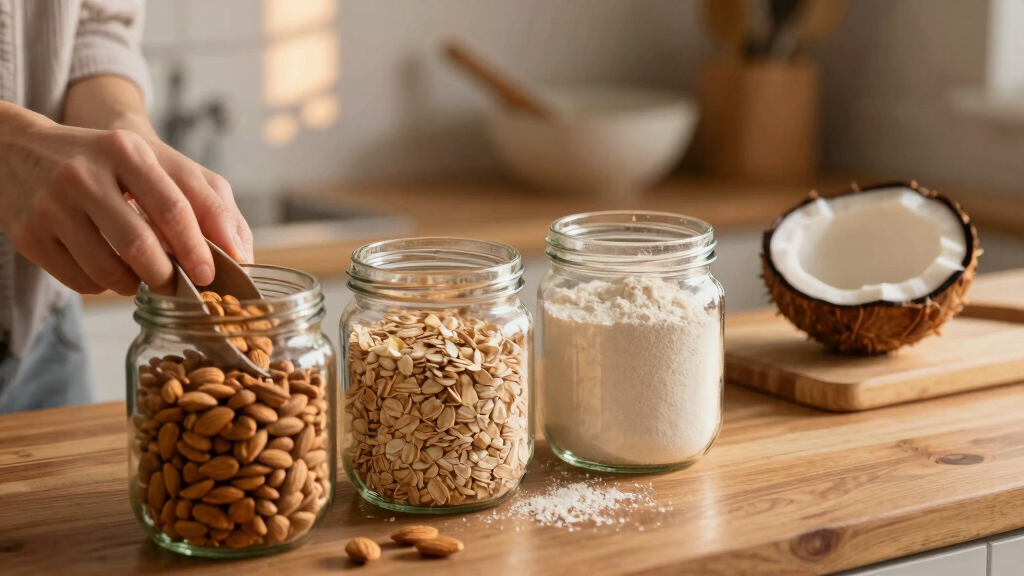
Almond, oat, and coconut flours each bring their own flavor, texture, and nutritional profile to your kitchen. Almond flour is rich and buttery, packed with healthy fats and vitamin E. Oat flour offers a mild sweetness and a boost of soluble fiber, supporting heart health. Coconut flour is dry and absorbent, loaded with medium-chain triglycerides and fiber.
For example, if you bake a cookie with almond flour, it’ll have a slightly nutty taste and a tender crumb. Swap in oat flour, and that same cookie will turn out lighter with a subtle sweetness. Use coconut flour, and you’ll need to adjust liquids—because it’s so thirsty—plus expect a denser, more crumbly texture.
Knowing these differences helps you decide which flour to use based on flavor goals, dietary restrictions, or texture preferences. It’s like choosing the right paintbrush—each creates a different artistic effect.
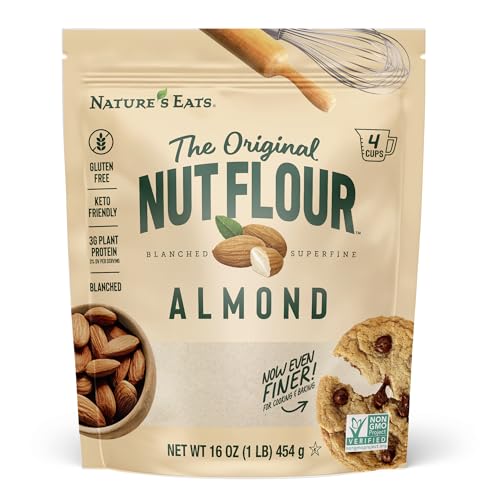
Nature’s Eats Superfine Almond Flour – Finely Sifted, Blanched Gluten Free Nut Flour for Bread, Pancake Mix, Muffins, Low Carb & Vegan Baking – 16 oz
- Superfine Texture: Blended smoothly into baked goods
- Gluten Free & Kosher: Made from 100% pure almonds
- Versatile Baking Substitute: Ideal for bread, cake, and pastry
As an affiliate, we earn on qualifying purchases.
As an affiliate, we earn on qualifying purchases.
How to substitute almond, oat, and coconut flours without ruining your baked goods
- Start with a 1:1 substitution in recipes that specifically call for these flours—some recipes are designed with their moisture and density in mind.
- Adjust liquids—coconut flour, in particular, absorbs a lot, so you may need to add extra eggs, milk, or oil.
- Use binders like flaxseed meal or xanthan gum if your recipe needs extra structure, especially with coconut flour.
- Follow recipes designed for these flours when possible. They account for texture and moisture differences.
For example, swapping almond flour in a muffin recipe works well with just a small tweak—add an extra egg to boost binding. But replacing wheat flour with coconut flour usually requires a more significant recipe overhaul because of its absorbency.
Experiment gradually. Keep notes on how your adjustments turn out. Baking with alternative flours is as much an art as a science.

King Arthur Baking Company Gluten-Free & Whole Grain Oat Flour 2.5 lbs.
- Enhanced Baking Performance: Superior quality with more protein
- Gluten-Free Whole Grain: Made from gluten-free, whole grain oats
- Versatile Baking Ingredient: Ideal for muffins, pancakes, cookies
As an affiliate, we earn on qualifying purchases.
As an affiliate, we earn on qualifying purchases.
Compare almond, oat, and coconut flours side-by-side to pick the best for your baking
| Feature | Almond Flour | Oat Flour | Coconut Flour |
|---|---|---|---|
| Flavor | Rich, nutty | Mild, slightly sweet | Sweet, coconut-y |
| Texture | Fine, moist | Light, soft | Dry, crumbly |
| Moisture Absorption | Low to moderate | Moderate | Very high |
| Calories per 100g | 580 | 389 | 400 |
| Shelf Life | 6-12 months, refrigerate for longer | 6-12 months, store in cool place | 4-6 months, keep airtight and cool |
Choosing the right flour depends on your goals. Want buttery flavor and richness? Almond is your pick. Looking for a light, mildly sweet base? Oat works great. Need something super absorbent for gluten-free baking? Coconut flour is the answer—but be ready for recipe tweaks.

NOW Foods, Organic Coconut Flour, Unsweetened, Excelent Source of Fiber, No Added Sulfites, Certified Non-GMO, 16-Ounce (Packaging May Vary)
- High in Dietary Fiber: Excellent source of fiber
- Unsweetened Powder: Dried, defatted coconut meat
- No Added Sulfites: Free from added sulfites
As an affiliate, we earn on qualifying purchases.
As an affiliate, we earn on qualifying purchases.
Practical tips for storing and handling almond, oat, and coconut flours
All three flours are best stored in airtight containers. Almond and coconut flours contain fats that can turn rancid if exposed to heat and light. Keep them in the fridge or freezer—especially if you buy in bulk—to extend their shelf life.
Oat flour is more stable but still benefits from cool, dark storage. Always use clean utensils to scoop—moisture or contamination can spoil them faster. If your flour develops an off smell or mold, toss it—don’t risk eating rancid or spoiled ingredients.
For example, I keep my almond flour in glass jars in the fridge, and it stays fresh for about six months. Coconut flour is stored in a cool pantry but goes into the fridge if I buy large quantities. Proper storage means better flavor and longer shelf life.

Miss Jones Baking Organic Buttercream Frosting, Perfect for Icing and Decorating, Vegan-Friendly: Vanilla (Pack of 1)
- Contains: 1 container of organic frosting
- Texture: Fluffy, creamy, whipped to perfection
- Taste: Balanced sweet, delicious flavor
As an affiliate, we earn on qualifying purchases.
As an affiliate, we earn on qualifying purchases.
Recent innovations making healthy baking easier with these flours
Brands are now offering organic, non-GMO, and fortified versions of almond, oat, and coconut flours. Some include added protein, fiber, or probiotics, enhancing their health benefits without sacrificing taste or texture.
Advanced milling techniques improve consistency—less grittiness in oat flour or rancidity in almond flour. New packaging options also help extend shelf life and reduce waste.
For example, a recent innovation is coconut flour blended with added fiber and probiotics, making it more functional for gut health. These innovations mean you can bake with more confidence and convenience.
Frequently Asked Questions
Are almond, oat, and coconut flours gluten-free?
Yes, all three are naturally gluten-free. However, always check labels to confirm they are processed in dedicated facilities to avoid cross-contamination, especially for oats.
Can I replace wheat flour with these flours in any recipe?
Not exactly. Each has unique properties—coconut flour is very absorbent, almond flour adds moisture and fat, and oat flour is milder. Recipes often need adjustments in liquids and binding agents for best results.
Are these flours suitable for nut allergies?
Almond flour is nut-based and should be avoided if you have nut allergies. Coconut and oat flours are generally safe but always verify for cross-contamination if allergies are severe.
How should I store these flours for maximum freshness?
Almond and coconut flours are best kept in airtight containers in the fridge or freezer to prevent rancidity. Oat flour is more stable but still benefits from cool, dark storage. Proper storage extends shelf life and preserves flavor.
Are these flours environmentally sustainable?
Sustainability varies: almond farming uses significant water, while coconut farming has its ecological impacts. Look for brands committed to ethical sourcing and organic practices to minimize environmental footprint.
Conclusion
Switching to almond, oat, and coconut flours opens a world of healthier baking possibilities—flavors, textures, and nutrients that wheat simply can’t match. The secret lies in understanding their quirks and handling them with care.
Next time you bake, think of these flours as tools—not just ingredients—and experiment with confidence. Your taste buds—and your health—will thank you for it.